
Yes — you really can travel for free. The main routes: work exchange (Workaway, Worldpackers, WWOOF), house- and pet-sitting (TrustedHousesitters, MindMyHouse), hospitality exchange (Couchsurfing), eco-communities, au pair stays, and fully funded EU youth programs. Below, each option with its real cost and what you get in return.
You don't need savings to see the world — you need a few hours of help a day. Across dozens of platforms, hosts trade a bed and often meals for work on a farm, in a hostel, or with their kids; some programs even cover your flights.
What you trade varies — farm work, reception shifts, childcare, pet care — but the deal is the same: your time for a place to stay. Always read host reviews and agree the hours before you arrive, and you can string these stays into months on the road for little more than the cost of transport.
Volunteering for Accommodation and Meals
You work a few hours a day in exchange for accommodation, and sometimes meals. This is one of the most popular ways to travel for free. You can help out in a hostel, on a farm, at a language school, or with private hosts. Work is usually 4–5 hours per day, 5 days a week. The rest of the time is free for exploring and new experiences.
Workaway
- Website: https://www.workaway.info/
- What they offer: Accommodation and sometimes meals in exchange for 4–5 hours of help per day
- Types of work: Helping in hostels, on farms, with children, in construction, language exchange
- Locations: Worldwide
- Price: ~€59/year (solo; €69 couple)
- Pros: Large database, variety of tasks
- Cons: Account fee required
Worldpackers
- Website: https://www.worldpackers.com
- What they offer: Accommodation, meals, sometimes excursions
- Types of work: Helping in hostels, social projects, environmental initiatives
- Locations: Latin America, Europe, Asia
- Price: ~$49–59/year
- Pros: High-quality support, training, guarantee
- Cons: More formalized system
HelpX
- Website: https://www.helpx.net
- What they offer: Accommodation and meals for 4–6 hours of help per day
- Types of work: Helping in homes, on farms, in B&Bs
- Locations: Europe, Australia, New Zealand, Canada
- Price: ~€20/2 years
- Pros: Cheap access, ‘old-school’ database
- Cons: Outdated interface, fewer reviews
WWOOF
- Website: https://wwoof.net
- What they offer: Accommodation and meals in exchange for help on organic farms
- Types of work: Gardening, working with animals, farming projects
- Locations: Worldwide (country-specific sites)
- Price: €15–72/year, set per country
- Pros: Ecological experience, community of like-minded people
- Cons: Requires physical activity, not always urban settings
Other Volunteering Platforms
Besides the most popular platforms like Workaway and WWOOF, there are many lesser-known services. They may have fewer listings, but they are often free and offer unique experiences. These platforms are great for those seeking alternatives or who have already used the main resources.
Volunteers Base
- Website: https://www.volunteersbase.com
- What they offer: Volunteering in exchange for accommodation and meals
- Types of work: Social projects, farms, community assistance
- Locations: International
- Price: Free
- Pros: Completely free access, filters by country and project type
- Cons: Low activity, listings not always up to date
HelpStay
- Website: https://www.helpstay.com
- What they offer: Accommodation for 3–5 hours of help per day
- Types of work: Hostels, farms, social projects
- Locations: Europe, Asia, Latin America
- Price: ~€43/year (single), €52/year (couples)
- Pros: Modern site, convenient search
- Cons: Fewer listings than major platforms
MovingWorlds
- Website: https://movingworlds.org
- What they offer: Social impact projects in exchange for accommodation
- Types of work: Education, business consulting, sustainable development
- Locations: Africa, Latin America, Asia
- Price: Free to browse; ~$250/year to get matched
- Pros: For professionals, mission-driven projects
- Cons: Not for everyone, higher entry requirements
House Sitting and Couchsurfing
If you don’t mind temporarily living in someone else's home and taking care of it (or their pets), you can travel the world for free—especially in Europe, Australia, and the USA. Couchsurfing allows you to stay with locals for free as part of a cultural exchange. These formats rely on trust, openness, and good reviews.
TrustedHousesitters
- Website: https://www.trustedhousesitters.com
- What they offer: Free accommodation in exchange for house and pet sitting
- Types of work: Cat care, dog walking, plant care, general upkeep
- Locations: Worldwide, especially popular in the USA, UK, Australia
- Price: ~$129–259/year (+ $12 per sit on lower tiers)
- Pros: Great interface, active community, insurance included
- Cons: High subscription cost, high competition for prime locations
HouseCarers
- Website: https://www.housecarers.com
- What they offer: Accommodation in exchange for house and pet sitting
- Types of work: Basic house care, feeding pets, watering plants
- Locations: USA, Canada, Australia, Europe
- Price: ~$50/year
- Pros: Affordable subscription, real listings
- Cons: Outdated interface, careful selection required
MindMyHouse
- Website: https://www.mindmyhouse.com
- What they offer: Free accommodation in exchange for house sitting
- Types of work: Staying in the home and basic care
- Locations: Europe, USA, Australia, New Zealand
- Price: ~$29/year
- Pros: Very cheap subscription, simplicity
- Cons: Fewer tasks, not always actively updated
Couchsurfing
- Website: https://www.couchsurfing.com
- What they offer: Short-term free stays with locals
- Types of work: No mandatory work—it’s about cultural exchange and socializing
- Locations: Worldwide
- Price: ~$15/year (US) · ~€23/year (EU); free tier in some countries
- Pros: Interaction with locals, travel vibe, meeting new people
- Cons: Experience can be unpredictable, important to read reviews
Eco-Communes and Sustainable Development Projects
If you’re drawn to the idea of living in harmony with nature, a sustainable lifestyle, and a community of like-minded people—eco-volunteering can be the perfect way to travel. In these places, you don’t just work; you become part of the community: helping in the kitchen, in the garden, participating in workshops and events.
IC.org (Foundation for Intentional Community)
- Website: https://www.ic.org
- What they offer: Free directory of 1,000+ intentional communities (ecovillages, cohousing, communes) to find and join
- Types of work: Gardening, construction, event organization, cooking
- Locations: USA, Canada, Europe
- Price: Directory free to search; optional membership $88–222/year
- Pros: Huge database of active communes and eco-projects
- Cons: Requires direct contact, no unified review system
NuMundo
- Website: https://www.numundo.org
- What they offer: Accommodation and skill exchange in eco-projects
- Types of work: Eco-construction, permaculture, retreat facilitation
- Locations: Latin America, USA, Asia
- Price: Free for work, some places require a fee
- Pros: Modern platform, filters by experience type
- Cons: Not all places are truly free—need to verify
WWOOF
- Website: https://wwoof.net
- What they offer: Work on organic farms in exchange for accommodation and meals
- Types of work: Organic farming, animal care, sustainable practices
- Locations: Worldwide
- Price: €15–72/year, set per country
- Pros: Clear system, active farms, ecological environment
- Cons: Physically demanding work, requires country-specific membership
Homestays and Au Pair Programs
The Au Pair format is a cultural exchange: you live with a host family abroad and help with childcare or light household chores. In return, you receive accommodation, meals, and pocket money. It’s a great way to experience a culture from the inside, improve your language skills, and live abroad—especially if you’re young and open to new living styles. ⚠️ All these services are aimed at people aged 18 to 30 (up to 26 in the USA), with basic language skills and a willingness to immerse themselves in family life.
AuPairWorld
- Website: https://www.aupairworld.com
- What they offer: Accommodation, meals, and pocket money in exchange for childcare help
- Types of work: Child care, homework help, light household tasks
- Locations: Germany, France, Spain, Netherlands, Scandinavia
- Price: Free for au pairs; host families pay
- Pros: Huge database, built-in messenger, reliable reputation
- Cons: Basic language skills of the host country required
AuPair.com
- Website: https://www.aupair.com
- What they offer: Accommodation and meals in exchange for family assistance
- Types of work: Child care, escorting, play, household help
- Locations: Europe, USA, Australia
- Price: Free for au pairs; premium accounts available
- Pros: Global coverage, fast family search
- Cons: Not all profiles active, premium gives advantage
Cultural Homestay International (CHI)
- Website: https://chinet.org/au-pair/about-au-pairs/
- What they offer: Au Pair program in the USA with visa support
- Types of work: Child care, language exchange, household help
- Locations: USA
- Price: Program fee ~$7,200–9,600 + ~$195/week stipend, room & board
- Pros: Licensed J‑1 program, vetting and support, cultural exchange
- Cons: Program fee in the thousands; English proficiency and age limits apply
GreatAuPair
- Website: https://www.greataupair.com
- What they offer: Matches au pairs and nannies with host families worldwide — you arrange room, board and pocket money with the family
- Types of work: Child care, light household tasks
- Locations: USA, Canada, Europe, Asia
- Price: Free to register; ~$60/30 days or $120/90 days to contact families
- Pros: Large host family database, flexible durations, filters by country
- Cons: Requires persistence and filtering— not all profiles are up-to-date
Government and Youth Programs
If you’re 18 to 30 years old and want to travel not just as a tourist, but become part of international projects, exchanges, or educational initiatives—consider programs funded by governments and the EU. It’s a great chance to gain experience, help the world, and not spend your own money.
European Solidarity Corps
- Website: https://europa.eu/youth/solidarity
- What they offer: Long-term volunteering projects in Europe and beyond
- Types of work: Social, environmental, cultural, and educational initiatives
- Locations: EU countries and neighboring regions
- Price: Free—travel, accommodation, meals covered; pocket money provided
- Pros: Fully funded, cultural exchange, on-site support
- Cons: Application process requires time and preparation
Erasmus+ Youth Exchanges
- Website: https://erasmus-plus.ec.europa.eu
- What they offer: Short trips (5–21 days) with training, exchange, and activities
- Types of work: Trainings, cultural exchange, informal education
- Locations: Europe, partner countries
- Price: Free—travel, accommodation, and meals covered
- Pros: Short intensive trips, friendly atmosphere, certificates
- Cons: Limited spots, requires motivation and quick application
International Voluntary Service (IVS GB)
- Website: https://ivsgb.org
- What they offer: Short and long-term volunteering projects (workcamps)
- Types of work: Environment, education, social initiatives, peacebuilding
- Locations: UK and international projects
- Price: £30/year membership + per-project fee from £95 (UK) / £230 (abroad)
- Pros: EU-accredited, long-standing experience, flexible durations, international network
- Cons: Requires application through British organizations, competitive
Work and Travel USA
- Website: https://j1visa.state.gov/programs/summer-work-travel
- What they offer: Summer work in the USA for students: hotels, cafes, parks, resorts
- Types of work: Service, recreation, hotel assistance, park infrastructure support
- Locations: USA
- Price: Agency fee ~$2,000–2,150 (2026); ~$3,000+ total with visa & flights
- Pros: Experience living in the USA, salary, travel after the program
- Cons: Must be a student; ~$2,150+ upfront (≈$3,000+ all-in)
Frequently asked questions
Can you really travel for free?
Yes. With work exchange, house-sitting and hospitality networks you get accommodation (often meals) in return for a few hours of help a day, so your only real cost is transport. Some EU youth programs even reimburse travel.
Is Workaway free?
No — Workaway charges about €59/year for a solo membership (€69 for a couple). The stays themselves are free: you exchange ~4–5 hours of help a day for a bed and usually food. HelpX (~€20/2 years) and Worldpackers (~$49/year) are cheaper-membership alternatives.
What's the cheapest way to get free accommodation abroad?
House-sitting (MindMyHouse ~$29/year) and free networks like Volunteers Base or Couchsurfing’s limited free tier cost the least. For longer stays, work exchange on farms (WWOOF) or in hostels gives you weeks of free lodging for daily help.
Couchsurfing vs Workaway — what’s the difference?
Couchsurfing is short-term hospitality: you stay a few nights with a local for free, no work expected, just cultural exchange. Workaway is longer-term work exchange: you commit to a few hours of daily help in return for an extended stay and usually meals.
Can you travel with almost no money?
Almost — fully funded EU programs (European Solidarity Corps, Erasmus+) cover travel, accommodation, meals and pocket money for 18–30s. Otherwise you still cover transport and a small platform membership, but day-to-day living can be free.
Don't postpone life — take action!
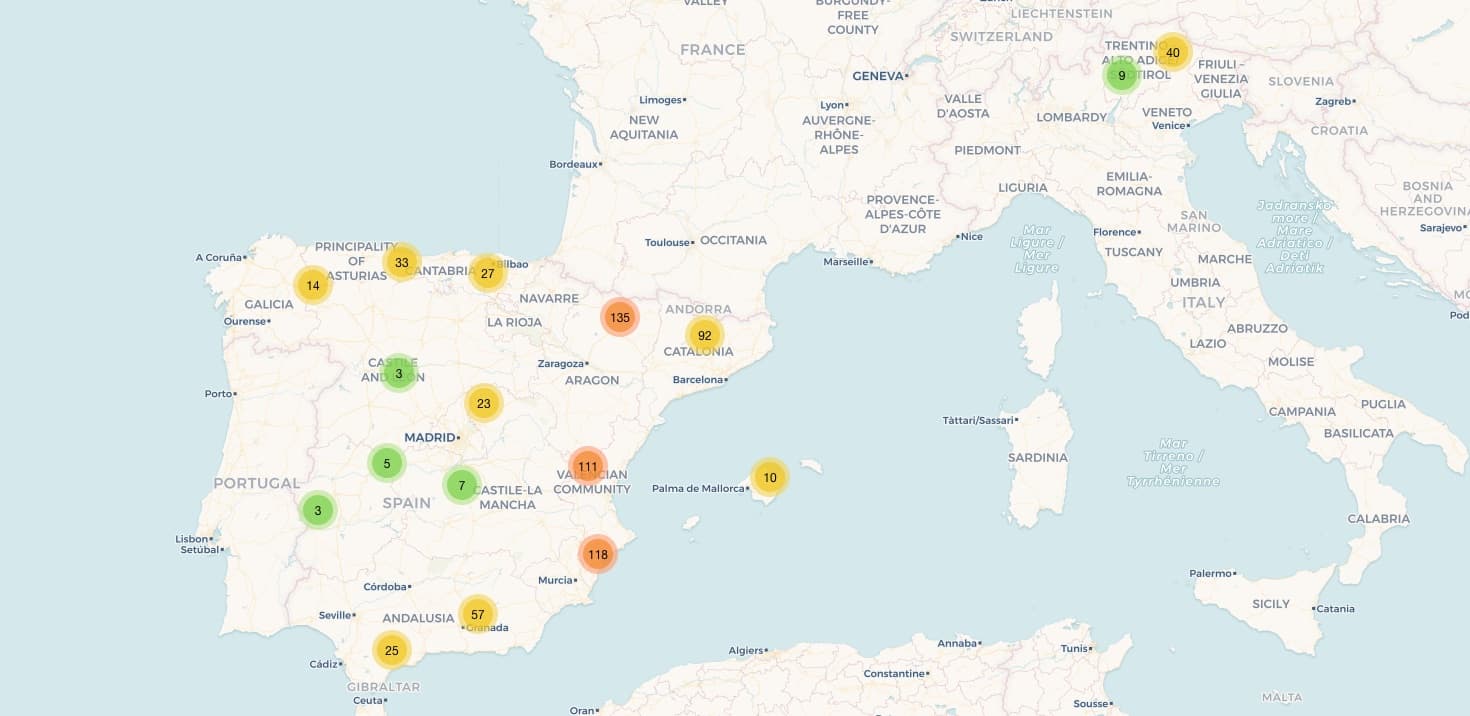
Your whole travel map in one place
Get inspired by new places around the world and find the ones worth the journey