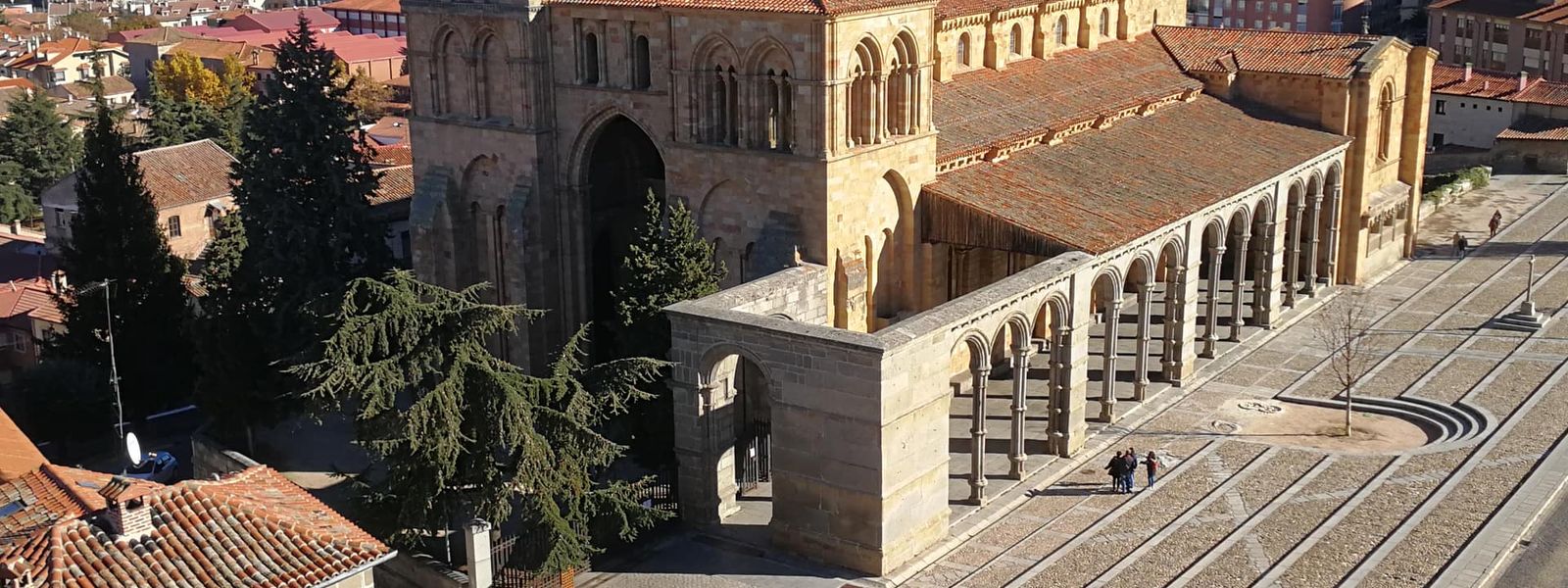
Avila is a historic walled city rising from the vast Castilian plateau like a single block of granite. The medieval walls protect a dense labyrinth of Gothic churches, Renaissance palaces, and austere monasteries. The city is closely associated with Saint Teresa of Avila, whose spiritual legacy shaped its identity. Cold winds, open skies, and massive stone forms define the surrounding landscape. In winter the frost covered walls create an almost otherworldly image of a city carved from living rock.
Avila
- Currency
- Euro (EUR, €). Credit and debit cards are widely accepted in cities and tourist areas. ATMs are abundant; most charge €2–7 per foreign card withdrawal. Some shops request ID before accepting a credit card. €500 banknotes are not accepted in most shops.
- Language
- Spanish (Castilian) is official and universally spoken. Catalan, Basque and Galician are co-official in their regions. English is common in cities and tourist areas but not reliable outside them.
- Power plug
- Europlug (Type C) and Schuko (Type F) sockets; 230 V, 50 Hz
- Visa
- Schengen area: EU, EEA and Swiss nationals enter on national ID card or passport. Many non-EU nationalities have 90-day visa-free access. Non-EEA citizens staying longer than 90 days require an advance visa.
- Time zone
- Europe/Madrid (UTC+01:00 winter time, UTC+02:00 summer time from last Sunday in March to last Sunday in October). Canary Islands are one hour behind mainland Spain.
- Tap water
- Safe to drink throughout Spain. In some southern regions it has high mineral content and may taste unfamiliar; locals often drink bottled water instead. Bottled water is inexpensive and widely available.
- Tipping
- Not mandatory or customary. In restaurants: not expected for simple meals or basic establishments; 5–10% in mid-range or upscale venues if service was exceptional. Always pay cash to the server, not on card. Taxi drivers and hotel staff may appreciate small tips in upscale settings but it is not expected.
- Emergency
- 112