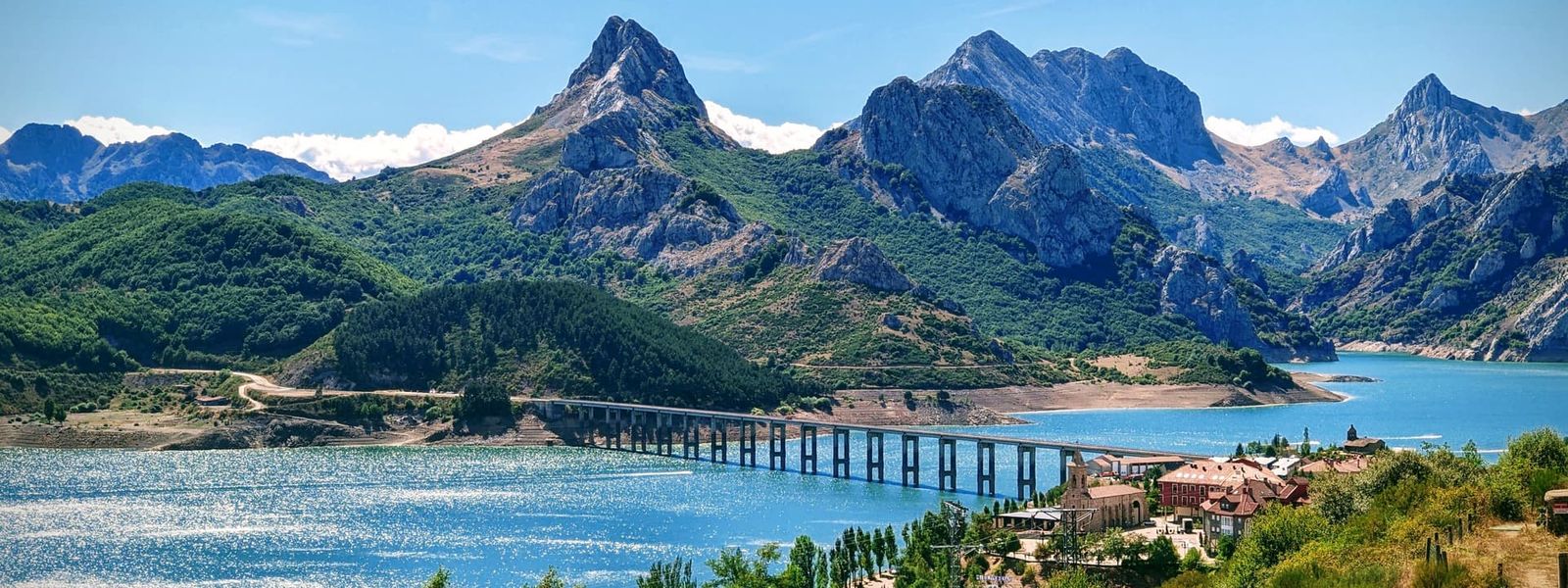
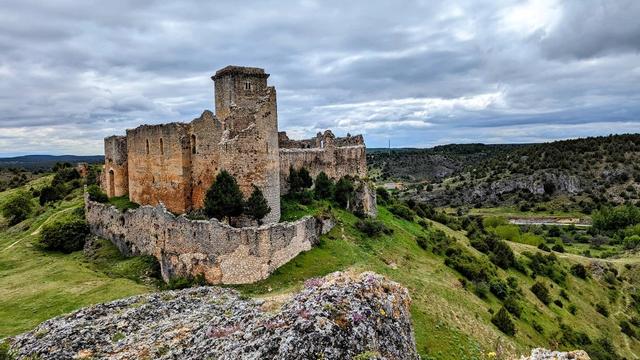
A region of central Spain covering an extensive plateau at 700–1000 metres altitude. Once a borderland during the Reconquista, it became a cultural and territorial heartland, repopulated with churches, castles, and noble buildings. Today it holds one of Europe's largest concentrations of medieval architecture and walled cities. The climate shifts sharply: winters are cold and long, summers short and hot. The region stretches from the Atlantic-facing west to the eastern border with Madrid, encompassing historic cities like Segovia, Salamanca, and Burgos, and the mining landscape of Las Médulas.
Castile and León
- Currency
- Euro (EUR)
- Language
- Spanish; English in tourist areas
- Power plug
- Type C/F, 230 V
- Visa
- Schengen
- Time zone
- UTC+1 / UTC+2 (CET/CEST)
- Tap water
- Safe; mineral taste in the south
- Tipping
- Not expected; 5–10% for great service
- Emergency
- 112
Things to do
All tours in Castile and León on GetYourGuide
Paid links: booking through them supports YowJourney.
When to go
Low season
Dec – Apr
Long, cold winters averaging 3–6°C in January. Fewer tourists and lower prices, but short daylight and some attractions closed.
High season
May – Jun
Warm, dry weather. Best time to visit with good conditions and manageable crowds.
High season
Jul – Aug
Hot, dry summers (19–22°C). Peak season; most attractions busy and prices higher.
Shoulder
Sep – Nov
Pleasant temperatures and thinner crowds after summer. Good for sightseeing and exploring.
How long to stay
Allow 7–10 days to move through the main cities and landscapes. Shorter visits of 3–4 days work well to focus on one or two cities such as Segovia and Salamanca. The region's size matches Belgium, so distances are not negligible; train and bus connections reduce the need for a car if you stick to the main towns.
Getting around
High-speed trains from Madrid fan out to all the main cities. Slower regional services link smaller towns. Buses (primarily Alsa) connect most destinations from Madrid. Train stations lie mostly within walking distance of city centres, though Segovia's high-speed station (Guiomar) sits 5 km south of the old town. A hire car is necessary for remote sights such as the mining landscape of Las Médulas and rural sites off the main lines.
What to see
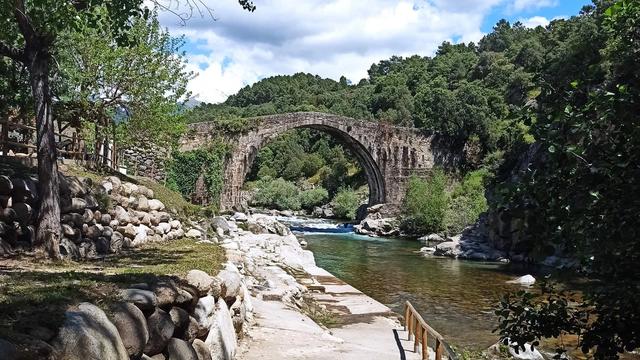
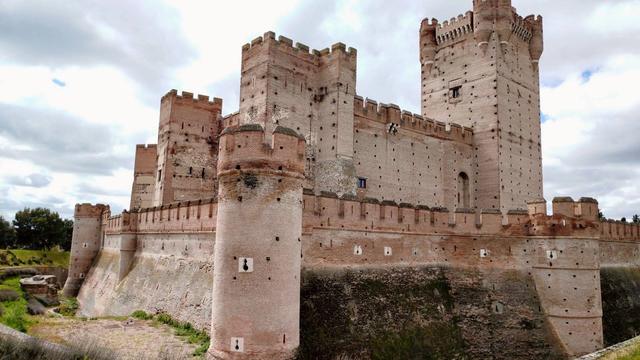
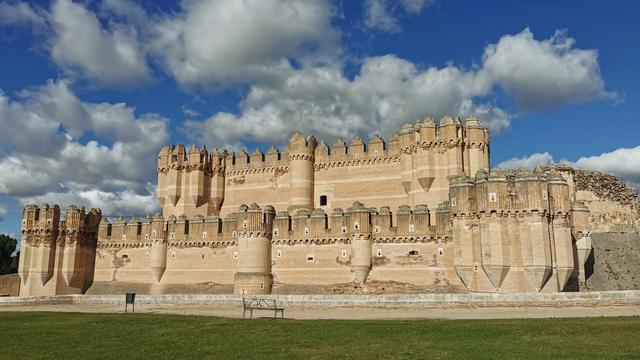
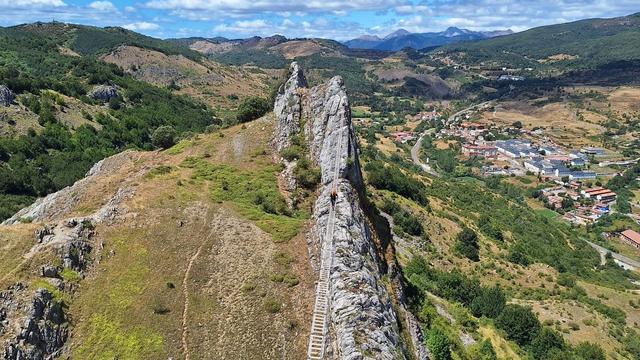
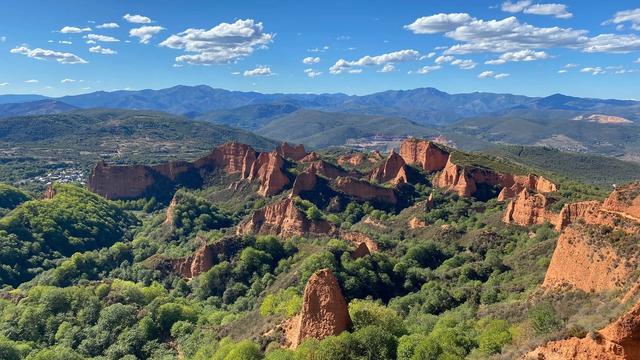
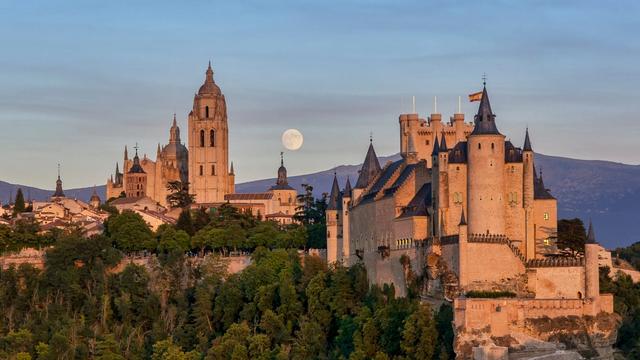
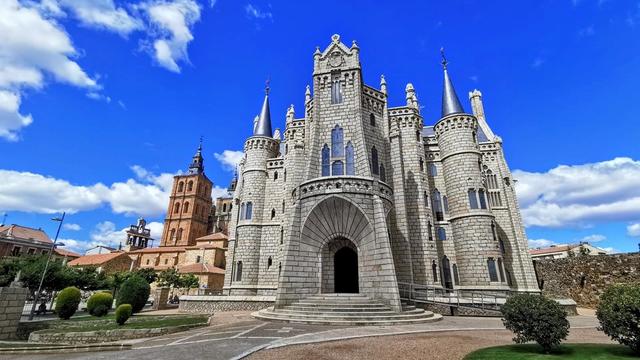
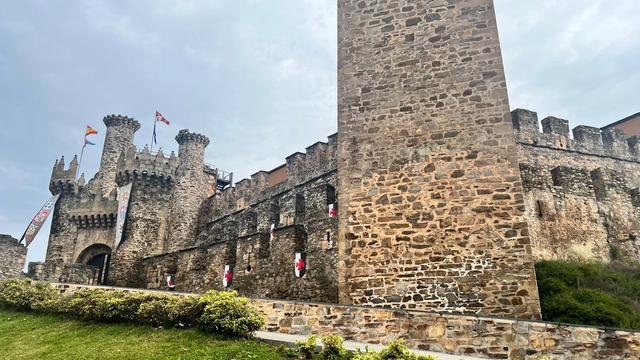
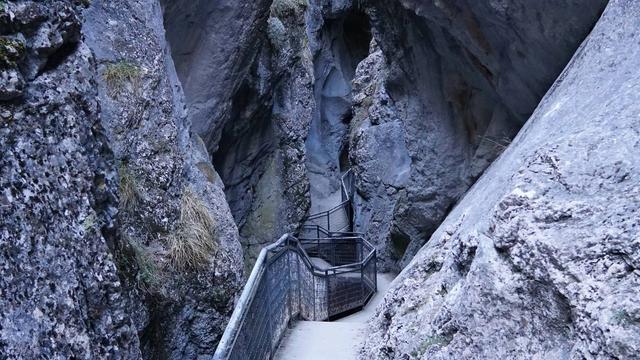
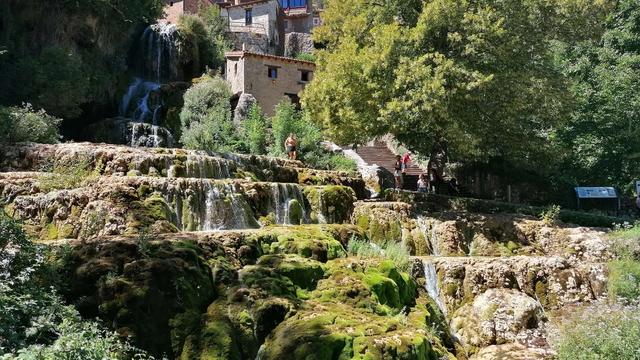
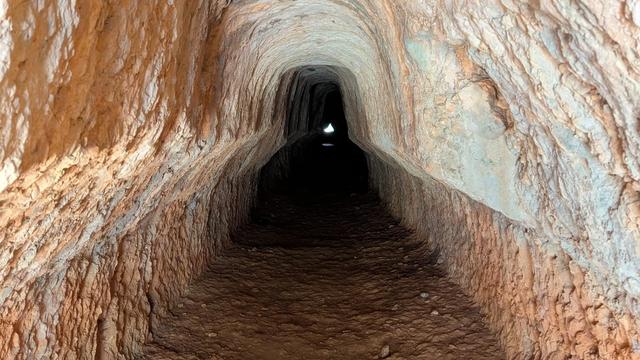
Destinations in Castile and León
Frequently asked questions
When is the best time to visit Castile and León?
May–June and September offer the best combination of weather and manageable crowds. Avoid July–August for smaller towns and rural sites. Winters (December–February) are long and cold, and many sites have reduced hours.What food is typical here?
Meat dominates, especially pork in all its forms. Vegetables are limited outside major cities. Restaurant hours are late—most do not open before 19:30, and service begins at 20:30 or later.Why is it called 'Castile and León'?
León and Castile were separate kingdoms in medieval times. Castile (east) reunited with León (northwest) in the 13th century during the Reconquista, creating the region as it stands today.Are there wine regions?
Yes. Castile and León has a dozen wine-growing regions with protected-denomination status (DOP). Most produce red wine from the Tempranillo grape.