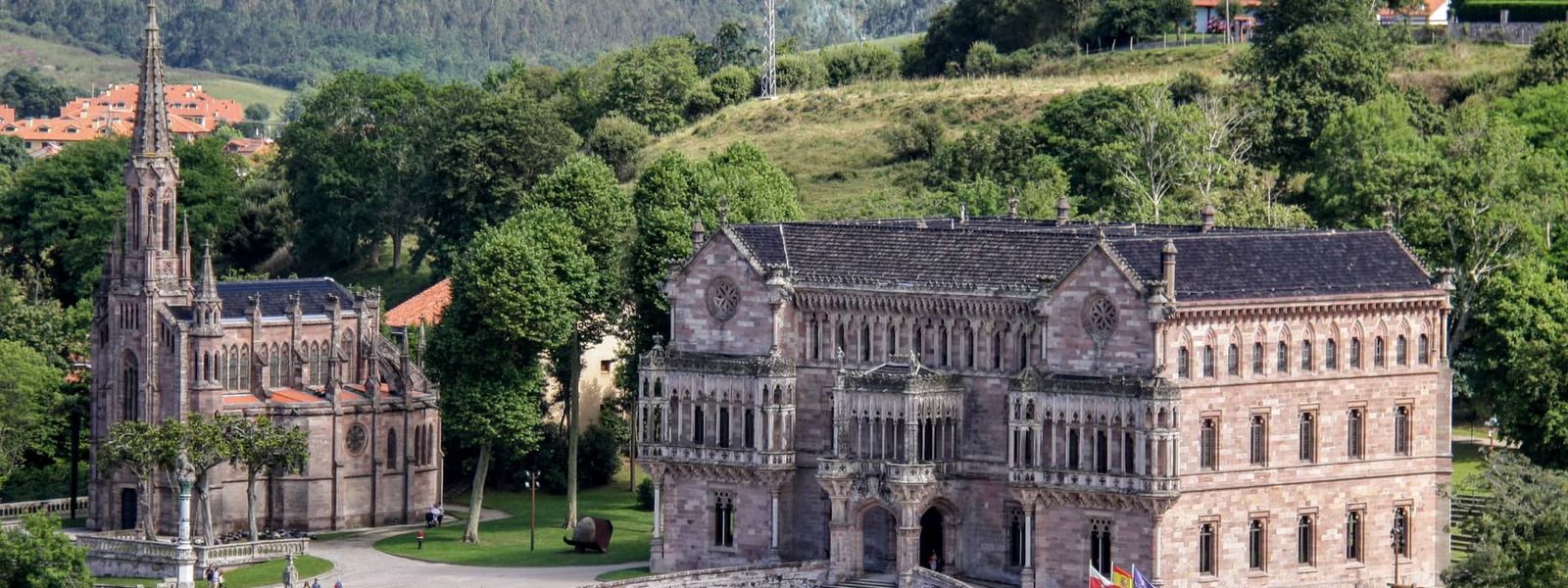
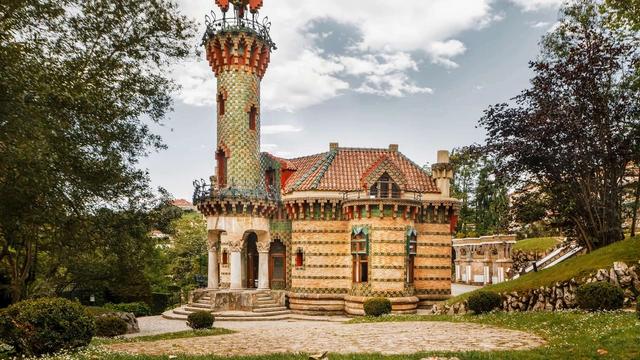
Cantabria occupies Spain's northern coast between the Basque Country and Asturias. The Cantabrian Mountains, which parallel the shore and catch Atlantic moisture, give it a cool, wet climate and verdant upland pastures suited to cattle. Steep-sided river valleys descend to the sea. Santander and other towns blend historic architecture — Gothic, Modernist, industrial heritage — with modern services. Paleolithic caves with prehistoric art, mountain villages, traditional cider houses (sidrerías), and domestic fishing ports define its appeal, especially for Spanish tourists escaping the crowded Mediterranean in summer.
Cantabria
- Currency
- Euro (EUR)
- Language
- Spanish; English in tourist areas
- Power plug
- Type C/F, 230 V
- Visa
- Schengen
- Time zone
- UTC+1 / UTC+2 (CET/CEST)
- Tap water
- Safe to drink
- Tipping
- Not expected; 5–10% for great service
- Emergency
- 112
Things to do
All tours in Cantabria on GetYourGuide
Paid links: booking through them supports YowJourney.
When to go
Low season
Jan – Mar
Cool and wet. Mountain passes may carry snow; some roads can close briefly.
Shoulder
Apr – May
Mild weather and green landscapes. Fewer tourists than summer.
High season
Jun – Aug
Warm and dry. Spanish domestic tourists flood the region; popular beaches and attractions are crowded.
Shoulder
Sep – Dec
Mild and increasingly wet. Fewer visitors; good for hiking and exploring without crowds.
How long to stay
3–5 days to explore the coast and main cities. Add 2–3 more to venture into the Cantabrian Mountains, visit cave sites, or stay in smaller villages.
Getting around
A rental car is strongly recommended for flexibility and access to remote mountain villages and cave sites. Main towns are connected by Alsa buses and Cercanías commuter trains running from Santander. Cycling is possible on coastal routes but southern hills are steep and often wet. Domestic flights via Santander Airport and year-round ferries from the UK link to other regions.
What to see
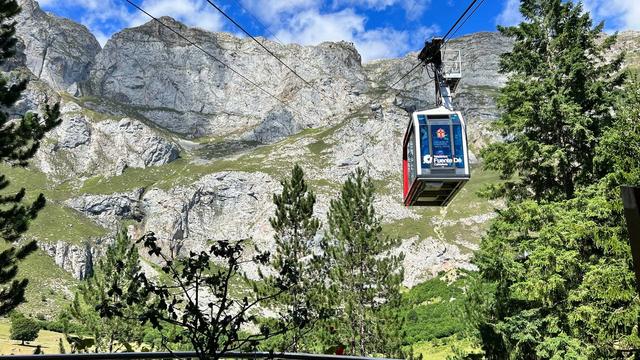
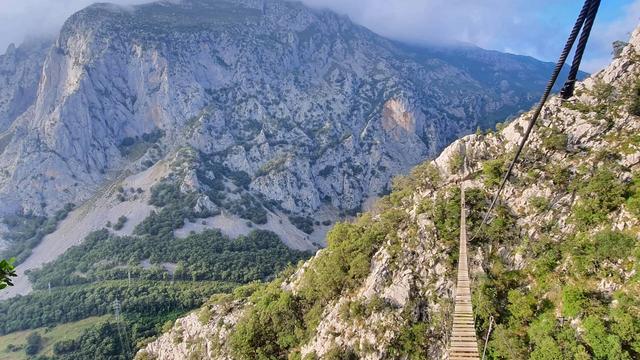
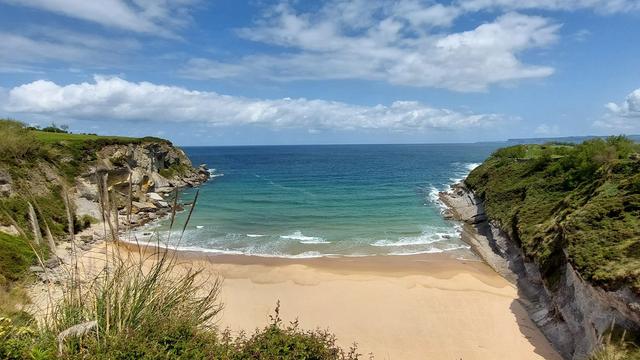
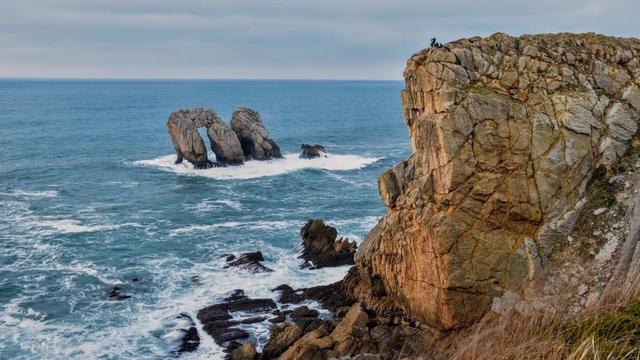
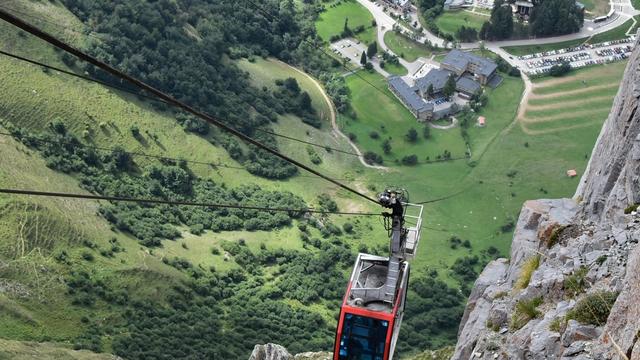
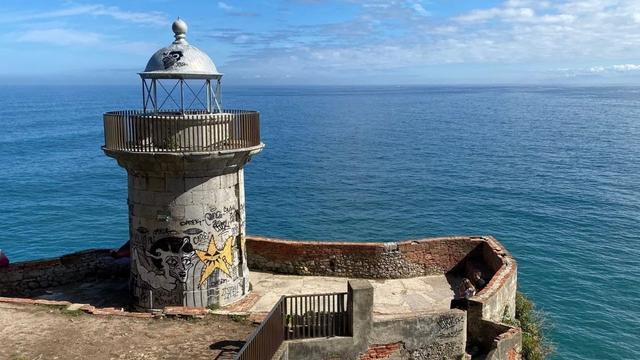
Destinations in Cantabria
Frequently asked questions
Is tap water safe to drink?
Yes. It comes from mountain sources and is not heavily chlorinated or otherwise treated.What should I eat here?
Local cuisine emphasises fish, meat stews, and all parts of the pig. Visit a sidrería — a restaurant specialising in cider pairings with traditional dishes — or try local cheeses and dairy-based desserts. Foreign cuisines are rare outside Santander.What are the main things to see?
City architecture spanning Gothic to Modernist styles in Santander and other towns; Paleolithic cave art sites; mountain villages and upland landscapes.Can I travel between regions by road?
Yes. The A-8 coastal motorway connects to the Basque Country (east) and Asturias (west). The A-6 heads south to Castile and León and Madrid.What if I don't want to rent a car?
Buses and commuter trains connect the main towns. However, most mountain sites, caves, and remote villages are inaccessible without a vehicle.