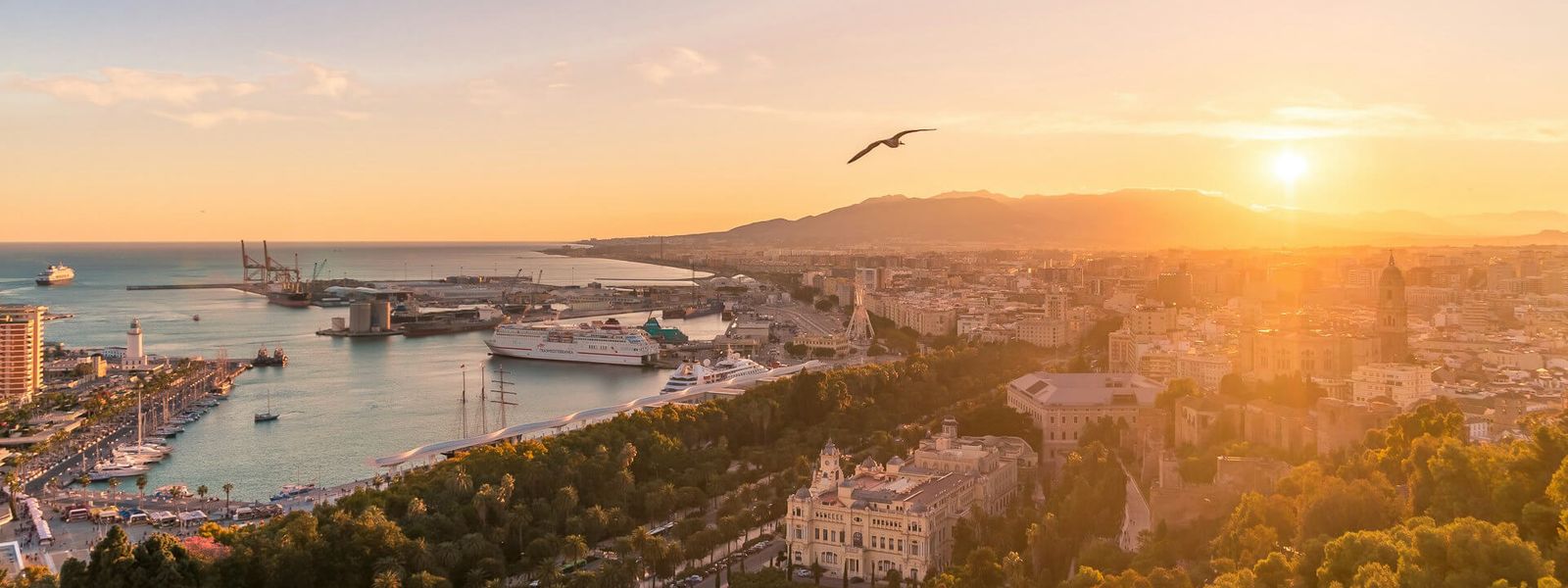
Spain occupies most of the Iberian Peninsula and includes the Balearic Islands in the Mediterranean and the Canary Islands in the Atlantic, plus the North African territories of Ceuta and Melilla. A country of striking geographic diversity—from lush northern regions to Mediterranean coasts, mountains to marshes and deserts in the south. Spain offers world-class museums and architecture in major cities, beach holidays along extensive coastlines, and mountain hiking and skiing. It is the largest country in Southern Europe and the fourth-most populous EU member state, home to the second-most UNESCO World Heritage Sites after Italy.
Spain
- Currency
- Euro (EUR)
- Language
- Spanish; English in tourist areas
- Power plug
- Type C/F, 230 V
- Visa
- Schengen
- Time zone
- UTC+1 / UTC+2 (CET/CEST)
- Tap water
- Safe; mineral taste in the south
- Tipping
- Not expected; 5–10% for great service
- Emergency
- 112
Things to do
All tours in Spain on GetYourGuide
Paid links: booking through them supports YowJourney.
When to go
High season
Jun – Aug
June to August: hot and very crowded, peak season across the country. Southern regions and inland areas exceed 30–35°C. Prices are at their highest. Ideal for beach holidays; mountain regions and the north offer cooler temperatures.
Shoulder
Sep – Oct
September to October: warm with moderate crowds; the sea remains swimable. Good for beach visits and city exploration. Prices drop from summer peaks.
Low season
Nov – Mar
November to March: cool, especially inland and in the north where rainfall is significant. Southern coasts and cities stay mild and often sunny. Fewer crowds and lower prices. Ski resorts in the Sierra Nevada get busy in winter.
Shoulder
Apr – May
April to May: spring weather, generally mild with occasional rain. Vegetation is lush and green. Moderate crowds; good for mixed city, countryside and heritage visits.
How long to stay
A full Spain tour takes 7–10 days, allowing time for one or two regions in depth plus a major city. Three to four days works for a single region such as Catalonia, Andalusia or the Basque Country. Two weeks allows a more relaxed pace across multiple regions and islands.
Getting around
Spain has the world's second-longest high-speed rail network. Renfe operates most services: Media Distancia for regional journeys, and AVE, Avlo, Iryo and Ouigo for long-distance routes. Long-distance tickets use dynamic pricing and must be booked in advance; prices vary like airline fares. Regional trains can be bought at stations or online the same day, at fixed prices. Buses connect most towns and are often cheaper than trains. Car hire is practical for regions off the main rail corridors; an international driving permit is recommended. Domestic flights serve the islands and distant regions. Book train tickets early for June to August; winter schedules may differ from summer and some services may run less frequently.
Local rules
Parking: street parking in cities is usually paid; check zone signs and park only in legal spaces. Off-road or wild camping is prohibited. Driving: the Guardia Civil patrol roads between cities; drink-driving is a serious offence and breath tests are routine. Speed limits and seat belt use are strictly enforced. Street conduct: drinking alcohol on the street is banned (though enforcement is minimal in nightlife districts). Police: thieves pose as police asking to inspect your wallet; show your ID only after the officer presents theirs. Banknotes: €500 notes are not accepted in most shops; use lower denominations. Smoking: banned in all enclosed public spaces, workplaces, public transport and outdoor sections of bars and restaurants.
What to see

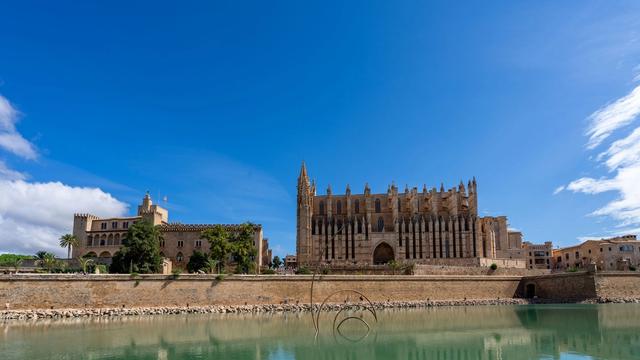
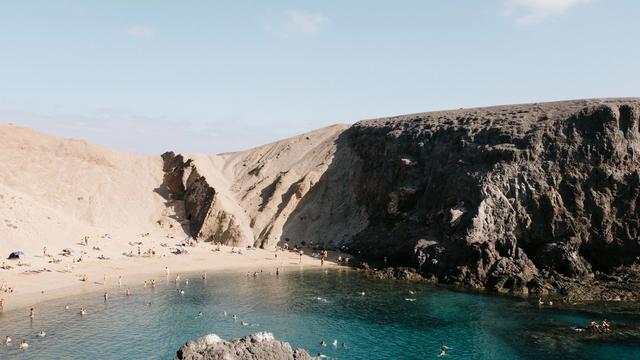
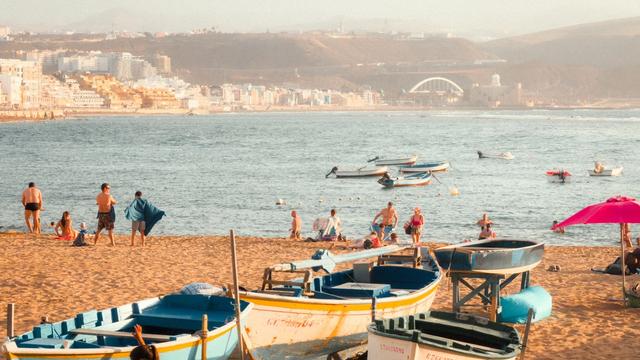
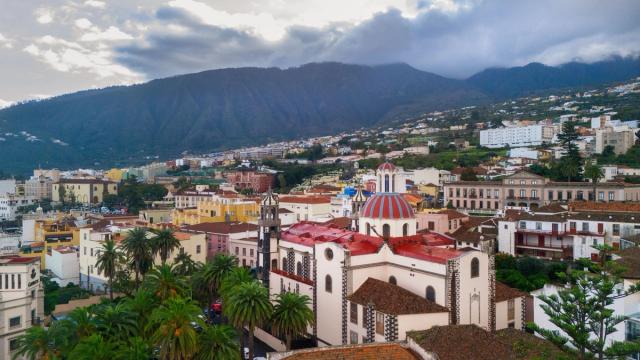
Destinations in Spain





Frequently asked questions
Do I need a visa to visit Spain?
EU, EEA and Swiss nationals enter with a national ID card or passport. Visitors from many non-EU countries can stay 90 days visa-free under Schengen rules. Stays longer than 90 days require an advance visa. Check Spain's official government website for your specific citizenship.What languages are spoken?
Spanish (Castilian) is the official language and universally spoken. Catalan is co-official in Catalonia and the Balearic Islands; Basque in the Basque Country; Galician in Galicia. English is common in major cities and tourist areas but not reliably in smaller towns. Learning basic Spanish phrases is helpful.Is tap water safe to drink?
Yes, tap water is safe throughout Spain. In some southern regions it has high mineral content and may taste unfamiliar, causing mild digestive upset if you are not used to it. Bottled water is inexpensive and widely available.What should I know about tipping?
Tipping is not mandatory or customary in Spain. In simple establishments or for casual meals, no tip is expected. In mid-range or upscale restaurants, 5–10% may be left if service was exceptional. Always hand cash to the server; do not add it to a card payment. Taxi drivers and hotel staff may appreciate small tips in upscale settings but it is not expected.What is the emergency number?
Call 112 toll-free for all emergencies (police, ambulance, fire).