The Canary Islands in winter: Tenerife, Gran Canaria or Lanzarote?
5 min read6 destinations
Canary Islands · Spain
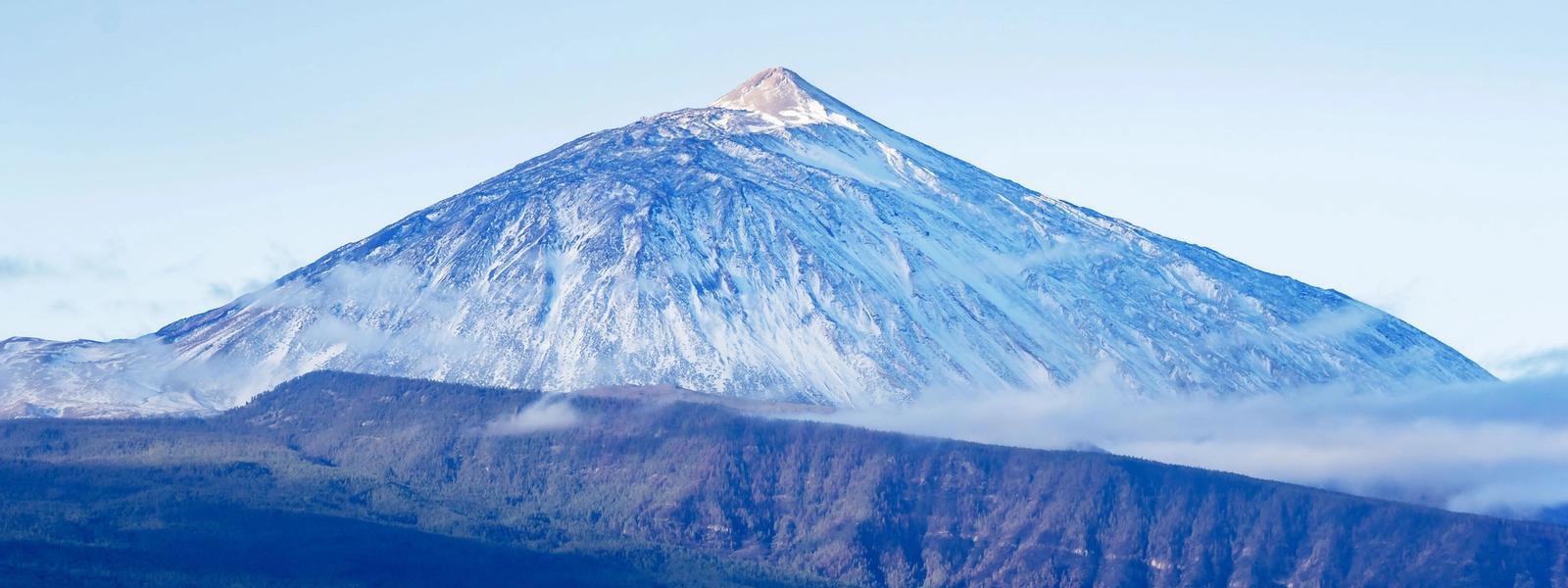
From November to March people head to the Canaries for winter sun, but the season looks different on Tenerife, Gran Canaria and Lanzarote. On the Gran Canaria coast, daytime highs sit around 20–23 °C and nights by the sea don't drop below 10 °C. Tenerife stays mild at sea level, with the south coast warmer and drier than the north, while snow falls on Teide. What little rain Lanzarote gets falls mostly between December and February, and in February and March wild flowers come up across the parched ground.
Below are two places on each island worth seeing in winter, and a few pointers on how to choose.
Tenerife: snow on the volcano, rain in the north
Tenerife is the largest of the three, with lush forest in the north and desert-like country in the south. In winter the north takes most of the rain, so the south is the better base for beach days.
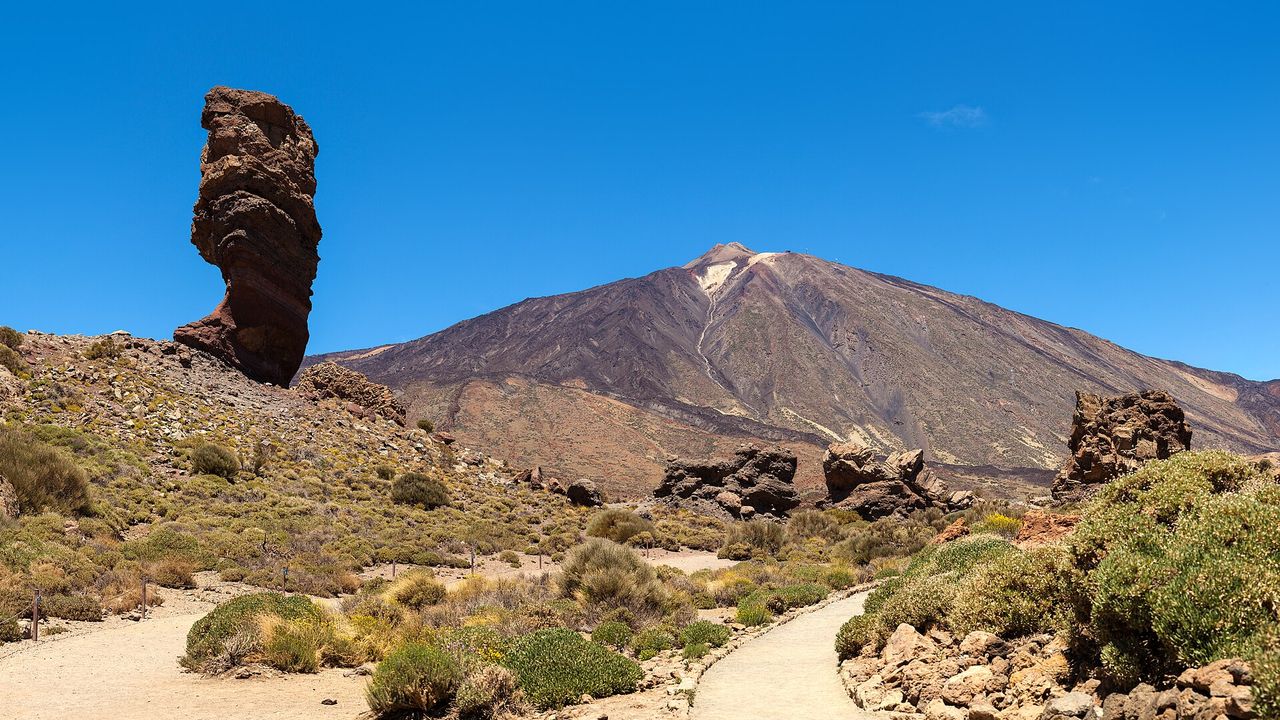
Teide National Park
Spain's highest mountain stands at the centre of the park, surrounded by lava fields in rust, ochre and black. In winter the summit can be white with snow, which may change your plans. After snow or frost, the paths around the upper cable-car station can be closed, and the final stretch to the summit needs a free permit, plus crampons and poles in winter. If you're happy to see the park from the road and its viewpoints, winter is no obstacle. Either way, bring warm layers, as it's much colder up here than on the coast. Take water with you too, as there's none nearby.
Anaga Rural Park
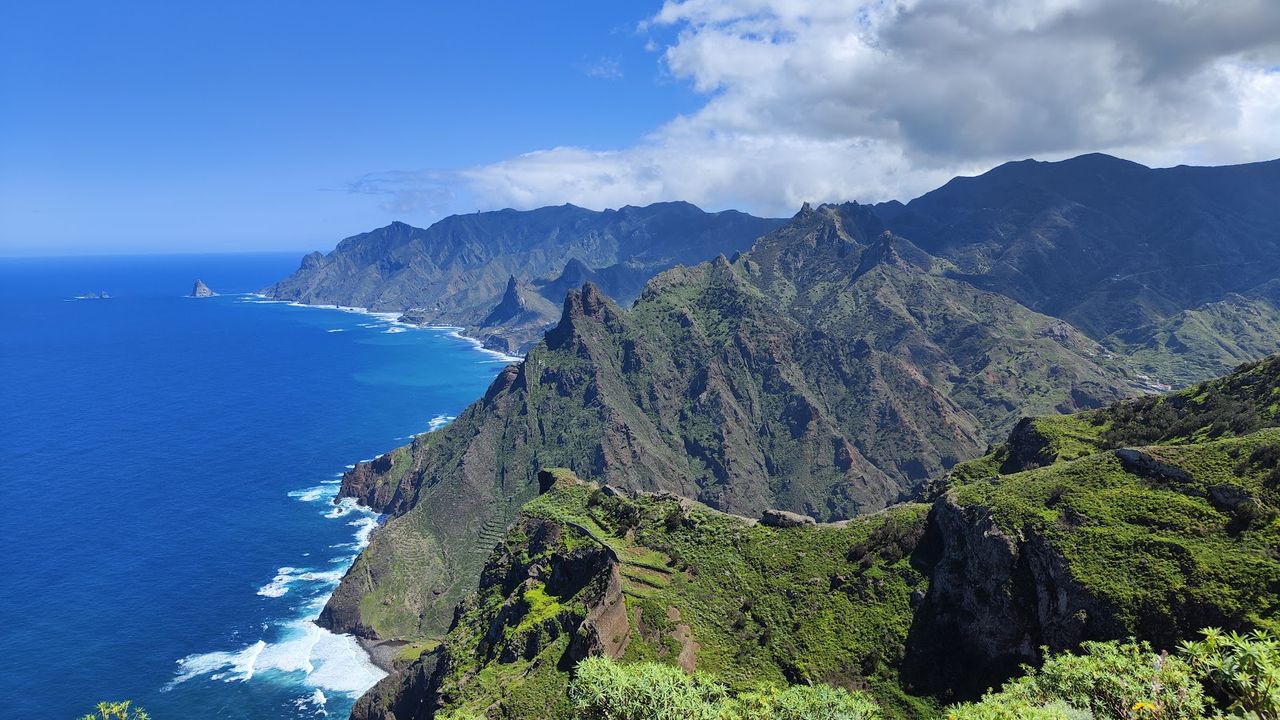
In winter Anaga shows Tenerife's green north at its wettest. Mist drifts between the laurel trees at Cruz del Carmen, the air is damp and cool, and the coast feels a long way off. Anaga is the oldest part of the island and a UNESCO Biosphere Reserve. Waymarked trails head into the forest straight from the visitor area at Cruz del Carmen. Choose a dry day, because after rain the steps and steep sections get slippery. Pack layers and rain gear, and arrive early, as the car park is full by mid-morning.
Gran Canaria: a warm south and cold summits
Gran Canaria is almost round and about 50 km across, so wherever you stay, most of the island is within reach for a day trip. The south is warmer and sunnier, and it's where the resorts are. The north is cooler and home to Las Palmas de Gran Canaria, the largest city in the Canary Islands. Buses run all over the island, but for the mountains a hire car is more practical.
Maspalomas Dunes
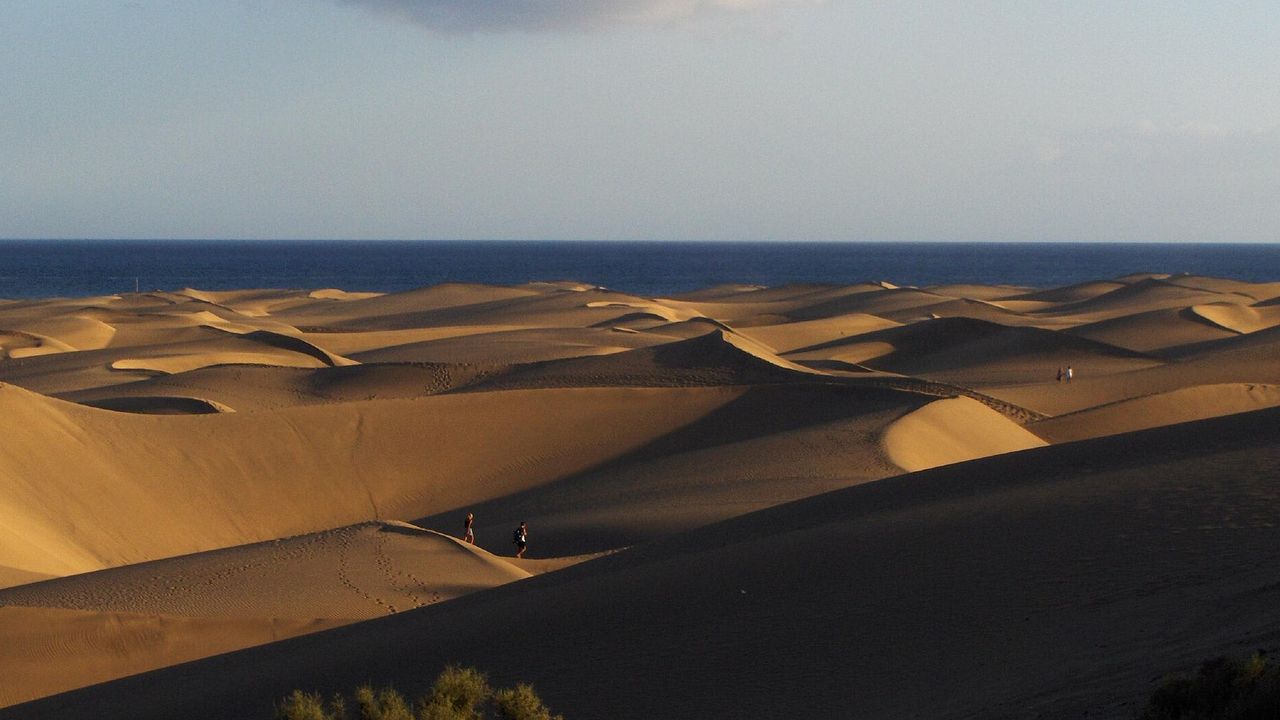
On the south coast, golden ridges of sand run down to the beach, with a saltwater lagoon and a palm grove at the edge of the reserve. The wind keeps moving the crests, so the shapes are never quite the same twice. There's no shade at all, so go early in the morning or late in the afternoon. The low sun picks out every ripple, and at sunset the whole dune field changes colour. Soft sand makes the walk harder than it looks, so bring your own water. Wear shoes that slip off easily, because they soon fill with sand.
Nublo Rural Park
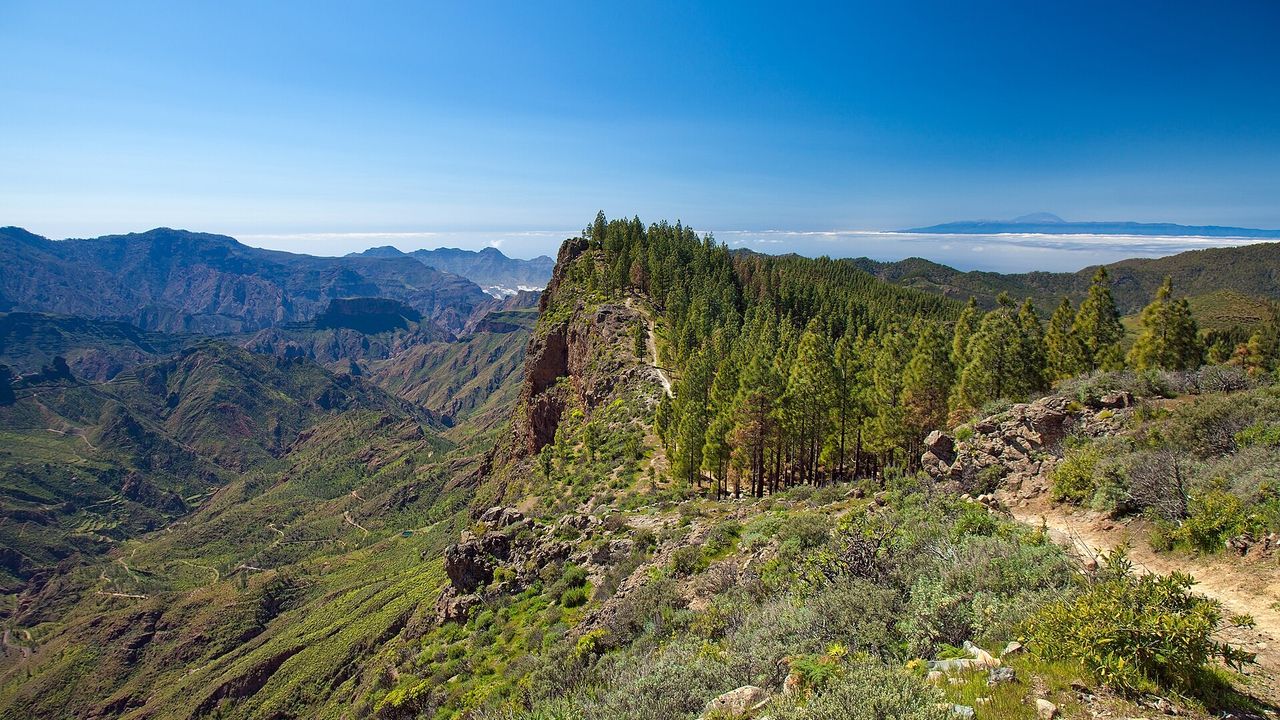
Up in the mountains the weather is another story. The summits are colder and windier than the coast, and in winter they can get frost or even snow, so bring a warm layer. In late winter the almond trees of the Tejeda basin come into flower. From the rim of the Caldera de Tejeda the land drops away in cliffs and gorges, with Roque Nublo and Roque Bentayga standing out above them. On a clear day you can see Teide across the sea on Tenerife. Use the marked car parks: if you leave the car by the roadside, you risk a fine or being towed.
Things to do in Canary Islands
Paid links: booking through them supports YowJourney.
Lanzarote: lava and little rain
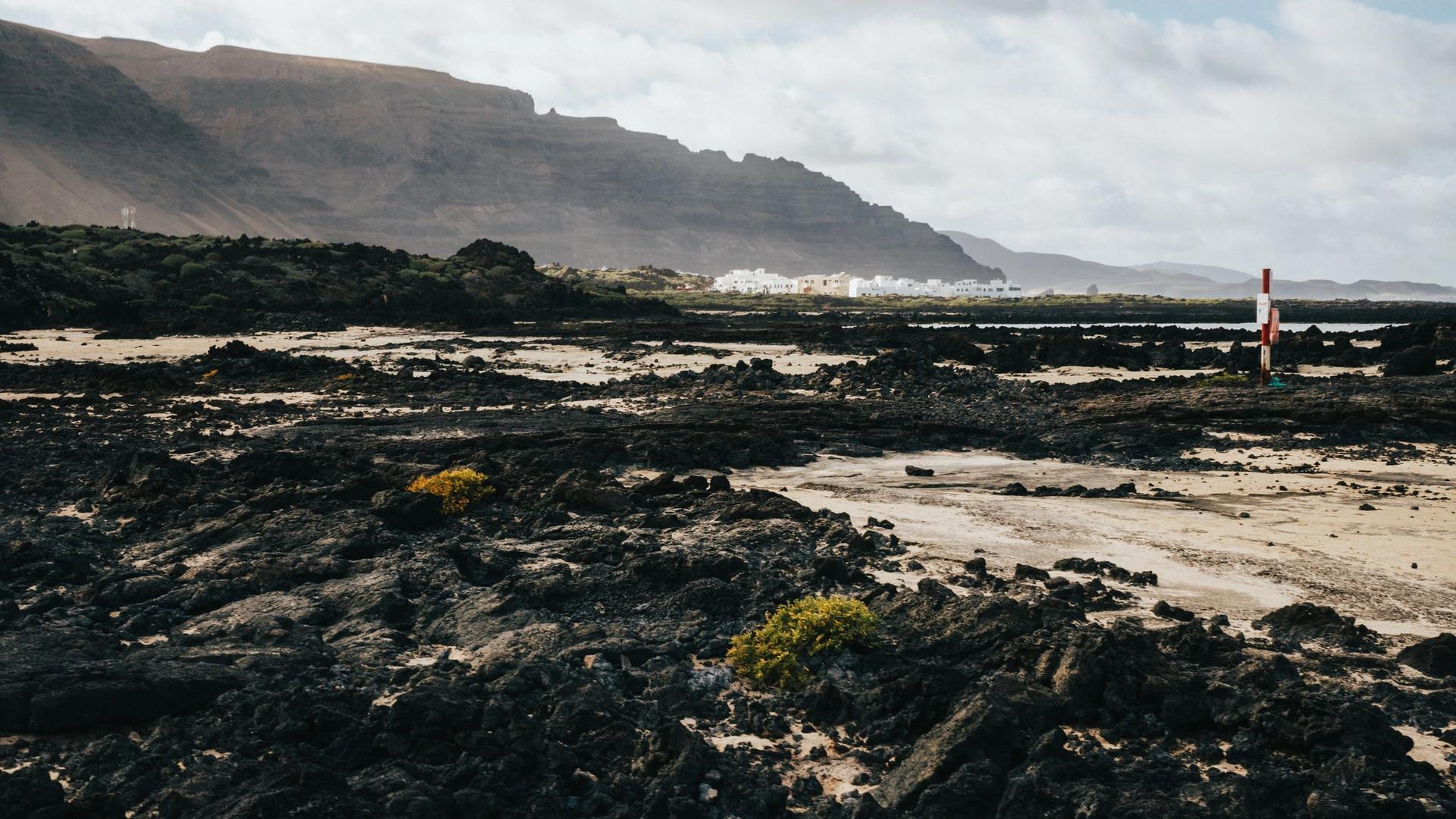
Lanzarote takes about 40 minutes to drive from end to end, so one base covers the whole island, and four or five days with a car is enough to see the main sights. The eruptions of 1730–1736 buried a quarter of the island under lava, and that ground is now Timanfaya National Park.
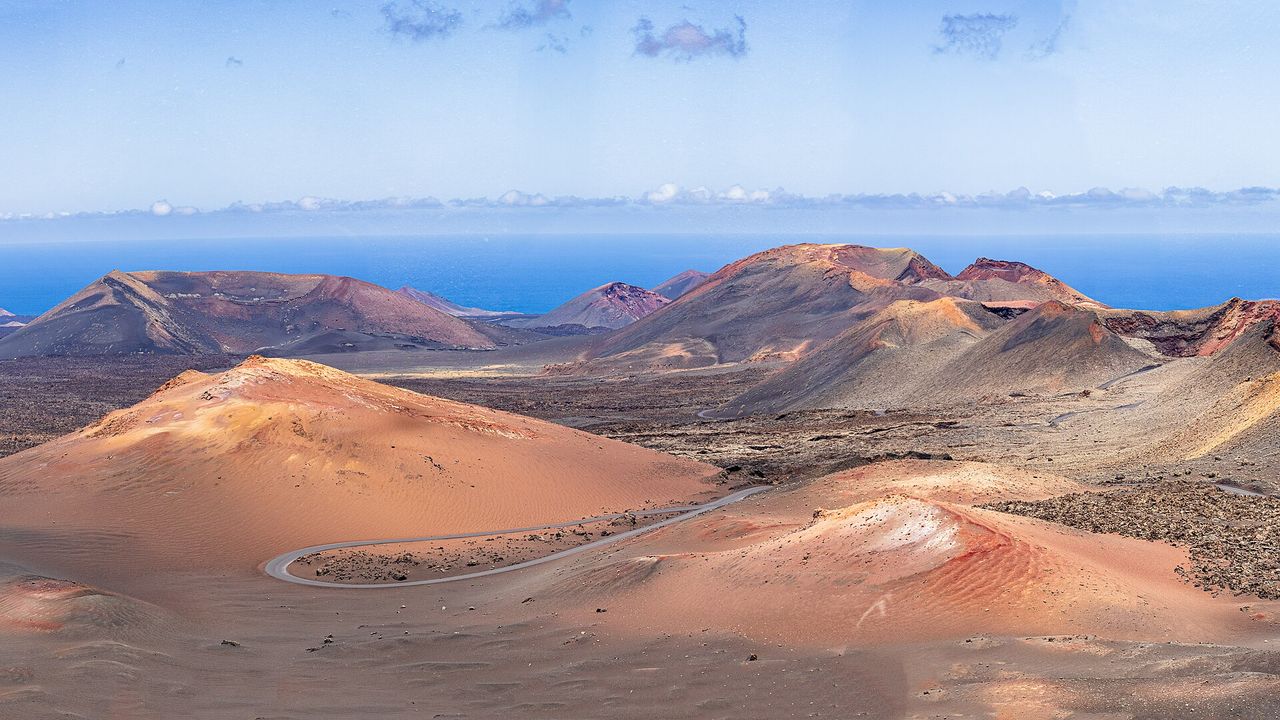
Timanfaya National Park
Thirteen metres below the surface, the rock here is still between 100 and 600 °C. At the main building on the Islote de Hilario, where the park coach starts, water poured into a hole in the ground shoots straight back up as steam. Most visitors see the lava fields from that coach. The road is closed to all other traffic, and the coach winds for about 35 minutes past craters and steep drops. No public bus comes here, so you'll need a car or a tour. Arrive early, as cars can queue between the gate and the car park.
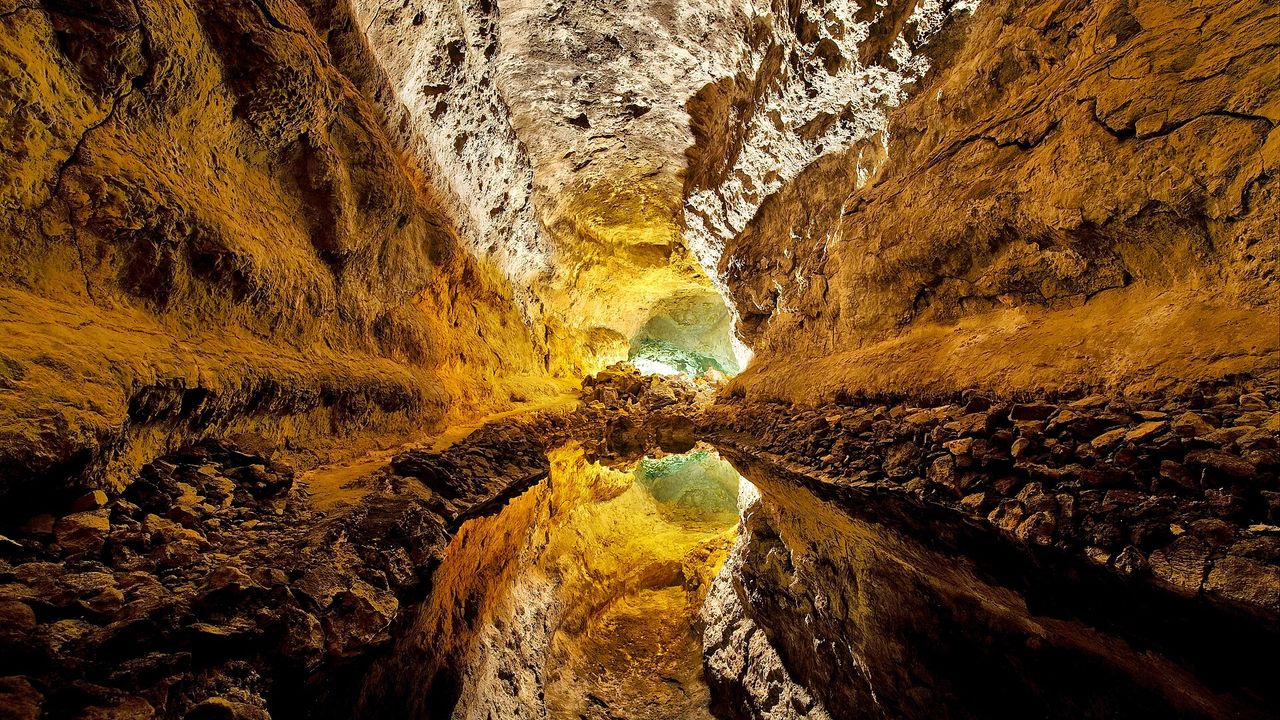
Cueva de los Verdes
Cueva de los Verdes is the place for a grey or windy day, when the beach has little to offer. This lava tube in the north of the island keeps the same temperature whatever the weather is doing outside. The guided visit takes an hour to an hour and a half and leads through narrow passages and wider chambers lit with coloured lights. Tickets are sold online for a set entry time; aim to be there 15 minutes early. There's no café on site, so bring water. Some passages are tight and low, which is hard going if you're claustrophobic. The cave isn't suitable for wheelchairs or pushchairs.
How to choose
Pick Tenerife if you want a beach and a volcano with a chance of snow on the same trip, and stay in the south, which is the warmer side in winter. Pick Gran Canaria if you'd like resorts and a real city on one island, with the mountains as a day out. Pick Lanzarote if lava fields and lava caves appeal more than mountain walks, and you'd rather keep the driving short.