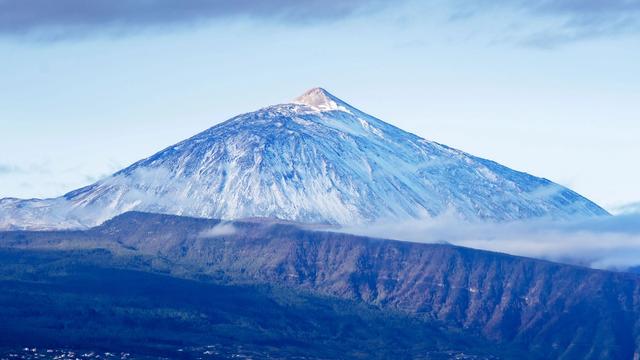
Teide National Park is a protected volcanic landscape on Tenerife, in the Canary Islands, within the municipality of La Orotava. It was declared a national park on 22 January 1954 and a UNESCO World Heritage Site on 28 June 2007. Its 189.9 km² centre on Teide, at 3,718 m the highest mountain in Spain, and take in Pico Viejo (3,135 m) and the Las Cañadas caldera. With more than 4.4 million visitors in 2023, it is the most visited national park in Spain.
Teide National Park
Local name: Parque Nacional del Teide
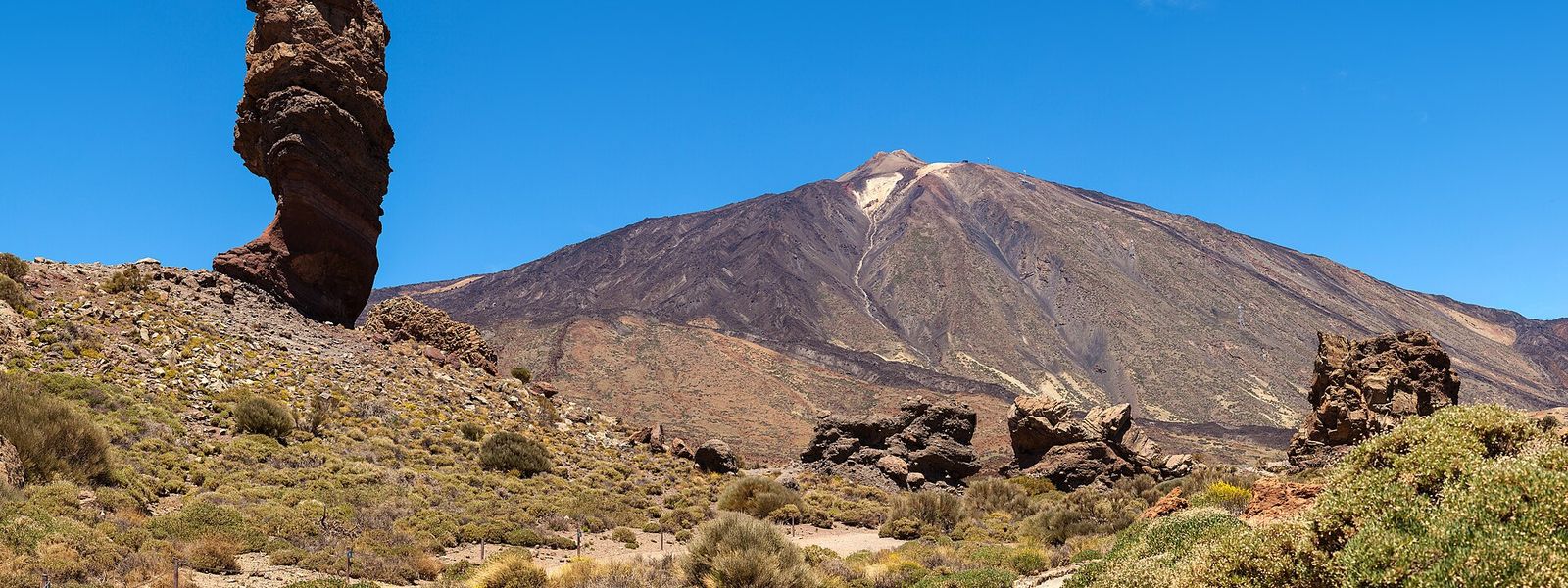
UNESCO-listed volcanic park around Teide, Spain's highest mountain at 3,718 m, with lava fields and the Las Cañadas caldera.
- Entrance
- The permit for the final walk to the summit of Teide is free and must be booked in advance.
- Accessibility
- Wheelchair-accessible parking and entrance. The final walk to the summit is a mountain path on foot.
- Parking
- Free car parks, one of them paved, and free roadside parking; paid parking also exists.
- Difficulty
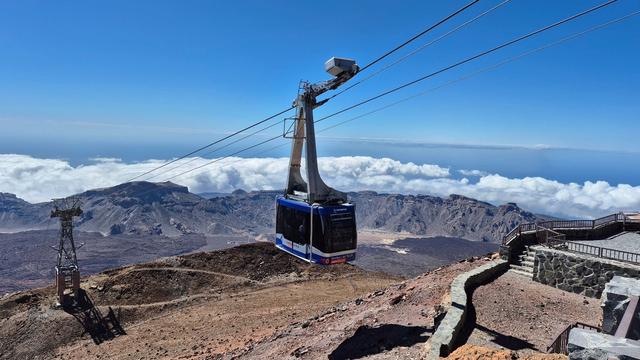
- Much of the park is seen from the road and its viewpoints with no walking at all. The summit is harder: the cable car takes you up, and the final walk to the 3,718 m peak is on foot in thin, cold air.
- Transport
- Bus stop Teleférico del Teide, at the cable car; morning and afternoon coach trips run through the park from tourist towns in the south of Tenerife.
- Advance booking
- Book cable car tickets in advance, as they often sell out. The free permit for the final walk to the summit must also be reserved ahead.
- Hours
- Tuesday to Sunday, 9:00–14:00 and 15:30–18:00; closed on Monday.
- Address
- 38300 La Orotava, Santa Cruz de Tenerife, Spain
What makes it special
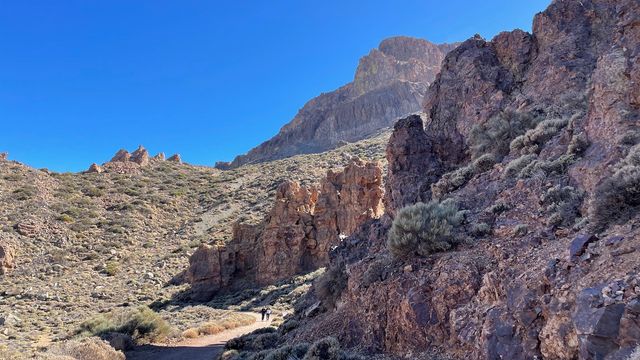
The ground looks like another planet: lava fields in rust, ochre and black, cinder slopes and bare rock running up to the cone of Teide. The likeness is close enough for science. In 2010 a research team tested the Raman instrument for the ESA–NASA ExoMars mission at Las Cañadas, and in 2017 ESA trialled planetary rovers at Las Minas de San José.
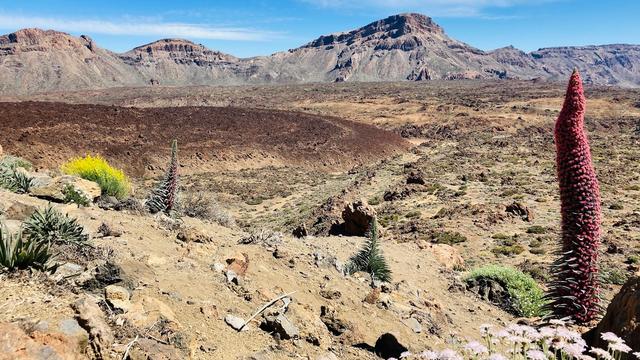
Life holds on up here all the same. In May and June the Teide bugloss throws up spires of red flowers up to 3 m tall, higher than a person, and the Teide violet grows right to the summit, the highest flowering plant in Spain. Of the park's 168 plant species, 33 grow only on Tenerife.
Measured from the ocean floor, Teide rises some 7,500 m. The Guanches worshipped here and called the mountain Echeyde, the gate to hell. On a ridge to the east stand the telescopes of the Teide Observatory (Observatorio del Teide).
Good to know
- Cold at the top: even in summer it is much colder up high than on the coast, and the summit can be snowy. Bring warm layers.
- No signal: mobile coverage drops out at altitude. There is free Wi-Fi by the information booth.
- Water and toilets: there is no drinking water nearby, so fill up before you come. The nearest toilets charge a fee.
- Sun: the open lava has no shade and the sun is strong at this height. Bring a hat and sunscreen.
Getting there
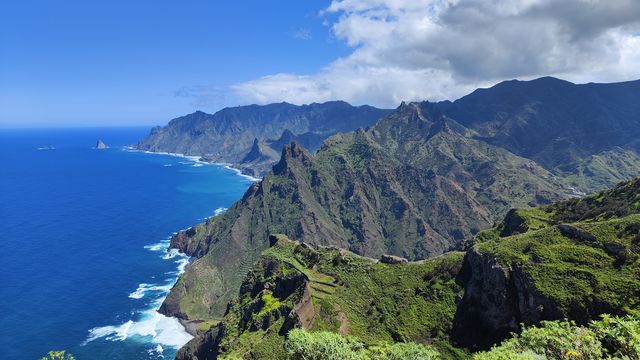
Most visitors drive up. The roads climb from the coast through forests of Canary Island pine and then come out onto bare lava, and the park is seen largely from the road and its viewpoints, with stops for photos along the way. The drive across from the Anaga forest in the north-east passes through completely different landscapes in a few hours, and the winding roads draw motorcyclists and the professional cycling teams that train here at altitude.
Without a car, morning and afternoon coach trips run through the park from selected tourist towns in the south of Tenerife, and a bus stop, Teleférico del Teide, serves the cable car. There is free parking, including a paved car park, alongside paid parking. For the summit, the cable car takes you up and the final walk to the peak is on foot.
Best time to visit
Best: May and June, when the Teide bugloss is in flower, and early or late in the day, when low light brings out the colours of the lava.
Avoid: midday in high summer out on the open lava, and winter days after snow if you plan to go high.
The park is sunny and dry for most of the year and most summer days are completely clear, so the season decides the flowers and the cold more than the weather.
Access & restrictions
Teide National Park is protected land: a national park, a UNESCO World Heritage Site and a Natura 2000 site. The final walk to the summit of Teide requires a free permit, booked in advance. Elsewhere in the park, keep to the roads and marked paths, and leave rocks, plants and animals where you find them: 33 of the plant species here grow only on Tenerife, and many of the invertebrates live nowhere but the park.
Sun & daylight
Nearby Places


Similar Places

Featured in our guides
Teide National Park on the map
Near the summit the air is thin and cold, and snow and ice can lie on the ground. Climb slowly, turn back if you feel dizzy or short of breath, and carry warm layers and water.
Get directions

Your whole travel map in one place
Get inspired by new places around the world and find the ones worth the journey
Frequently asked questions
How cold is it at the top of Teide?
Much colder than the coast, even in summer, and the summit can be snowy. The Teide Observatory at 2,371 m averages 10.2 °C across the year, and the peak is well over 1,000 m higher. Bring warm clothes.Can I visit Teide National Park without a car?
Yes. Morning and afternoon coach trips run through the park from selected tourist towns in the south of Tenerife, and a bus stop, Teleférico del Teide, serves the cable car.When does the Teide bugloss flower?
In May and June. The plant throws up red flower spires up to 3 m tall, and the rest of the park's high-altitude plants flower in the same weeks.Is there mobile signal in the park?
Coverage drops out at altitude. There is free Wi-Fi by the information booth.Are there toilets and drinking water?
The nearest toilets charge a fee. There is no drinking water nearby, so fill up before you come.