Teno Rural Park covers about 80 km² of the Teno massif, one of the three volcanic formations that built Tenerife, in the island's north-west between Buenavista del Norte, Los Silos, El Tanque and Santiago del Teide. Protected as a rural park since 1994, the massif formed over the last 5 to 7 million years; it is cut by deep ravines and ends in the sea cliffs of Los Gigantes. Laurel forest covers Monte del Agua and Laderas del Baracán, and villages such as Masca and Teno Alto keep the island's old farming traditions.
Teno Rural Park
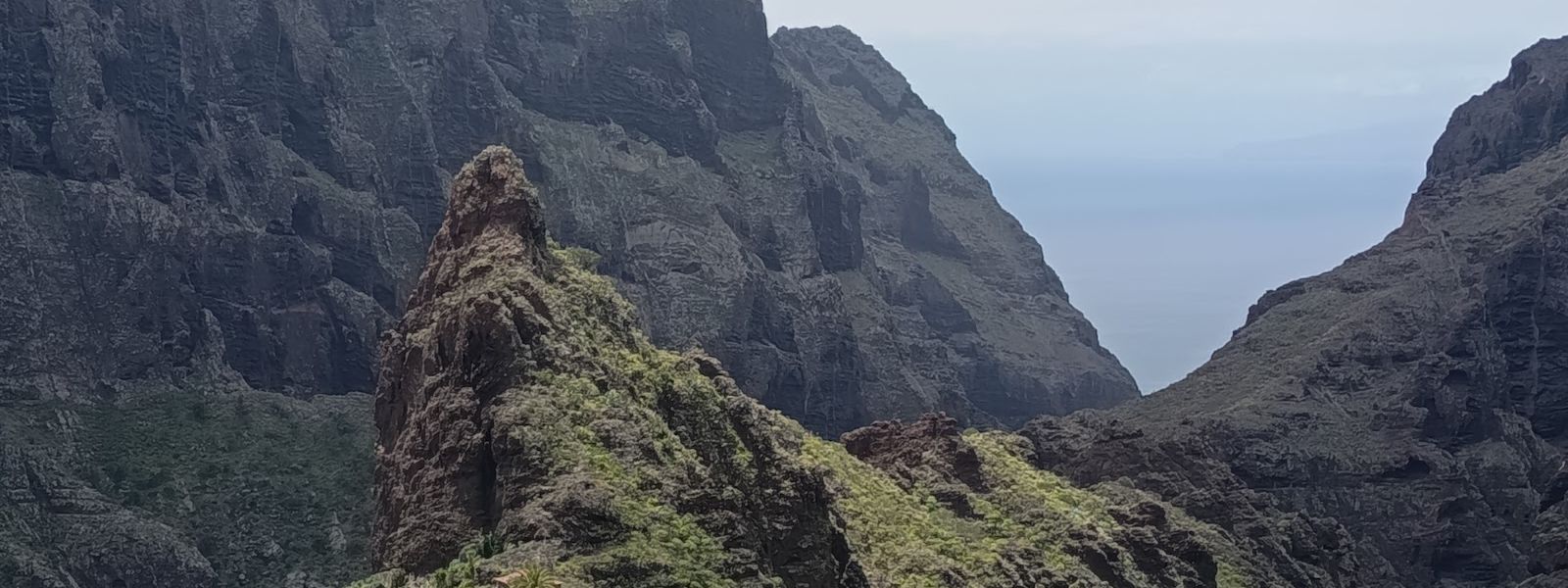
Protected volcanic massif of deep ravines, laurel forest and sea cliffs in the far north-west of Tenerife
- Entrance
- Free; there is no ticket to enter the park.
- Accessibility
- The views can be reached by road, with viewpoints along the way; the hiking trails cross ravine country on foot.
- Parking
- Two free car parks about 1 km away, both for customers only.
- Difficulty
- None at the roadside viewpoints; on foot, hiking on the waymarked PR-TF 51 and PR-TF 56 trails through ravine country.
- Transport
- Bus stop El Turrón, about 1.5 km away.
- Hours
- Open at all hours.
- Address
- 38489 Buenavista del Norte, Santa Cruz de Tenerife, Spain
What makes it special
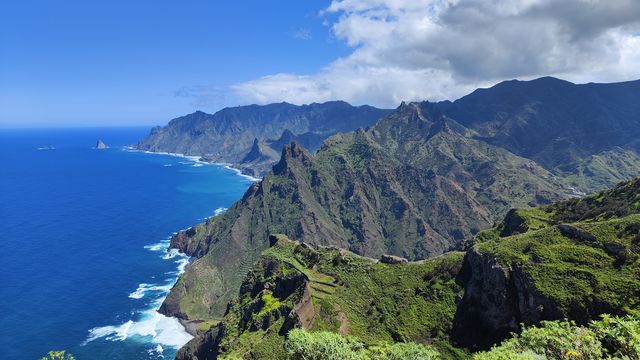
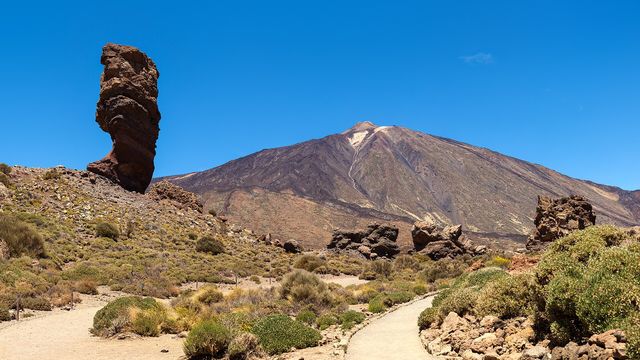
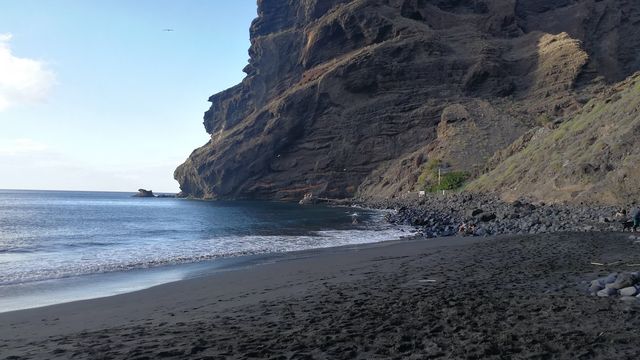
On a clear day the roads over the massif give you Teide on one side and the Atlantic on the other, with the ground falling away in deep ravines towards the water. At the coast the massif ends abruptly at Los Gigantes, a line of high cliffs that drop straight into the sea.
Higher up, the slopes of Monte del Agua and Laderas del Baracán hold laurel forest of the old Macaronesian kind, home to large colonies of pigeons that the European Union protects here. Ospreys, hawks, kestrels and Barbary falcons are commonly seen. Between the ravines sit Masca, Teno Alto, Los Carrizales, El Palmar, Las Portelas and Las Lagunetas, villages where Canarian farming carries on the old way, along with stone ruins left by the Guanches, the island's first inhabitants. At the far tip, Punta de Teno is the westernmost point of Tenerife and known for its marine life and diving.
Good to know
- There are no toilets and no drinking water near the park's trail signposts — fill up and plan stops before you set out.
- Fog settles over the massif on some days and hides both Teide and the sea; check the sky before driving up.
- The waymarked trails PR-TF 51 and PR-TF 56 are signposted inside the park.
- The two nearest car parks are for customers only.
Getting there
Roads cross the massif and link its viewpoints, so a drive through is enough to see Teide and the coast from above. The nearest bus stop is El Turrón, about 1.5 km away. The two nearest car parks sit about 1 km away and are for customers only.
On foot, the waymarked trails PR-TF 51 and PR-TF 56 are signposted within the park, and walking routes lead on to remote beaches, peaks and villages around Buenavista del Norte.
Best time to visit
Best: a clear day, when Teide and the Atlantic both show from the viewpoints.
Avoid: days when fog sits over the massif.
The views are the reason to come, and cloud on the high ground, where the laurel forest grows, takes them away.
Sun & daylight
Nearby Places

Similar Places

Teno Rural Park on the map
Trails here run along deep ravines and cliffs with unfenced drops and loose rock, and fog can close in fast. Stay on the waymarked paths and turn back if the cloud comes down.
Get directions
Your whole travel map in one place
Get inspired by new places around the world and find the ones worth the journey
Frequently asked questions
Can you see Teide from Teno Rural Park?
Yes, on clear days Teide and the sea are both in view from the roads and viewpoints. Fog on the massif can hide them.Are there hiking trails in Teno Rural Park?
Yes. The waymarked trails PR-TF 51 and PR-TF 56 are signposted inside the park, and walking routes reach remote beaches, peaks and villages around Buenavista del Norte.Can you get to Teno Rural Park by bus?
The nearest bus stop is El Turrón, about 1.5 km away.Are there toilets or drinking water in the park?
There are none near the park's trail signposts, so bring water with you.What wildlife lives in Teno Rural Park?
The laurel forest holds large colonies of pigeons protected by the European Union, and ospreys, hawks, kestrels and Barbary falcons are commonly seen. The waters off Punta de Teno are known for their marine life.