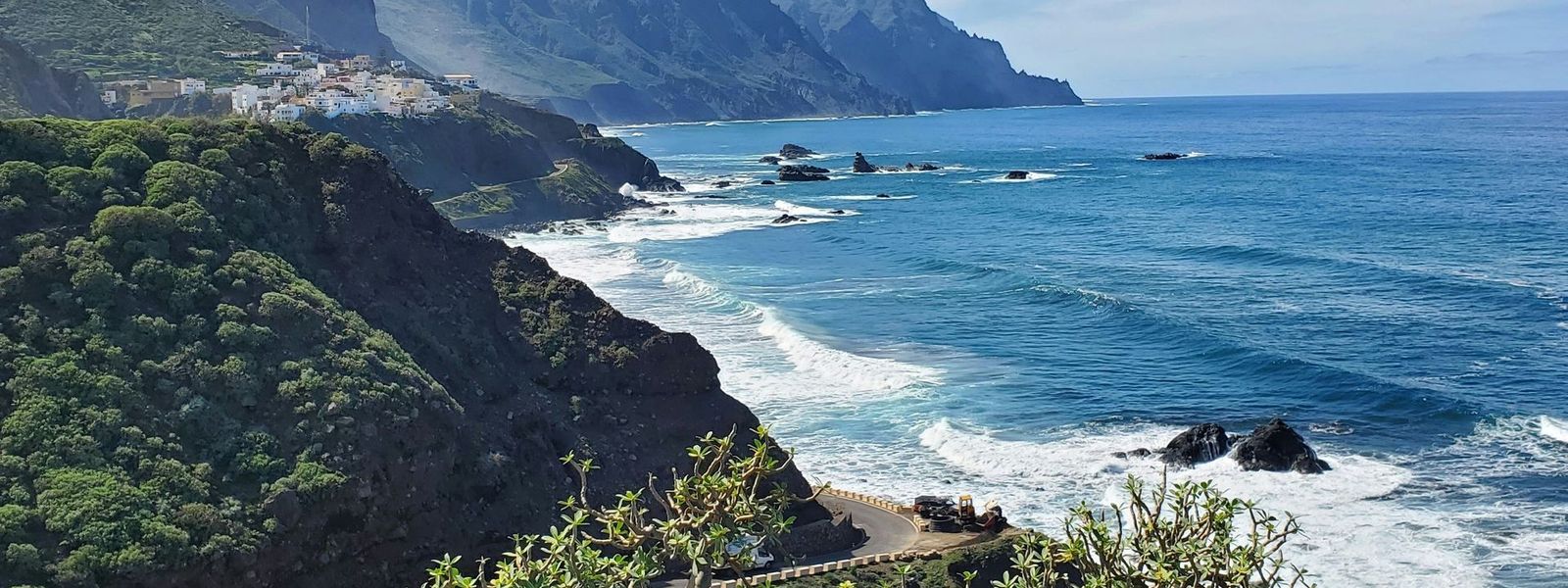
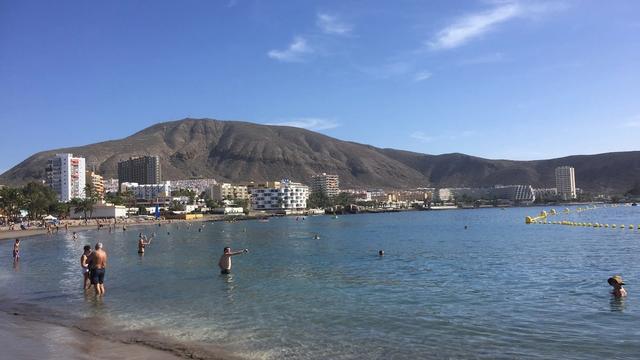
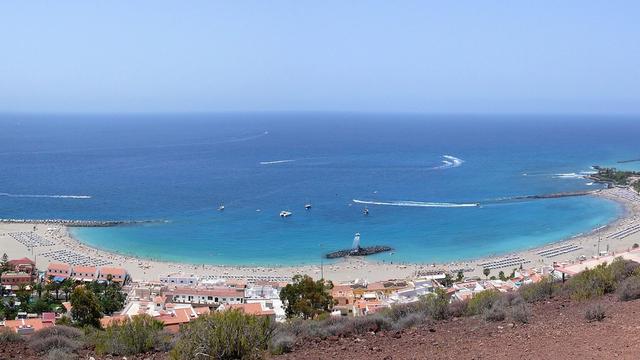
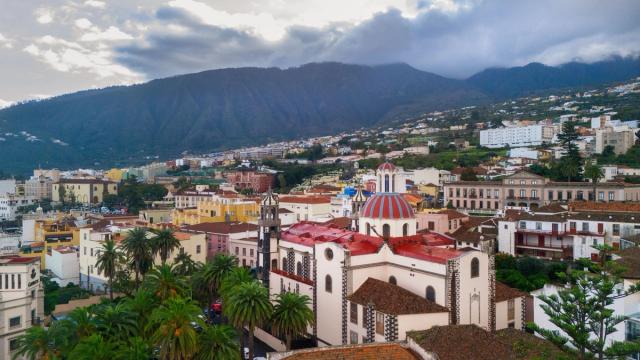
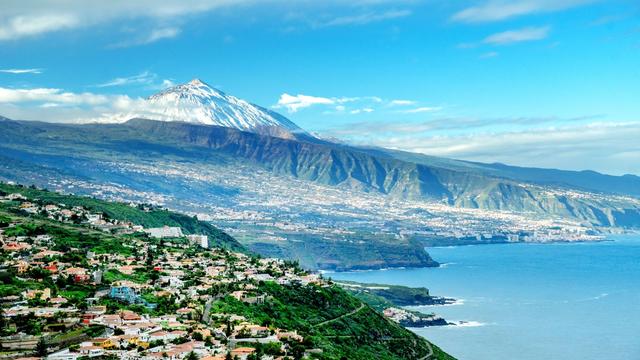
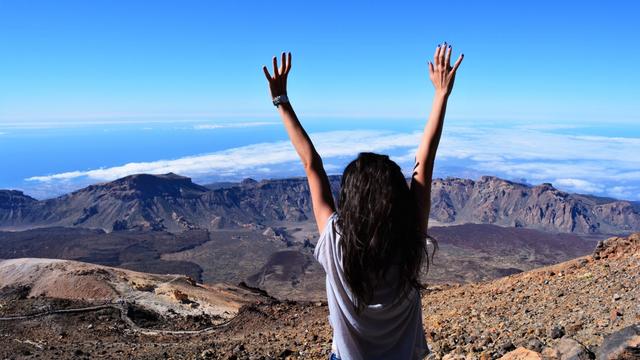
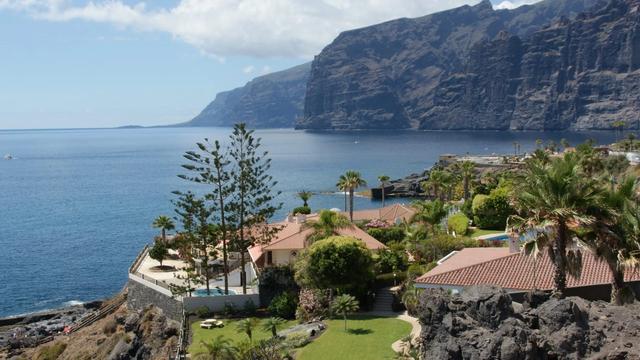
Tenerife is the largest and most populous island of the Canary Islands, an autonomous community of Spain located off the northwestern coast of Africa. The island's defining feature is Mount Teide, a volcanic peak that is Spain's tallest mountain and the world's third-highest volcano. The landscape ranges from lush forests and green terrain in the north to desert-like regions in the south. Teide National Park, a UNESCO World Heritage site, attracts around 3 million visitors annually. The island's northern coast features colonial architecture from the Spanish conquest, whilst the south developed into a major beach resort destination in recent decades. Year-round mild temperatures and diverse natural treasures make Tenerife a major tourist destination.
Tenerife
- Currency
- Euro (EUR)
- Language
- Spanish; English only in tourist areas
- Power plug
- Type C/F, 230 V
- Visa
- Schengen
- Time zone
- UTC+0 / UTC+1 (WET/WEST)
- Tap water
- Safe; mineral taste in the south
- Tipping
- Not expected; 5–10% for great service
- Emergency
- 112
Things to do
All tours in Tenerife on GetYourGuide
Paid links: booking through them supports YowJourney.
When to go
High season
Jun – Aug
Hot and sunny. Afternoon heat can be intense on low-lying areas; higher elevations remain mild. Ocean winds provide cooling.
Shoulder
Sep – Nov
Mild temperatures. North side has more variable weather; south side remains warm and dry.
Low season
Dec – Feb
Mild at sea level with most of the year's rain. Snow falls on El Teide. South coast stays warmer and drier than the north.
Shoulder
Mar – May
Mild temperatures warming as spring advances. Fewer crowds than summer.
How long to stay
A full loop of Tenerife, including El Teide, both coasts, and historic towns, requires 7–10 days. Those with less time can focus on the developed south coast for beaches and resort towns (3–4 days) or the greener, more culturally rich north (3–4 days). Adding a day trek to El Teide's summit extends any itinerary.
Getting around
Two airports serve the island: Tenerife North (Los Rodeos) near San Cristóbal de La Laguna handles flights from mainland Spain; Tenerife South (Reina Sofia) near Los Cristianos is busier and receives most international flights from the UK, Germany and elsewhere. Titsa buses run from both airports to other towns, though routes may require changes and services stop around midnight, resuming at 05:00–06:00.
A car rental is the best way to explore remote locations. Most roads are in good condition with speeds limited to 120 km/h on highways. Mountain roads are narrower, steeper and less well maintained, with fallen rocks a recurring hazard. Navigation systems may not reflect the newest main roads; Google Maps and OpenStreetMap are more reliable.
Public transport uses the ten+ travel card (€2 deposit, charged with €2–100). The card offers discounts over cash and can be recharged at over 500 locations across the island. A 24-hour pass costs €10; a 7-day pass costs €50. Expect an average speed of 30 km/h or less when driving, as roads are often narrow and winding.
Trasmediterranea runs a weekly ferry from Cádiz in mainland Spain; the journey takes two days.
What to see
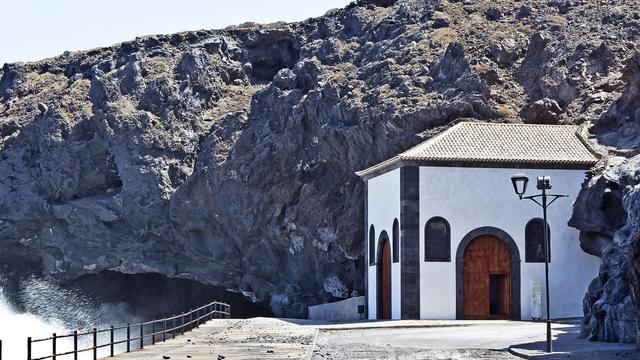
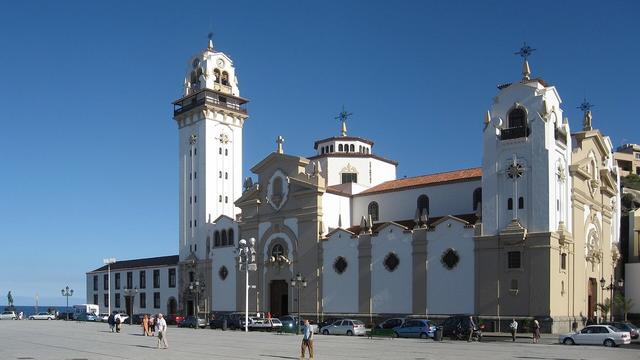


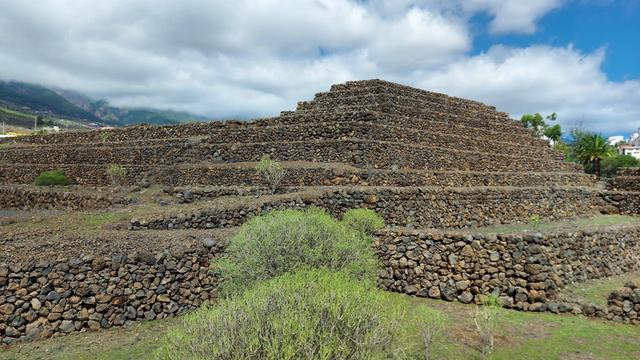

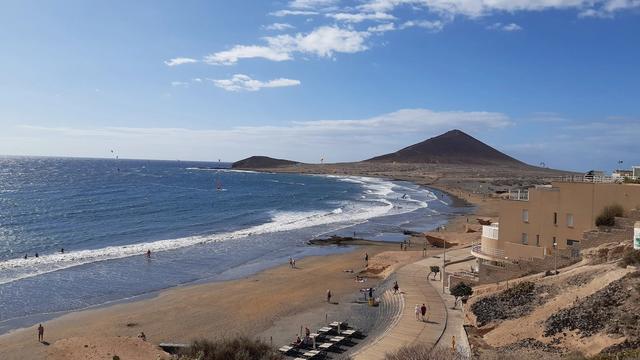
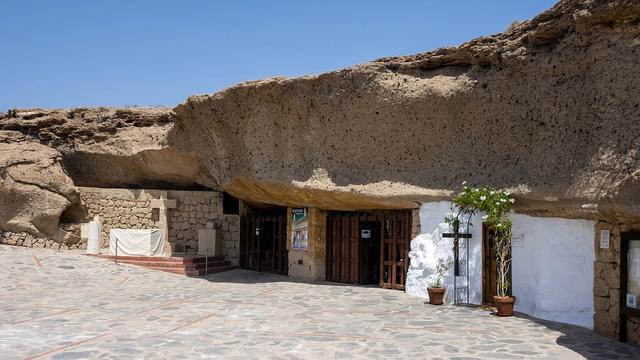
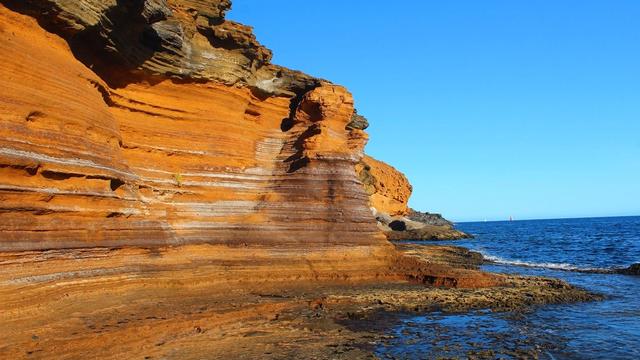
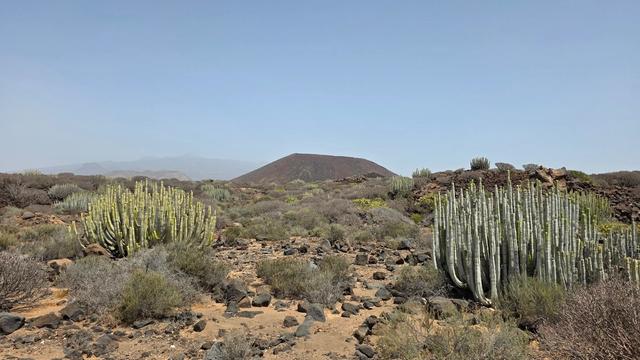
Destinations in Tenerife


Frequently asked questions
Do I need to speak Spanish?
Spanish is the official language. English is widely spoken in hotels, restaurants and tourist attractions, but understanding outside these areas is very limited. In smaller towns like Santiago del Teide or Vilaflor, English speakers are rare. Many restaurants have multilingual menus in Spanish, English and German. Learning basic Spanish phrases is helpful.Is it safe to travel around the island?
Tenerife is generally safe. Take standard precautions: do not leave valuables unattended on beaches, avoid displaying cash or devices, and be wary of pickpockets in crowded areas. Never leave items in view in parked cars, especially in well-known tourist spots like Masca. Scratchcard scams and overpriced electronics shops are common tourist traps; firmly decline these offers.What is the climate like year-round?
The Atlantic Ocean moderates temperature, keeping the island warm year-round with typically less than 10°C variation between summer and winter. Summers (June–September) are hot and sunny, especially in the south. Winters (November–February) bring rain and occasional snow on El Teide, though days remain mild. The north is greener and wetter; the south is drier and warmer.What is the local food like?
Traditional Canarian food includes grilled fish and roasted meat, often served in local taverns called guachinches, which also serve homemade wine and stews. Food is generally inexpensive. International and fast food restaurants are abundant in larger towns and tourist areas.