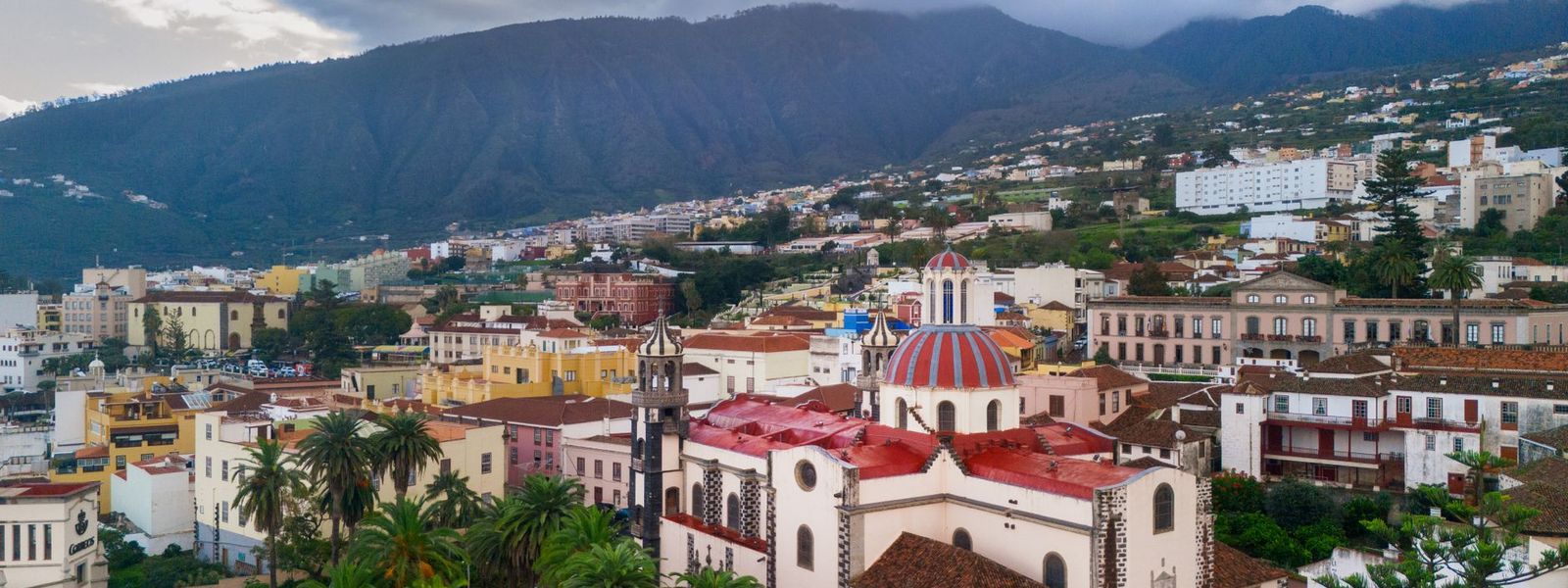
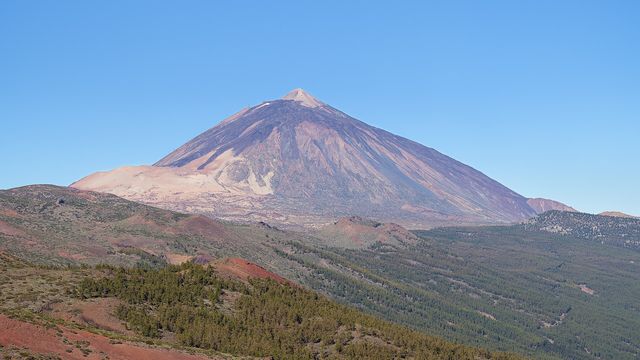
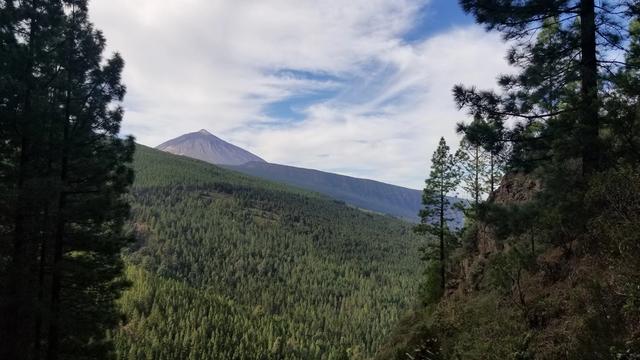
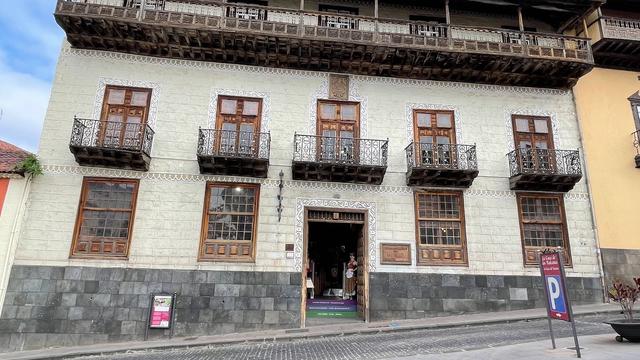
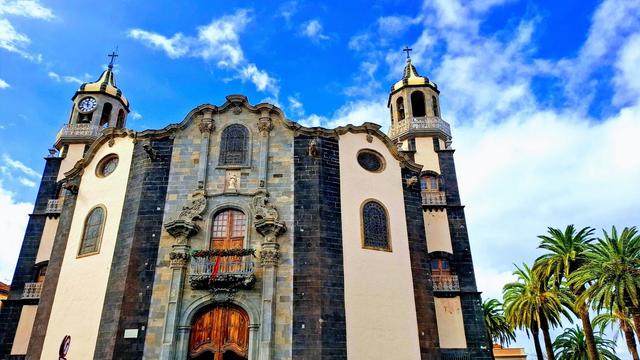
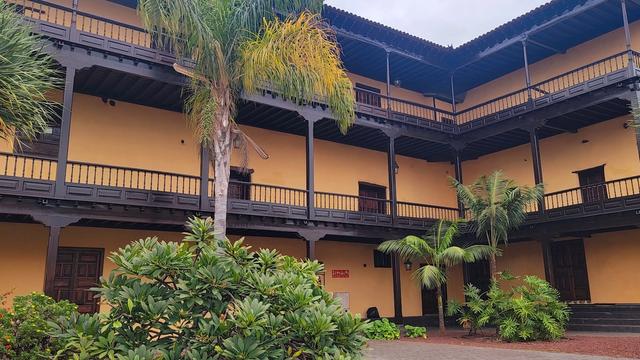
Steep streets of balconied mansions climb the Orotava Valley at about 400 m, 4 km uphill from Puerto de la Cruz. The town grew from land handed out to the conquerors of Tenerife in the early 1500s, and its historic centre, a protected Conjunto histórico since 1976, holds the Baroque Iglesia de La Concepción, the Casa de los Balcones and the Liceo de Taoro. The municipality is the largest on the island and reaches the summit of Teide at 3,718 m, so the town doubles as a base for hikes above the valley.
La Orotava
- Currency
- Euro (EUR, €). ATM withdrawals often incur charges of €1–8; bringing some cash (€50–100) can help avoid fees. Credit and debit cards are widely accepted in cities and tourist areas. Bizum (a Spanish payment app) is popular with locals and some businesses but requires a Spanish bank account. The islands are outside the EU's standard VAT area.
- Language
- Spanish (specifically Canarian Spanish dialect) is the native language. English is widely spoken in hotels, restaurants and tourist attractions, but understanding outside these areas is very limited. In smaller towns and rural areas, English proficiency is minimal. Hotel and restaurant staff generally know basic English.
- Power plug
- Europlug (Type C) and Schuko (Type F) sockets; 230 V, 50 Hz
- Visa
- Schengen area: EU, EEA and Swiss nationals enter on national ID card or passport. Many non-EU nationalities have 90-day visa-free access. Non-EEA citizens staying longer than 90 days require an advance visa.
- Time zone
- Atlantic/Canary (UTC±00:00 in winter, UTC+01:00 in summer); one hour behind mainland Spain.
- Tap water
- Safe to drink throughout Spain. In some southern regions it has high mineral content and may taste unfamiliar; locals often drink bottled water instead. Bottled water is inexpensive and widely available.
- Tipping
- Not mandatory or customary. In restaurants: not expected for simple meals or basic establishments; 5–10% in mid-range or upscale venues if service was exceptional. Always pay cash to the server, not on card. Taxi drivers and hotel staff may appreciate small tips in upscale settings but it is not expected.
- Emergency
- 112
When to go
High season
Dec – Mar
Northern Europeans come for the mild winter, with Christmas and New Year the busiest stretch; up on Teide, winter can bring snow and ice to the high trails.
Shoulder
Apr – Nov
Visitors keep coming through the warm months; the north side of the island catches the trade-wind cloud, which can sit over the valley while the slopes of Teide above stay clear.
How long to stay
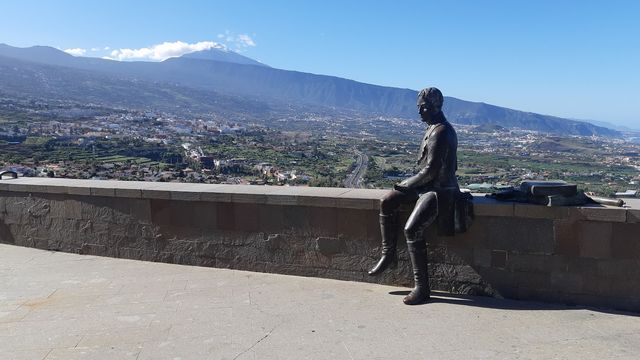
One day covers the historic centre. The streets are steep, but a reasonably fit walker reaches most of the sights on foot, from the Iglesia de La Concepción to the Casa de los Balcones, and the Mirador Humboldt adds the wide view over the valley. Give it two or three nights if you mean to use the town as a base for Teide National Park and the trails that start just outside town.
Getting around
Most sights in the centre can be reached on foot if you can manage steep streets in both directions. Beyond that, the long-distance Titsa buses double as the town's local service, and they also reach the trailheads just outside town.
The TF-5 motorway runs past the north of the municipality, but parking in the centre is very scarce. For a day trip, the bus is much easier than the car.
What to see


Destinations in La Orotava
Frequently asked questions
Can I drive into La Orotava and park?
The town lies just south of the TF-5, but parking spots in the centre are very scarce. A day visit is much easier by bus.Can I see La Orotava on foot?
Yes, if you are reasonably fit: most sights are walkable, though the streets are steep. Otherwise, the Titsa buses serve as the local service.Is Mount Teide part of La Orotava?
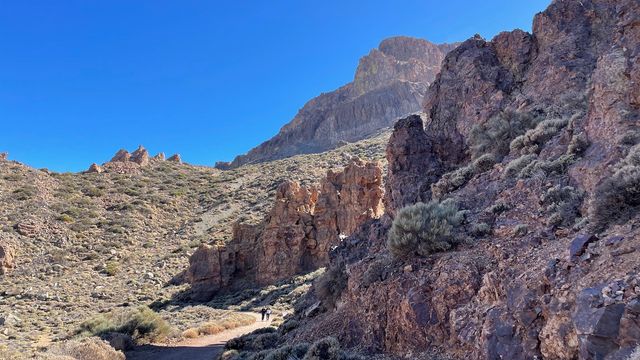
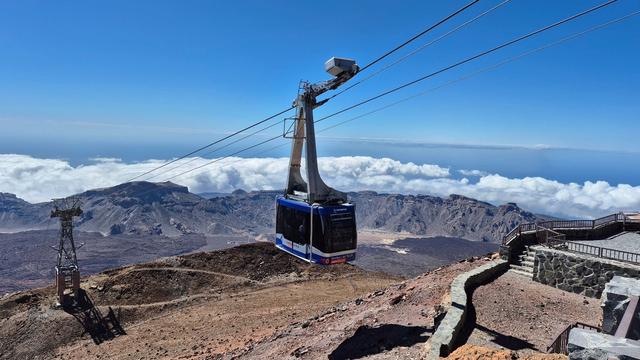
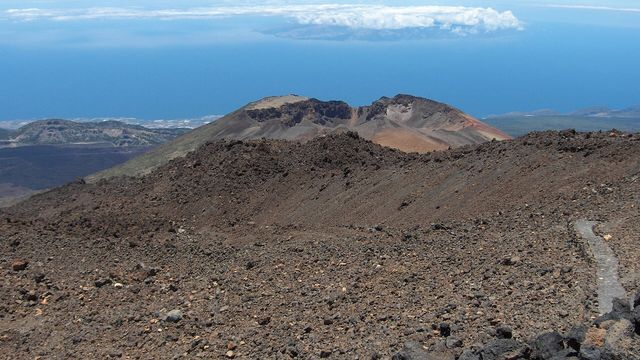
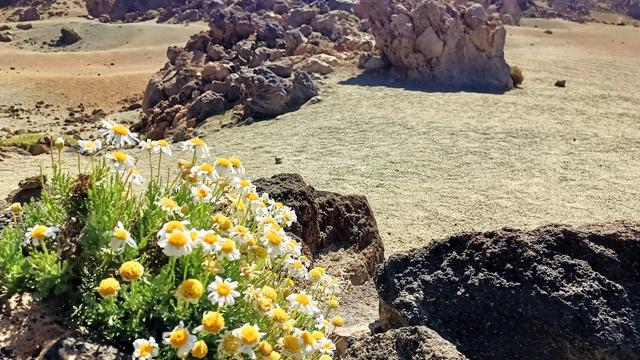
Yes. The municipality stretches from the north coast to the summit of Teide at 3,718 m, the highest point in Spain, and much of Teide National Park, a World Heritage Site since 2007, lies within it. The town itself sits far below, at about 400 m in the valley.What wine is made in the Orotava Valley?
The valley has its own Denominación de Origen, Valle de La Orotava, with vineyards dating from the arrival of the Spanish. The main reds are listán negro and negramoll; the common whites are gual, malvasía and verdello.