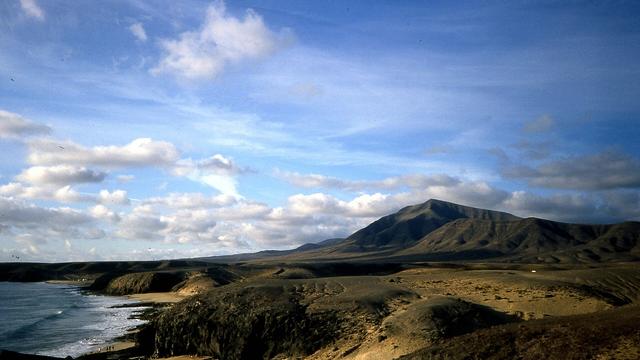
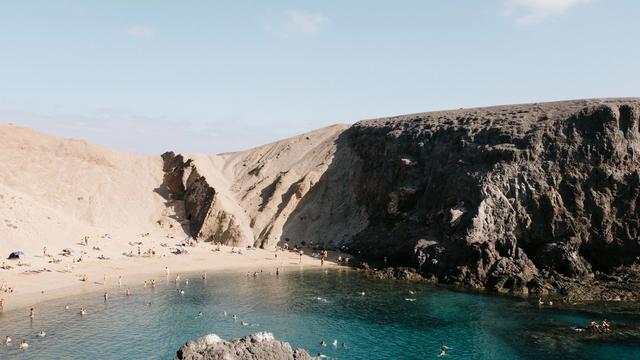
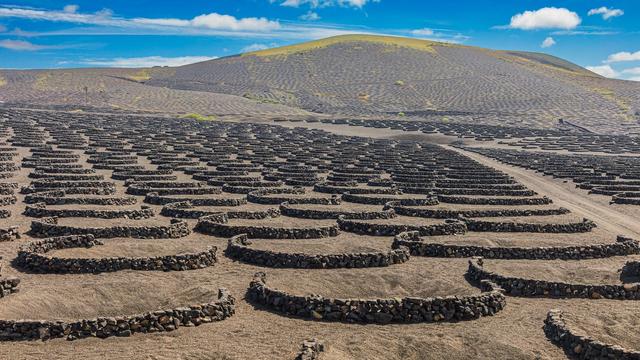
The Canary Islands are an autonomous community of Spain comprising seven main islands located about 100 kilometres off northwest Africa's coast. Known for mild weather year-round and diverse landscapes—from volcanic peaks and black sand beaches to lush valleys—the islands are sometimes called the lands of eternal spring. Each island has distinct character and enough to explore for five to seven days without inter-island travel. Visitors come for reliable sunshine, varied outdoor activities, and accessibility from Europe.
Canary Islands

- Currency
- Euro (EUR)
- Language
- Spanish; English only in tourist areas
- Power plug
- Type C/F, 230 V
- Visa
- Schengen
- Time zone
- UTC+0 / UTC+1 (WET/WEST)
- Tap water
- Safe; mineral taste in the south
- Tipping
- Not expected; 5–10% for great service
- Emergency
- 112
Things to do
All tours in Canary Islands on GetYourGuide
Paid links: booking through them supports YowJourney.
When to go
Shoulder
Dec – Feb
Mild with significant wind; occasional Calima dust storms from the Sahara reduce visibility and coat surfaces with fine dust. Fewer tourists and lower prices.
Shoulder
Mar – May
Increasingly warm and sunny as spring progresses. Pleasant temperatures and growing crowds.
High season
Jun – Aug
Hot and dry with intense solar radiation close to the equator. Peak tourist season; accommodation and car rental prices rise significantly. Book well in advance.
Shoulder
Sep – Nov
Warm and mostly dry, though tropical storms can occasionally bring heavy rain and coastal flooding. Gradual cooling by November.
How long to stay
Five to seven days will give you a good sense of one island, seeing beaches, mountains, or villages depending on your choice. Two weeks allows time to explore two or three islands comfortably. Travel between islands is expensive and time-consuming, so most visitors focus on one or two rather than island-hopping constantly.
Getting around
Renting a car is usually the best way to explore remote areas and small villages, especially on flatter islands like Lanzarote and Fuerteventura. Local companies like Cicar and Autoreisen often offer better value than international chains. In the off-season (April onwards) you can find small cars for €70 per week, though prices spike in summer and at Christmas.
Public transport exists on all major islands, with Tenerife having a particularly efficient bus network. Bus drivers rarely speak English beyond a few phrases. Inter-island ferries and flights are available but expensive for tourists; most visitors explore a single island or at most two.
Avoid the cheapest rental car companies without checking reviews—hidden costs can easily double the final price.
What to see











Destinations in the Canary Islands









Frequently asked questions
When is the best time to visit?
The Canary Islands have a mild climate year-round, often called the islands of eternal spring. Summer (June to August) is hot and peak season with higher prices. Winter is cool and windy but rarely freezing. Spring and autumn offer pleasant weather with fewer crowds.Do I need a visa?
EU, EEA and Swiss citizens enter on national ID card or passport. Citizens of many non-EU countries have 90-day visa-free access under Schengen rules. Non-EEA citizens staying longer than 90 days require an advance visa.What's the best way to get around?
Renting a car is the most practical option for exploring each island at your own pace. Inter-island ferries and flights exist but are expensive for tourists. Most visitors focus on one or two islands rather than trying to island-hop.What local food should I try?
Canarian cuisine blends Spanish, Latin and African influences. Try papas arrugadas (salted wrinkled potatoes with spicy mojo sauce), fresh-caught fish, goat meat (particularly popular), and tapas. Locally grown plantain bananas are also a speciality.