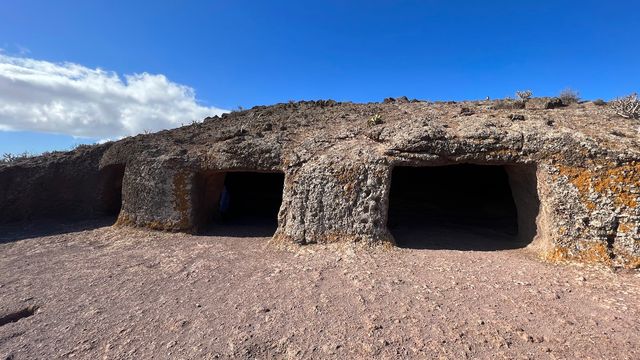
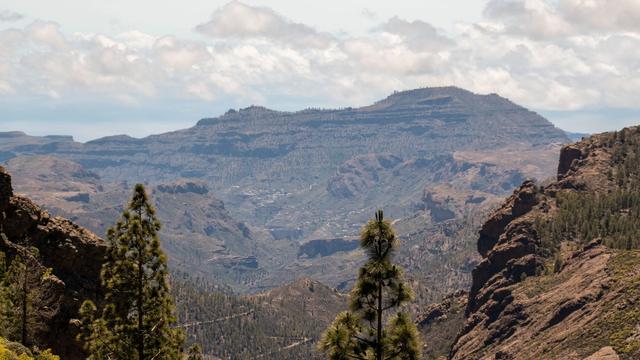
Gran Canaria is close to round, about 50 km across, and climbs from its beaches to 1,956 m at Morro de la Agujereada, with pine forest and the 80 m monolith of Roque Nublo near the top. Las Palmas, the largest city in the Canary Islands, fills the north-east corner; the south coast holds the resorts and the Maspalomas dunes. A third of the island is a UNESCO Biosphere Reserve, and inland lie the cave dwellings of the Guayadeque ravine and the pre-Hispanic granary of Cenobio de Valerón.
Gran Canaria
- Currency
- Euro (EUR)
- Language
- Spanish; English, German in resorts
- Power plug
- Type C/F, 230 V
- Visa
- Schengen
- Time zone
- UTC+0 / UTC+1 (WET/WEST)
- Tap water
- Safe; mineral taste in the south
- Tipping
- Not expected; 5–10% for great service
- Emergency
- 112
Things to do
All tours in Gran Canaria on GetYourGuide
Paid links: booking through them supports YowJourney.
When to go
High season
Nov – Mar
Winter-sun season, with coastal days around 20–23 °C, most of the year's rain, the odd cloudy and windy spell, and frost or snow possible on the summits.
Shoulder
Apr – Jun
Dry and warming, with the south reliably sunny while Las Palmas can still see cloud and the occasional shower into May or June.
High season
Jul – Aug
Rainless and hot: Maspalomas reaches 28–33 °C by day, and a wind off the Sahara can push it past 40 °C — carry water and keep to the shade.
Shoulder
Sep – Oct
Still warm and mostly dry through September; from mid-October the first rain and wind can arrive.
How long to stay
A week covers the essentials: a base on the south coast, a day in Las Palmas and a drive up through the pine forest to Roque Nublo. Give it ten days to two weeks to add the north — the banana plain at Arucas, Teror, the Painted Cave (Cueva Pintada) at Gáldar, the harbour at Agaete — and the emptier west, where the dual carriageways give out. The island is about 50 km across, so wherever you stay, most of it works as a day trip.
Getting around
Car hire is the way into the remote corners; desks are at the airport and in every resort. The GC-1 motorway links Las Palmas, the airport and the south coast, while the thinly settled west and north-west have only ordinary main roads. Mountain roads wind above steep drops — drive them slowly.
Buses, called guaguas here, cover the whole island: Global runs the inter-urban routes, Guaguas Municipales the city lines in Las Palmas. Pay in cash, by contactless card or with the TransGC card, which is valid across the network. Taxis are metered.
There are no trains. A line from Las Palmas to Meloneras has been planned since 2009 and is still not built.
Local rules
- Speed cameras run the length of all the major roads.
- Take metered taxis only. Every taxi on the island carries a meter; a car without one is uninsured.
- The Maspalomas dunes are a nature reserve. Keep to the marked routes across the sand.
- Refuse the beach bracelet. Vendors on the beach tie one on your wrist and then demand an exorbitant fee for it. Say no before it goes on.
What to see
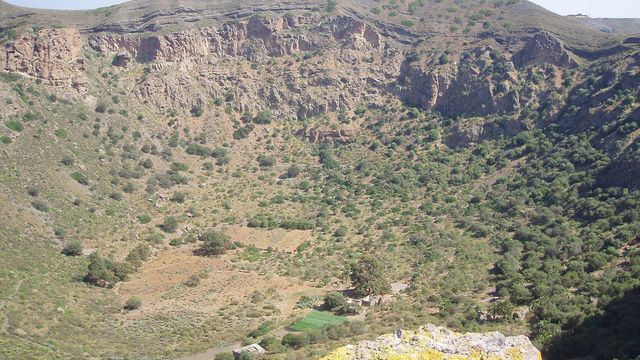
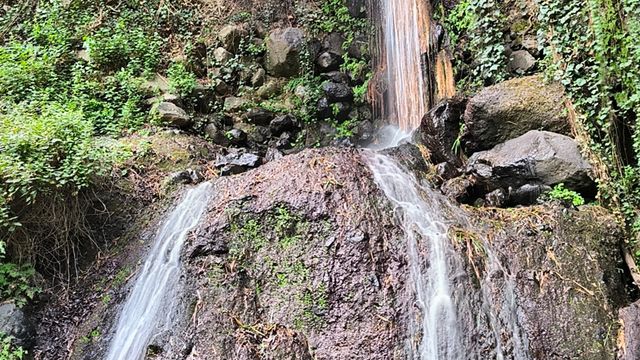
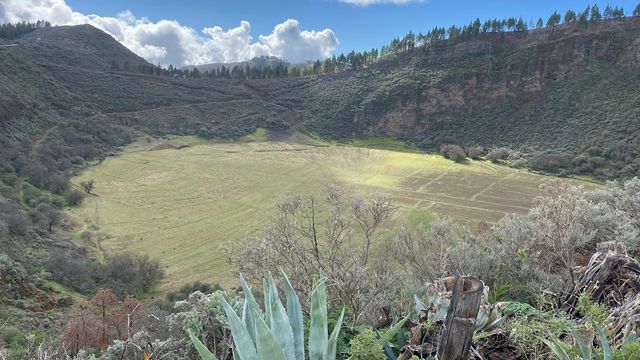
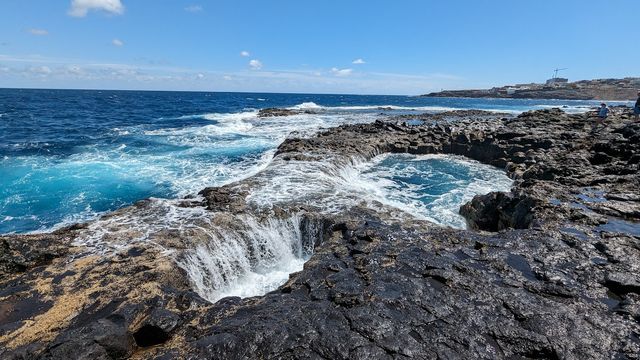
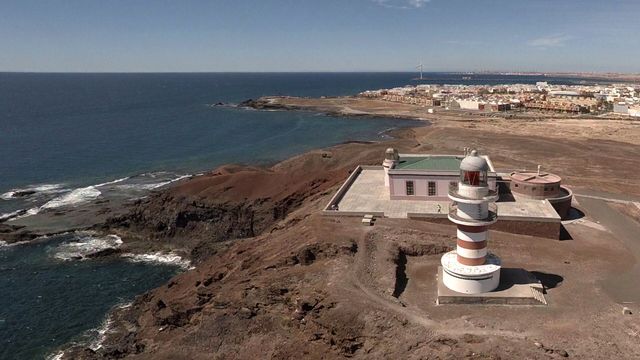
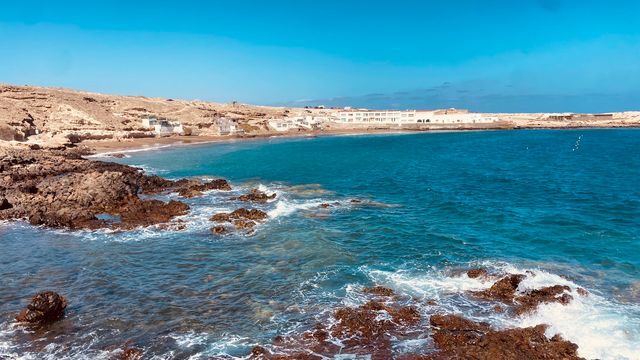
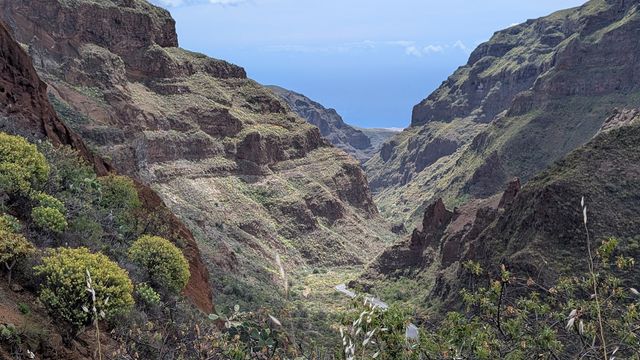
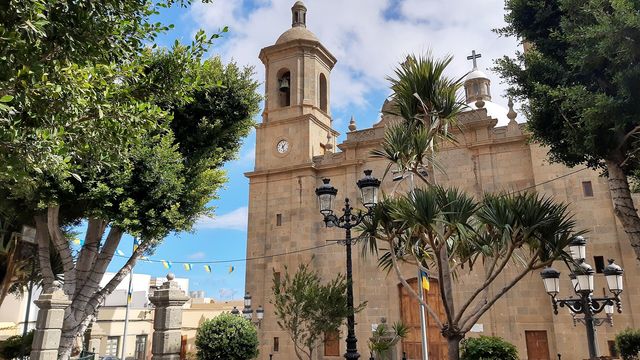
Destinations in Gran Canaria
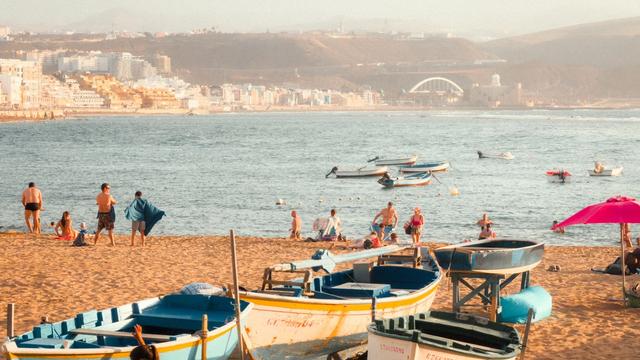
Frequently asked questions
Should I stay in the north or the south of Gran Canaria?
The south is warmer and sunnier, and the resorts are there: Maspalomas, Playa del Inglés, Meloneras, Puerto Rico and Puerto de Mogán. The north is cooler and holds Las Palmas, a full city with Las Canteras beach in its centre.Do I need a car on Gran Canaria?
Buses run all over the island and link the resorts, the airport and Las Palmas. For the mountains, the ravines and the remote west, a hire car is the practical option.How do I get from Gran Canaria Airport to my hotel?
Buses run from the airport to Las Palmas and to the southern resorts, and the car-hire desks are on the ground floor of the international departures wing.Can I get to Tenerife by sea?
Yes. Fred Olsen Express runs a catamaran from Puerto de las Nieves in Agaete, on the west coast, to Santa Cruz de Tenerife.Is Gran Canaria warm in winter?
On the coast, yes: daytime highs sit around 20 °C, and nights by the sea do not drop below 10 °C. The summits see frost and occasional snow, so bring a jacket, scarf and gloves if you are heading into the mountains.