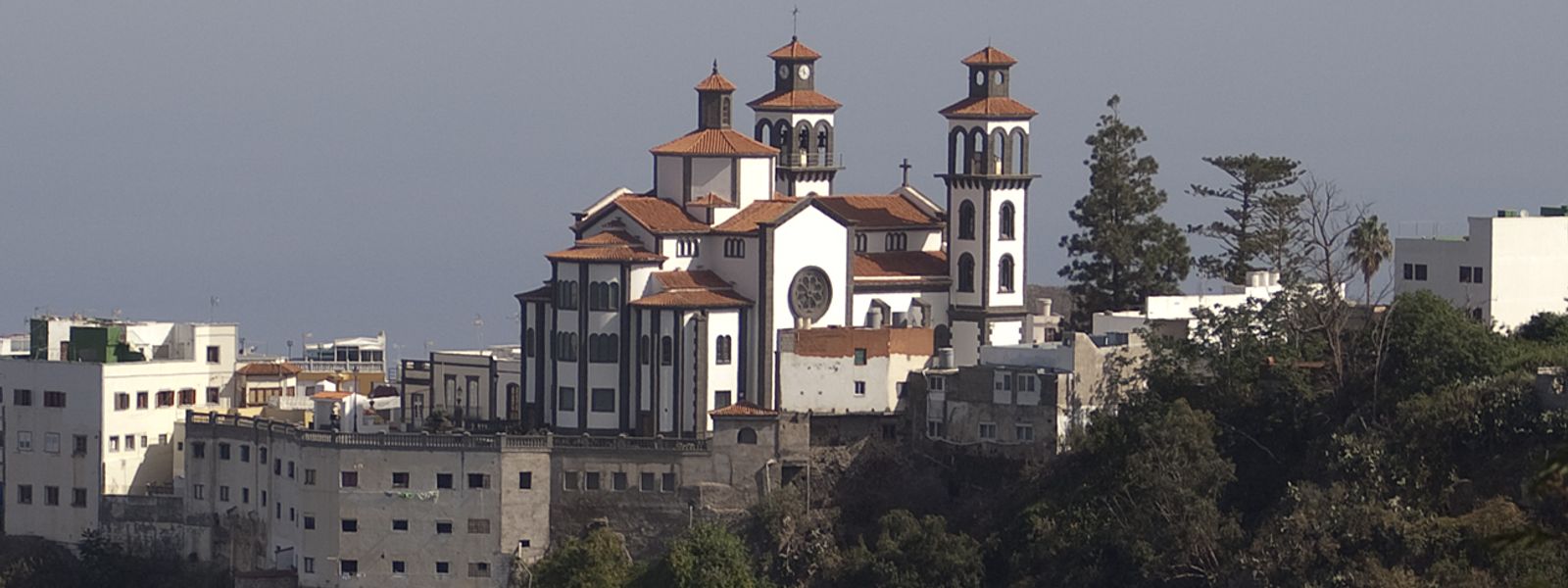
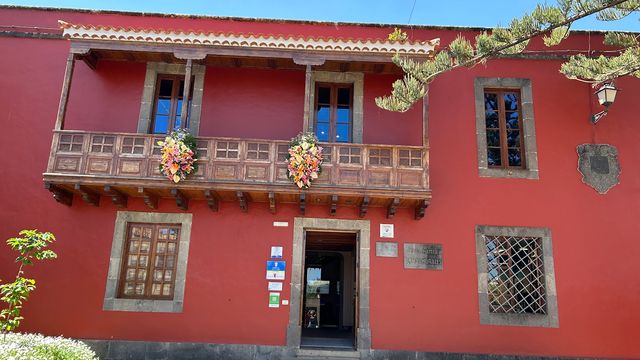
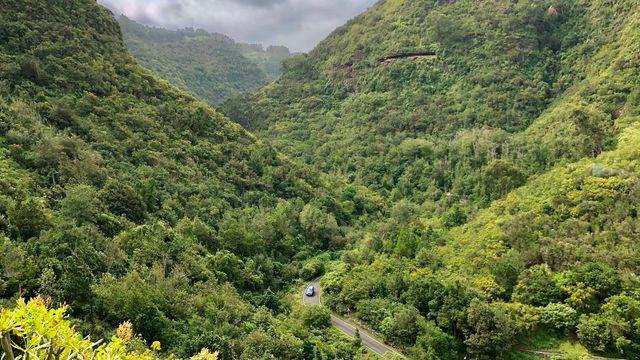
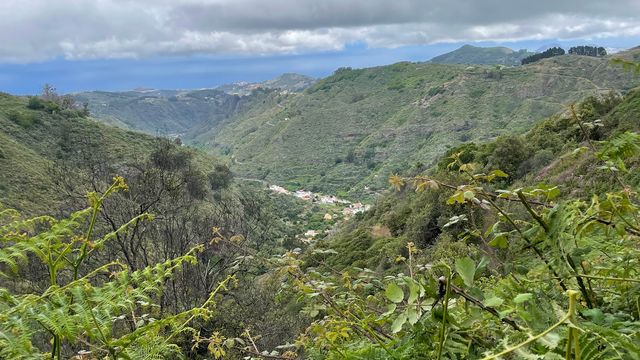
Moya stands in the mountains of northern Gran Canaria, its church on the lip of a volcanic ravine. The Neo-Romanesque Iglesia de la Virgen de la Candelaria, finished in 1957, keeps a 15th-century cedar figure of the Virgin. The poet Tomás Morales was born here, and the house he grew up in has been a museum since 1976. The forest around the town carries the name of Doramas, a native chief who hid here from the Castilian conquerors, and its protected remnants hold one of the last laurel forests in the Canary Islands.
Moya
- Currency
- Euro (EUR)
- Language
- Spanish; English, German in resorts
- Power plug
- Type C/F, 230 V
- Visa
- Schengen
- Time zone
- UTC+0 / UTC+1 (WET/WEST)
- Tap water
- Safe; mineral taste in the south
- Tipping
- Not expected; 5–10% for great service
- Emergency
- 112
Things to do
All tours in Moya on GetYourGuide
Paid links: booking through them supports YowJourney.
When to go
High season
Mar – Jun
The ravines are at their greenest after the winter rain, and the clearer days give the longest views from the hills.
Shoulder
Jul – Oct
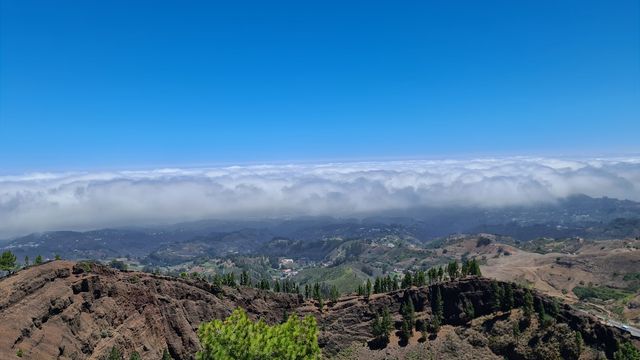
Dry and warm, though the trade-wind cloud often sits over the northern hills and can hide the ravines for much of the morning.
Low season
Nov – Feb
The wettest months on the north side of the island: the forest is lush, but mist and rain come in often and the hill roads turn slick.
How long to stay
Half a day covers the town itself: the Iglesia de la Virgen de la Candelaria, the house museum of Tomás Morales and the views down into the ravines around it. Make it a full day if you add the upland village of Fontanales and its hermitage. With Las Palmas 15 km to the east, Moya fits easily into a day out from the capital.
Getting around
The town sits in the hills 4 km from the coast, and the GC-2 motorway crosses the northern part of the municipality below it. Las Palmas lies 15 km to the east. Fontanales, with the Hermitage of San Bartolomé (Ermita de San Bartolomé), is a separate village within the municipality.
The roads between the coast, the town and the upland villages climb through volcanic ravines and bend hard. Allow more time than the distance on the map suggests.
What to see
Destinations in Moya
Frequently asked questions
Where is Moya?
In the north of Gran Canaria, in the mountains at around 490 m. The town lies 4 km from the coast and 15 km west of Las Palmas, and the GC-2 motorway crosses the northern part of the municipality.What is the main sight in the town?
The Iglesia de la Virgen de la Candelaria, a Neo-Romanesque church completed in 1957. Inside is a cedar figure of the Virgen de la Candelaria dating to the 15th century.What is the connection with Tomás Morales?
The Spanish poet Tomás Morales was born in Moya. The house he grew up in was turned into a museum in 1976.What is Doramas' Wood?
Doramas' Wood (Selva de Doramas) is the forest around Moya, named after the native chief Doramas, who took refuge there after attacking Castilian conquerors returning from a raid. Much of the municipality is now protected: the Los Tilos de Moya Special Nature Reserve lies entirely within it, and the Barranco Oscuro Integral Nature Reserve is shared with neighbouring Valleseco. The area holds one of the last laurel forests in the Canary Islands.Is there anything to see in Fontanales?
The Hermitage of San Bartolomé, built in 1872, which contains a sculpture of the saint by the Canarian sculptor Luján Pérez.