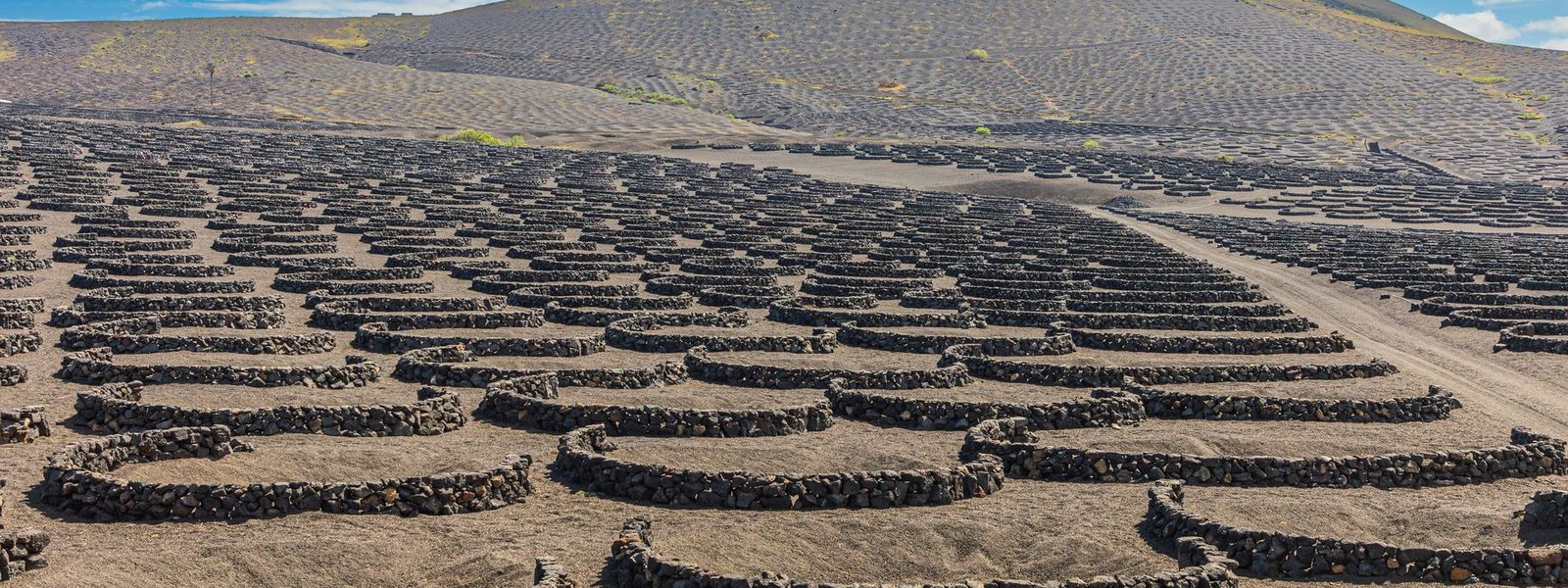
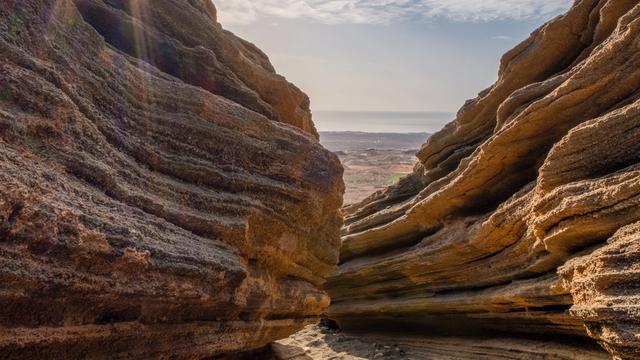
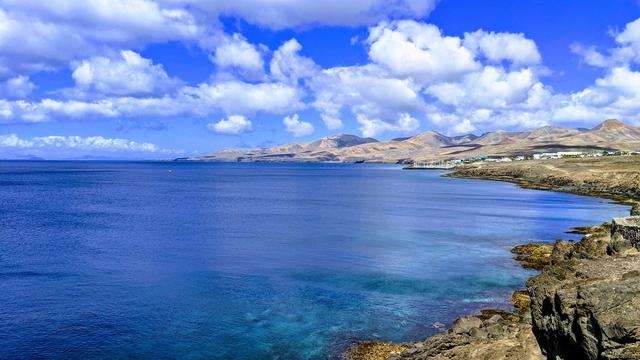
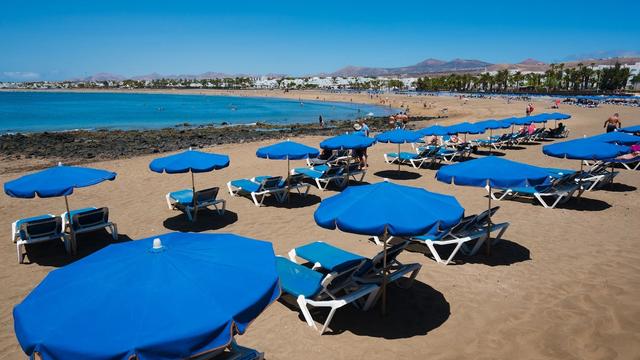
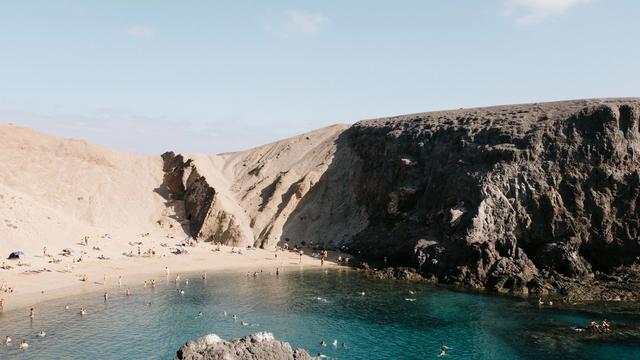
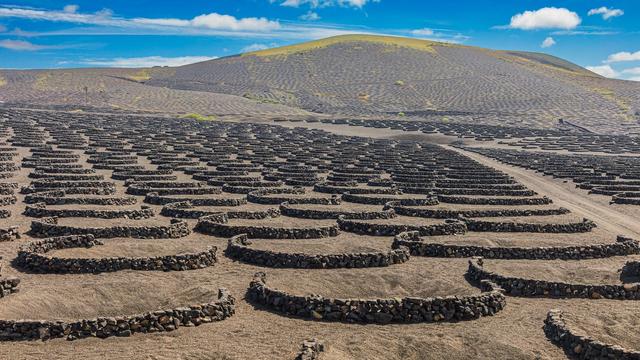
Lanzarote is the easternmost of the Canary Islands, 60 km from north to south and 25 km across. Between 1730 and 1736 a line of eruptions raised 32 new volcanoes and buried a quarter of the island under lava, including its best farmland and 11 villages; that ground is now Timanfaya National Park. Travellers come for the black and rust-red volcanic landscape, the vines of La Geria planted in walled pits in the ash, the lava tube of Cueva de los Verdes, the work of the artist César Manrique, and the beach resorts.
Lanzarote
- Currency
- Euro (EUR)
- Language
- Spanish; English gets you by
- Power plug
- Type C/F, 230 V
- Visa
- Schengen
- Time zone
- UTC+0 / UTC+1 (WET/WEST)
- Tap water
- Safe; desalinated seawater
- Tipping
- Not expected; 5–10% for great service
- Emergency
- 112
Things to do
All tours in Lanzarote on GetYourGuide
Paid links: booking through them supports YowJourney.
When to go
High season
Nov – Mar
Winter-sun season: what little rain the island gets falls now, mostly December to February, and after it the dry ground blooms in February and March.
Shoulder
Apr – Jun
Dry, settled weather and quieter resorts between the winter crowd and the summer holidays.
High season
Jul – Aug
The hottest and driest months, with the resorts full; the lava fields offer no shade at midday, so carry water and sun protection.
Shoulder
Sep – Oct
The heat eases and the crowds thin; mid-September brings the island's biggest pilgrimage to Mancha Blanca.
How long to stay
Four or five days with a car covers the main sights: Timanfaya, the lava tubes and Manrique's works in the north, and the vineyards of La Geria. The drive from one end of the island to the other takes about 40 minutes, so nothing is far from a single base. A week leaves room for beach days and a ferry crossing to La Graciosa or Fuerteventura, each around 30 minutes over the water.
Getting around
Hire a car. Rental desks are at the airport, the port and the main resorts, the roads are in good condition and well signposted, and the drive from one end of the island to the other takes about 40 minutes. Three roads form the spine: the LZ-1 north from Arrecife to Órzola, the LZ-2 south to Playa Blanca, and the LZ-3 ring road around Arrecife.
Intercity Bus Lanzarote runs 30 lines to the towns, villages and airport, and most of them start or end in Arrecife. No public bus goes through Timanfaya National Park, so the park means a tour or your own wheels. Taxis are easy to find: common routes have fixed fares, other trips run on the meter, and any cab with its green roof light on can be hailed in the street.
Ferries cross to La Graciosa from Órzola and to Corralejo on Fuerteventura from Playa Blanca, around 30 minutes each way.
Local rules
- Mountain bikes stay on marked trails. Riding off them is not allowed; the rule protects the sparse vegetation.
- Cyclists may use almost every asphalt road, with the exception of a few sections of the LZ-1 and LZ-2 where a frontage road or an old loop runs alongside. Take the side road there.
- Leave nothing in a parked car in Timanfaya National Park. Theft from cars there has been a recurring problem.
What to see

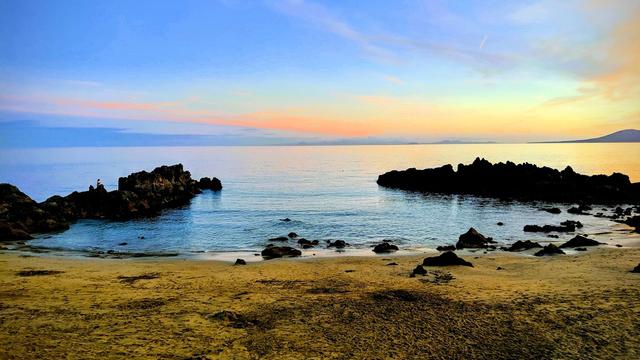
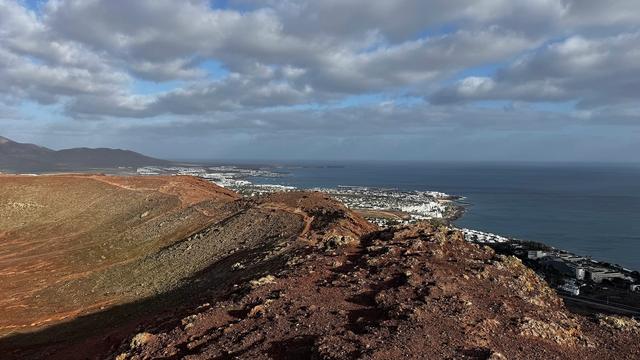
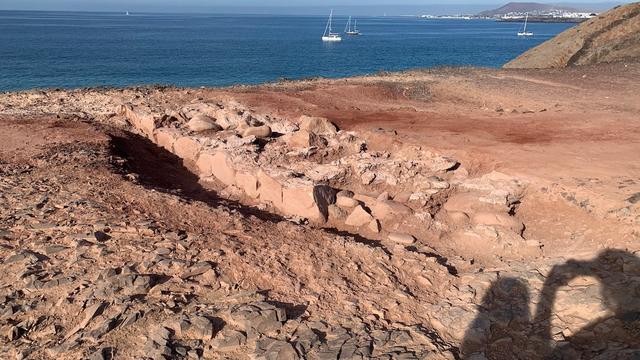
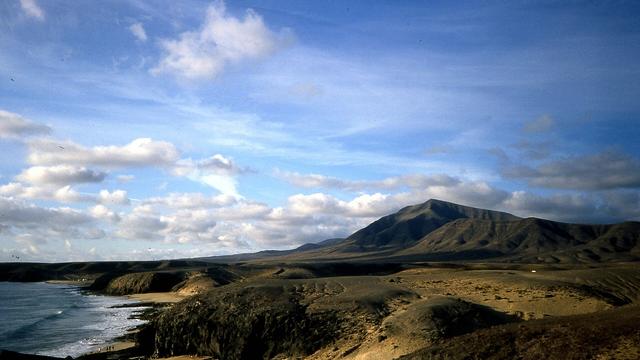
Destinations in Lanzarote
Nearby islands (2)
Frequently asked questions
Do I need a car on Lanzarote?
It is the easiest way to see the island. Buses run from Arrecife to the towns and villages, but no public bus goes through Timanfaya National Park, so for the park you need a tour or your own wheels.Is the tap water safe to drink?
Yes. It is desalinated sea water, since the island has no natural springs or lakes. It tastes fine cold and flat once it warms, which is why many people buy bottled water with meals.Can I visit La Graciosa or Fuerteventura from Lanzarote?
Yes, by ferry. Boats to La Graciosa leave from Órzola in the far north, and boats to Corralejo on Fuerteventura leave from Playa Blanca in the south several times a day. Both crossings take around 30 minutes.When is the Teguise market?
On Sunday. It is the best known of the island's markets, and extra buses run that day from Arrecife, Puerto del Carmen and Costa Teguise.What is the island's main festival?
The pilgrimage to Mancha Blanca on 15 September, in honour of the Virgen de los Dolores, the island's patron saint, also called the Virgin of the Volcanoes. People come from all over Lanzarote, many in traditional dress.