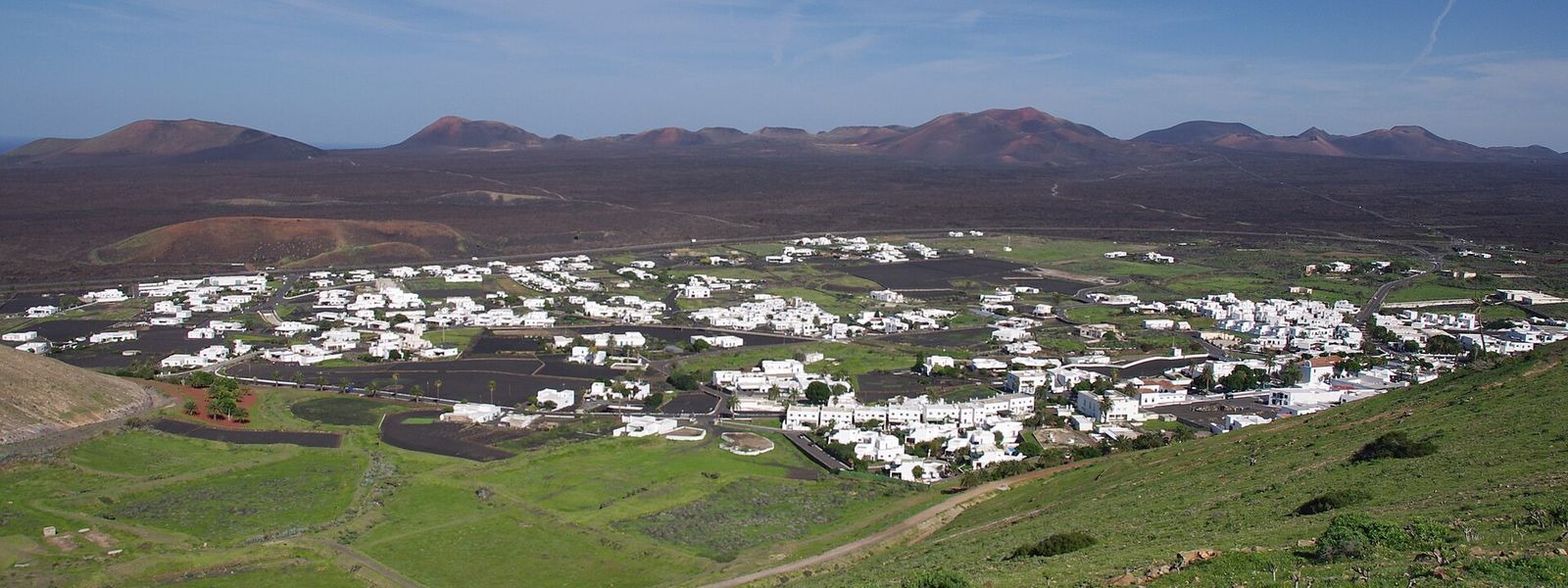
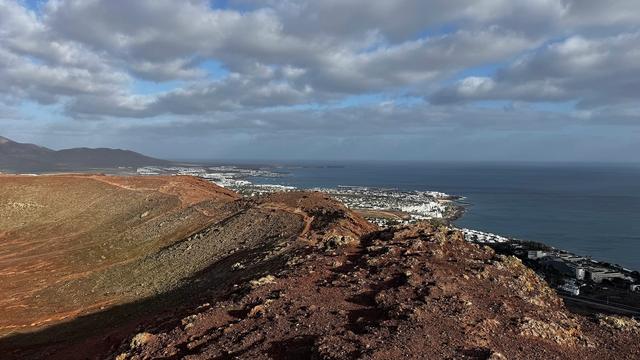
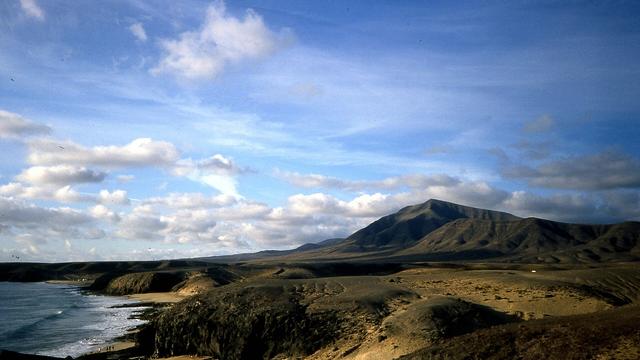
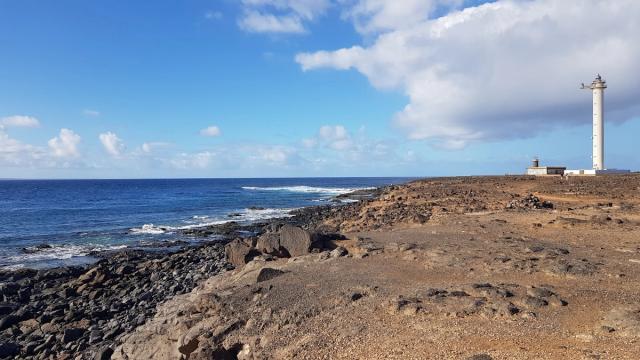
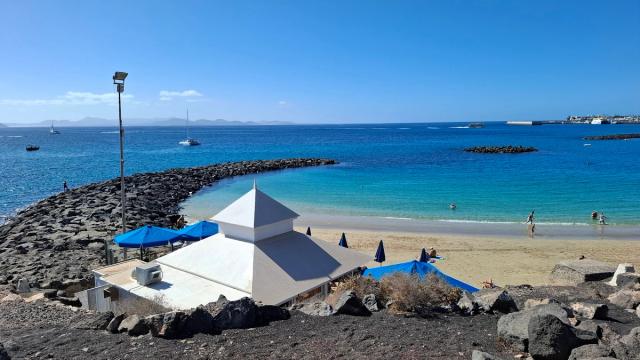
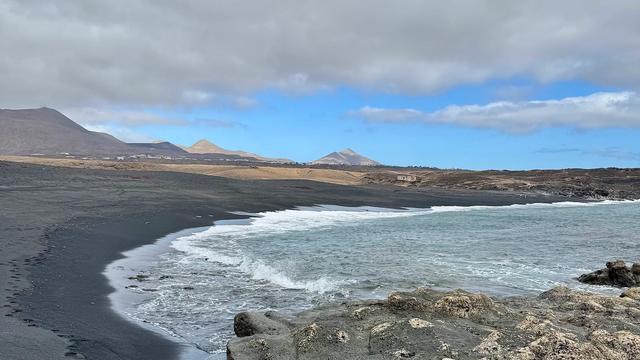
Black lava runs down to the sea along the west coast of Yaiza, the municipality that fills the southwest corner of Lanzarote. Part of Timanfaya National Park lies inside it, the plain left by the eruptions of 1730–1736. The administrative centre is the village of Yaiza; the largest town is Playa Blanca on the south coast, near the Papagayo beaches. Travellers come for the volcanoes, the coast at El Golfo and Los Hervideros, and El Rubicón, where the first European settlement in the Canaries was founded in 1402.
Yaiza
- Currency
- Euro (EUR)
- Language
- Spanish; English gets you by
- Power plug
- Type C/F, 230 V
- Visa
- Schengen
- Time zone
- UTC+0 / UTC+1 (WET/WEST)
- Tap water
- Safe; desalinated seawater
- Tipping
- Not expected; 5–10% for great service
- Emergency
- 112
Things to do
All tours in Yaiza on GetYourGuide
Paid links: booking through them supports YowJourney.
When to go
High season
Nov – Mar
Winter-sun season: Playa Blanca fills with visitors from northern Europe, and the days stay mild enough for the lava fields at midday.
Shoulder
Apr – Jun
Spring falls between the winter and summer crowds, with long days for the drive up the west coast to El Golfo and Los Hervideros.
High season
Jul – Aug
Summer brings Spanish holidaymakers, the hardest sun of the year on a lava plain with no shade, and a steady wind along the coast.
Shoulder
Sep – Oct
Autumn keeps the summer warmth in the sea while the resorts thin out before the winter season.
How long to stay
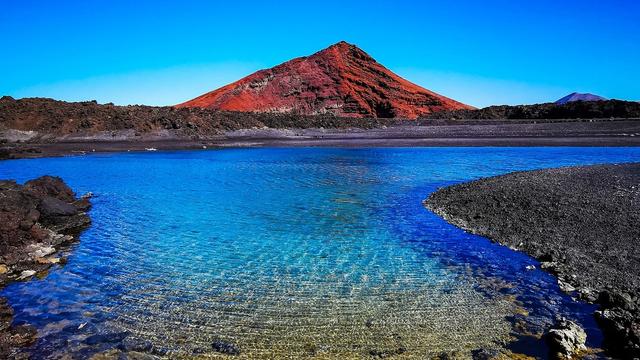
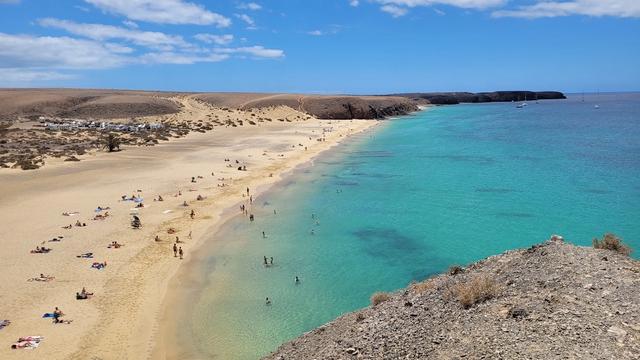
Two full days cover the municipality. Give one to Timanfaya National Park and the west coast — El Golfo, the green lagoon of Charco de los Clicos and Los Hervideros — and the other to the Papagayo beaches, Femés and the vineyards of La Gería on the edge of the lava. For a week on Lanzarote, Playa Blanca works as a base for driving out to the rest of the island.
Getting around
The LZ-2 is the spine of the municipality, running from Arrecife past Yaiza village to Playa Blanca on the south coast. Anywhere off it — the national park, El Golfo, Los Hervideros, the vineyards — you need your own wheels. A bicycle will do, but a hire car covers more ground and shelters you from the sun and the wind on the open lava. In Yaiza village the main bus stop is at the supermarket in the centre.
Timanfaya is easiest on an organised coach tour, with commentary on the lava types and the craters they built. The catch: more time in gift shops than you would choose, and you may miss lunch at the El Diablo restaurant.
Local rules
Timanfaya has been a national park since 1974, with further legal protection added in 1994, and the rules that come with that hold everywhere inside it.
- Stay on the marked routes. Walking or driving off them across the lava fields is not allowed.
- Leave the stones. Lava, ash and rock stay where they lie, however small the piece.
- No drones without a permit. Flying over the park needs authorisation from the park authority.
What to see
Destinations in Yaiza
Frequently asked questions
Are Yaiza and Playa Blanca the same place?
Playa Blanca is the largest town in the municipality of Yaiza, on the south coast. The administrative centre is the much smaller village of Yaiza, about 22 km west of Arrecife on the LZ-2.How do I see Timanfaya National Park?
The visitor site inside the park is the Montañas del Fuego, run by the island's Centres of Art, Culture and Tourism (CACT). An organised coach tour is the easiest way round. At Islote de Hilario the El Diablo restaurant cooks Canarian dishes over the volcano's own heat; its name and the park's devil mascot come from a 1968 drawing by César Manrique, kept in the visitor centre.Did the eruptions reach Yaiza?
The lava of 1730–1736 flowed mostly northeast, sparing Yaiza but burying a dozen other villages and their farmland. The main chronicle of the eruptions was written by Yaiza's parish priest of the time, Andrés Lorenzo Curbelo. Another eruption followed in 1824.What is El Rubicón?
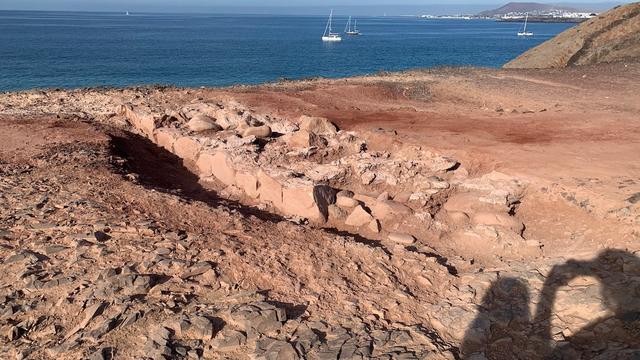
The southern end of the municipality, where the first European settlement in the Canary Islands was founded in 1402 and the conquest of the archipelago began. Its cathedral of San Marcial de Limoges was destroyed by English pirates in the 16th century; the saint is now honoured in the Hermitage of San Marcial de Limoges in Femés.Is the west coast safe to walk?
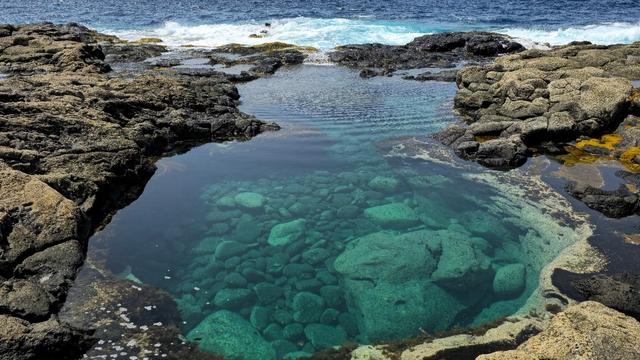
At Los Hervideros and El Golfo the open Atlantic breaks straight onto the lava, and the swell sends spray over the rock. Keep back from the edge when the sea is up, and never turn your back on the waves.