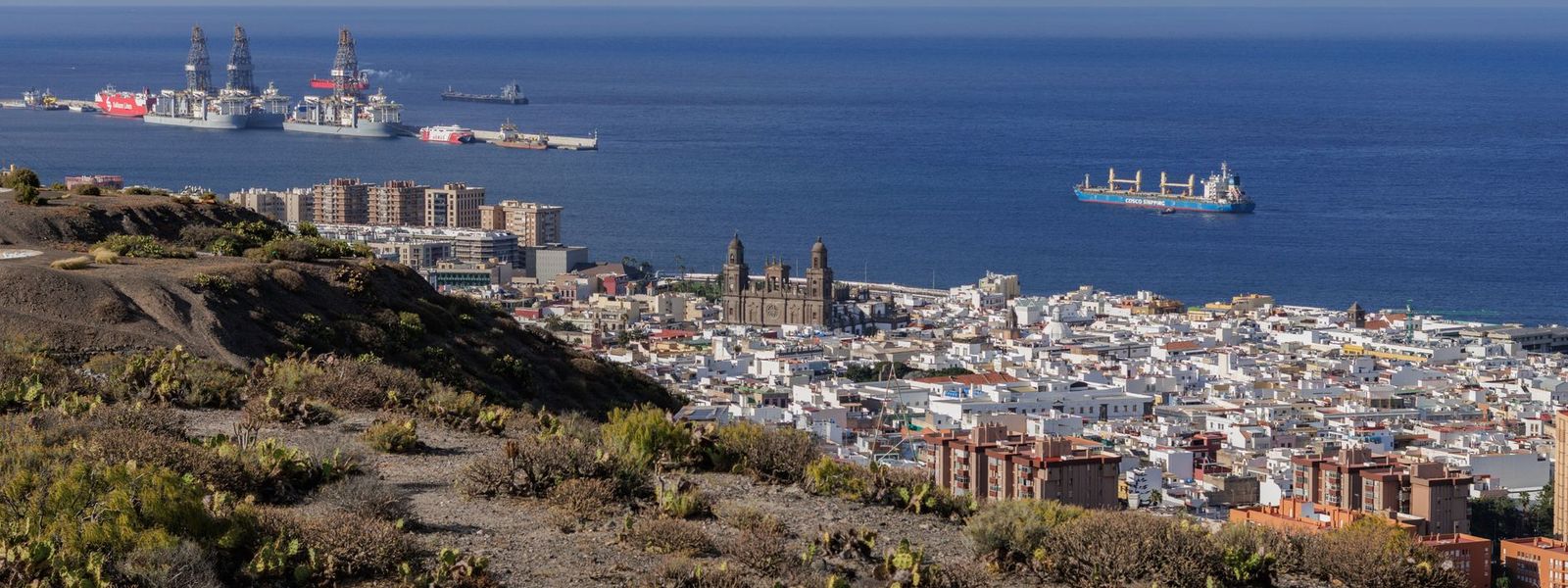
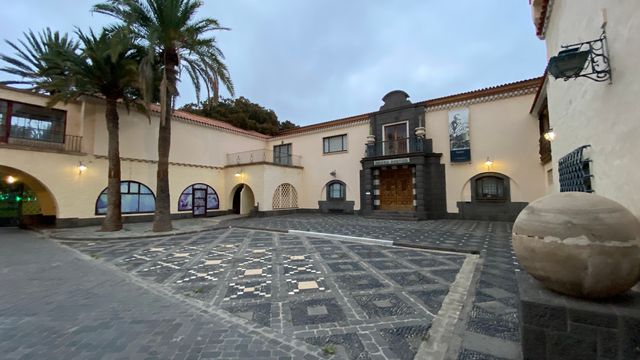
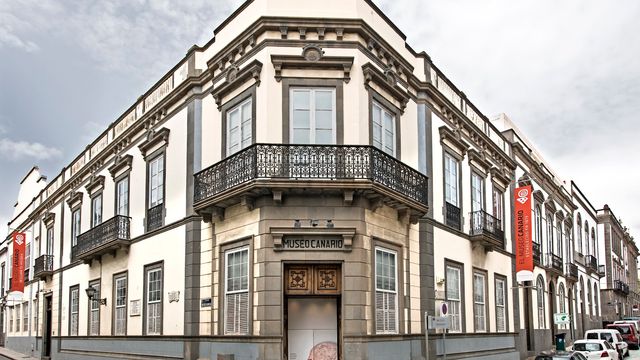
Las Palmas de Gran Canaria began in 1478 as a Castilian camp at the mouth of the Guiniguada ravine, on the ground that is now Vegueta, and has grown into a port city of about 382,000 people. Travellers come for Las Canteras, a 3,100-metre beach where a natural reef holds most of the Atlantic swell offshore, and for the old quarter's museums, from the Casa Museo de Colón to the Museo Canario. Its carnival is one of the main draws of the year.
Las Palmas de Gran Canaria
- Currency
- Euro (EUR)
- Language
- Spanish; English, German in resorts
- Power plug
- Type C/F, 230 V
- Visa
- Schengen
- Time zone
- UTC+0 / UTC+1 (WET/WEST)
- Tap water
- Safe; mineral taste in the south
- Tipping
- Not expected; 5–10% for great service
- Emergency
- 112
Things to do
All tours in Las Palmas de Gran Canaria on GetYourGuide
Paid links: booking through them supports YowJourney.
When to go
High season
Dec – Feb
January days reach 19–23 °C with the sea around 20 °C, and this is when visitors from northern Europe come for the warmth.
Shoulder
Mar – Jun
The sea is at its coolest, around 19 °C in March, and June brings the Fiestas de San Juan, which mark the city's founding.
High season
Jul – Sep
August and September are the hottest months at 27–30 °C by day, the UV index peaks through summer, and holidaymakers from across Spain crowd Las Canteras in August.
Shoulder
Oct – Nov
The sea is warmest in October at about 23.5 °C, and in November the marina fills with yachts preparing for the ARC rally across the Atlantic.
How long to stay
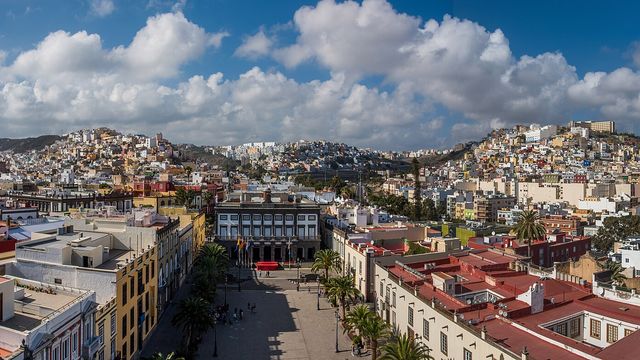
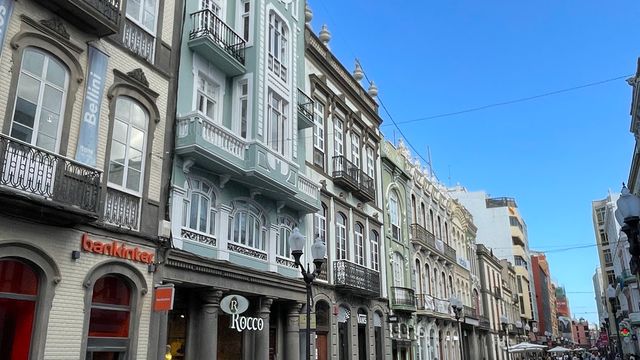
Two or three days cover the city itself: a morning in the lanes of Vegueta and along Calle Mayor de Triana, an afternoon on Las Canteras, an evening on the promenade towards the Auditorio Alfredo Kraus. Give it a week if you use the city as a base for the north of Gran Canaria, since many of the island's blue Global bus lines start or end in the capital.
Getting around
The bright yellow city buses of Guaguas Municipales, known simply as guaguas, run 40 urban routes. On the main lines a bus comes every 3 to 15 minutes by day and every 10 to 40 minutes at night, and some lines keep running through the night. Rides are paid with a rechargeable plastic card, topped up at the bus stations and at machines around the city. The two hubs are San Telmo, next to Vegueta and Triana, and Santa Catalina, by the port and Las Canteras. For the rest of the island, the blue Global buses leave from the same stations. Google Maps and Moovit both cover the routes.
Driving is the weak option. The street plan is far from a grid and confuses even experienced drivers, and the roads clog on weekdays. There is no railway anywhere on Gran Canaria.
Local rules
- Ring for your stop. Press the stop button on every bus, city or Global, or the driver may carry on past it.
- No standing on Global buses. When the seats are full you wait for the next one. Carry-on bags travel on your lap, and bicycles go on a bus only in a bag or box.
- Walk past free offers. Strangers handing out lottery tickets or free meals are usually selling holiday-club memberships or timeshares, and can turn hostile when refused.
- After the clubs close, take a taxi. Groups of drunk revellers outside nightclubs in the small hours can turn aggressive.
What to see
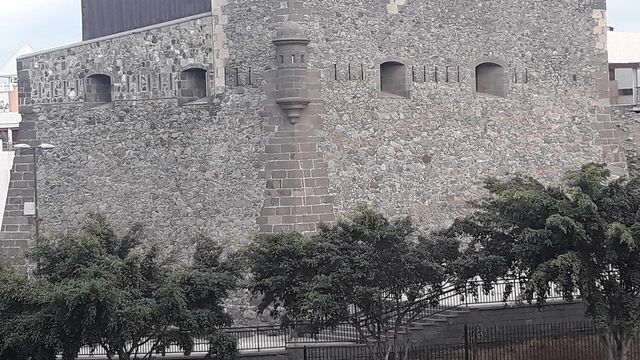
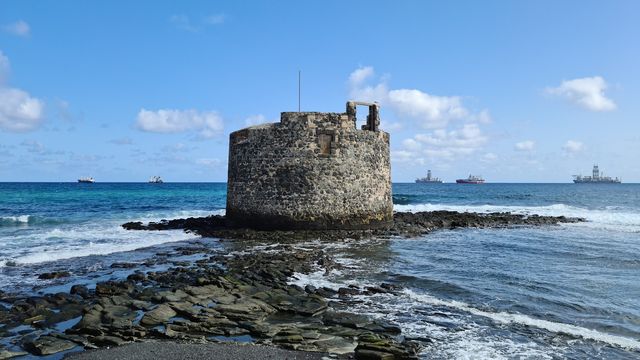
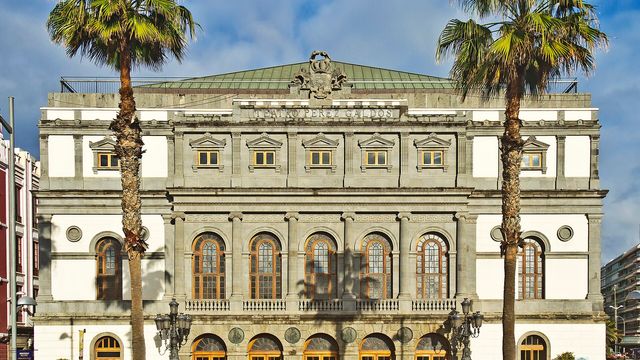
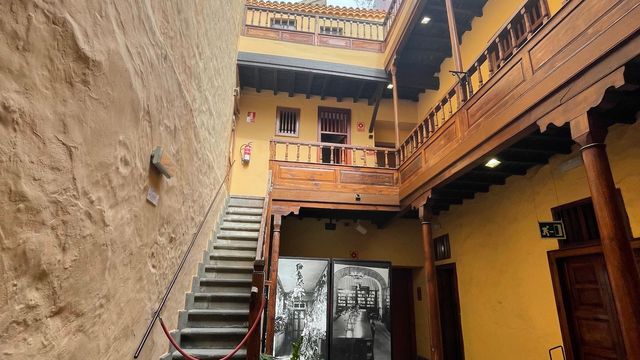
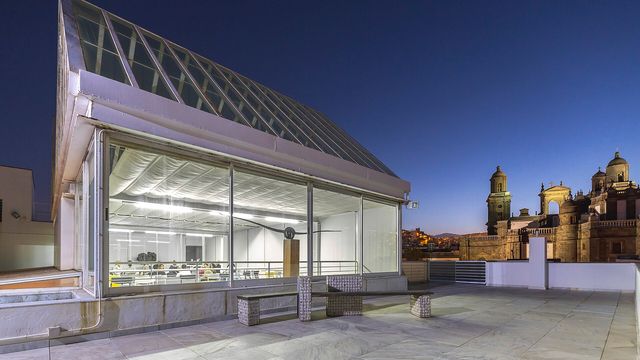
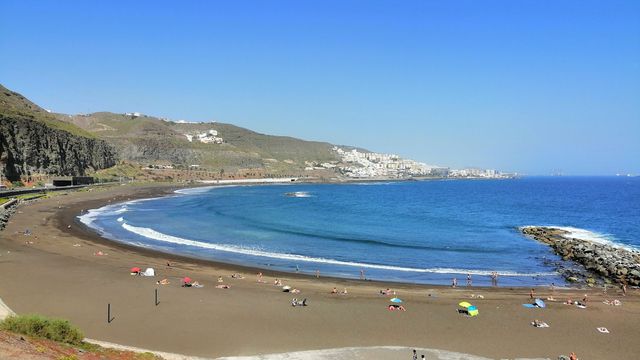
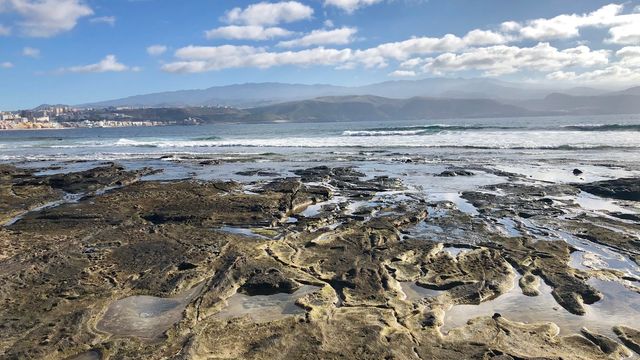
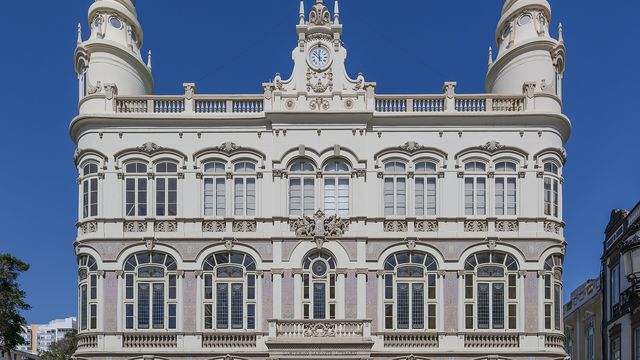
Destinations in Las Palmas de Gran Canaria
Frequently asked questions
Is Las Palmas de Gran Canaria good for a beach holiday?
For a city stay with a beach, yes. Las Canteras runs 3,100 metres along the west side of the isthmus, and a reef known as "the bar", within easy swimming distance of the shore, shelters most of it from the Atlantic waves. The north of the island is windier than the south, so the city beaches feel cooler than the southern resorts.Where can you surf in the city?
El Confital, at the northern end of the same bay, is a hard volcanic shore with a fast right-hand break that hosts qualifying events for the world surfing championship. It is a spot for experienced surfers: the swell breaks over rock, so swim at Las Canteras instead. La Laja, on the south side of the city, also draws surfers, while the calm bay of Las Alcaravaneras, between two yacht clubs, suits sailing and canoeing.How do you get from the airport into the city?
Gran Canaria Airport lies on the east of the island. Global's blue buses run airport–city express lines 60 and 91 to the two main bus stations, San Telmo and Santa Catalina, and luggage goes in the hold. Taxis pick up only at the designated rank.Which part of the city should you stay in?
Puerto-Canteras has by far the most hotels and nightlife, along with Las Canteras and the cruise port. Vegueta and Triana hold the historic core, the museums and the pedestrian shopping street of Calle Mayor de Triana.Does it rain much?
Very little. Rain falls on about 22 days a year, 151 mm in total, and the city has never recorded snow or sleet. Winter still gets around six hours of sunshine a day.