The Museo Canario is an archaeological museum in Vegueta, the old quarter of Las Palmas de Gran Canaria, devoted to the islands before the Spanish conquest. A historical society founded it in 1879 and opened its first rooms in the city hall in 1880. Since 1930 it has occupied the former home of one of its founders, Dr Gregorio Chil y Naranjo. Its collection is the largest of its kind in the Canary Islands: ceramics, idols, pintaderas, tools, mummies and human remains.
Museo Canario
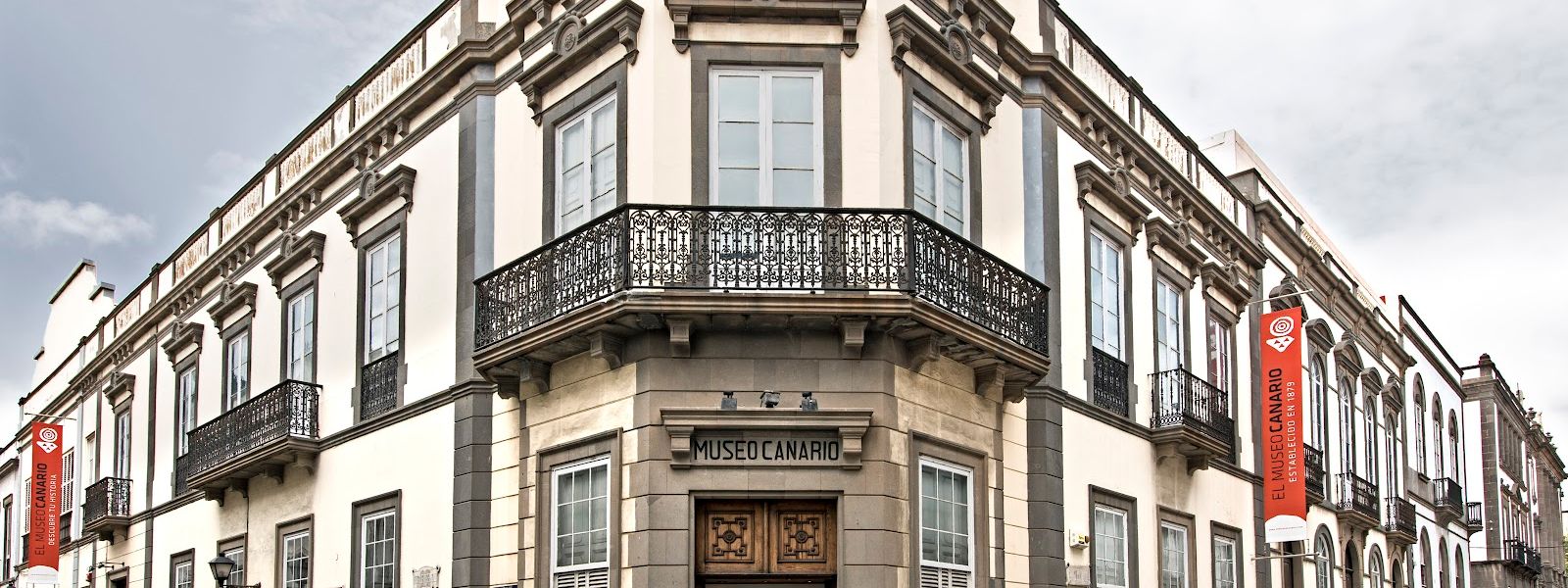
Archaeology museum of pre-Hispanic Gran Canaria, with mummies and a room of 900 skulls kept in its 19th-century layout
- Entrance
- Paid entry; reduced tickets for children and visitors with disabilities.
- Accessibility
- The entrance is not wheelchair accessible and there is no accessible parking; the toilet inside is wheelchair accessible.
- Parking
- Free street parking in the surrounding streets. Car parks at Prolongación de Primero de Mayo (about 360 m away) and Juzgados de Vegueta (Santa Isabel), about 390 m away.
- Difficulty
- None: the museum opens straight onto a street in Vegueta, the old quarter of Las Palmas.
- Transport
- Bus stops Reyes Católicos 9 (about 135 m away) and Castillo 16 (about 220 m away).
- Hours
- Monday to Friday 10:00–20:00; Saturday and Sunday 10:00–14:00.
- Address
- Calle del Dr. Verneau, 2, 35001 Las Palmas de Gran Canaria, Las Palmas, Spain
What makes it special
In the Verneau Room, 900 human skulls and half a dozen mummies stand arranged exactly as anthropologists displayed them in the 19th century. The layout is kept on purpose. It now shows how the museum's founders thought about race — they hoped to tie the ancient islanders to Cro-Magnon Europe, when their roots were North African — and how far display practice has moved since. The room is morbid, and it stays with you.
The rest of the house tells the story of the island before the conquest: clay pots, tools of bone and wood, animal skins, and the clay stamps known as pintaderas. The best-known piece is the Idol of Tara (Ídolo de Tara), a terracotta human figure linked to a pre-Hispanic village in Telde; its origin and purpose are unknown. There is also a reproduction of the Painted Cave (Cueva Pintada) at Gáldar.
Good to know
- Wall texts are in Spanish. Take the audio guide: it explains what each display means.
- Mummies and skeletal remains are on open display. Prepare younger children before the Verneau Room.
- The entrance is not wheelchair accessible.
- There is a toilet inside, and a free public one about 130 m away.
Getting there
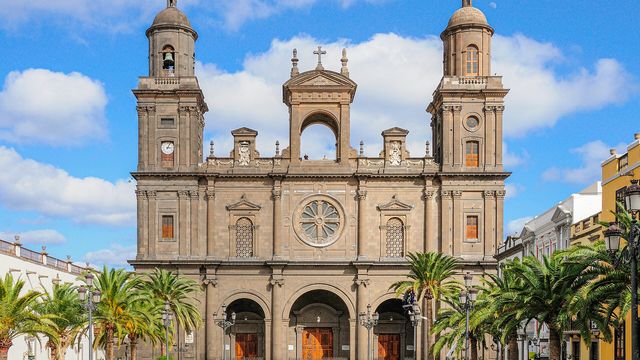
The museum stands in Vegueta, the old quarter of Las Palmas, a short walk from the Catedral de Santa Ana.
By bus, the nearest stop is about 135 m away in a straight line, with a second one at about 220 m. If you drive, there is free parking in the surrounding streets, and two car parks lie roughly 360 m and 390 m away. From any of them the rest is a walk through the old town's streets to the door.
Best time to visit
Best: a weekday, when the doors stay open into the evening.
Avoid: Saturday and Sunday afternoons, when the museum has already closed.
The audio guide and the Verneau Room both reward time, and a weekday leaves you the most of it. Everything is indoors, so the museum also suits the hottest hours of the day or a grey one.
Things to do nearby
All tours in Las Palmas de Gran Canaria on GetYourGuide
Paid links: booking through them supports YowJourney.
Sun & daylight
Nearby Places
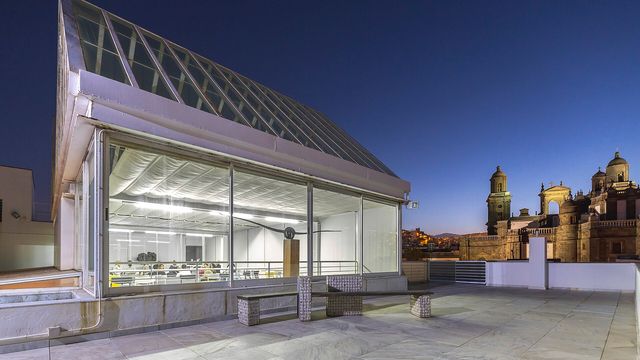
Similar Places
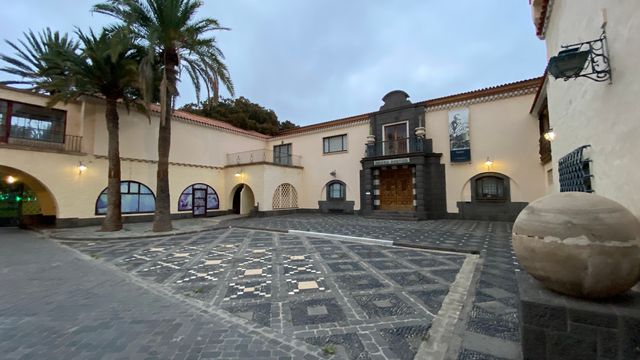
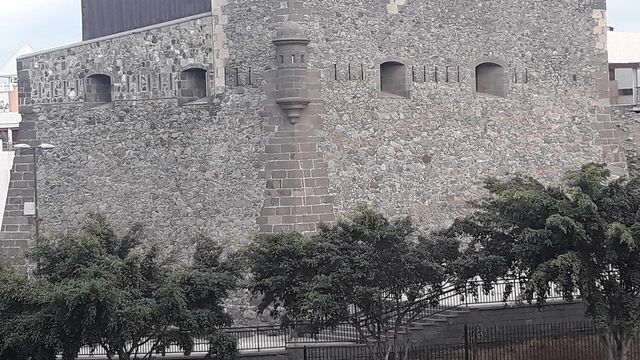
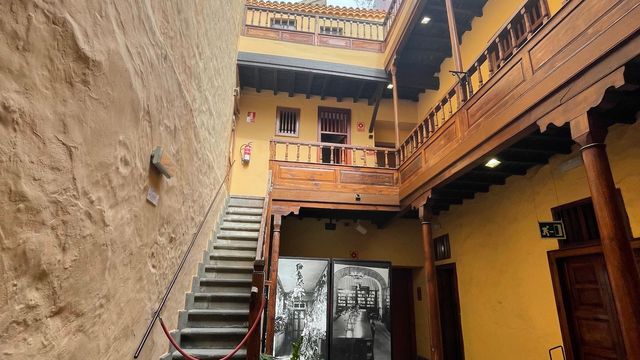


Your whole travel map in one place
Get inspired by new places around the world and find the ones worth the journey
Frequently asked questions
Can I visit the Museo Canario without speaking Spanish?
The wall texts are in Spanish, but audio guides explain the displays, so the collection is easy to follow without the language.Is the Museo Canario suitable for children?
Children are welcome and pay a reduced price. The Verneau Room holds 900 skulls and mummies on open display, which some children will find disturbing.What is the Verneau Room?
A room of 900 human skulls and half a dozen mummies, named after the French archaeologist René Verneau and deliberately kept in its original 19th-century display layout.Is the Museo Canario wheelchair accessible?
No. The entrance is not wheelchair accessible, although the toilet inside is.