Vegueta is the oldest quarter of Las Palmas de Gran Canaria. It grew from the camp Juan Rejón's Castilian troops set up beside the Guiniguada ravine in 1478, the first Castilian settlement in the Atlantic. From the 16th century its centre was Plaza de Santa Ana, ringed by the cathedral, the Bishop's Palace and the town hall. Declared a national historic-artistic ensemble in 1973, it is still the city's administrative centre and the best-preserved historic centre in the Canary Islands.
Vegueta Historic Quarter
Local name: Vegueta
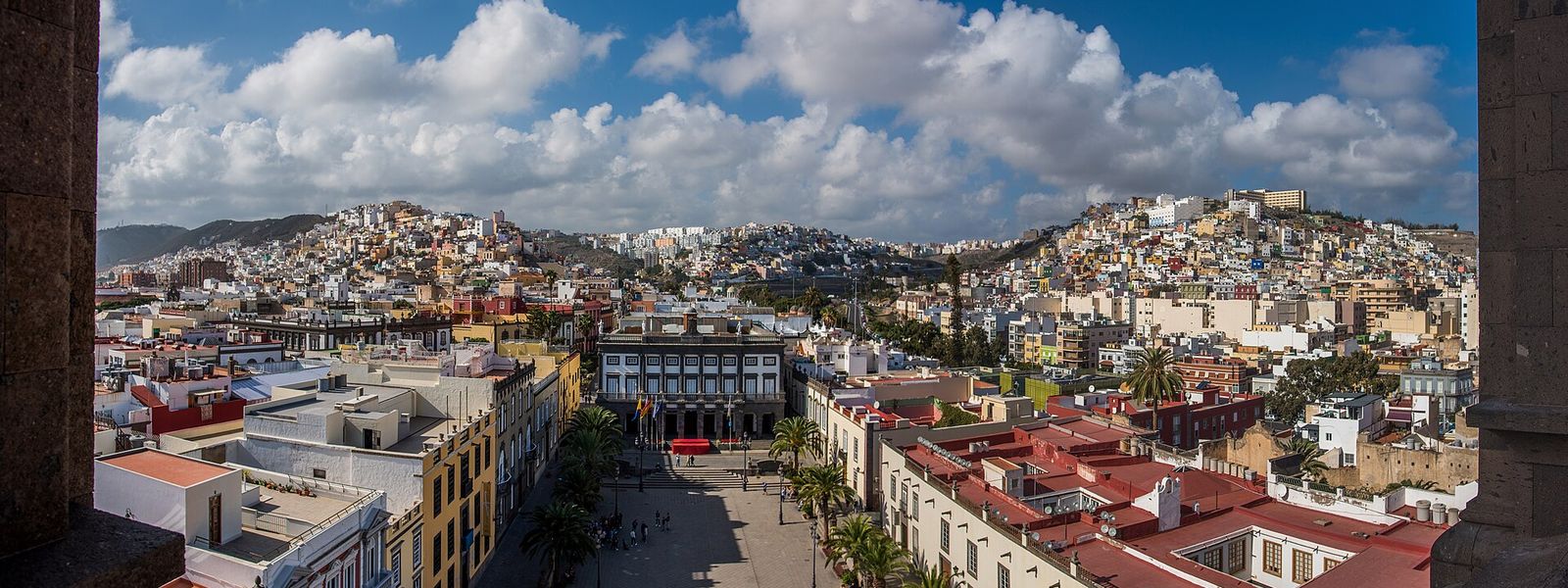
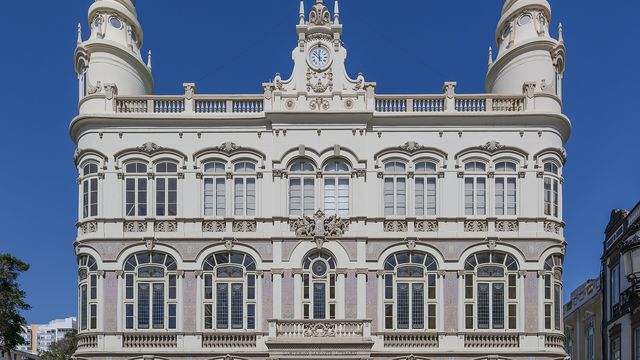
Founding quarter of Las Palmas from 1478, with cobbled streets, wooden balconies and Santa Ana Cathedral
- Entrance
- Free: the quarter is open streets and squares. The cathedral and museums are separate visits.
- Accessibility
- Wheelchair-accessible parking and entry; the old streets are cobbled, so the surface is uneven for wheels.
- Parking
- Car parks about 300 m away (Prolongación de Primero de Mayo) and 360 m away (Mercado de Vegueta, paid); the Vegueta Parking garage on Calle Doreste. Wheelchair-accessible parking available.
- Difficulty
- None to speak of: a walk through town streets on cobbles.
- Transport
- Bus stops Reyes Católicos 9 (about 170 m) and Plaza de las Ranas (about 190 m).
- Advance booking
- Not needed to walk the quarter.
- Hours
- Open at all times as a city district; the cathedral, museums and market keep their own hours.
- Address
- Plaza Sta. Ana, 35001 Las Palmas de Gran Canaria, Las Palmas, Spain
What makes it special
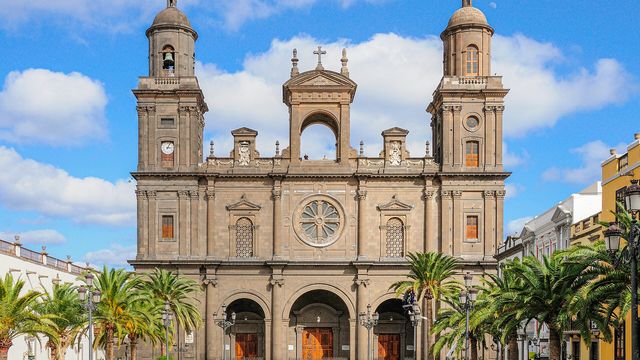
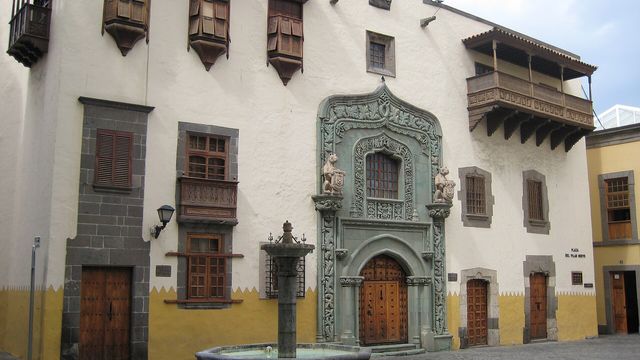
Stand in Plaza de Santa Ana and the city's whole story sits around one paved square: the towers of Santa Ana Cathedral on one side, the town hall facing them, the Bishop's Palace alongside. From there the streets run straight and ordered, laid out in the 16th century, past house fronts with wooden balconies and stone doorways in Late Gothic and Renaissance styles. Calle de los Balcones is named after them.
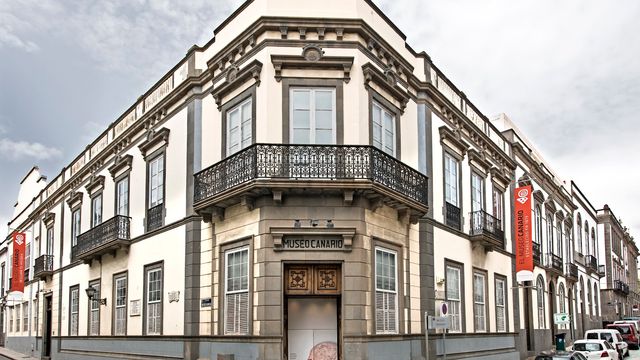
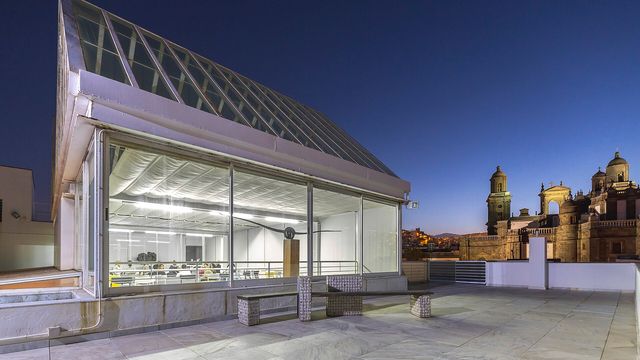
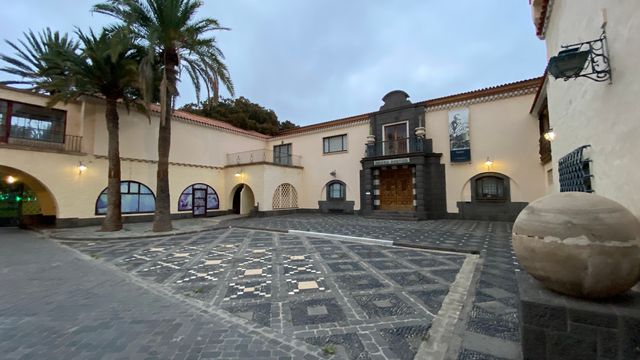
The same streets hold Casa de Colón, the Museo Canario, the Centro Atlántico de Arte Moderno in Casa Móxica and the Mercado de Vegueta. The Ermita de San Antonio Abad stands near the spot where the conquerors pitched their first camp in 1478. Nothing of that fort survived the fires of Drake's and Van der Does's raids. The street plan did. The quarter is quiet, and there are cafés to sit in between visits.
Good to know
- The streets are cobbled: wear shoes with grip, and expect a bumpy push with a wheelchair or buggy.
- Free public toilets are about 90 m from Plaza de Santa Ana; paid ones about 320 m away.
- A drinking-water point is about 350 m from the square.
- Information boards and a street map stand by Santa Ana Cathedral.
- Walking the quarter costs nothing; the cathedral and museums are separate visits with their own hours.
Getting there
The bus is the simplest way in: two stops, Reyes Católicos 9 and Plaza de las Ranas, sit within about 200 m of Plaza de Santa Ana. Drivers have two car parks at roughly 300 m and 360 m, the farther one at the Mercado de Vegueta. Either way the last stretch is on foot over cobbles, and the cathedral towers give you a fixed point to steer by. The quarter's northern edge is the GC-110, laid over the old Guiniguada ravine, with Triana on the far side.
Best time to visit
Best: early morning or late afternoon.
Avoid: the middle of a summer day out on Plaza de Santa Ana.
Low sun lights the balconies and stone doorways from the side, while at noon the open paved square takes the full heat and only the narrow side streets hold shade.
Sun & daylight
Nearby Places
Similar Places

Your whole travel map in one place
Get inspired by new places around the world and find the ones worth the journey
Frequently asked questions
Is there a charge to visit Vegueta?
No. The quarter is public streets and squares, free to walk at any hour. The cathedral and the museums inside it are separate visits.Where can I park near Vegueta?
Two car parks lie roughly 300 m and 360 m from Plaza de Santa Ana, one of them at the Mercado de Vegueta, and there is also the Vegueta Parking garage.How old is Vegueta?
It dates from 24 June 1478, when Juan Rejón's troops landed and set up camp beside the Guiniguada ravine. Civil and religious buildings rose around the camp from 1483.Is Vegueta suitable for wheelchairs and children?
There is wheelchair-accessible parking and entry, and the quarter suits children. The old streets are cobbled, so the surface is uneven for wheels.What is there to see in Vegueta?
Santa Ana Cathedral and Plaza de Santa Ana, the Bishop's Palace, the town hall, Casa de Colón, the Museo Canario, the Centro Atlántico de Arte Moderno, the Ermita de San Antonio Abad, Calle de los Balcones and the Mercado de Vegueta.