Lanzarote beyond the beaches: lava, caves and César Manrique
5 min read7 destinations
Canary Islands · Spain
Lanzarote has its beach resorts, but people also come for the black and rust-red volcanic landscape, the vines of La Geria and the work of the artist César Manrique. Between 1730 and 1736 a line of eruptions raised 32 new volcanoes and buried a quarter of the island under lava. Manrique later built his home, an auditorium in a cave and a cliff-top viewpoint into the island's volcanic ground.
Here are seven places that show this side of Lanzarote.
César Manrique's Lanzarote
Jameos del Agua
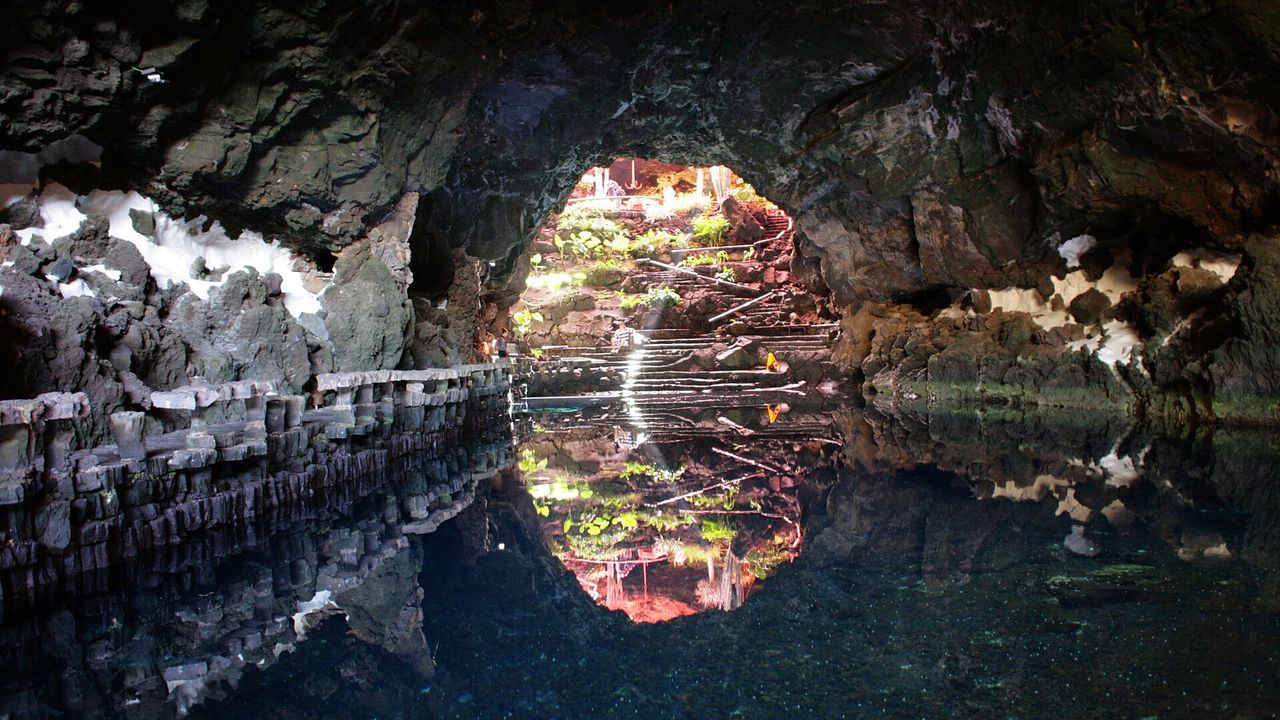
At the bottom of the stairs a still salt lake lies under the roof of a lava tube. The pale specks on the rocks under the water are blind squat lobsters about the size of a fingernail, found nowhere else. They're sensitive to metal, so throwing coins into the water is banned. Further on, where the roof has fallen in, Manrique built an emerald-green pool, gardens and terraces, and an auditorium inside the cave itself. A visit takes about an hour, and the quietest time is right at opening, before the tour buses fill the car park. It's stairs all the way round, so it's not suitable for anyone who struggles with steps.
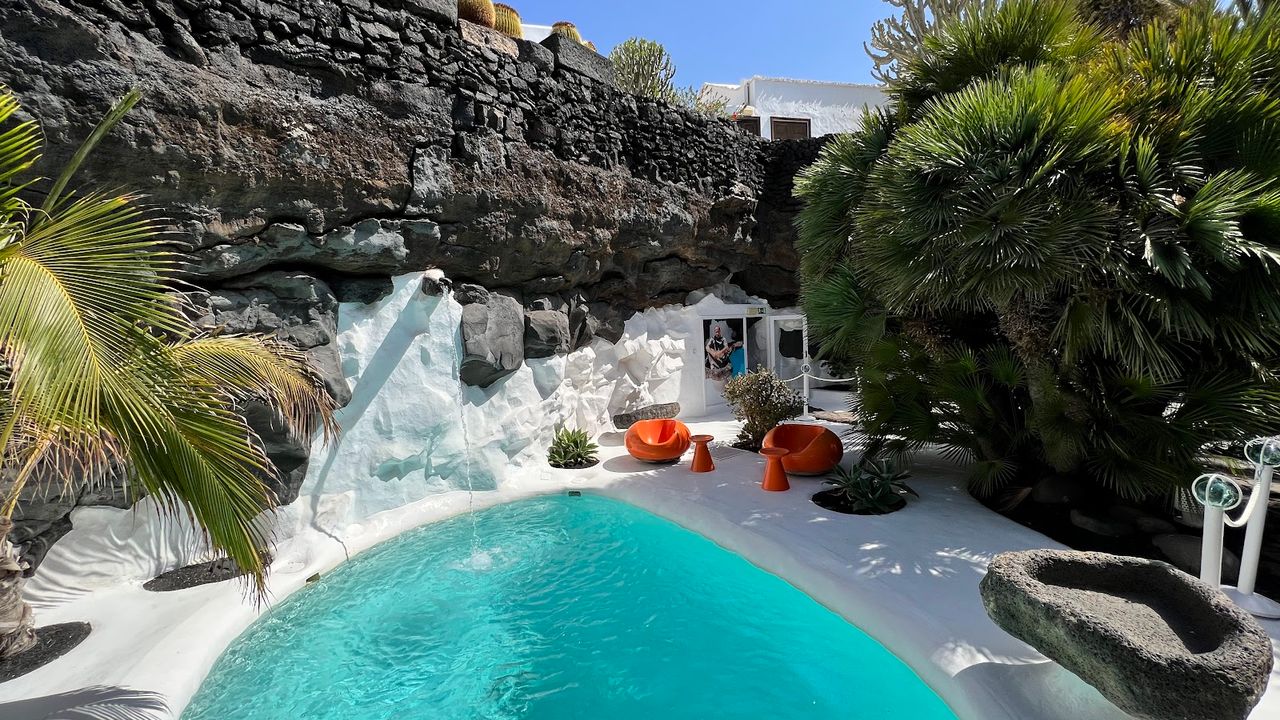
Cesar Manrique Foundation
The house Manrique built for himself at Tahíche looks like a traditional island home from outside, low and whitewashed, with the lava field beyond the windows. Downstairs it gets stranger: a chain of rooms built into volcanic bubbles and joined by passages through black rock, with daylight falling through openings overhead. There's a sitting room, a pool and plants reaching up towards the light. Two collections hang in the rooms, his own work and the contemporary art he owned. Give it one to two hours. Coach tours tend to turn up in the late morning, so the afternoon is quieter.
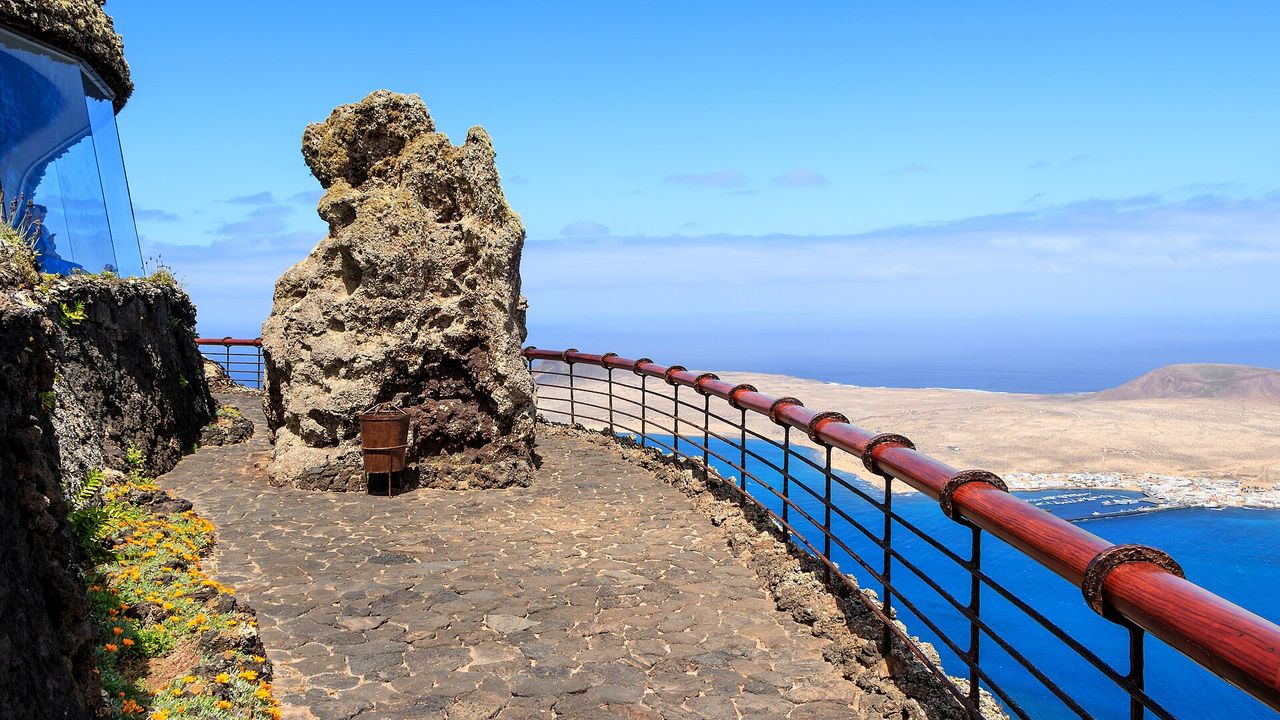
Mirador del Rio
From outside you'd hardly know there was a building here, because Manrique covered it in the same stone as the cliff. A winding corridor leads into two vaulted rooms, each with one huge window. Through them, La Graciosa lies straight below, across the narrow channel of El Río. On a clear day the view reaches the other islets of the Chinijo Archipelago. There's an entry fee, and the café is inside, by the big curved windows. Check the sky before you drive up: low cloud on the escarpment can blank out the view completely. The outdoor terraces take the full force of the wind, so bring a layer.
Things to do in Lanzarote
Paid links: booking through them supports YowJourney.
Volcano country
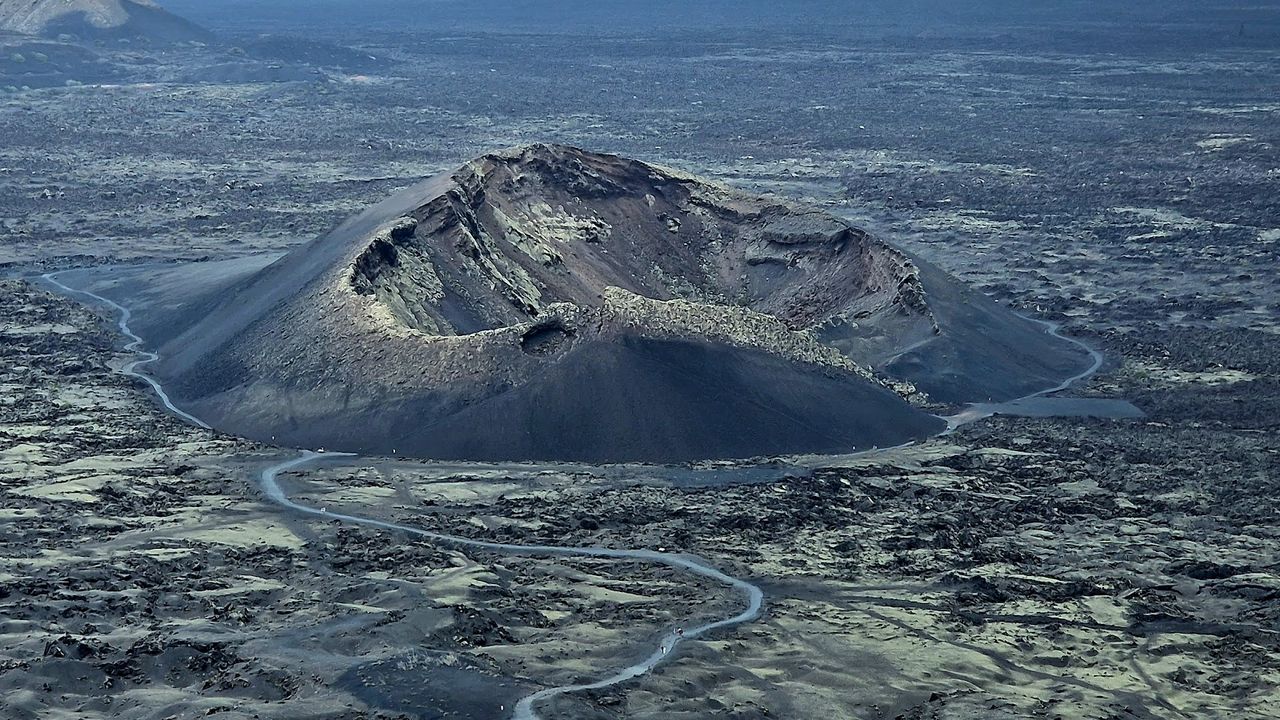
Los Cuervos Volcano
Here you walk right into a volcano. A flat gravel track crosses the lava field to a gap in the crater wall, 15–20 minutes from the car park. Step through and the walls close in on every side. The rock is black, rust and ochre, with barely anything growing on it. Into the crater and back takes about an hour, and the full loop round the cone one to two hours. The walk is easy enough for children, but there's no water, no toilets and no shade. Go early in the morning or after 5pm: by late afternoon the car park quietens and the low sun brings out the reds and browns of the cinder.
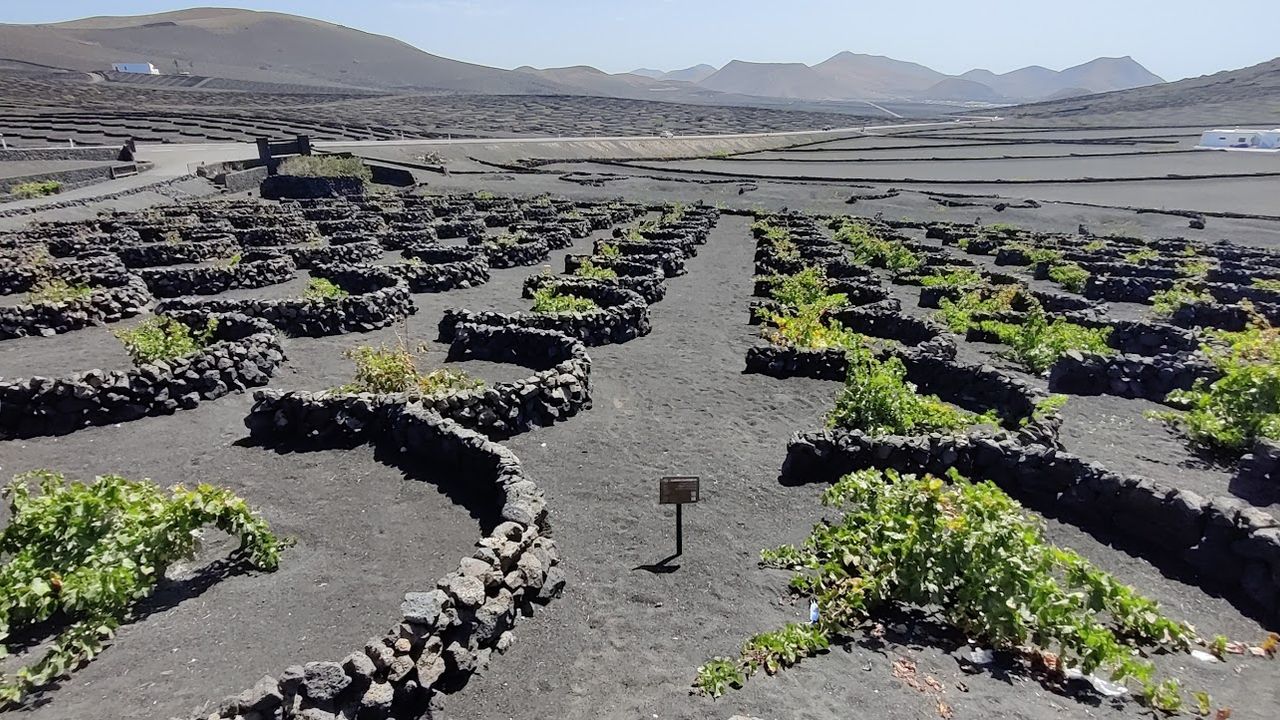
La Geria Wine Region
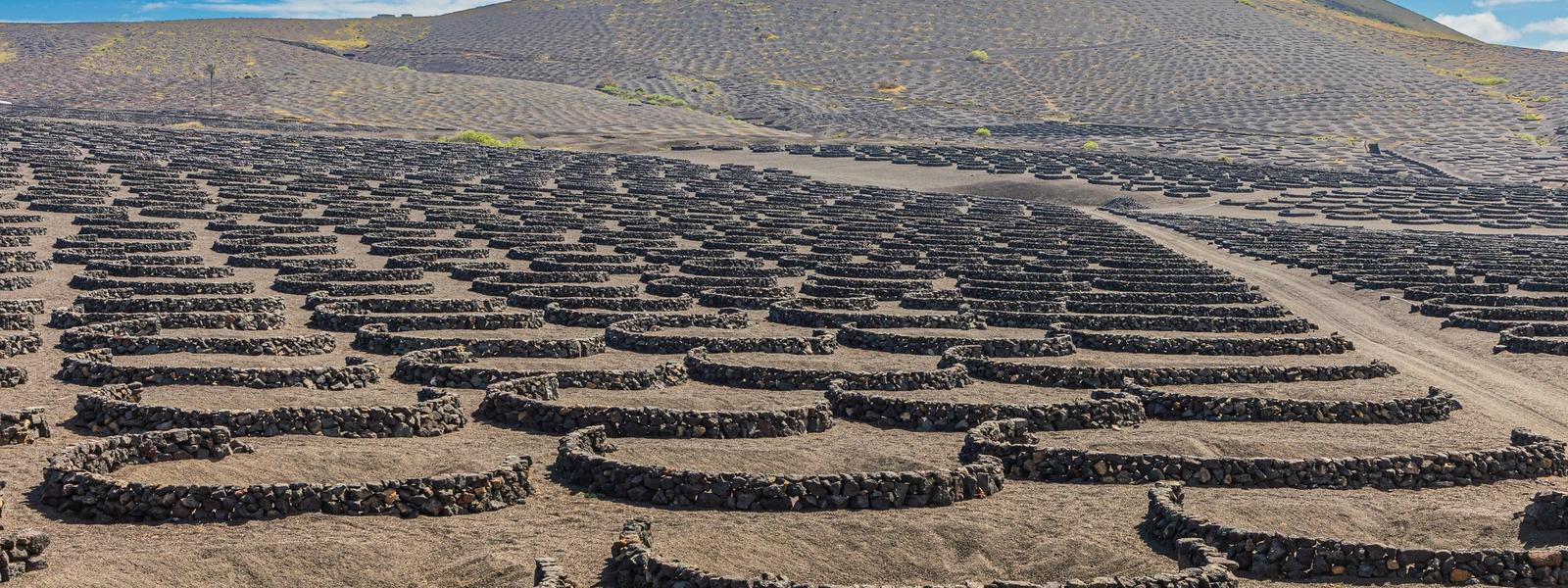
Every vine at La Geria grows in its own pit, 2–3 metres deep and ringed by a low stone wall. The growers dug down through the ash of the 1730s eruptions until they reached the soil. The pit collects what little rain falls here and the overnight dew, and the wall breaks the wind. From the road the pits run across the black slopes one after another, with one vine at the bottom of each. Early or late in the day the low sun fills them with shadow. There's nowhere to escape the sun between the pits, so bring a hat.
Charco de los Clicos Green Lagoon
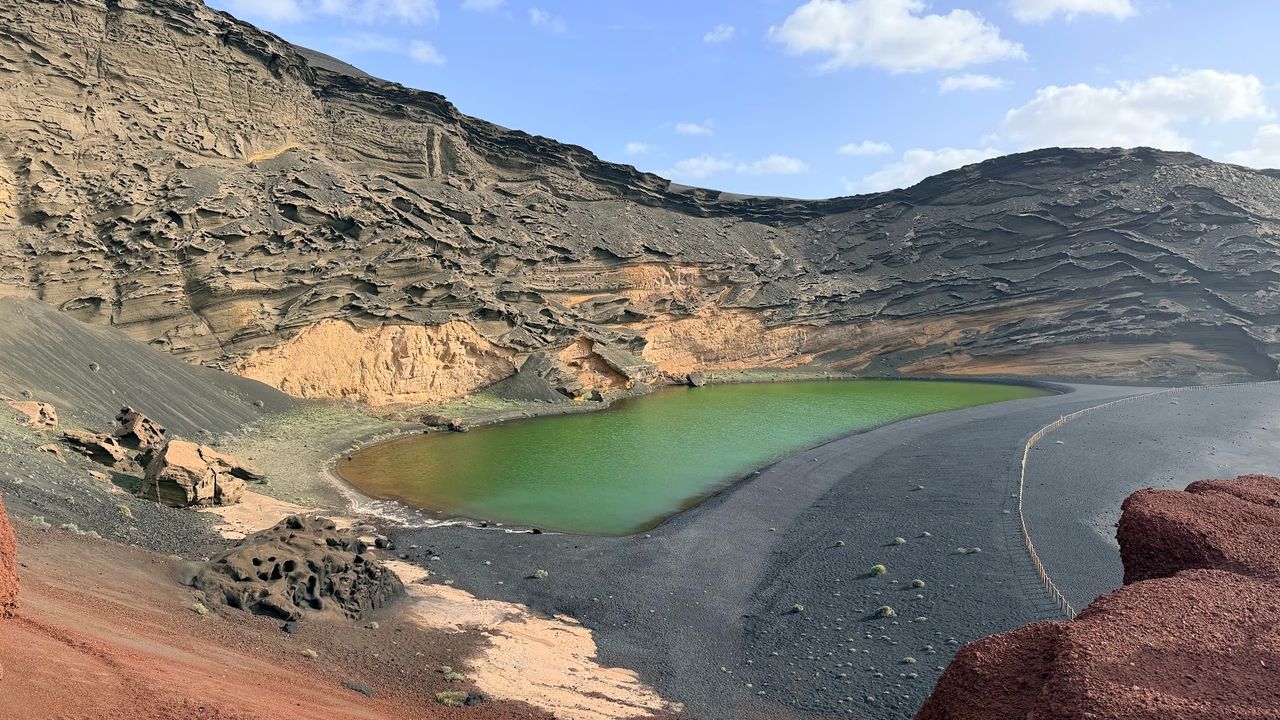
A lagoon of bright green water near El Golfo, held between a bank of black sand and the wall of a half-eroded crater streaked in rust and ochre, with the Atlantic breaking beyond. It's about a ten-minute walk from the free car park to the viewpoint, and a lower path along the shore brings you closer to the water. There's nowhere to swim here; this one is just for looking at. The green is brightest in sunshine and turns dull under cloud, so pick a bright day and come early, before the viewpoint (there's only one) fills up.
Old Lanzarote
Santa Barbara Castle
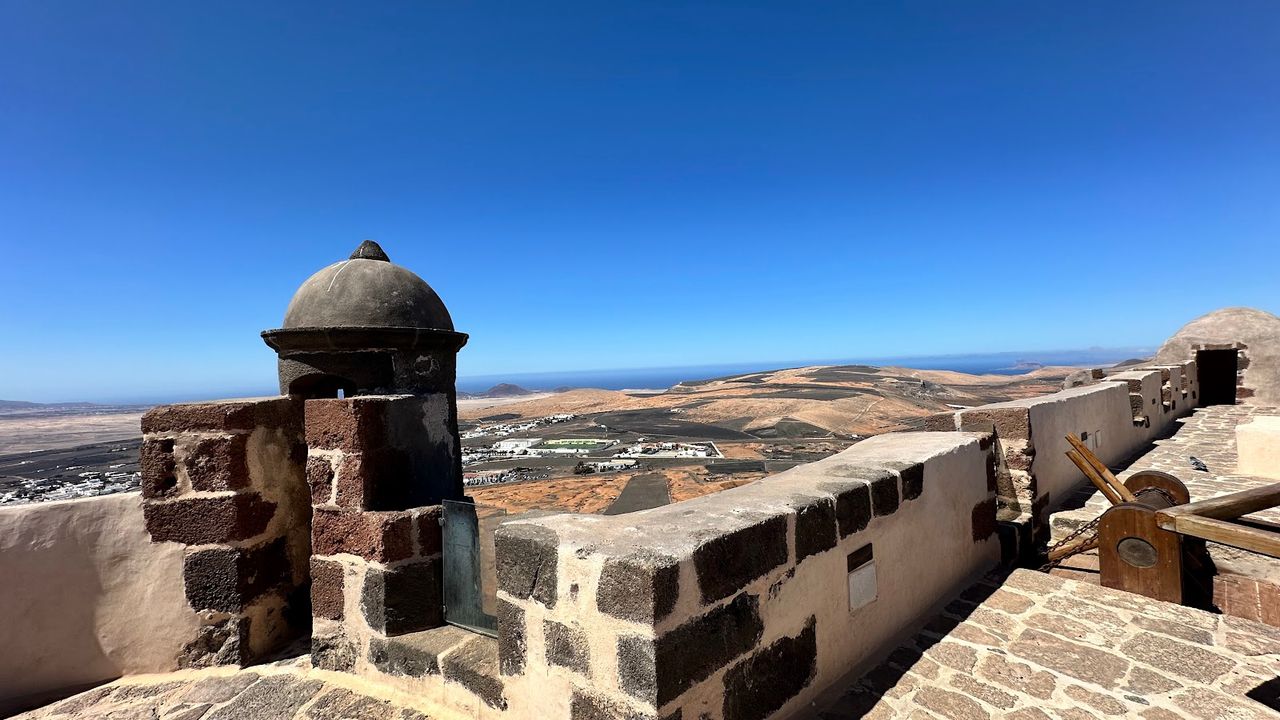
A 14th-century fortress on the rim of a volcanic crater above Teguise, the island's old capital. There's little to see inside, so head for the roof. The stairs to the roof are further inside (the ones by the entrance are barred) and there's no sign, so ask the attendant. From the top the whole crater is in view, with Teguise and the dry interior of the island below. Entry is free. It's windy up there and can turn cold. If the gate on the access road is shut, park beside it and walk up: it takes about 30 minutes.
Before you go
A car makes all of this easy. The island takes about 40 minutes to drive from end to end, and several of these places are a long walk from the nearest bus stop. Bring water too: there's none at Caldera de los Cuervos, La Geria, Charco de los Clicos or Santa Barbara Castle.