Winter sun: the Canary Islands, Madeira and southern Spain
6 min read7 destinations
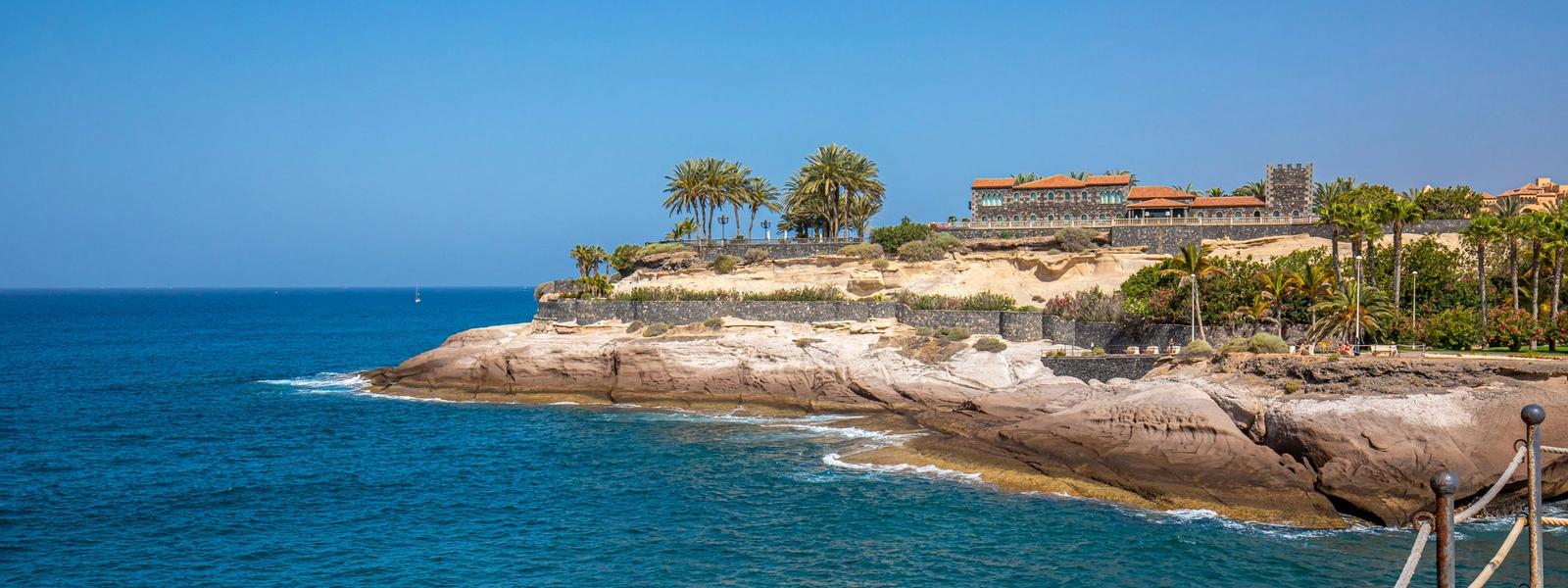
Of the places in this guide, the south of the Canary Islands is the warmest in winter: at Tenerife South Airport, December afternoons average 23 °C and January 22 °C, and the sea off Tenerife is around 20–21 °C. Madeira comes close, while southern Spain is mild and often sunny but not warm enough for the beach. All figures below are long-term averages; the sources are at the end.
In short
- Warmest: the Canary Islands, 21–23 °C by day in December and January.
- For a swim: the Canary Islands and Madeira, with the sea at 19–21 °C; on the Spanish Mediterranean it is 15–17 °C.
- Mild but wet: Madeira, 20–21 °C by day in Funchal, though winter is its rainy season.
- Towns, not the beach: Málaga, Alicante and the Murcia coast, 16–18 °C by day.
The Canary Islands: the warmest winter
Winter on the archipelago is mild and often windy. Now and then the calima, a haze of Saharan dust, cuts visibility and leaves a fine film on everything. On Fuerteventura, afternoons at the airport average 22 °C in December and 21 °C in January, and Atlantic swells build on the north and west coasts. To choose an island by its volcanoes, mountains and caves, see The Canary Islands in winter.
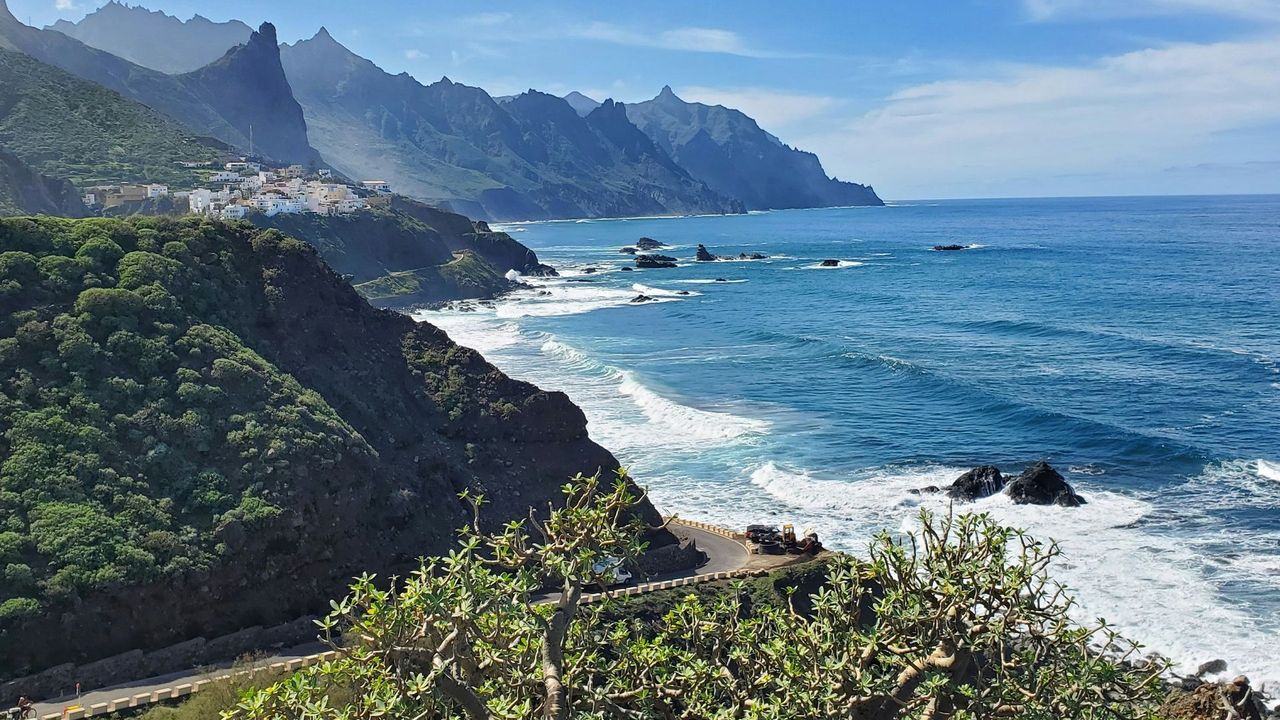
Tenerife
December / January: 23 / 22 °C by day, sea 21 / 20 °C.
The south coast stays warmer and drier than the north: in January the southern airport averages fewer than two rainy days. Up on Teide, winter brings snow. Where to stay: the south coast. More in Tenerife in winter.
Gran Canaria
December / January: 22 / 21 °C by day, sea 21 / 20 °C.
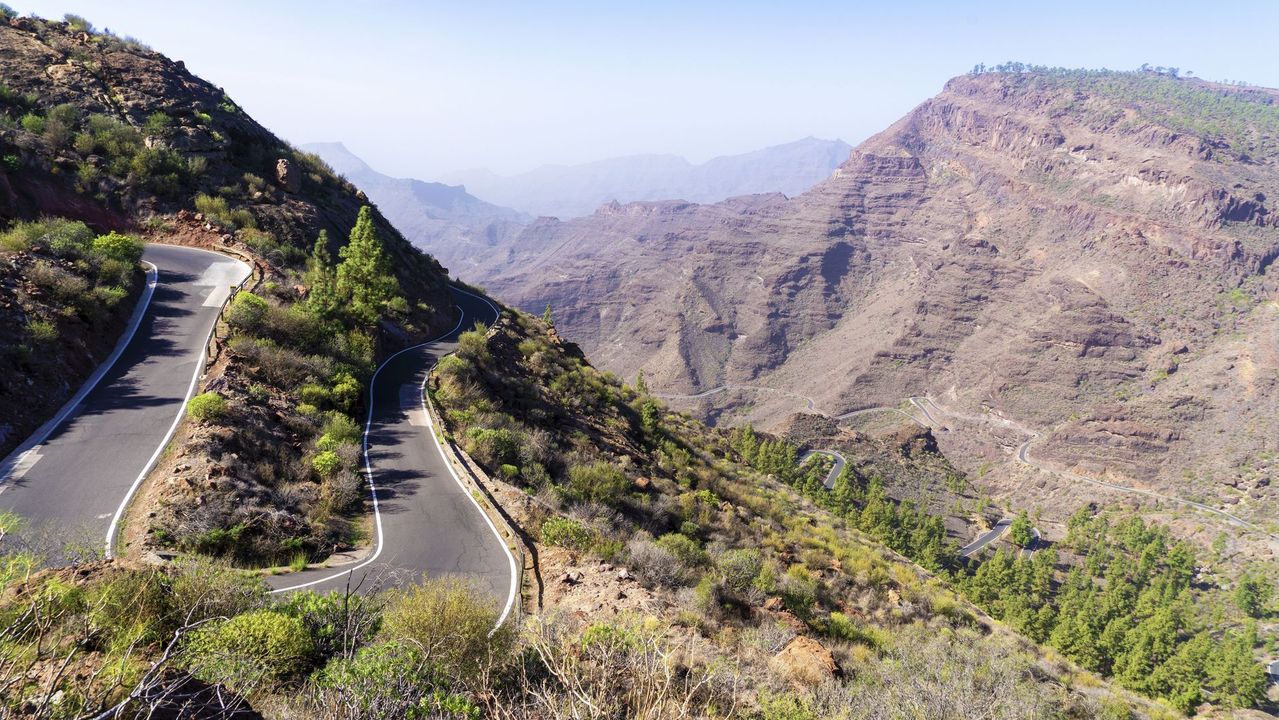
Winter brings most of the year's rain and the odd cloudy, windy spell, and the summits can see frost or snow. Where to stay: the south, warmer and sunnier than Las Palmas. More in Gran Canaria in winter.
Lanzarote
December / January: 22 / 21 °C by day, sea 20 / 19 °C.
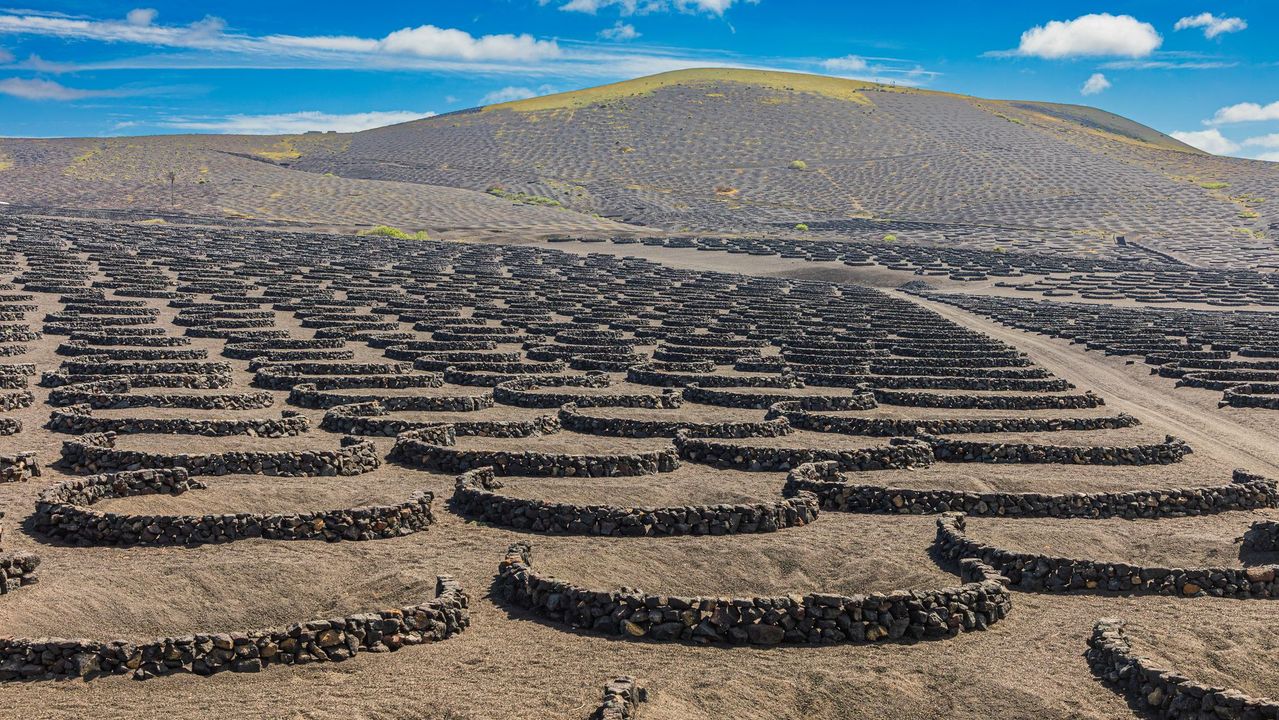
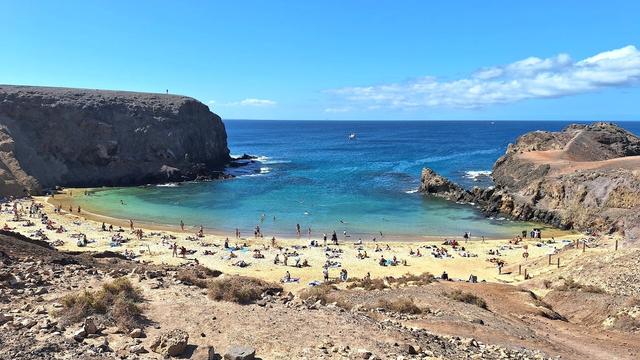
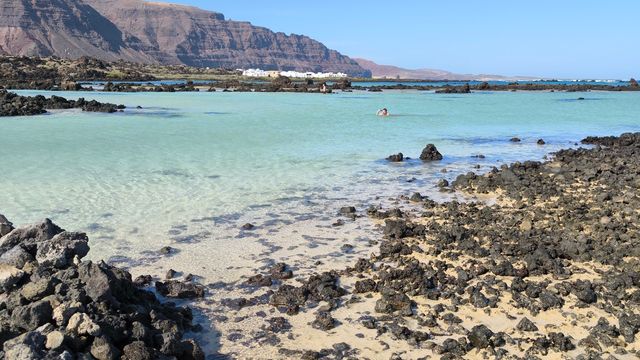
What little rain Lanzarote gets falls mostly from December to February, and after the rain, wild flowers come up on the dry ground in February and March. On the southern tip, Papagayo's white-sand cove is best early in the day, before it fills up; in the north, the lagoons at Caletón Blanco stay still and warm even when the sea is rough along the rest of the coast. Where to stay: Puerto del Carmen or Playa Blanca, the resorts that fill with winter-sun visitors from northern Europe. More in Best time to visit Lanzarote.
Madeira: mild but wet
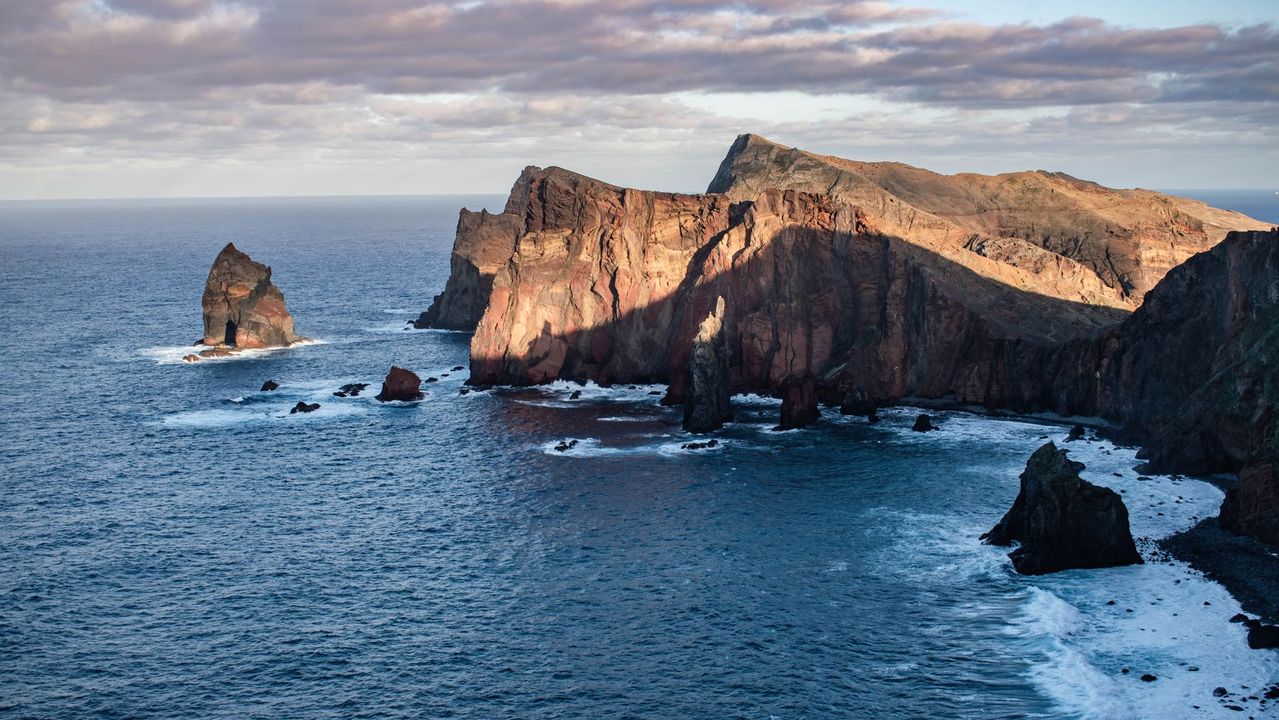
Madeira
December / January: 21 / 20 °C by day in Funchal, sea 20 / 19 °C.
Winter is the island's wet season. It stays mild at sea level, and most years bring snow to the high peaks. The south side, where Funchal is, stays drier than the north, which catches the cloud and most of the rain. Where to stay: Funchal and the south coast. More in Madeira in winter.
Things to do in Spain
Paid links: booking through them supports YowJourney.
Southern Spain: mild, but not for the beach
On the Mediterranean coast, winter afternoons reach 16–18 °C and nights drop to 6–9 °C, while the sea cools to about 15–17 °C.
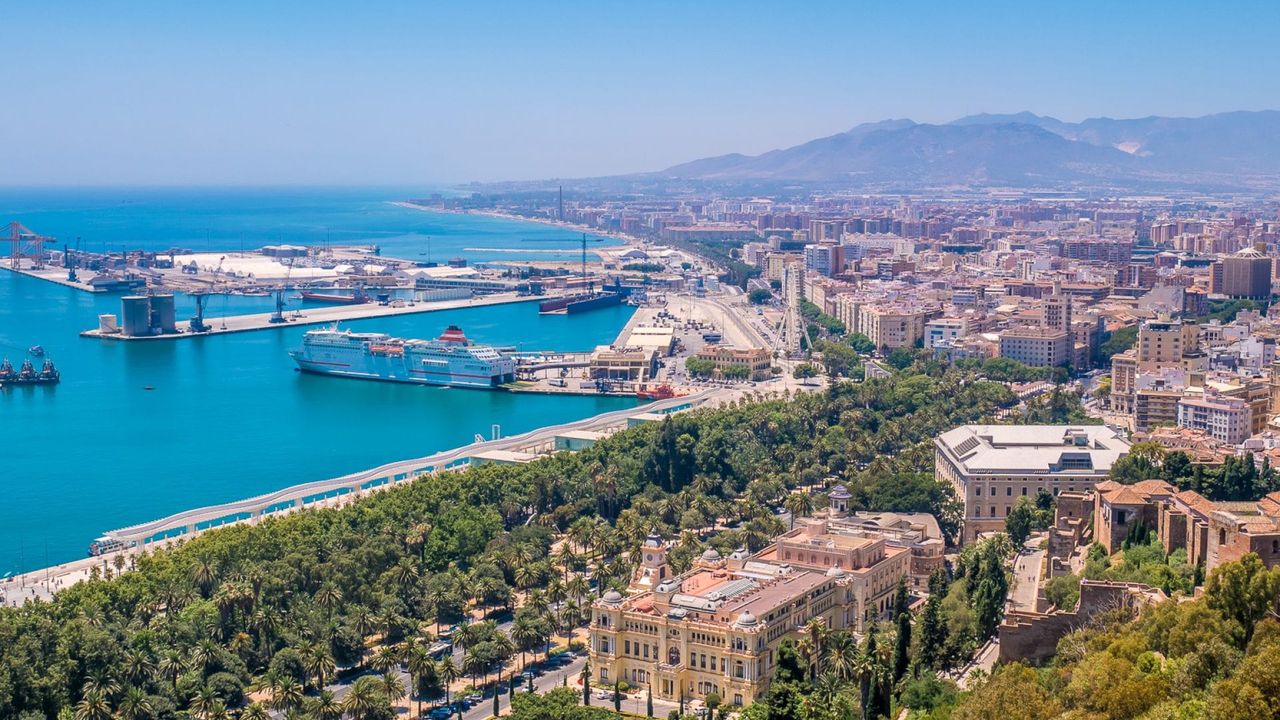
Andalusia
December / January: 18 / 17 °C by day at Málaga Airport, sea 16 / 15 °C.
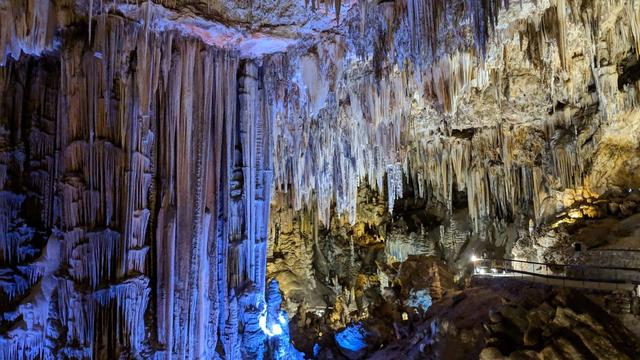
Winters are mild with frequent rain: Málaga Airport records six or seven rainy days a month in December and January, the most of any Spanish place in this guide. Few tourists come, though some smaller sites may keep shorter hours. The Nerja Caves run for nearly 5 km and hold what is listed as the world's largest stalactite. Where to stay: the coast around Málaga. For inland Andalusia, see The white villages of Andalusia.
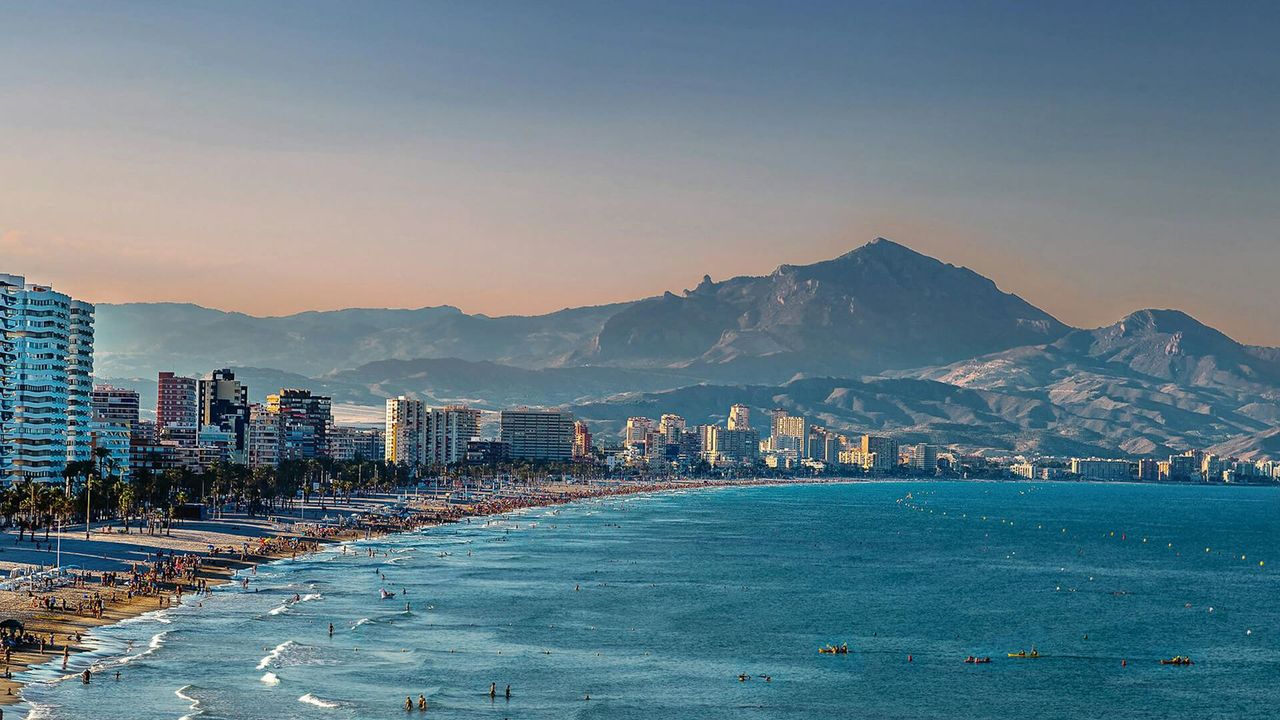
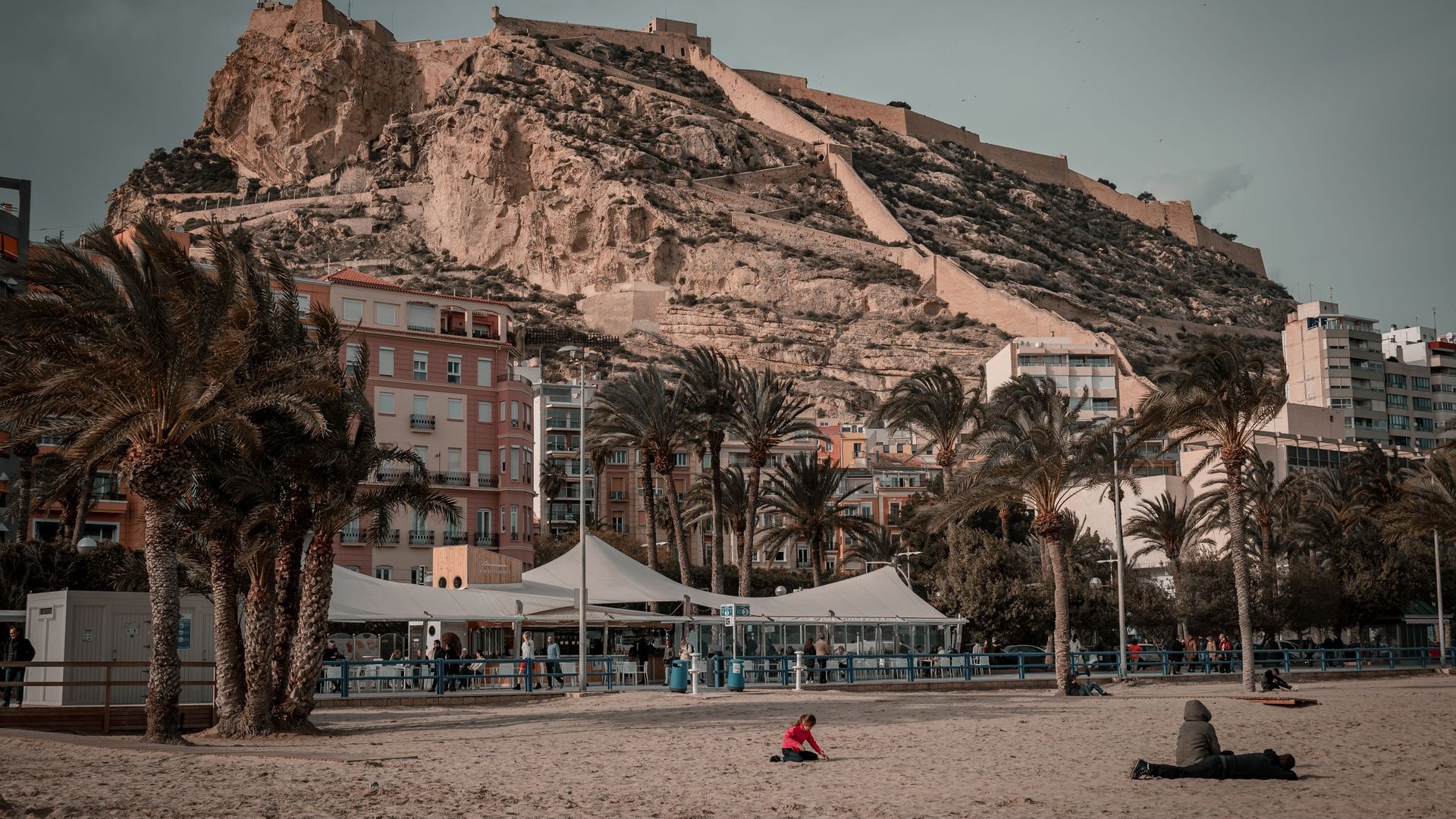
Alicante
December / January: 18 / 17 °C by day, sea 17 / 15 °C.
Winter here is mild, though cloudier than in summer, and visitor numbers drop sharply. Of the mainland places in this guide, Alicante has the fewest rainy days, about four a month. Where to stay: the city itself. For the coast in summer, see The 7 most popular beaches on the Costa Blanca.
Murcia
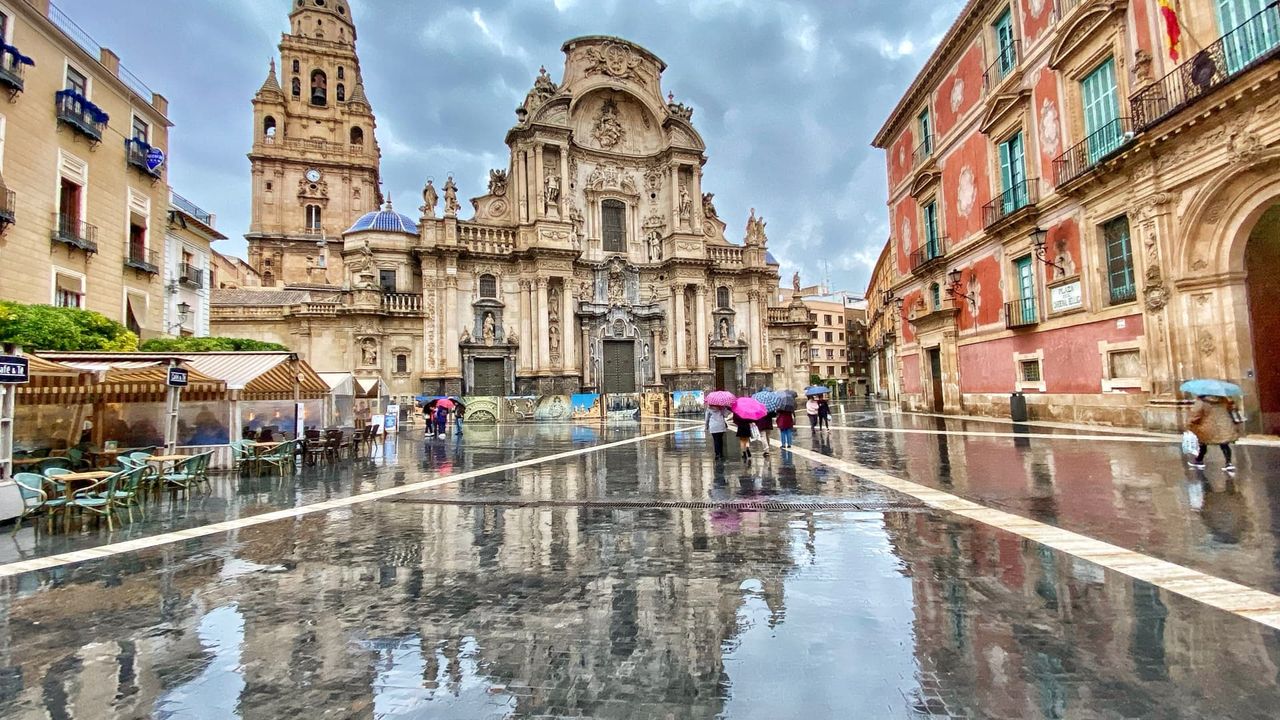
December / January: 17 / 16 °C by day at San Javier, sea 17 / 15 °C at Cartagena.
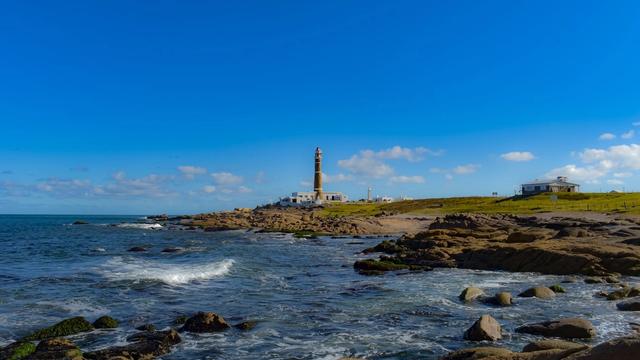
Mild on the coast, cold on the tops: snow settles on the highest ground around Los Obispos Peak, and the mountain roads up there are slow going in winter. At Cabo de Palos, the lighthouse first lit in 1865 looks along the coast to La Manga. Come in the hour before sunset. In February and March, keep dogs on a lead at the lighthouse: caterpillars that are dangerous to them are out in numbers on the ground there. Where to stay: the coast.
Where it isn't warm in winter
The Balearic Islands are mild but not warm in winter. At Palma Airport, January afternoons average 15 °C and nights 4 °C, and the sea is about 15 °C. From December to March the islands are rainy, and many seasonal venues close. In Catalonia winter is wet and cool on the coast, and the Pyrenees are cold and sometimes snowy. See Mallorca in winter and Best time to visit Catalonia.
How to choose
For beach weather, head to the south of the Canary Islands: the air is warmest there, and the sea around the islands is 19–21 °C. Madeira is a little cooler, and winter is its rainy season. If you want towns rather than a beach, Málaga and Alicante are both mild, and Alicante gets fewer rainy days. For the rest of Spain, see Spain by region.
Air temperatures and rainy days here are 1981–2010 averages from AEMET and, for Funchal, IPMA, so any given winter can run cooler or wetter. Sea temperatures are seasonal norms from one source (temperaturadomar.pt); treat them as estimates.
FAQ
Is it warmer in the Canary Islands or in Madeira in winter?
In the Canary Islands, though not by much. On January afternoons Tenerife South Airport averages 22 °C, the Gran Canaria and Lanzarote airports 21 °C, and Funchal 20 °C. The sea is 19–20 °C in all four places in January.Where is it warm in November?
The Canary Islands, with afternoons of about 24–25 °C and the sea at 22–23 °C. On the Spanish Mediterranean, November afternoons average about 20 °C at Málaga, Alicante and San Javier, with the sea at 17–19 °C.Can you swim in winter?
On the Canary Islands and Madeira, yes: the sea is around 19–21 °C in December and January. On the Spanish Mediterranean it drops to about 15–17 °C, too cold for most swimmers.Where does it rain least in winter?
In the south of Tenerife and on Fuerteventura. In January, Tenerife South Airport averages fewer than two rainy days and Fuerteventura about two and a half; in December both get three or four. On the mainland, Alicante is the driest of the places in this guide, with about four rainy days a month, and Málaga the wettest, with six or seven.