The Dolomites in winter: what to do with and without skis
9 min read8 destinations
Dolomites · Italy
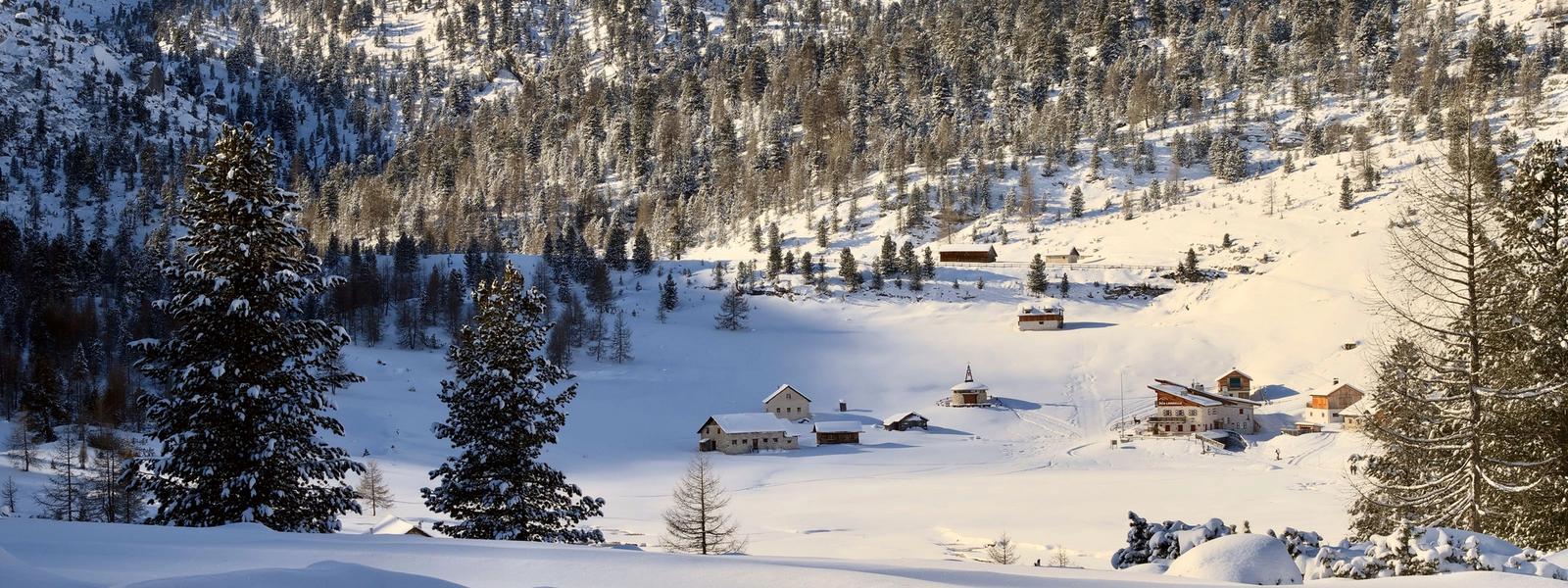
The Dolomites are worth a winter trip even if you don't ski: cable cars take you up into the snow, lakes freeze over, the plateau above Bolzano makes an easy winter outing, and the city has its Christmas market. The catch is the cold and the roads: from December to February most high passes are blocked by snow, and many mountain roads require winter tyres.
Contents
In short
- Temperature: in Bolzano, at 262 m, January averages 0 °C, with nights down to −6 °C; in Selva di Val Gardena, at 1,563 m, winter days average 0–2 °C and nights −6 to −9 °C.
- Ski season: roughly December to April, depending on the area; in Val Gardena the lifts are planned to run from 4 December 2026 to 4 April 2027.
- Light: the floors of the narrow valleys are in shadow well before sunset.
- Crowds: in Cortina d'Ampezzo, Christmas and New Year are the busiest time of the year, and the population swells from about 7,000 to around 40,000 in season.
- What closes: many high passes, the shore paths at Lake Braies when there is avalanche risk, and some summer-only sights.
- What to do: skiing, cable cars up to the snow, frozen lakes and the Renon plateau, and museums on cloudy days.
Weather and light
In the high valleys, such as around Selva di Val Gardena, winter is long, cold and dry. Bolzano, low in its basin, is the mildest place, with January afternoons around 5 °C. Higher up the cold bites: in Selva nights drop to −6 to −9 °C, and around Cortina late December and early January bring some of the lowest temperatures in Italy. In Cortina, February is the driest month.
The other thing to plan around is light. In the narrow valleys the sun disappears early, behind the Catinaccio at Nova Levante and behind the peaks above Sesto, and it turns cold fast once it has gone. Keep outdoor plans for the middle of the day.
Without skis
Most of what non-skiers come for is outdoors and needs a clear day: frozen lakes, some of them reached on foot through the snow, and a snowy plateau above Bolzano. For Lake Braies and other lakes you can drive to in summer, see the most beautiful lakes of the Dolomites.
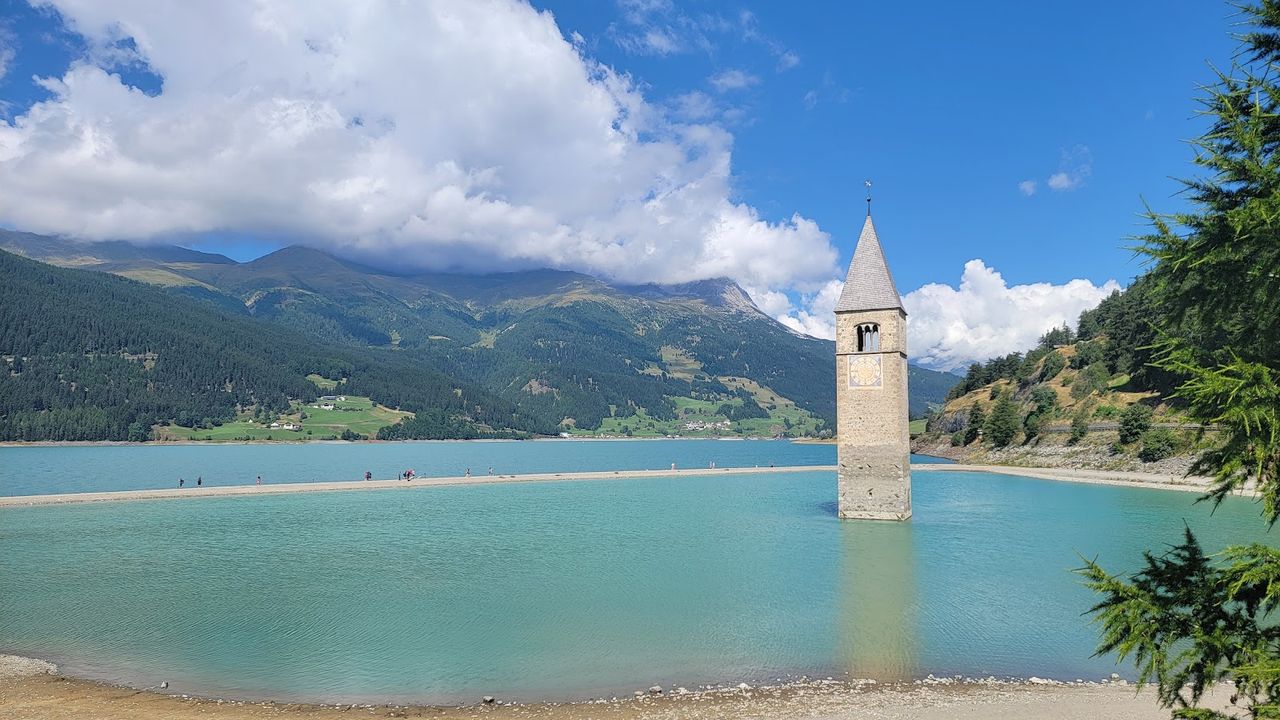
Lake Resia
By the Reschen Pass in western South Tyrol, beyond the Dolomites proper, a 14th-century church tower stands in the water. When the dam was finished in 1950, the lake drowned the village of Graun and left only its tower showing. The lake freezes in winter and you can walk out to the tower, but only once the ice is thick enough: in late December it can look solid and still not hold your weight, so ask locals before you step on it. A cold wind blows across the open shore, so bring a hat.
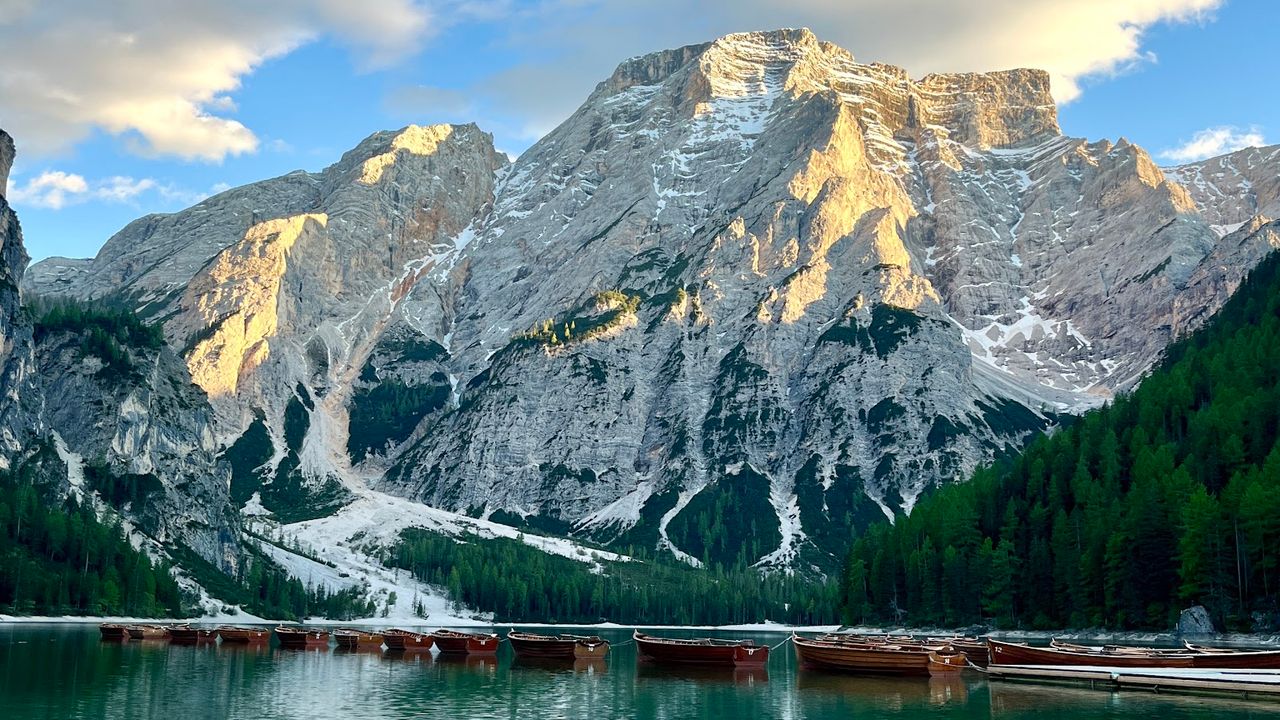
Lake Braies
One of the most visited places in South Tyrol: a lake 1.2 km long below the grey wall of the Seekofel. It freezes hard enough for curling, but the shore paths are often closed because of avalanche risk, especially the steep eastern one. Don't ignore a closure: the eastern bank drops straight to the water.
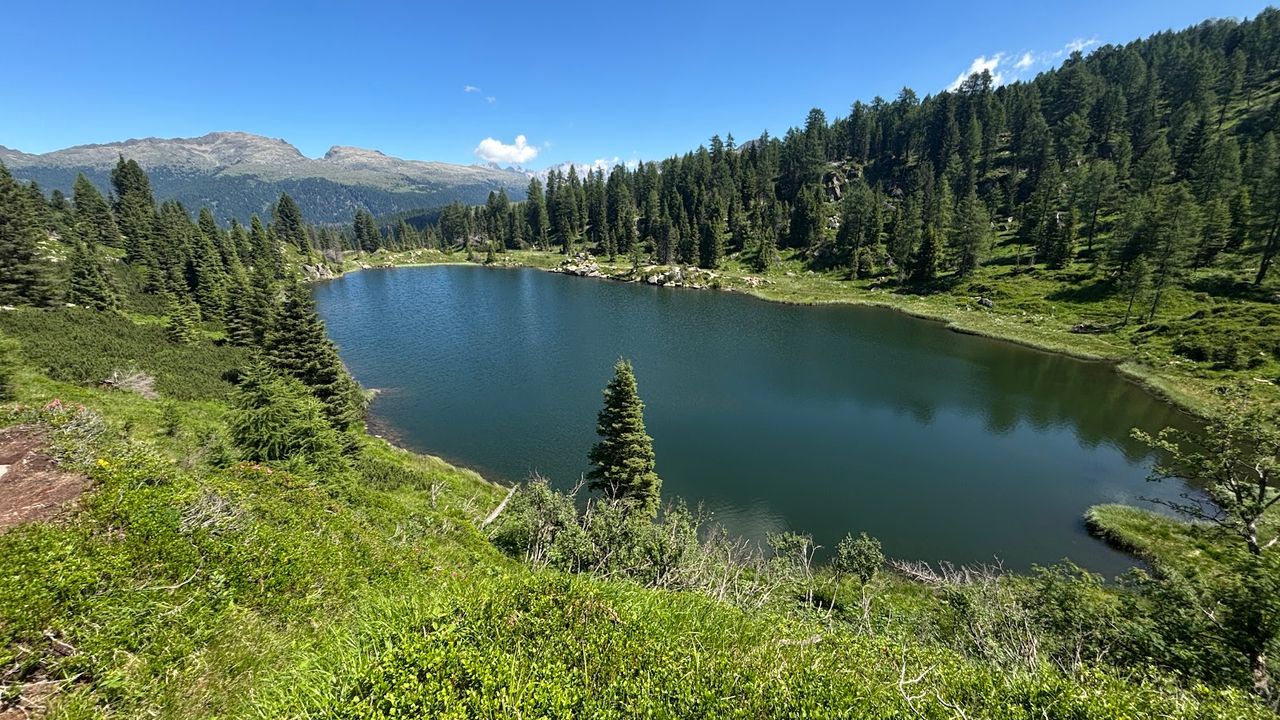
Colbricon Lakes
Two small lakes at 1,927 m below Passo Colbricon, above San Martino di Castrozza, with a refuge on the strip of ground between them. In winter the basin lies under snow and you reach it on foot; the winter loop from Passo Rolle takes in the lakes on the way down. On a clear day in March, the snow, rock and sky are at their brightest. The refuge takes cash only.
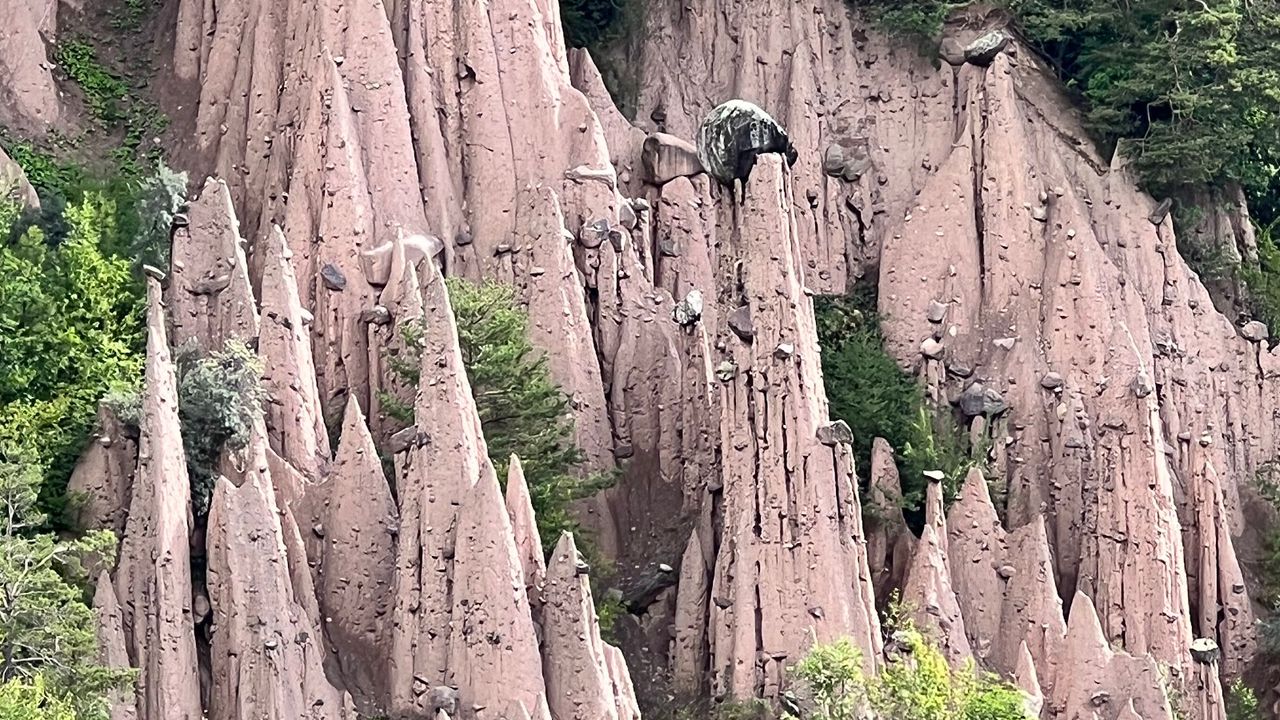
Piramidi di Terra di Longomoso
Clay spires capped with boulders on the Renon plateau, among the best-preserved earth pyramids in Europe. The trip there is part of the fun: the cable car climbs from Bolzano to Soprabolzano in 12 minutes, a small railway crosses the plateau to Collalbo, and a signposted path takes about 30 minutes from there. In winter, be at the pyramids before four, when the sun leaves the clay. Collalbo also has an open-air speed-skating track.
Things to do in Dolomites
Paid links: booking through them supports YowJourney.
Up to the snow by cable car
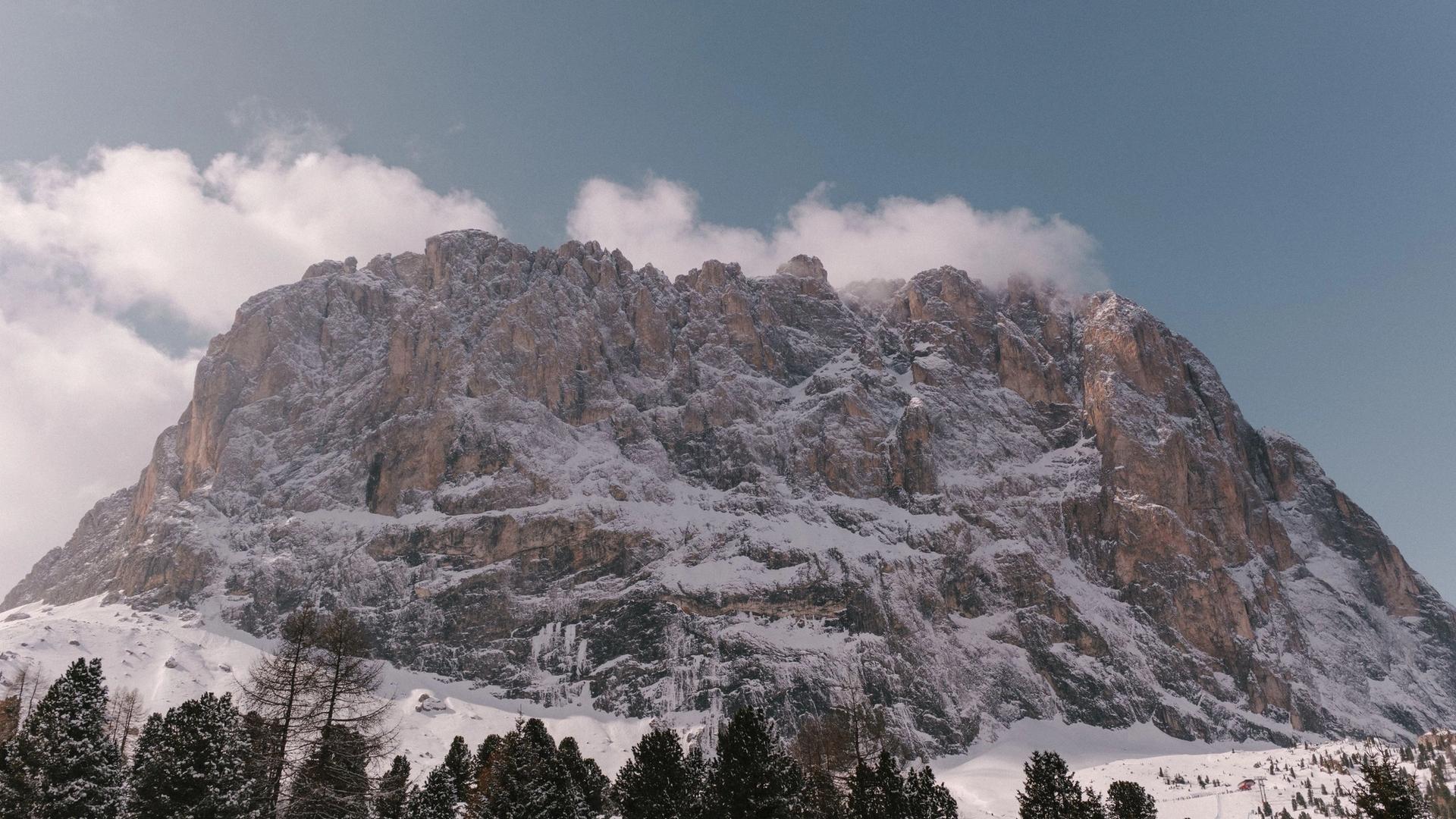
Two cable cars to try in winter. Dress for the top: it is far colder up there than in the valley.
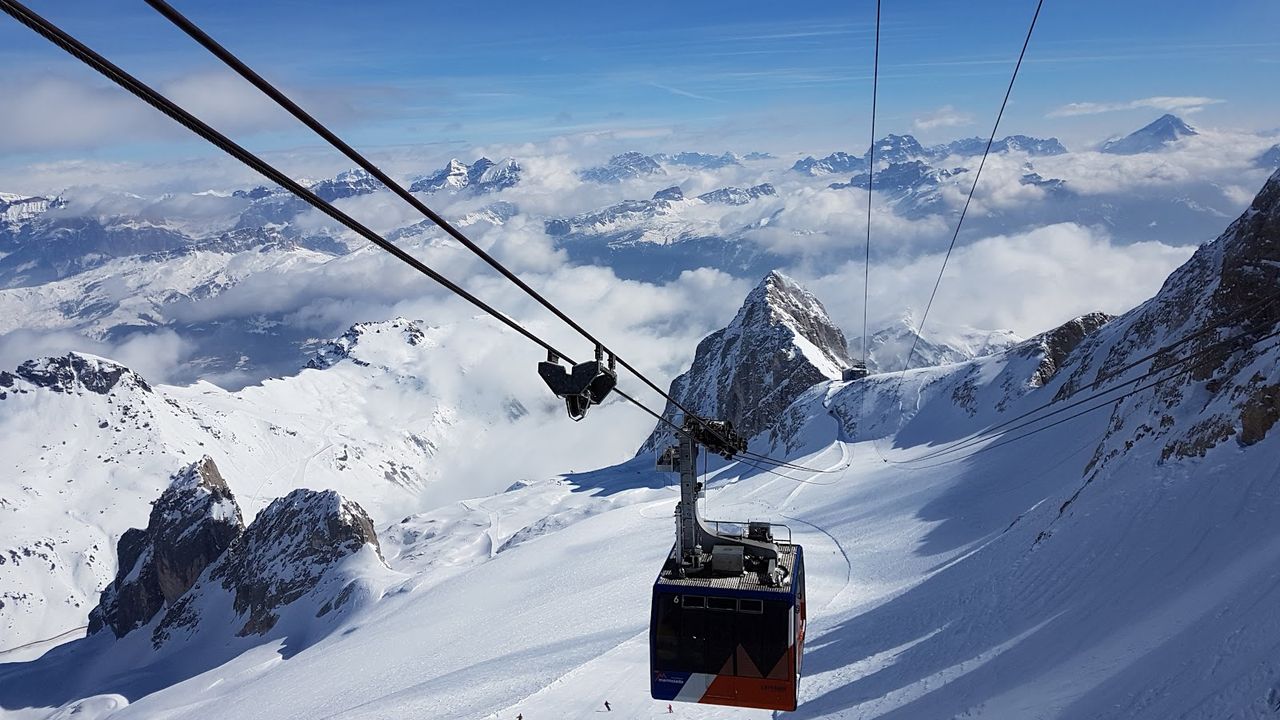
Punta Rocca
The top station of the Marmolada cable car, a viewing deck at 3,200 m right above the glacier, with views all round. Three stages climb from Malga Ciapela, and the second station has a café, a First World War museum and toilets. In winter the summit is the top of a ski run, and on peak days the cabins on all three stages fill up. Come on a weekday morning, and skip the ticket queue by buying online through the QR code at the entrance. In cloud there is nothing to see from the deck.
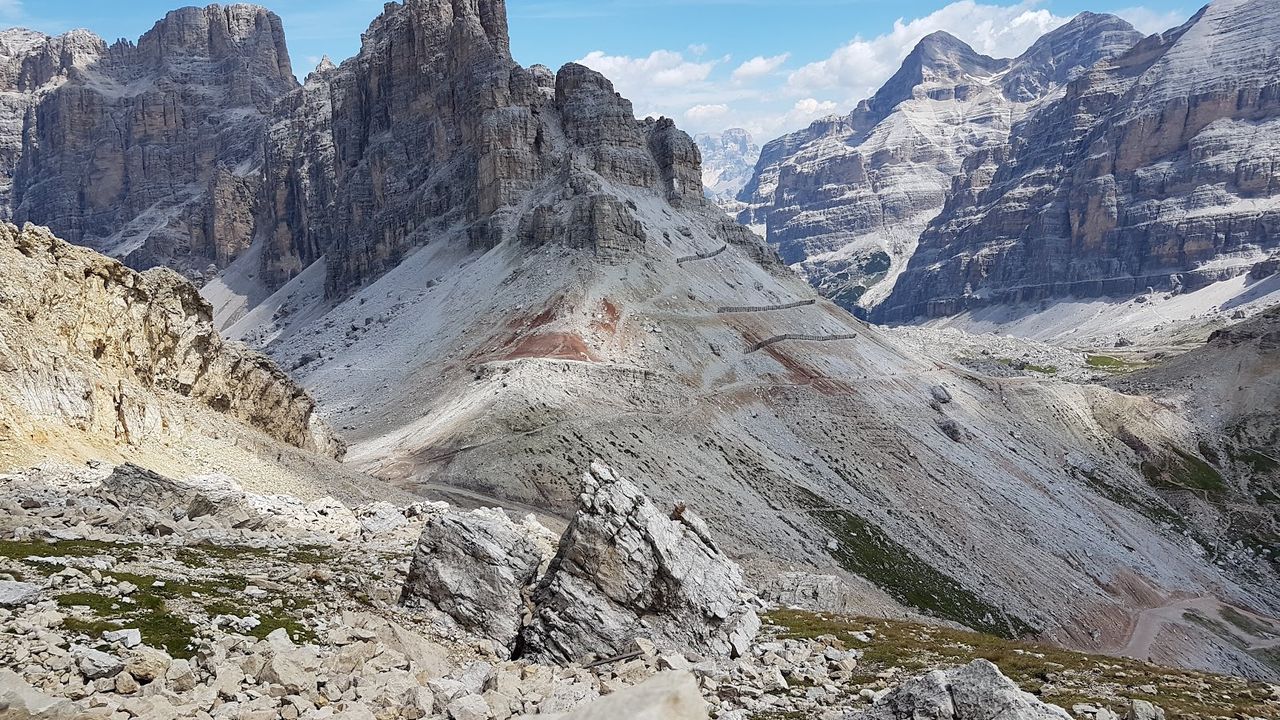
Lagazuoi
A 2,835 m summit riddled with First World War tunnels, above Passo Falzarego and 18 km by road from Cortina d'Ampezzo. Winter makes it a different mountain, with snow on the ridges and hard, cold light over the Ampezzo Dolomites. The cable car sets you down beside Rifugio Lagazuoi. The tunnel museum at the top is open over the holidays, from 25 December 2026 to 6 January 2027; check that the cable car is running before you drive up.
On a snowy or cloudy day
When cloud sits on the peaks, head indoors. In Ortisei, Museum Gherdëina, with Val Gardena woodcarving, old wooden toys and Dolomite fossils, makes a good hour or two off the slopes.
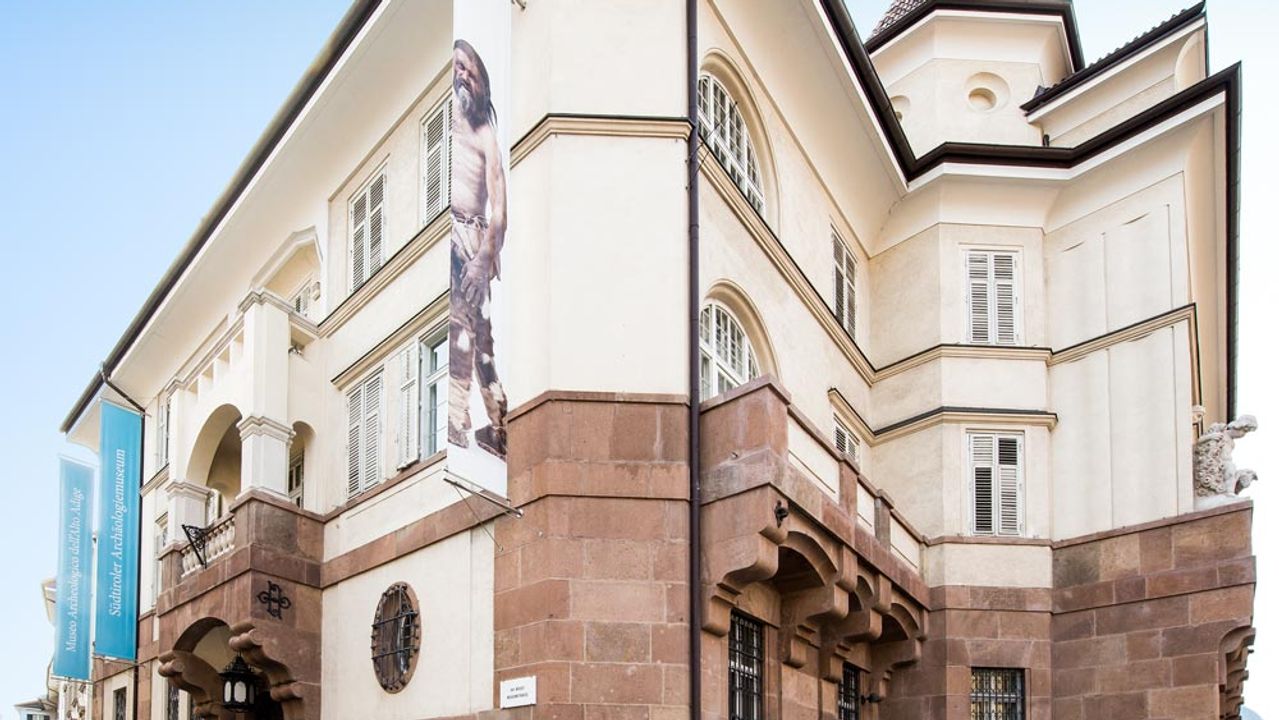
South Tyrol Archeological Museum
Bolzano's museum is built around Ötzi, the Iceman found in Alpine ice in 1991 and more than 5,000 years old. He lies in a chilled chamber on the first floor, where his clothes and kit are also on show, and the floors below and above tell the story of the find and of the science. Allow two hours, and put the camera away: photos aren't allowed.
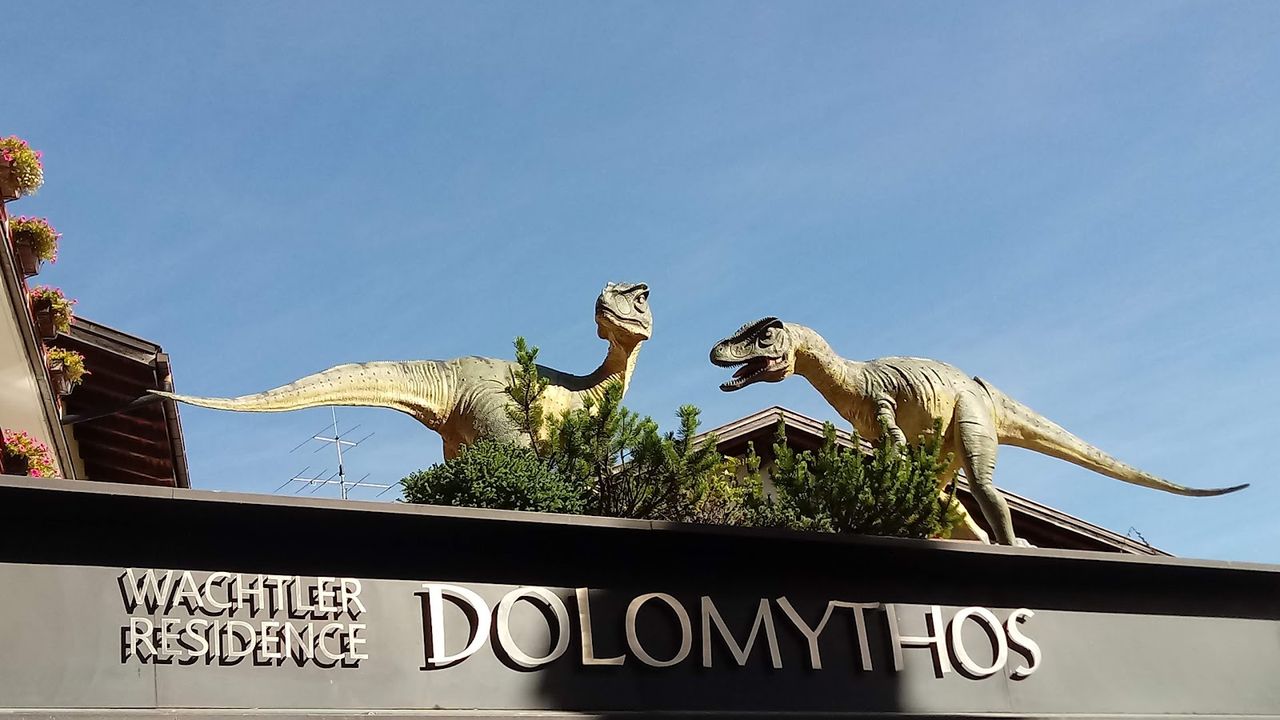
DoloMythos
A natural history museum in the centre of San Candido, with mountain myths and dinosaurs. The labels are sparse and the sections run into each other, but children get a treasure hunt in the play area, and at Christmas the building is decorated.
The Bolzano Christmas market
Walther Square in Bolzano holds Italy's most visited Christmas market, with about 80 stalls, plus 14 more in the courtyard of Palais Campofranco. This season it opens on the evening of 26 November and then runs daily from 27 November 2026 to 6 January 2027, 10:00 to 19:00. The old town is at its busiest while it lasts; once the stalls come down, the centre goes quiet.
Skiing in brief
The Dolomiti Superski pass covers ski areas across the Dolomites; the 2026/27 season pass is valid from 28 November 2026 to 2 May 2027. The Sella Ronda circles the Sella massif, with Selva di Val Gardena, Corvara in Badia and Canazei among its starting points, and Canazei alone has 42 km of slopes. Cortina d'Ampezzo has 115 km of pistes served by 34 lifts. Brunico and Valdaora sit below Kronplatz, and Dobbiaco is a cross-country base, with World Cup races and Tour de Ski stages.
What closes or gets harder
- Giau Pass: avalanches block stretches of the road.
- Passo delle Erbe: the road over the top shuts; on the south side it is open only as far as the Plose ski resort.
- Grotta delle Tre Cime: snow shuts the access road and buries the route, and without snowshoes the walk is not worth trying.
- Castel Prösels: the guided tours run only in summer.
- Tyres: in Trentino, winter tyres or chains on board are compulsory from 15 November to 15 April on state and provincial roads outside towns; in South Tyrol they are required whenever there is snow or ice on the road. Cortina and Malga Ciapela (for the Marmolada cable car) are in the Veneto, so check the local rules there.
What to pack
- Warm layers, a hat and gloves: temperatures drop to −6 °C at night even in Bolzano.
- Winter boots with grip for snowy paths and lake shores.
- Snowshoes, or a plan to hire them, if you want to walk higher up.
Base yourself in Bolzano for the Christmas market, the Ötzi museum and the Renon plateau, or in a ski valley if you want to be on the slopes and near the cable cars. Save clear days for the outdoors and remember that the light goes early. Check the passes and the tyre rules before you drive. The temperatures quoted here are taken from our guides to Bolzano, Selva di Val Gardena and Cortina d'Ampezzo; dates for the market, the ski season and the tyre rules are as of October 2026.
FAQ
Can you enjoy the Dolomites in winter without skiing?
Yes. Ride the cable cars to Punta Rocca or Lagazuoi, see Lake Braies frozen, walk on the Renon plateau above Bolzano, and on cloudy days visit the museums in Bolzano, San Candido and Ortisei. Beyond the Dolomites, in western South Tyrol by the Reschen Pass, you can walk across frozen Lake Resia to its drowned church tower once the ice is thick enough.Do you need winter tyres in the Dolomites?
Usually. In Trentino, winter tyres or chains on board are compulsory from 15 November to 15 April on state and provincial roads outside towns, and in South Tyrol whenever there is snow or ice on the road. These are the rules from recent seasons, as of October 2026. Cortina is in the Veneto, so check the local ordinance there, and wherever else you drive, before setting off.Is Giau Pass open in winter?
Not reliably. In winter avalanches come down onto the exposed stretches of the road and block it, and the three tunnels on the Selva di Cadore side protect only part of the climb. Find out whether the road is open before you set off.Are the Dolomites good for children in winter?
Yes. DoloMythos in San Candido runs a treasure hunt in its play area, and on the Renon plateau the walk from Collalbo to the earth pyramids takes about 30 minutes. Keep children off frozen lakes unless locals say the ice will hold.