Mallorca in winter: weather, sea and what to do
7 min read6 destinations
Balearic Islands · Spain
Mallorca is worth a winter trip for Palma, mountain walks and the caves, but not for the beach: afternoons reach about 15–16 °C, and the sea is around 14 °C. From November to March many shops and restaurants close, but the quiet island is good for walking and sightseeing.
In short
- Temperature: at Palma Airport, December to February afternoons average 15–16 °C and nights 4–5 °C.
- Sea: about 14–15 °C in January and about 14 °C in February.
- Rain: five or six rainy days a month; autumn is wetter than winter.
- Sun: five to six hours a day.
- What closes: many shops and restaurants; the Sóller train closed for maintenance last winter.
- What to do: Palma, walks in the Serra de Tramuntana after the rain, caves and museums on wet days.
Weather
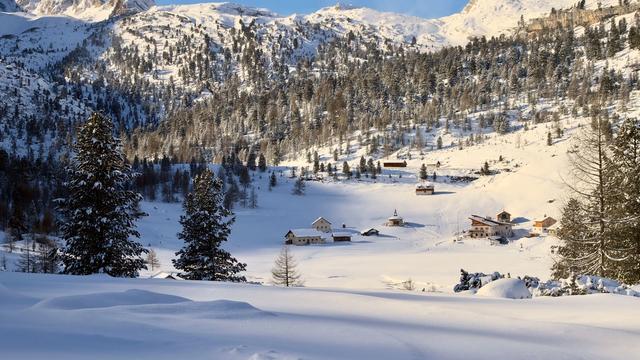
Winter here is mild rather than warm. In Palma, by the sea, January highs are near 16 °C and frost is almost unknown. At Palma Airport, 8–9 km east of the centre, nights are colder: in January they average 4 °C, with frost on about five nights. October is the wettest month of the year; in winter rain falls on five or six days a month, and the sun shines for five to six hours a day. Higher up, cold spells can leave snow or ice on the highest peaks, such as Puig de l'Ofre and Puig de Massanella.
Palma without the crowds
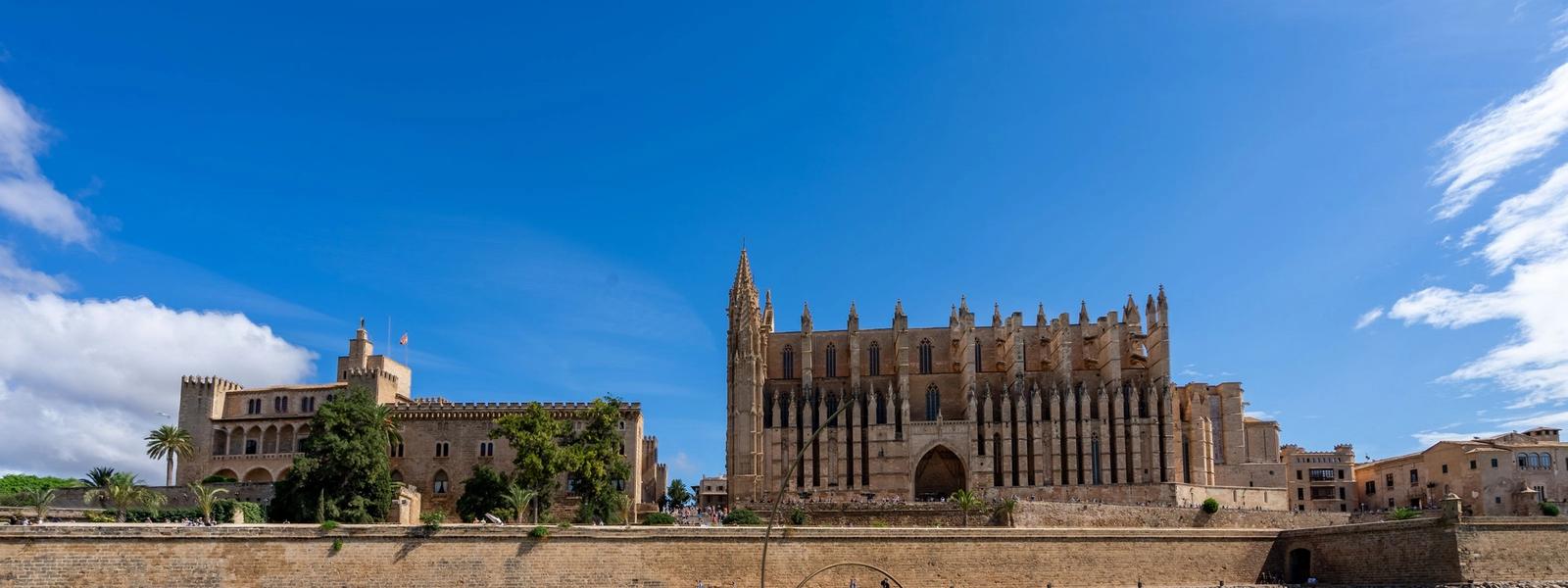
Palma works all year: the cathedral, the Almudaina royal palace and the old town do not depend on beach weather. Bellver Castle and the Almudaina both close on Mondays.
Catedral de Mallorca (La Seu)
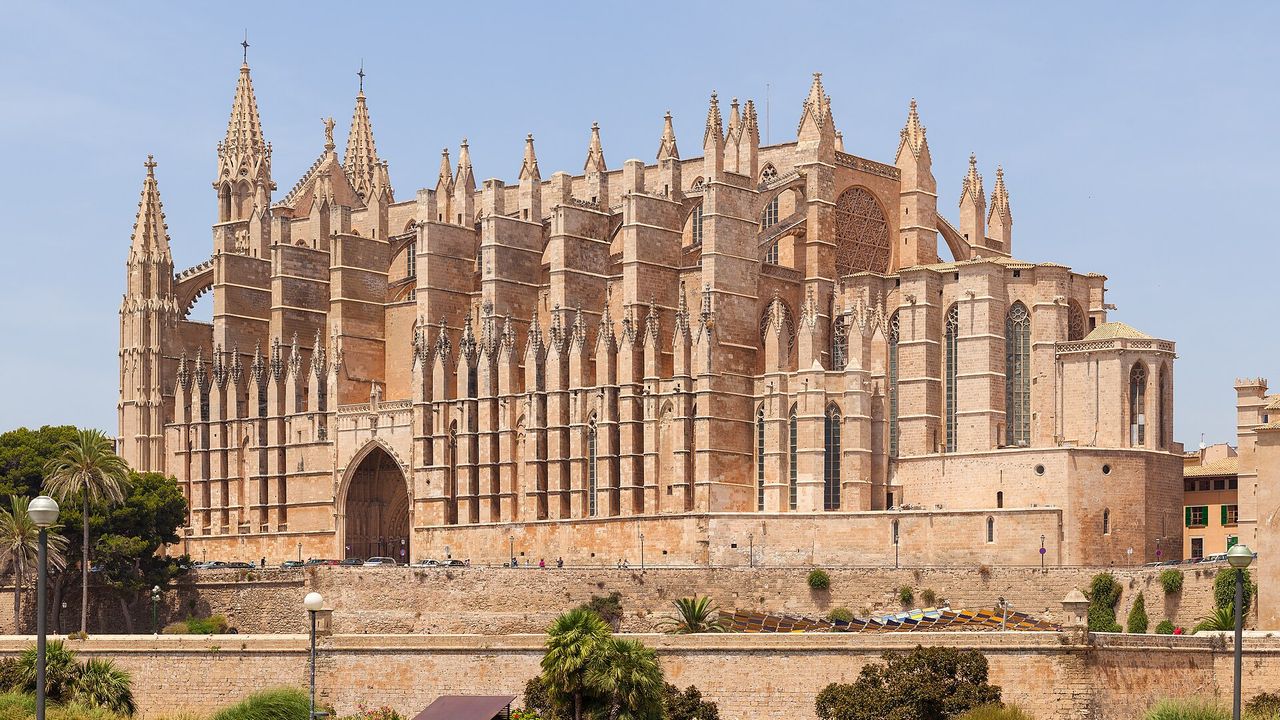
Palma's cathedral, begun in 1229 and finished in 1601, stands above the old town walls by the sea. Come on a weekday morning, when the east rose window, nearly 14 m across, catches the sun and fills the nave with colour. Inside are Gaudí's wrought-iron canopy over the altar and Miquel Barceló's ceramic chapel. Buy tickets online to skip the queue. The cathedral is closed to visitors on Sundays and shuts early on Saturdays.
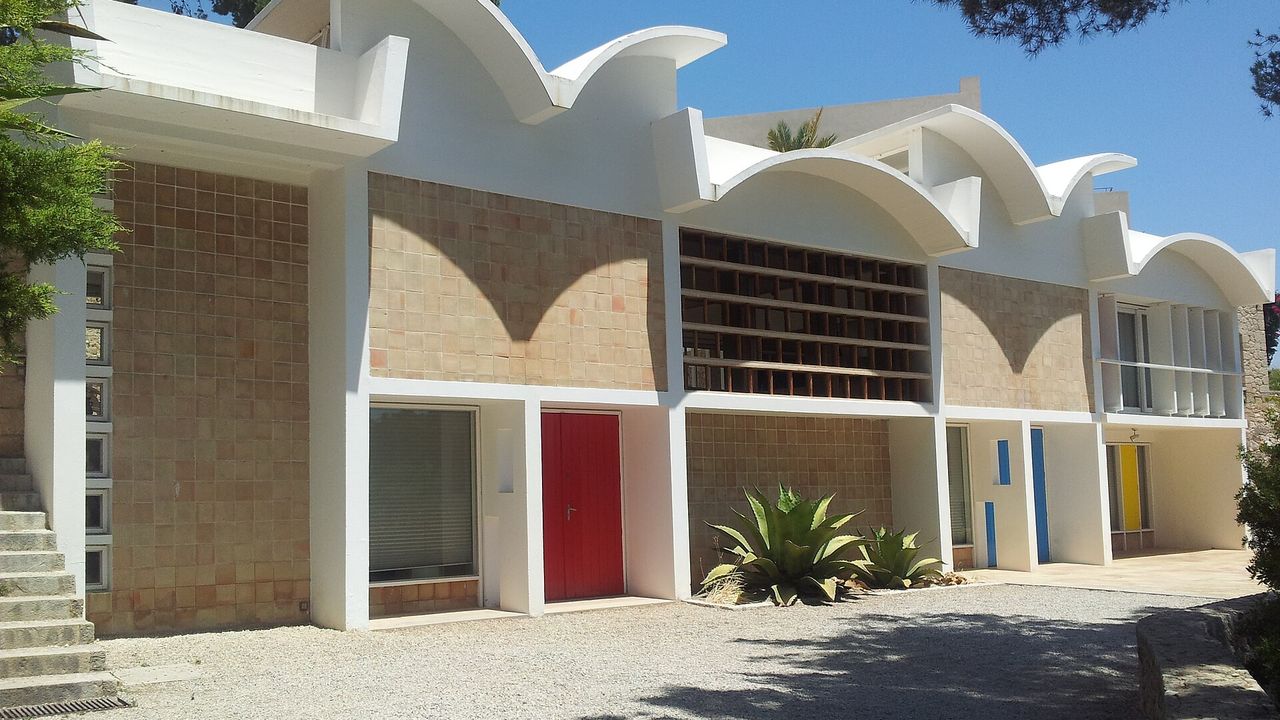
Fundació Miró Mallorca
The studio Josep Lluís Sert designed for Joan Miró is kept much as he left it in 1983, with canvases, brushes and paint pots still in place. In Son Boter, an old house across the grounds, Miró drew sketches straight onto the walls. Go in the morning, Tuesday to Saturday; in winter the studios are quiet. The foundation is closed on Mondays, and parts of the site have been shut for renovation, so check what is open before you go.
Walks without the heat
Winter rain refills the streams, and the cool air suits climbs that are hard work in summer. In the north-east, the Llevant Peninsula Natural Park is at its best in the cooler months. For more on the mountains, see Serra de Tramuntana: seven places in Mallorca's mountains.
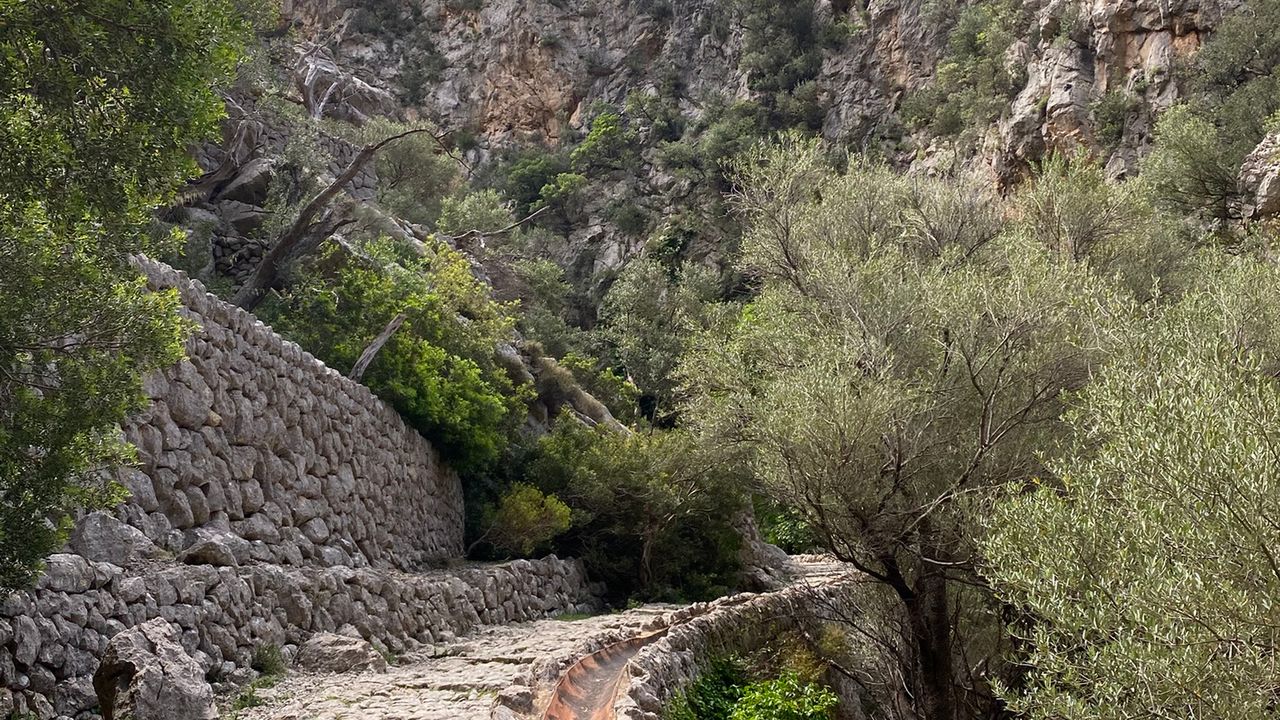
Barranc de Biniaraix
Above Sóller, hundreds of olive terraces, built by hand over many centuries, climb the sides of a gorge. In the weeks after autumn or winter rain the stream runs, and the trail passes one waterfall after another. Walkers on the GR221 come down the whole gorge from Cúber; a round trip from below makes a shorter outing. The rock is slippery when wet, so wear boots with a good grip, and don't try to cross the stream when it's running high.
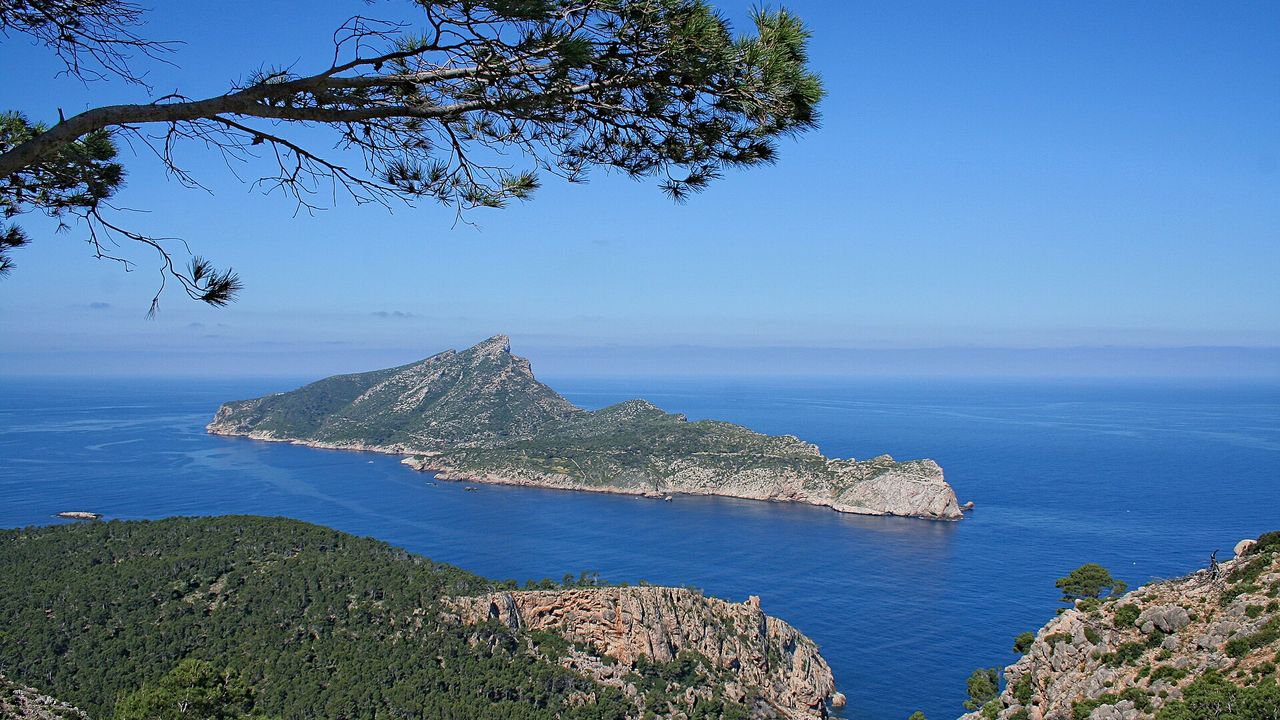
Parc Natural de sa Dragonera
Sa Dragonera is a narrow island, 3.2 km long, just off Mallorca's west coast, and you reach it by boat. Thousands of Lilford's wall lizards live here and come right up to the picnic tables. Morning boats are best, whatever the season. Nothing is sold on the island, so bring water and lunch, and plan your walk around the boat back: on some trips you get only an hour ashore.

Things to do in Mallorca
Paid links: booking through them supports YowJourney.
Caves and museums for a wet day
The caves keep the same temperature all year, which makes them the obvious plan when it rains. On the east coast, the Artà Caves have chambers more than 40 m high; in Sóller, Can Prunera is a modernist house turned museum; and in Manacor, the Rafa Nadal Museum is fun even for people who have never watched a tennis match.
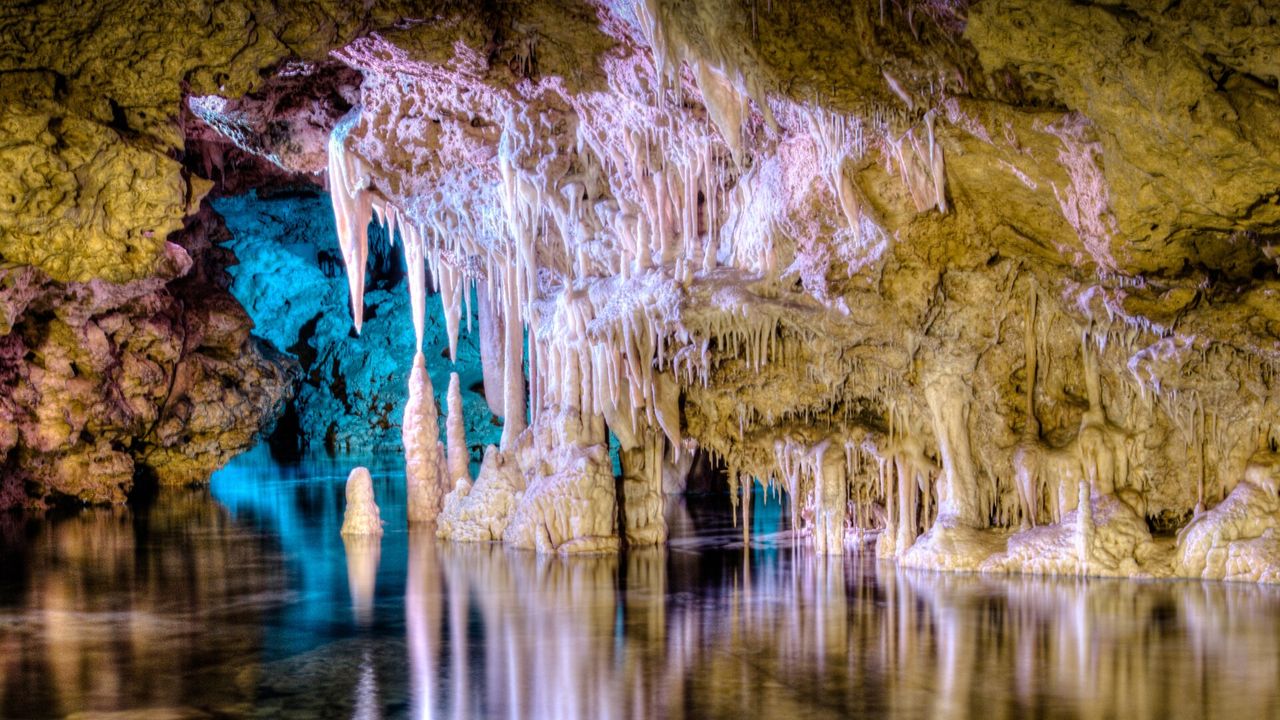
Coves dels Hams
Many of the stalactites here curl at the tip like fishhooks, and no one knows why; hams is Mallorcan for fishhooks, hence the name. A guided route of about 500 m runs through 12 chambers to an underground lake, where musicians cross the water in a rowing boat during a sound-and-light show. Spring, autumn and winter are the quiet seasons; in summer tour groups fill the caves. Steep steps lead down, so a pushchair is hard work.
Drach Caves
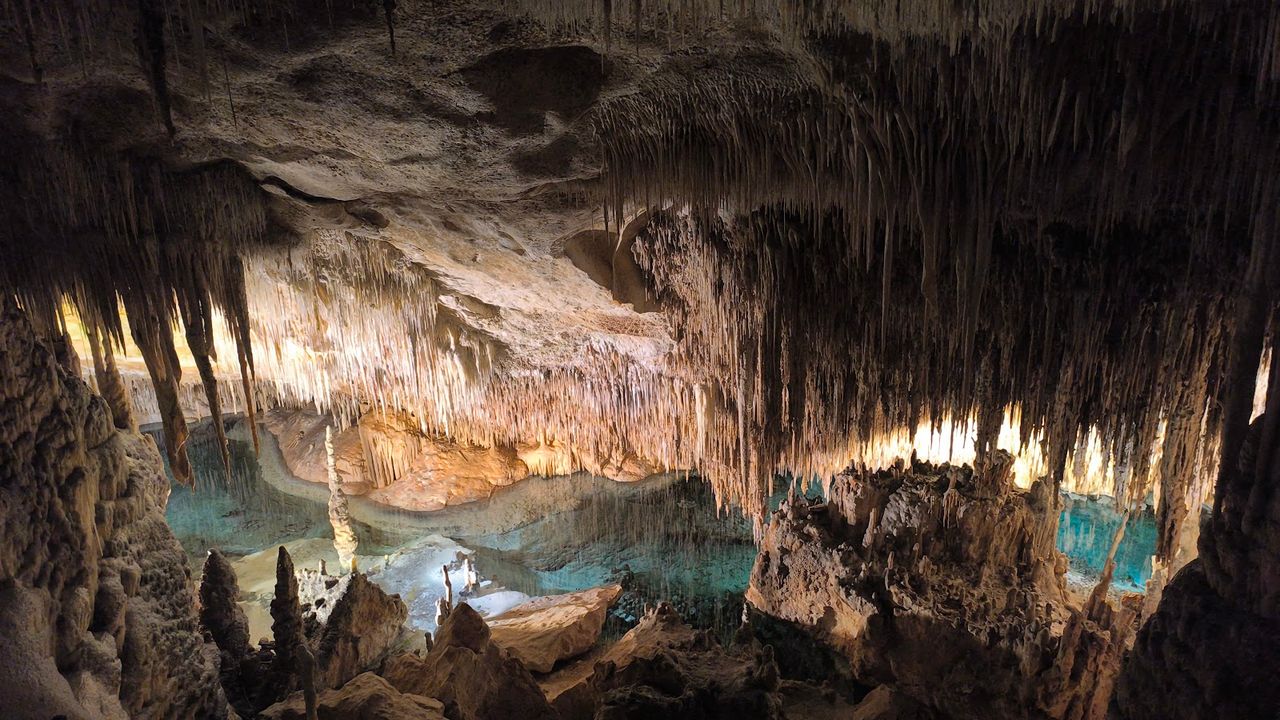
Near the end of the visit you sit in a huge chamber where the lights go out completely and boats carrying musicians cross Lake Martel, about 115 m long. Groups of a hundred to four hundred people go through together, so for the first half of the visit you move at the pace of the crowd. The total darkness before the concert can frighten toddlers, and staff ask visitors not to take photos inside.
What closes or gets harder
- High peaks: on Puig de l'Ofre and Puig de Massanella, in winter, snow or ice can make the upper slopes slippery; leave them for a clear, dry day.
- The gorge at Sa Calobra: the Torrent de Pareis floods fast after heavy rain, so keep out of it when rain is forecast.
- Cabrera: the boat to the national park is an hour on open water, best on a calm day in the warm months.
- Shops and restaurants: many close from November to March.
- The Sóller train: last winter it closed for maintenance and reopened on 1 February 2026; check whether it is running before you count on it.
Winter festivals and events
Two saints' days liven up the coldest month. On the evening of 16 January, the eve of Sant Antoni, villages light bonfires, demons called dimonis come out and people grill over the embers; Sa Pobla holds one of the best-known celebrations. Sant Sebastià, Palma's patron saint, has his feast day on 20 January; on the evening before, the city holds concerts and barbecues in its squares. In February the Vuelta a Mallorca cycle race opens with a circuit through the streets of Palma.
What to pack
- Warm layers for the evenings: January nights average 4 °C at Palma Airport.
- A waterproof jacket for the five or six wet days a month.
- Walking boots with a good grip for wet rock in the mountains.
Winter Mallorca rewards walkers and city-breakers rather than sunbathers. Pack for cool evenings and the odd wet day, and check opening times before you set out, from the Sóller train to the restaurant you have in mind. The airport figures for Palma and Tenerife South are 1981–2010 averages from AEMET, the Spanish weather service; the Palma city figure comes from our page on Palma, and sea temperatures are seasonal estimates.
FAQ
Can you swim in Mallorca in winter?
The sea is cold: about 14–15 °C in January and about 14 °C in February. If swimming in the sea is the point of a winter trip, the Canary Islands are the warmer choice, with the sea off Tenerife at around 19–20 °C in January and February. See [The Canary Islands in winter](/articles/canary-islands-in-winter).Do you need a car in Mallorca in winter?
Not strictly, but a car makes the caves and the mountains much easier to reach. You can hire one at Palma Airport and in the main resorts, the roads are toll-free, and distances are short: Alcúdia, the furthest point, is only 55 km from Palma. If you are staying in Palma, you can manage without one: the EMT A1 bus runs from the airport into the city every 15 minutes.Is Mallorca good for children in winter?
Yes, if you choose the caves with care. The show at Coves dels Hams works well with children, while the dark in the Drach Caves suits older ones better than toddlers. The Rafa Nadal Museum is a good bet with children on a wet day, and on Sa Dragonera the lizards walk right up to you.Is it warmer in Mallorca or in the Canary Islands in winter?
In the Canary Islands, by a long way. On January afternoons Palma Airport averages 15 °C, and Tenerife South Airport 22 °C.