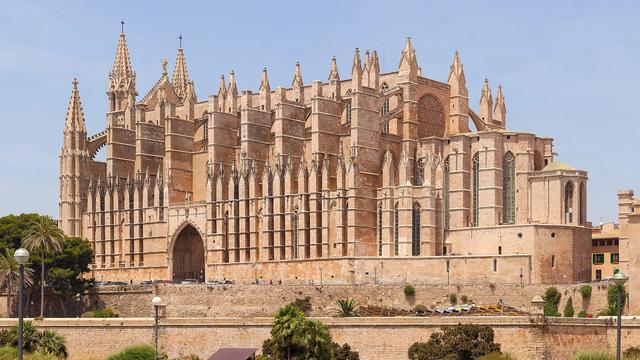
Palma is the capital and largest city of the Balearic Islands, a seaport on the Bay of Palma where almost half of Mallorca's people live. La Seu, the cathedral begun in 1229 and finished in 1601, rises over the old walls and the Parc de la Mar. Behind it the Old Town packs narrow lanes, the Almudaina Palace and the 11th-century Arab Baths (Banys Àrabs). Most visitors to the island land here, and the city is the start of the Sóller railway (Ferrocarril de Sóller) and the gateway to the Serra de Tramuntana.
Palma

- Currency
- Euro (EUR, €). Credit and debit cards are widely accepted in cities and tourist areas. ATMs are abundant; most charge €2–7 per foreign card withdrawal. Some shops request ID before accepting a credit card. €500 banknotes are not accepted in most shops.
- Language
- Catalan and Spanish are both official languages of the Balearic Islands; the majority speaks Catalan fluently alongside Spanish. English is common in tourism sectors and establishments.
- Power plug
- Europlug (Type C) and Schuko (Type F) sockets; 230 V, 50 Hz
- Visa
- Schengen area: EU, EEA and Swiss nationals enter on national ID card or passport. Many non-EU nationalities have 90-day visa-free access. Non-EEA citizens staying longer than 90 days require an advance visa.
- Time zone
- Europe/Madrid (UTC+01:00 winter time, UTC+02:00 summer time from last Sunday in March to last Sunday in October). Canary Islands are one hour behind mainland Spain.
- Tap water
- Safe to drink throughout Spain. In some southern regions it has high mineral content and may taste unfamiliar; locals often drink bottled water instead. Bottled water is inexpensive and widely available.
- Tipping
- Not mandatory or customary. In restaurants: not expected for simple meals or basic establishments; 5–10% in mid-range or upscale venues if service was exceptional. Always pay cash to the server, not on card. Taxi drivers and hotel staff may appreciate small tips in upscale settings but it is not expected.
- Emergency
- 112
When to go
High season
May – Sep
Peak holiday season fills the city and the hotel strip along the bay, with August highs around 30 °C eased by the sea breeze.
Shoulder
Oct – Nov
Beach weather lasts into early November and the sea holds its summer warmth, but autumn is the wettest season, with occasional heavy downpours and storms.
Low season
Dec – Mar
Winters are mild, with January highs near 16 °C and frost almost unknown, and in February the Vuelta a Mallorca cycle race opens with a circuit through the city streets.
Shoulder
Apr – Apr
April sits between the quiet winter and the May peak, with beach weather arriving towards the end of the month.
How long to stay
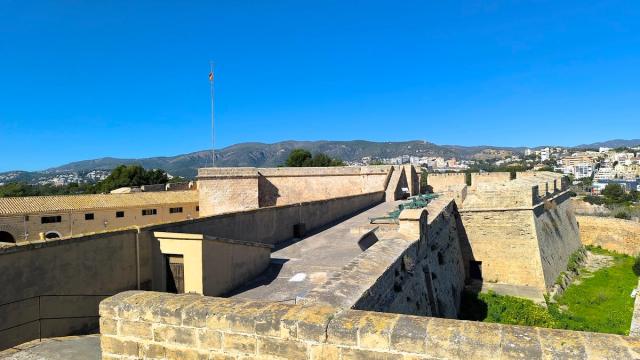
Two to three days covers the city itself: a morning for La Seu and the Almudaina Palace, a day in the Old Town lanes and the Arab Baths, and time for Bellver Castle on its hill above the city. Add a day for the wooden train to Sóller. Every road and bus route on the island converges on Palma, so a week here turns the Tramuntana villages and the east coast into day trips.
Getting around
The Old Town is walking country: its lanes are narrow, and only a few streets take traffic. EMT runs the city buses, which are frequent and include a loop line through the historic centre. Plaça d'Espanya is the transport hub, with buses and trains leaving from the Estació Intermodal under the park and the Sóller railway running from its own station beside it. The metro serves the northern suburbs and the university, residential and industrial areas with little for a visitor. Taxis are white and wait at the port, the airport and the bus and railway stations. The crowded inner streets are uncomfortable on a bike; the beach strip along the bay is the place to ride, and rental shops are dotted through the centre.
One catch: the red-and-yellow TIB buses head out across the island but do not carry passengers on journeys within the city limits. Inside Palma, take EMT.
Local rules
- Guard your valuables in the centre. Pickpockets work the town centre, and flower sellers and street touts can be the distraction that sets you up for them.
- Keep your drink in hand at night. The Old Town and El Terreno turn seedy late in the evening, drug use is visible, and drink-spiking happens.
- Respect the island's language. Catalan is Mallorca's own language, and an attempt at Spanish earns more goodwill than insisting on English.
What to see
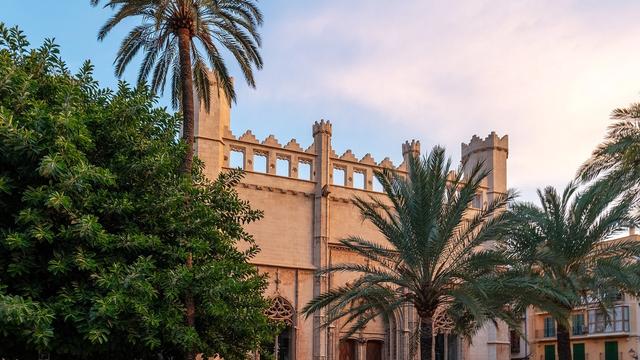
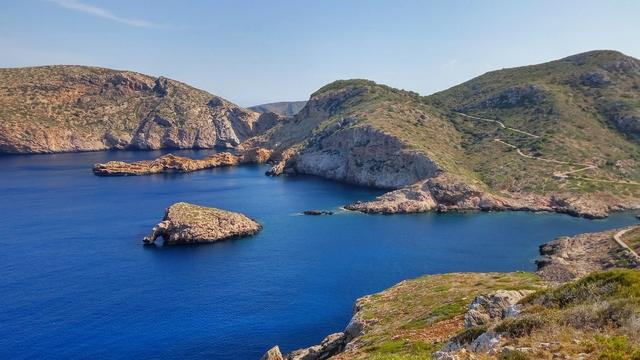
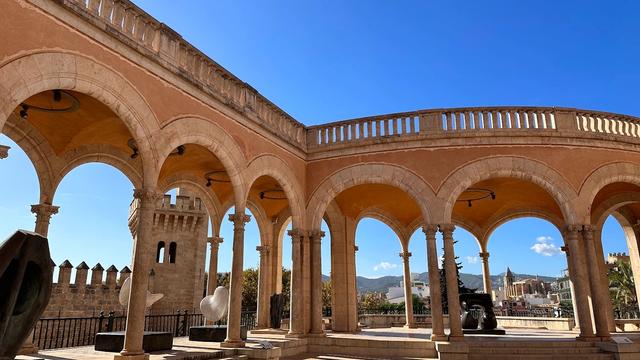

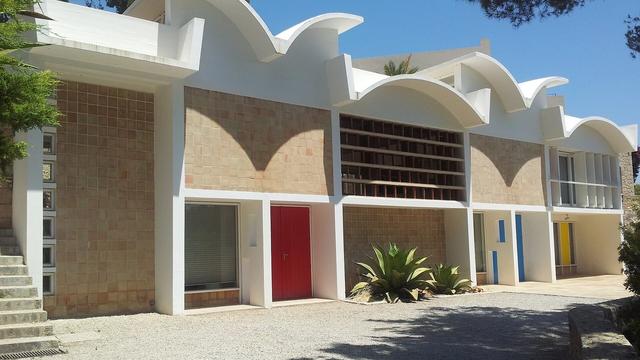


Destinations in Palma
Frequently asked questions
How do I get from the airport into Palma?
The airport lies 8–9 km east of the centre. EMT bus A1 runs into the city, stopping at Porta des Camp, the railway station and Passeig Mallorca, every 15 minutes from early morning until midnight, with a few night departures after that. A taxi takes about 15 minutes in normal traffic.Can I reach Palma by ferry?
Yes. Ferries sail to Palma from Barcelona (7 hours), Valencia (7 hours) and Dénia (5 hours), and from Ibiza (2–4 hours), Formentera (4 hours) and Mahón on Menorca (6 hours). No ferries run to Mallorca from France, Italy or North Africa, and there is no road link to the other islands.Where does the Sóller train leave from?
From its own station beside the park at Plaça d'Espanya, next to the Estació Intermodal. The line dates from 1911 and runs wooden carriages.What is the story behind La Seu?
The cathedral stands on the site of a mosque, which itself was built over an earlier Christian church. Work began in 1229, the year James I of Aragon took the city, and finished in 1601. Antoni Gaudí was brought in to restore the building in 1901. It sits above the old town walls, looking down over the Parc de la Mar.Is Palma worth visiting outside summer?
Yes. Palma works all year: winters are mild, with January highs near 16 °C, and the cathedral, the Almudaina Palace and the Old Town do not depend on beach weather. Autumn brings the most rain.