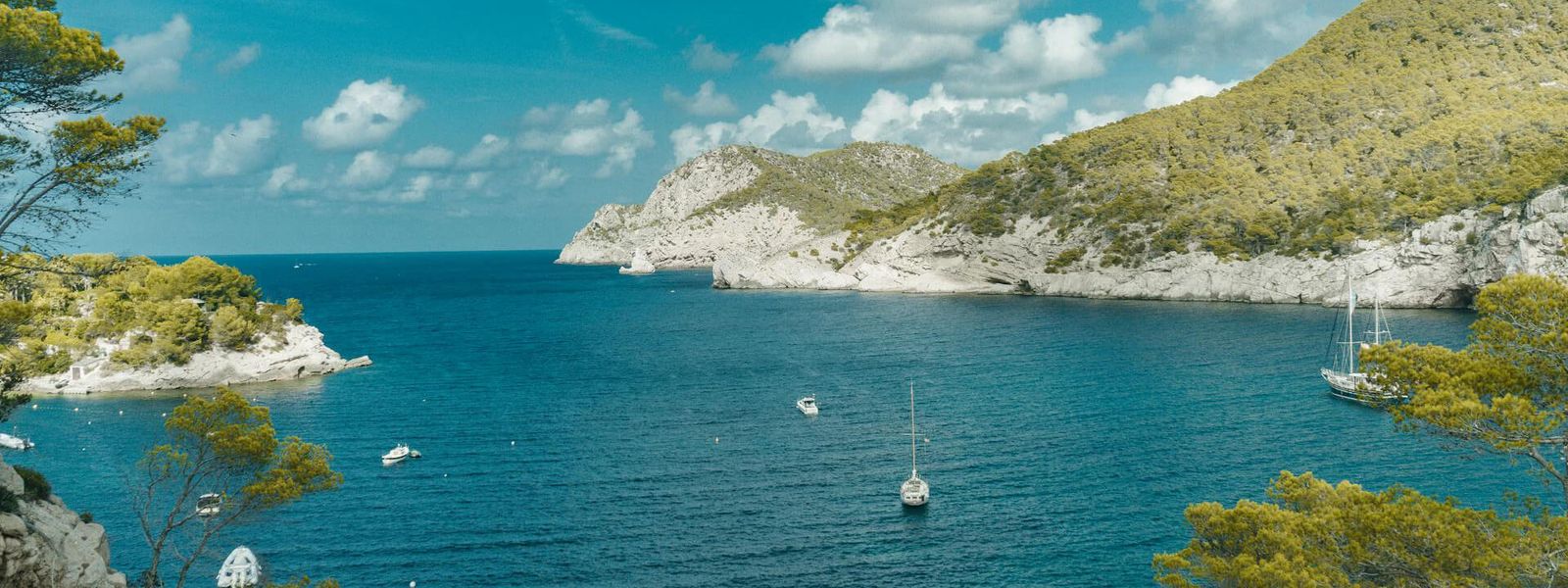
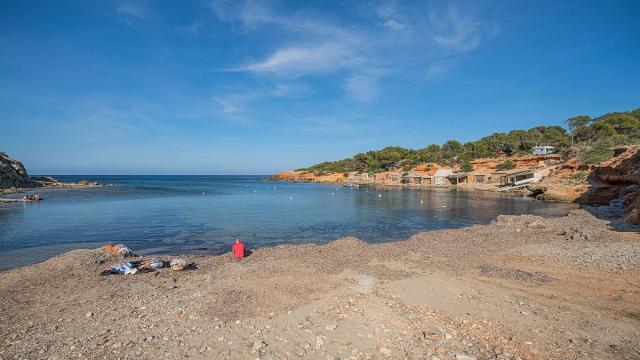
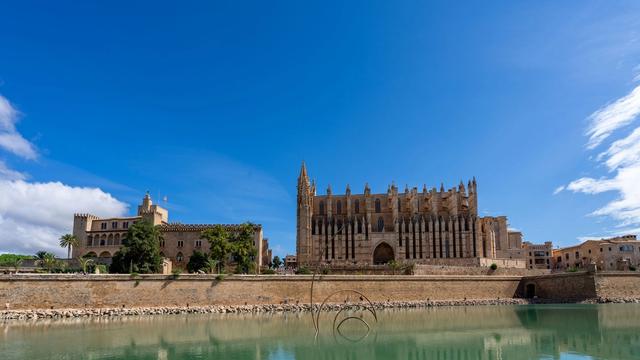
An archipelago in the western Mediterranean off Spain's eastern coast, the Balearic Islands are home to 1.2 million people and the regional capital Palma de Mallorca. The four major islands draw millions of tourists annually: Mallorca and Menorca offer coastal villages, beaches and inland traditions, while Ibiza attracts visitors for its international nightlife and DJ scene. The islands are among Europe's most densely visited tourist destinations, with summer crowds and prices to match.
Balearic Islands
- Currency
- Euro (EUR)
- Language
- Catalan, Spanish
- Power plug
- Type C/F, 230 V
- Visa
- Schengen
- Time zone
- UTC+1 / UTC+2 (CET/CEST)
- Tap water
- Safe; mineral taste in the south
- Tipping
- Not expected; 5–10% for great service
- Emergency
- 112
Things to do
All tours in Balearic Islands on GetYourGuide
Paid links: booking through them supports YowJourney.
When to go
High season
Jun – Sep
June to September is hot and dry with peak tourism; beaches and nightlife venues are crowded and prices are at their highest.
Shoulder
Apr – May
April and May bring warm weather and calmer seas with fewer visitors than summer.
Shoulder
Oct – Nov
October and November offer mild temperatures and smaller crowds before winter.
Low season
Dec – Mar
December to March is mild but rainy; many seasonal venues close, tourism is minimal and accommodation is cheapest.
How long to stay
Plan 4–7 days to explore one or two islands, including beaches and towns; this allows time to relax and move between locations without rushing. Two weeks permit a full circuit of all four major islands, experiencing the varied character from Mallorca's inland villages and cultural sites to Ibiza's international nightlife, Menorca's quieter beaches, and the smaller islands.
Getting around
Rent a car to move between islands' beaches and inland villages. Interisland ferries run frequently—approximately 150 weekly sailings between Mallorca and other islands and the Spanish mainland. Barcelona is eight hours by overnight ferry. Flights from Barcelona, Valencia and Madrid take under an hour; from Paris and London under two hours. Within larger islands, buses connect towns and beaches; Mallorca has a narrow-gauge railway from Palma through mountain villages to Soller. Bicycles and scooters are available for rent.
Local rules
Boat anchoring: Do not anchor on seagrass (posidonia seaweed); fines are enforced. Anchor stays in the same location are limited to three days, actively enforced in some areas. Check seabed conditions—sandy is safe, weedy (seagrass) is not—using satellite images or dedicated apps.
What to see
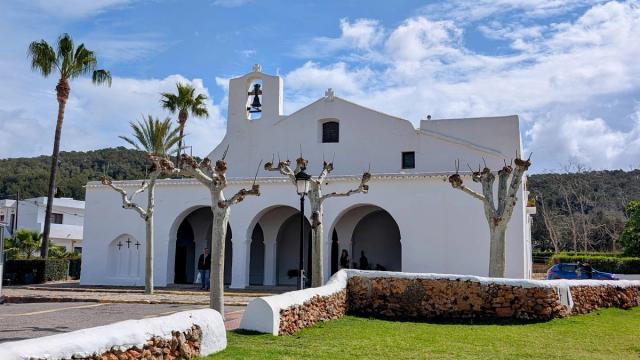
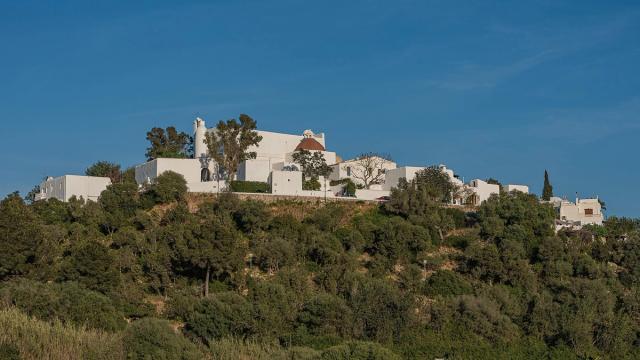
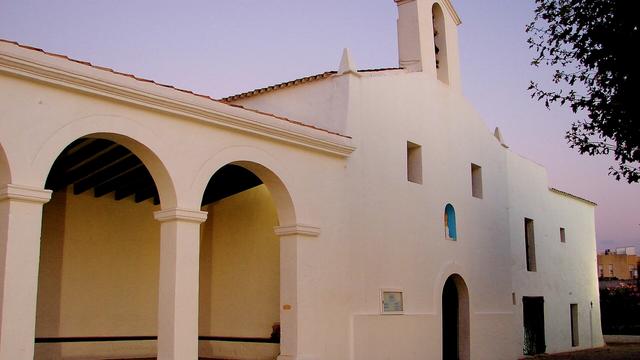
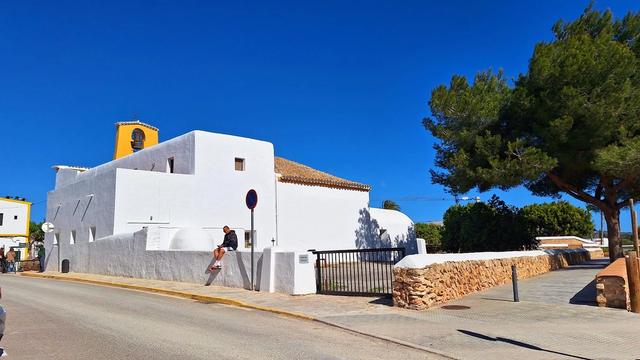
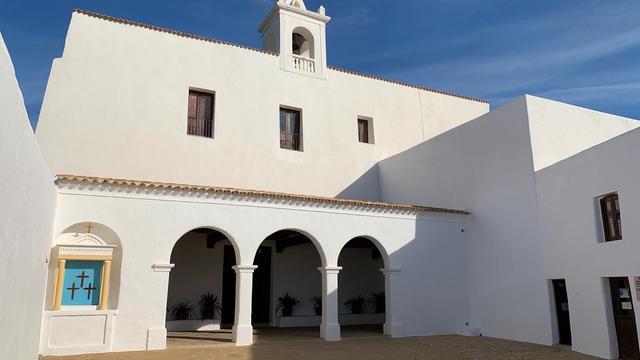
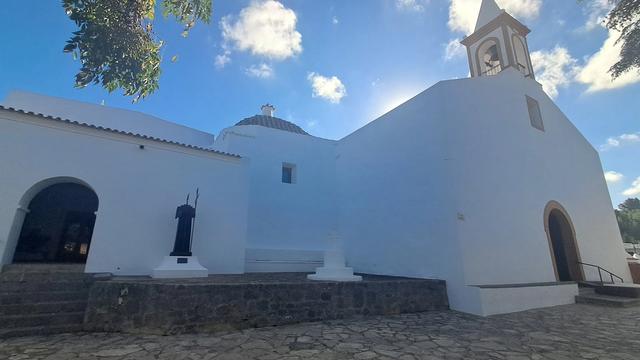
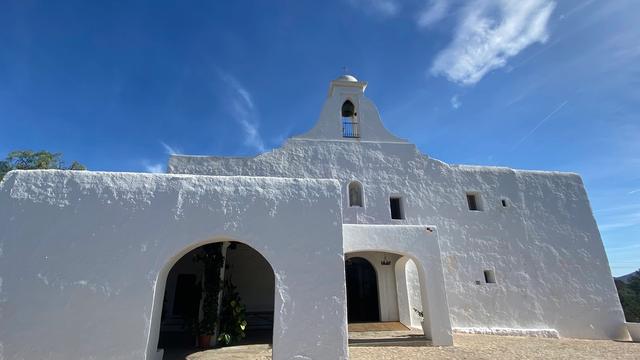
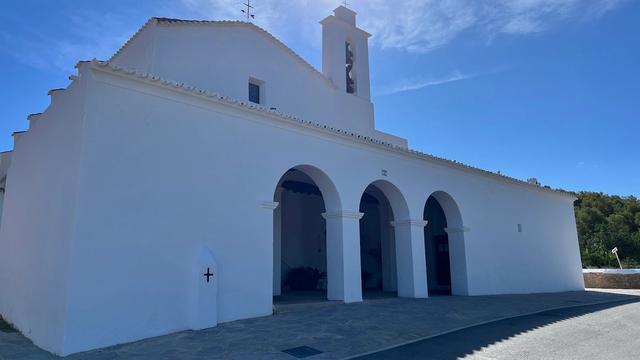
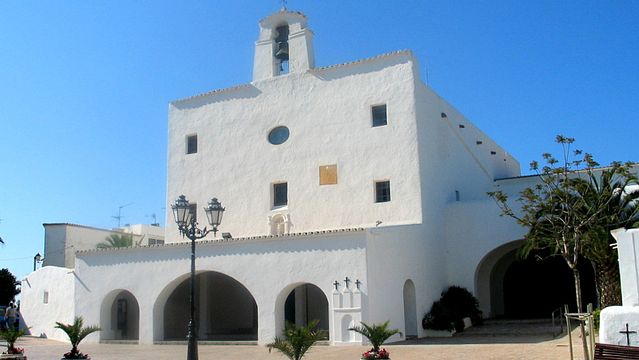
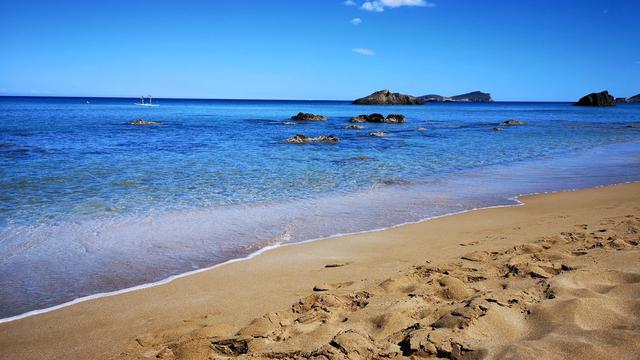
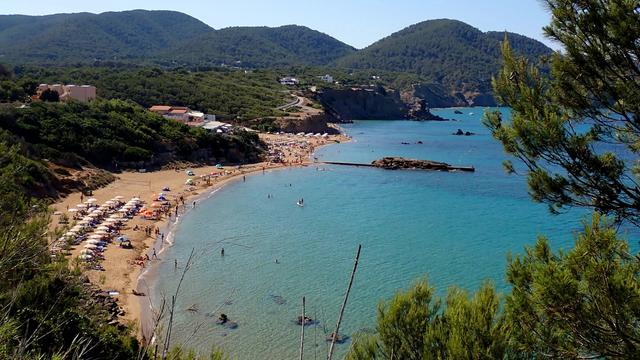
Destinations in the Balearic Islands
Nearby regions (2)



Frequently asked questions
What languages are spoken?
Catalan and Spanish are both official languages; the majority speaks Catalan fluently. English is widely understood in tourist establishments and beach areas, but not reliably outside them.How do I reach the islands from mainland Spain?
Flights from Barcelona, Valencia and Madrid take less than an hour. Overnight ferry from Barcelona takes eight hours. Approximately 150 interisland ferries run weekly between Mallorca and other islands and the mainland.What are the local food specialities?
Sobrasada is a local red pork pâté spiced with sweet paprika; ensaimada is a traditional pastry with pumpkin jam and lard. Local liqueurs include Palo, made from carob fruit, and Hierbas, a herb-based liquor available sweet, dry or mixed.