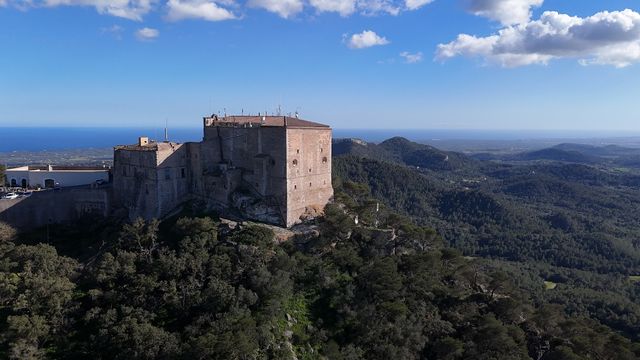
Felanitx is a town of wine, brandy and clay. Earthenware water coolers and other pottery have been made here since at least the 3rd century BC, and in 1749 more than 60 distilleries were recorded in the area. The town dates from the 13th century and lies near the Gothic Sant Salvador Monastery. People come for the Sunday morning market, the local pottery and wine, and the town's link to the painter Miquel Barceló, who was born here.
Felanitx
- Currency
- Euro (EUR, €). Credit and debit cards are widely accepted in cities and tourist areas. ATMs are abundant; most charge €2–7 per foreign card withdrawal. Some shops request ID before accepting a credit card. €500 banknotes are not accepted in most shops.
- Language
- Catalan and Spanish are both official languages of the Balearic Islands; the majority speaks Catalan fluently alongside Spanish. English is common in tourism sectors and establishments.
- Power plug
- Europlug (Type C) and Schuko (Type F) sockets; 230 V, 50 Hz
- Visa
- Schengen area: EU, EEA and Swiss nationals enter on national ID card or passport. Many non-EU nationalities have 90-day visa-free access. Non-EEA citizens staying longer than 90 days require an advance visa.
- Time zone
- Europe/Madrid (UTC+01:00 winter time, UTC+02:00 summer time from last Sunday in March to last Sunday in October). Canary Islands are one hour behind mainland Spain.
- Tap water
- Safe to drink throughout Spain. In some southern regions it has high mineral content and may taste unfamiliar; locals often drink bottled water instead. Bottled water is inexpensive and widely available.
- Tipping
- Not mandatory or customary. In restaurants: not expected for simple meals or basic establishments; 5–10% in mid-range or upscale venues if service was exceptional. Always pay cash to the server, not on card. Taxi drivers and hotel staff may appreciate small tips in upscale settings but it is not expected.
- Emergency
- 112
When to go
Low season
Nov – Mar
Winter is the quietest stretch, with short days and cool evenings, and the Sunday morning market is the busiest hour of the week.
Shoulder
Apr – May
Spring brings mild days for the lanes and vineyards around the town before the summer heat arrives.
High season
Jun – Sep
Summer is hot inland and the island is at its fullest; the Cavallets dance on the feasts of Santa Margalida and Sant Agustí.
Shoulder
Oct – Oct
October keeps warm days while the summer crowds thin out across the island.
How long to stay
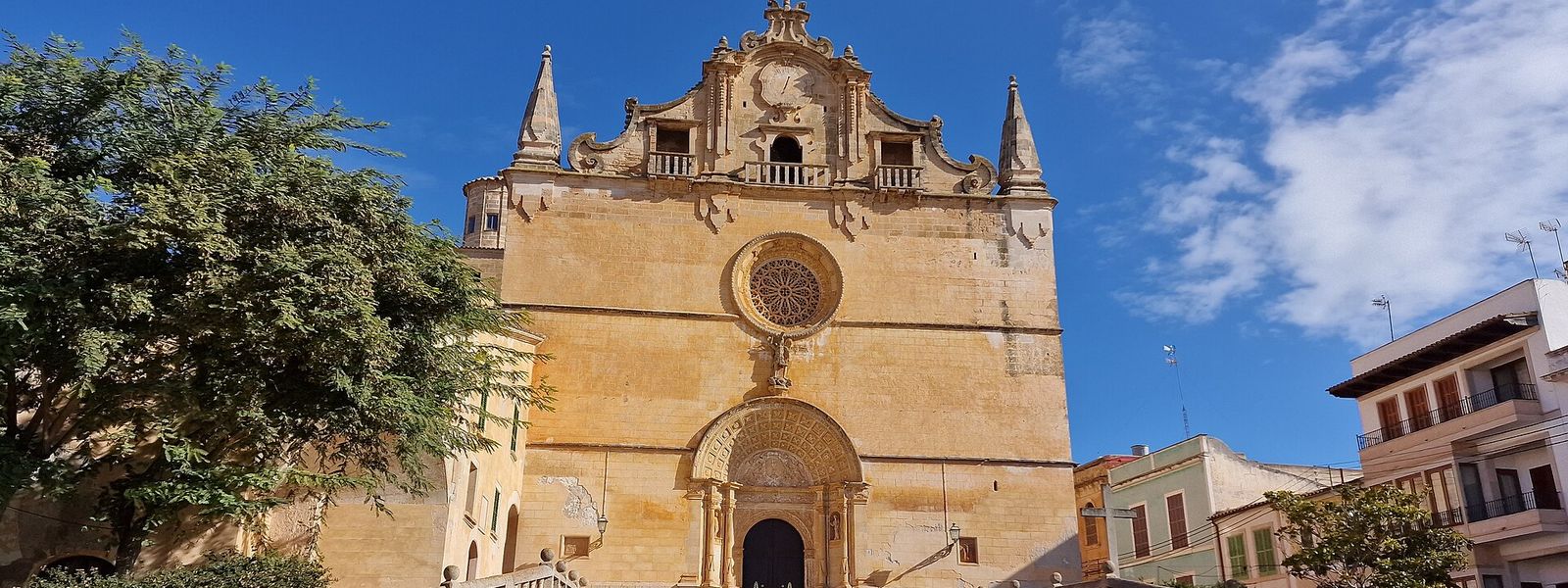
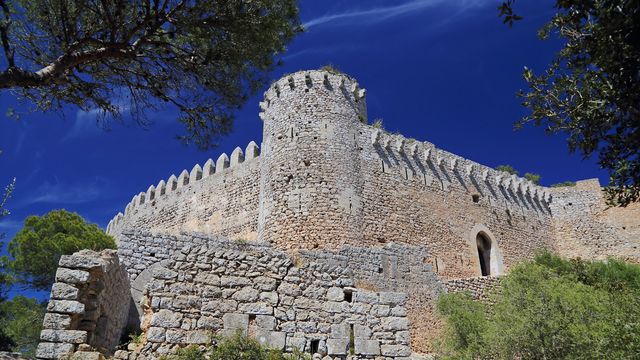
A day covers the town itself: the Sunday morning market, the pottery, the church of the old Sant Agustí convent and a trip out to Sant Salvador Monastery. Give it two or three days if you want to use Felanitx as a base for the southeast of Mallorca.
What to see
Destinations in Felanitx
Frequently asked questions
What is Felanitx known for?
Wine and above all brandy: more than 60 distilleries were recorded in the area in 1749. The town is also a centre of pottery, earthenware water coolers in particular, made here since at least the 3rd century BC.When is the market in Felanitx?
A weekly market takes place every Sunday morning.What is Els Cavallets?
A traditional dance performed on the feast days of Santa Margalida and Sant Agustí. Six children aged 10 to 14 wear cardboard horses around their middles, red shirts and green hats, and dance around La Dama, a girl in a green dress and red hat. There are nine dances, played on the xeremia, the flabiol and the tambourine. The celebration marks the town council taking over the church of the Sant Agustí convent in 1881.How far is Felanitx from Palma?
48 kilometres. Felanitx lies in the southeast of Mallorca.Who comes from Felanitx?
The painter Miquel Barceló was born here, as was the Gothic architect and sculptor Guillem Sagrera. Others include the writer Miquel Bauçà, the world champion cyclist Guillermo Timoner and the footballer Mariona Caldentey.