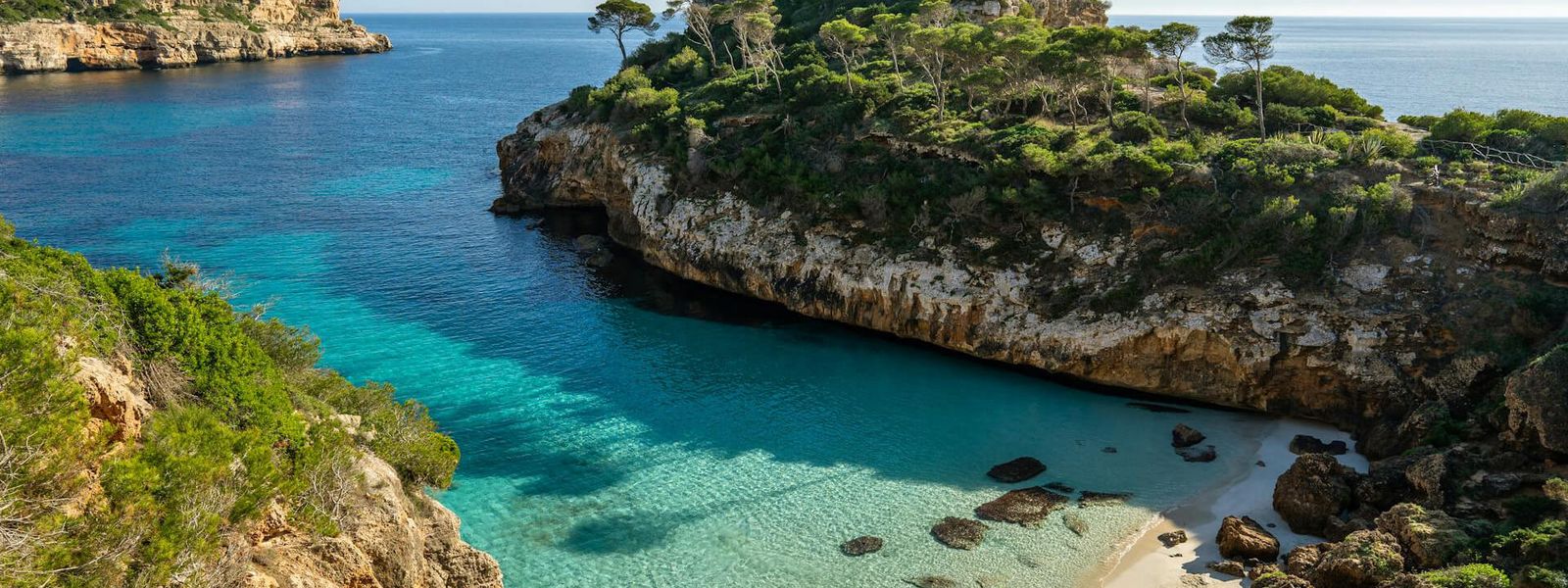
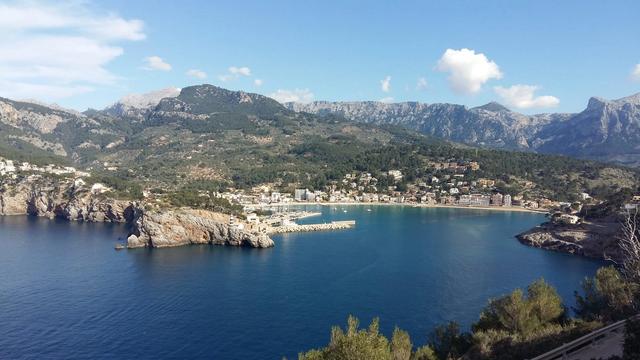
Mallorca, the largest Balearic Island, sits in the Mediterranean Sea off eastern Spain. It draws over 13 million visitors annually. The northwest coast rises into the Serra de Tramuntana mountains; resorts cluster along the south and east coasts near Palma. The interior is farmland. Tourism exploded after Franco's death in 1975 opened Spain to the world. Today the island is highly developed for visitors, with abundant accommodation, restaurants and attractions. You can visit any time of year, though many businesses close November to March.
Mallorca
- Currency
- Euro (EUR)
- Language
- Catalan, Spanish
- Power plug
- Type C/F, 230 V
- Visa
- Schengen
- Time zone
- UTC+1 / UTC+2 (CET/CEST)
- Tap water
- Safe; mineral taste in the south
- Tipping
- Not expected; 5–10% for great service
- Emergency
- 112
Things to do
All tours in Mallorca on GetYourGuide
Paid links: booking through them supports YowJourney.
When to go
High season
Apr – Aug
Main tourist season; warm weather, packed beaches and attractions, many late arrivals and departures.
Shoulder
Sep – Oct
Warm sea, clear skies, fewer crowds than summer; good time to visit.
Low season
Nov – Mar
Many shops and restaurants close; cooler weather; good for walking and exploring without crowds.
How long to stay
Seven to ten days allows a thorough circuit of the island, taking in the mountain coast, major towns and southern beaches. Three to four days suffices for the principal tourist areas around Palma and one of the coast strips. Travellers with a week have time to explore the agricultural interior and the quieter eastern resorts.
Getting around
Car hire is available at Palma airport and major resorts. Toll-free highways radiate from Palma city on five main routes to all corners of the island; travelling distances are short, with the furthest point roughly 55 km away. TIB public buses run hourly to all main towns from Palma city and airport, with less frequent services to smaller villages; a few remote places require a bus change inland. TIB trains depart Palma every 20 minutes, branching at Inca to Sa Pobla and Manacor. A heritage narrow-gauge railway runs from Palma to Sóller, where a wooden tram connects to the port; these are crowded with tourists and rarely used by locals. Ferries connect to Barcelona, Valencia and Denia on the Spanish mainland, and to Menorca, Ibiza and Formentera in the Balearics; flights to these islands exist but cost twice as much.
Local rules
Drinking alcohol is forbidden for those under 18. Bars, restaurants and discos may not serve alcohol after 22:00. Drinking in the street is tolerated except where prohibited by local ordinance; police act against unruly behaviour, damage to property, littering and violence, and may issue substantial fines. Magaluf and Palma's waterfront are the main late-night drinking strips; even small resorts remain busy well past midnight.
What to see



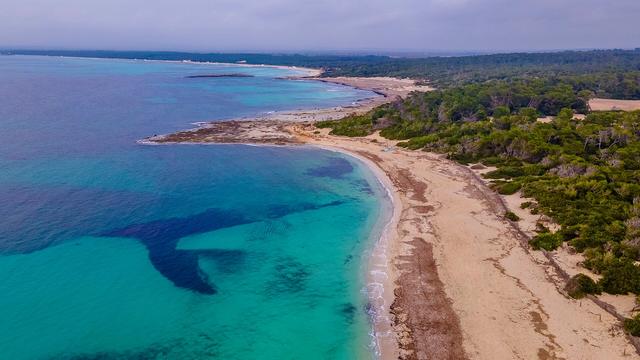
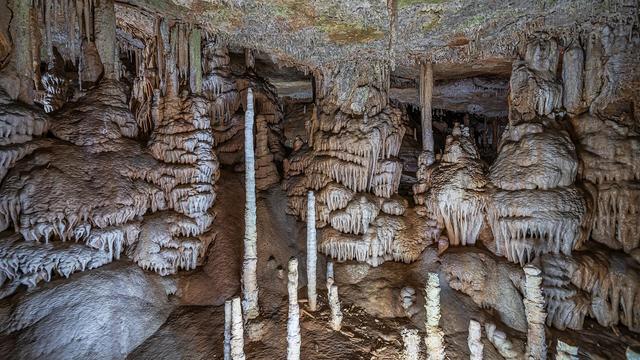

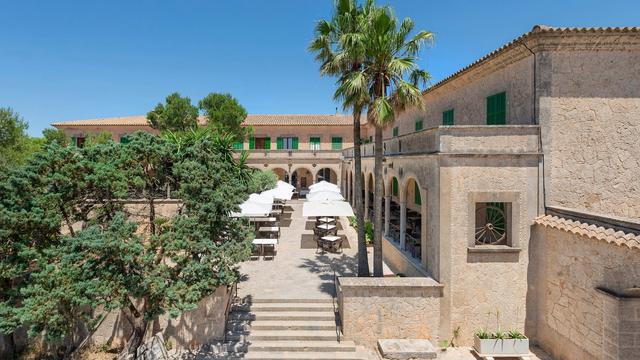
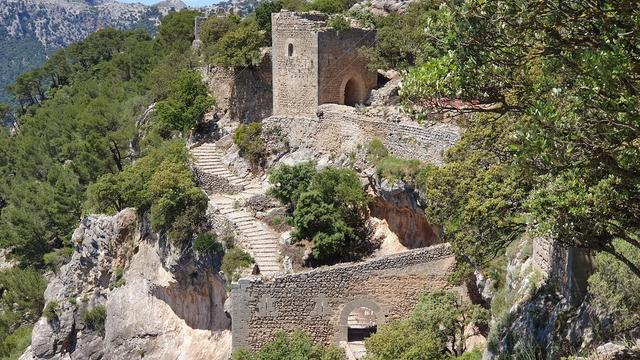

Destinations in Mallorca
Nearby islands (2)

Frequently asked questions
What languages are spoken on Mallorca?
Catalan and Spanish are official. Most residents speak both, though locals converse in Mallorquín, a local Catalan sub-dialect. English, German, French and Italian are widely understood in tourist areas.Can I rent a car?
Yes. Car hire is available at Palma airport and major resorts. Roads are toll-free, and most main routes radiate from Palma.Is tap water safe to drink?
Yes, throughout the island. However, it comes from desalination, may taste flat and lukewarm, and many prefer bottled water.When is the best time to visit?
September offers the best balance: the sea is warm and calm, the hottest days have passed, and overcrowding of summer is over. May, June and late August are also good. November to March has fewer visitors and cooler weather, but many businesses close.How far is it from Palma to other parts of the island?
Travelling distances are short. The furthest point on the island, Alcúdia in the north, is only 55 km from Palma. One can use any convenient accommodation as a base to explore different regions.