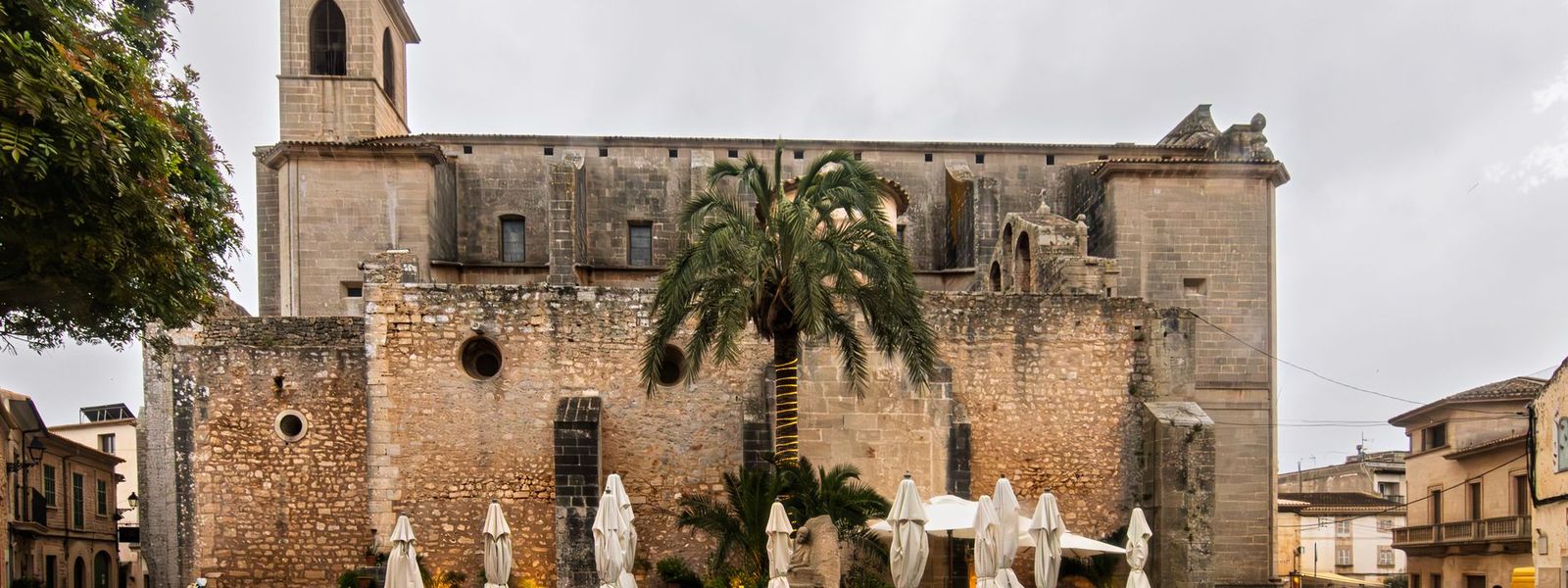
The old centre of Santanyí is built of honey-coloured local sandstone, and its parish church is known for an 18th-century organ restored by Gerhard Grenzing. Most travellers come for the coast: the municipality runs for about 35 km along the southeast shore, through Cala d'Or, Portopetro, Cala Figuera, Cala Santanyí and Cala Llombards, and includes the protected Mondragó Natural Park (Parc Natural de Mondragó). Inland, 172 archaeological sites record farming here since at least the Talaiotic period.
Santanyí
- Currency
- Euro (EUR, €). Credit and debit cards are widely accepted in cities and tourist areas. ATMs are abundant; most charge €2–7 per foreign card withdrawal. Some shops request ID before accepting a credit card. €500 banknotes are not accepted in most shops.
- Language
- Catalan and Spanish are both official languages of the Balearic Islands; the majority speaks Catalan fluently alongside Spanish. English is common in tourism sectors and establishments.
- Power plug
- Europlug (Type C) and Schuko (Type F) sockets; 230 V, 50 Hz
- Visa
- Schengen area: EU, EEA and Swiss nationals enter on national ID card or passport. Many non-EU nationalities have 90-day visa-free access. Non-EEA citizens staying longer than 90 days require an advance visa.
- Time zone
- Europe/Madrid (UTC+01:00 winter time, UTC+02:00 summer time from last Sunday in March to last Sunday in October). Canary Islands are one hour behind mainland Spain.
- Tap water
- Safe to drink throughout Spain. In some southern regions it has high mineral content and may taste unfamiliar; locals often drink bottled water instead. Bottled water is inexpensive and widely available.
- Tipping
- Not mandatory or customary. In restaurants: not expected for simple meals or basic establishments; 5–10% in mid-range or upscale venues if service was exceptional. Always pay cash to the server, not on card. Taxi drivers and hotel staff may appreciate small tips in upscale settings but it is not expected.
- Emergency
- 112
When to go
Shoulder
Apr – May
The sea is still cool for swimming, but the coves are quiet and the farmland inland is at its greenest.
High season
Jun – Sep
Beach season: the coves fill, August most of all, and the bare rock around them gives no shade at midday.
Shoulder
Oct – Oct
The sea holds its summer warmth longer than the air, and the crowds on the coast thin out.
Low season
Nov – Mar
Too cool for most swimmers and the days are short; this is the season for the town and the inland villages over the beaches.
How long to stay
Two or three days cover Santanyí town, Mondragó Natural Park and a handful of the coves. The coast stretches for 35 km, from Cala d'Or in the north to Cala de s'Almunia in the south, so a week from one base suits a slower beach holiday with a different cove each day.
What to see

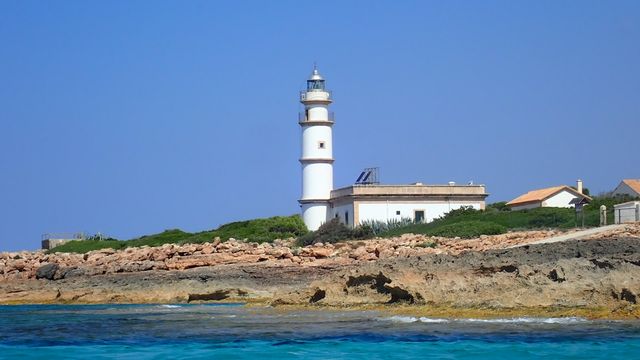
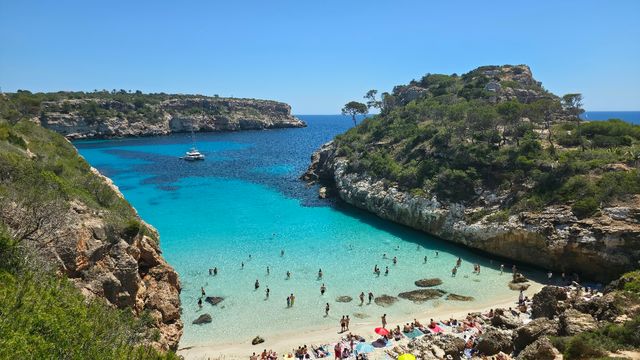

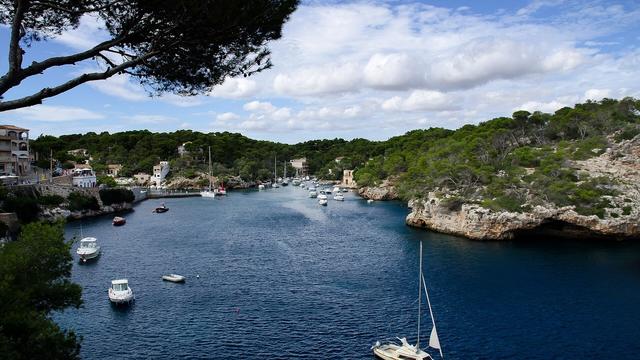

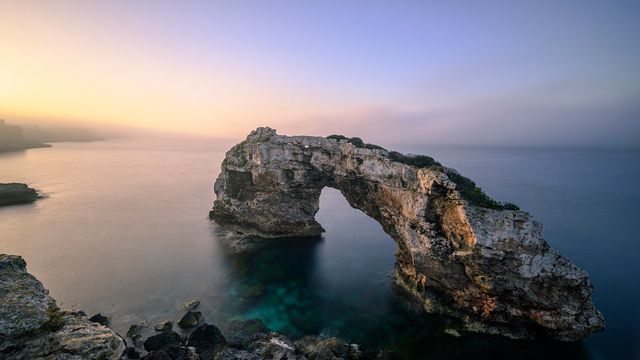
Destinations in Santanyí
Frequently asked questions
Which towns and resorts belong to Santanyí?
Besides Santanyí town itself, the municipality includes the villages of Calonge, s'Alqueria Blanca and es Llombards, and the coastal settlements of Cala d'Or, Portopetro, Cap d'es Moro, Cala Figuera, Cala Santanyí, Cala Llombards and Cala de s'Almunia.What is Mondragó?
Mondragó Natural Park is a protected natural area on the Santanyí stretch of coast, in the southeast of Mallorca.Is there anything to see besides the beaches?
The parish church in Santanyí town holds an 18th-century organ restored by Gerhard Grenzing. The municipality also counts 172 archaeological sites, evidence of farming and herding since at least the Talaiotic period.How much coastline does Santanyí have?
Around 35 km along the southeast coast of Mallorca, with beaches spread along its length.