Mondragó Natural Park covers about 7.5 square kilometres of coast in the municipality of Santanyí, in south-east Mallorca. Declared a natural park in 1992 and listed as a Natura 2000 site, it takes in grassland, pine-wooded ravines, dunes and a series of coves, the best known of them Cala Mondragó. The park is known for its birdlife and for water clear enough to show the seabed even where it runs deep.
Mondragó Natural Park
Local name: Parc natural de Mondragó
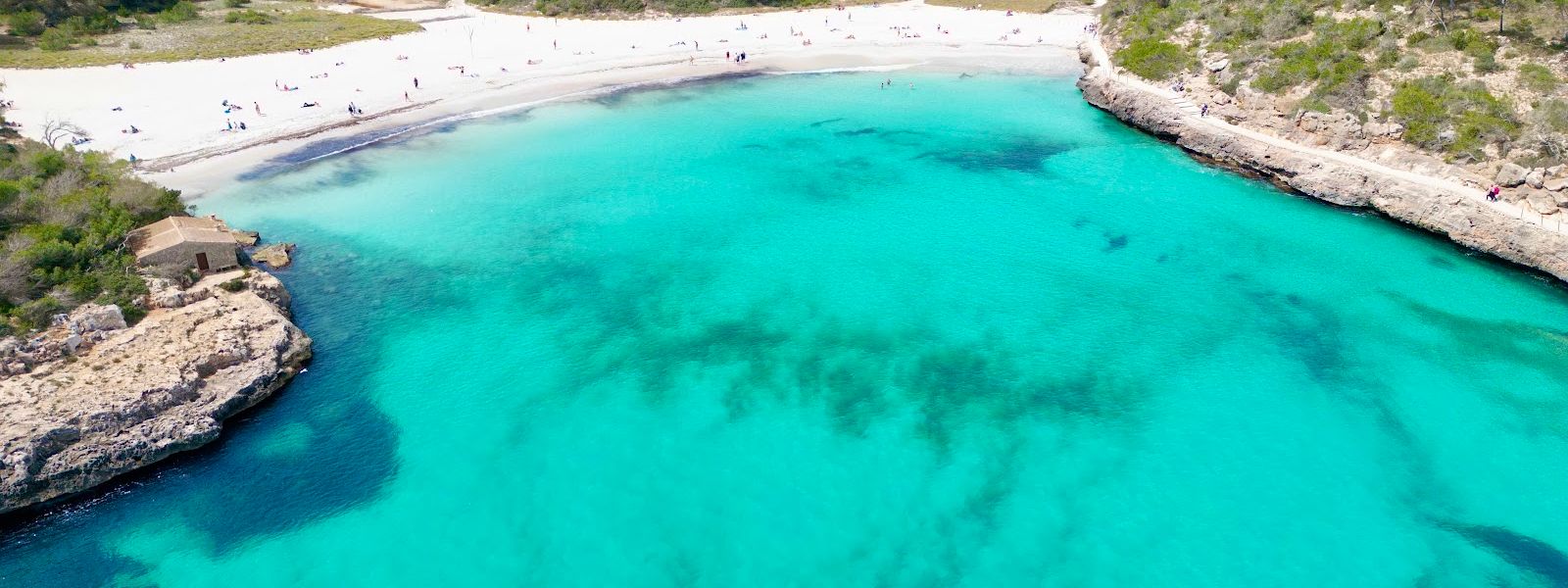
Coastal natural park of pine-wooded ravines, dunes and clear-water coves near Santanyí, protected since 1992
- Entrance
- Free entry to the park; parking is charged separately.
- Accessibility
- Wheelchair-accessible parking spaces.
- Parking
- Two paid car parks: Ses Fonts de n'Alis (gravel, about 500 m away) and S'Amarador (about 750 m away). Parking has been free in April and on Sundays. Some roadside parking, free and paid. Wheelchair-accessible spaces available.
- Difficulty
- Easy walking from the car parks, which lie about 500 m and 750 m away in a straight line; footpaths link the beaches.
- Transport
- Bus stop Cala Mondragó, about 60 m away.
- Hours
- Daily, 9:00–16:00.
- Address
- Carretera Mondrago, s/n, 07691, Illes Balears, Spain
What makes it special
Swim out from Cala Mondragó and the sand stays in sight below you, even where the water gets deep.
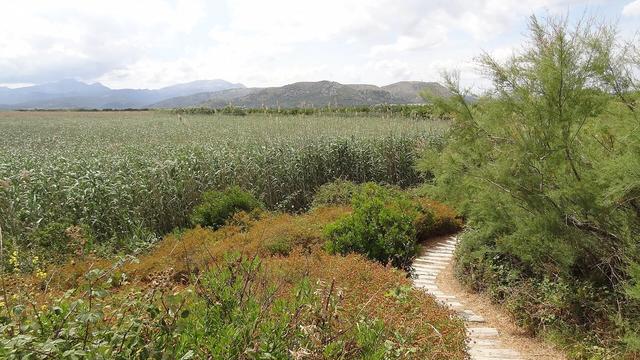
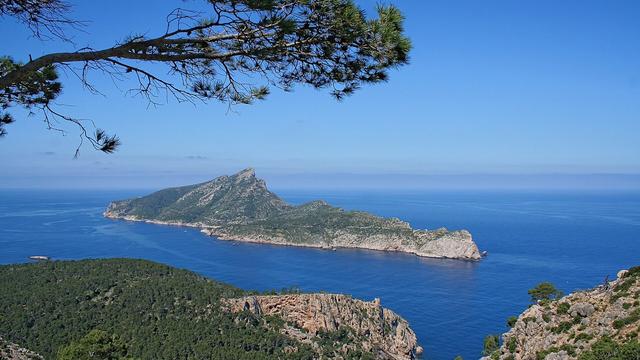
The coves sit at the ends of pine-wooded ravines, and footpaths join one beach to the next, so a single morning can take in Cala Mondragó, S'Amarador and the rocks beyond, where a swim can be had with nobody else in the water. Behind the shore the park keeps grassland, dunes and a large bird population. Once the car park is behind you, the sounds are waves and birds.
Good to know
- In summer the car park is half full by 10:00, and by early afternoon cars queue to get in. Come early.
- Sea urchins live on the rocks around the coves. Water shoes make swimming off the rocks far more comfortable.
- The beach restaurant gets busy. Go at a quiet hour, or come prepared to wait.
- Free toilets stand about 80 m away, and there is a drinking-water point about 650 m away.
Getting there
Without a car, the Cala Mondragó bus stop is the closest arrival, about 60 m away; the next stop, Sa Barca Trencada, sits about 1 km off.
Drivers leave the car in one of two paid car parks: Ses Fonts de n'Alis, on gravel, about 500 m away, or S'Amarador, on bare ground, about 750 m away. From either, the rest is on foot along the paths to the coves. An information board and a map of the Volta a sa Guàrdia d'en Garrot walk stand about 50 m away, worth a look before you set off between the beaches.
Best time to visit
Best: before 10:00 in summer, or any fine day in spring and autumn. Avoid: summer from late morning onwards.
In summer the car park is half full by 10:00 and cars are queuing at the entrance by 14:00, while outside the holiday season the coves and the paths between them are far quieter.
Access & restrictions
Mondragó has been a natural park since 1992 and is a Natura 2000 site, so the dunes, pine woods and shore are all protected ground. Carry every piece of rubbish back out with you. The pine woods burn easily in the dry months: no fires or barbecues anywhere in the park.
Sun & daylight
Nearby Places

Similar Places


Mondragó Natural Park on the map
Waves break against the rocks between the coves, and sea urchins live on the submerged stone. Get in and out of the water where you can see your footing, and wear water shoes if you swim off the rocks.
Get directions
Your whole travel map in one place
Get inspired by new places around the world and find the ones worth the journey
Frequently asked questions
Do you have to pay to park at Mondragó Natural Park?
Both car parks charge a fee, but parking has been free in April and on Sundays. In summer the car park is half full by 10:00, so arrive early.Can you walk between the beaches?
Yes. Footpaths lead from Cala Mondragó to the neighbouring beaches, so you can park once and walk round.Can you get to Mondragó Natural Park by bus?
Yes. The Cala Mondragó bus stop is about 60 m away.Is there anywhere to eat?
There is a restaurant on the beach. It gets busy, so go at a quiet hour or be ready to wait.Is the swimming good?
The water is clear enough to see the bottom even where it is deep. Off the rocks, watch for waves and sea urchins.