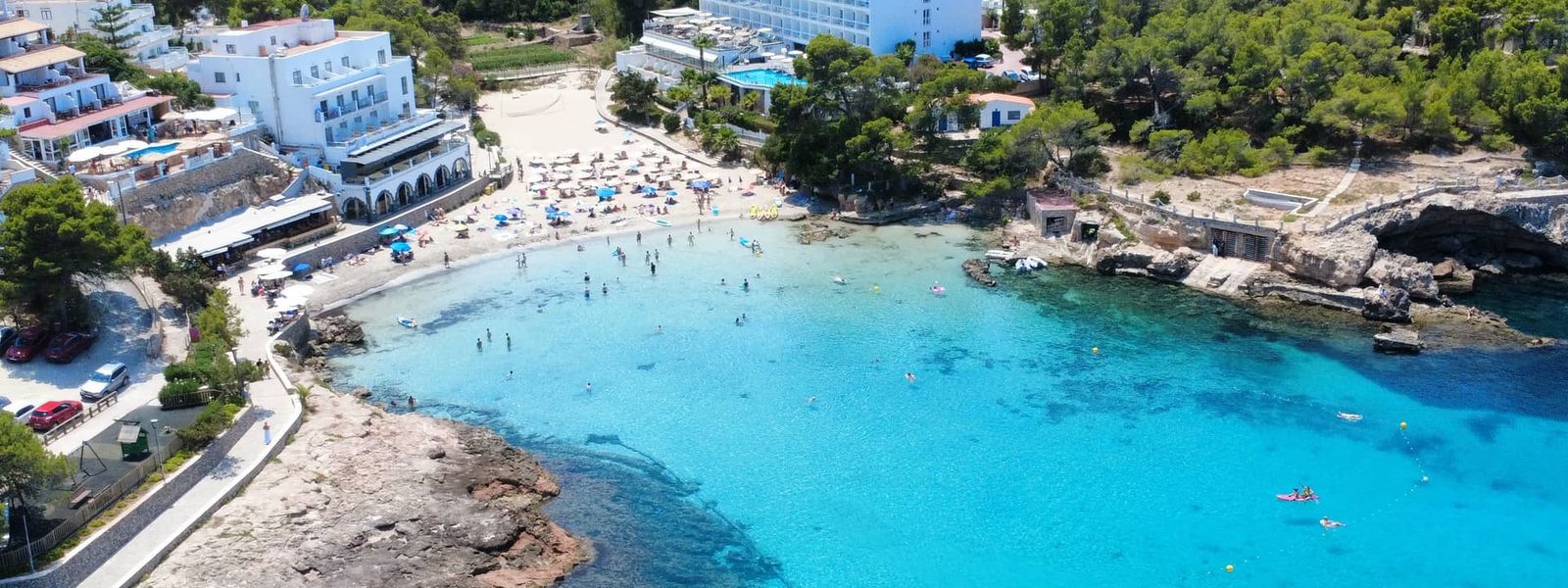
Ibiza lies off eastern Spain in the Mediterranean, 150 kilometres from Valencia. The second-largest Balearic island by population, it attracts visitors to its nightclubs, beaches, and historical towns. The flat terrain supports thousands of pines and almond blossoms, interrupted by rocky coastal inlets and sandy beaches. Three main settlements—Ibiza Town, Santa Eulária des Riu, and Sant Antoni de Portmany—form the core of island life. Protected areas conserve the island's biodiversity and cultural heritage.
Ibiza
- Currency
- Euro (EUR)
- Language
- Catalan, Spanish
- Power plug
- Type C/F, 230 V
- Visa
- Schengen
- Time zone
- UTC+1 / UTC+2 (CET/CEST)
- Tap water
- Safe; mineral taste in the south
- Tipping
- Not expected; 5–10% for great service
- Emergency
- 112
Things to do
All tours in Ibiza on GetYourGuide
Paid links: booking through them supports YowJourney.
When to go
High season
May – Sep
Peak tourism brings crowds to beaches and nightclubs. Mediterranean latitude ensures long daylight; mid-summer sun barely sets.
Shoulder
Oct – Nov
Mild autumn weather; significantly fewer crowds than summer; most attractions operate normally.
Low season
Dec – Apr
Mild Mediterranean winter persists; minimal daylight hours. Fewer ferries and flights; many seasonal businesses close for winter.
How long to stay
Five to seven days covers the island's main attractions: nightclubs, beaches, and principal towns. Extend to ten days to explore quieter settlements, protected natural areas, and take day trips to Formentera.
Getting around
Buses link the airport and towns via Ibizabus. Line 10 connects the airport to Ibiza Town, where most island routes originate; Line 9 serves Sant Antoni directly; Line 24 covers eastern resorts. Ferry operators run scheduled routes to Formentera, with sailings typically early morning and late afternoon to maximise time on the island.
Taxis operate between settlements at €20–30 for inter-town trips. Avoid fixed-price taxis outside the airport; use licensed ranks instead for prices roughly 50% lower.
Car rental is straightforward with a valid driving licence. Prices are competitive, though July and August bring high demand; book in advance. Driving is hazardous: local drivers are dangerously careless; new road detours are poorly marked; and many tourist drivers drive under the influence in summer, creating real danger.
Local rules
Nature areas and beaches have protection rules. Ses Salines Nature Park and similar protected areas restrict where visitors may walk; signs and staff enforce these limits. Beaches within some resorts have roped-off areas to protect sand dunes and shore biodiversity—respect the boundaries.
What to see
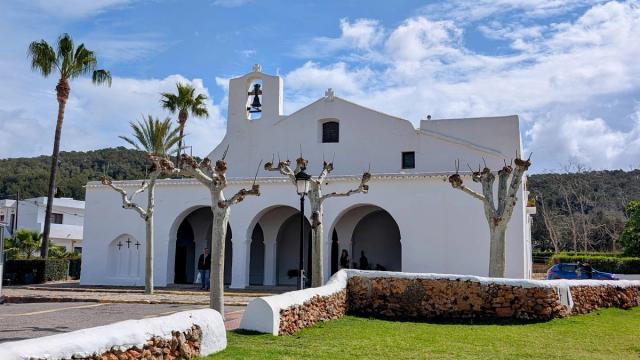
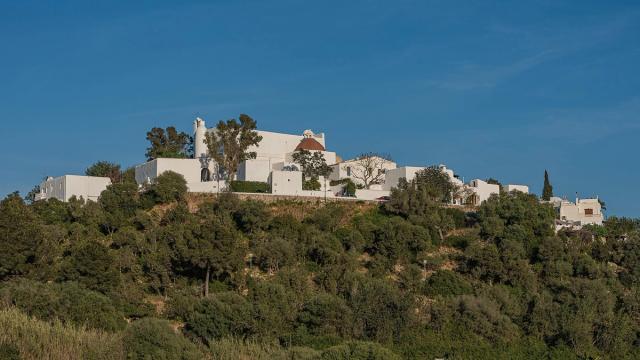
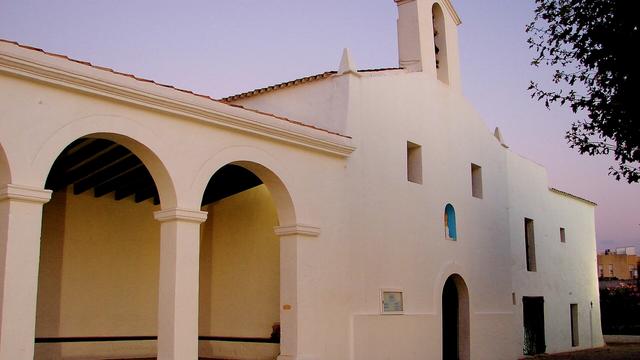
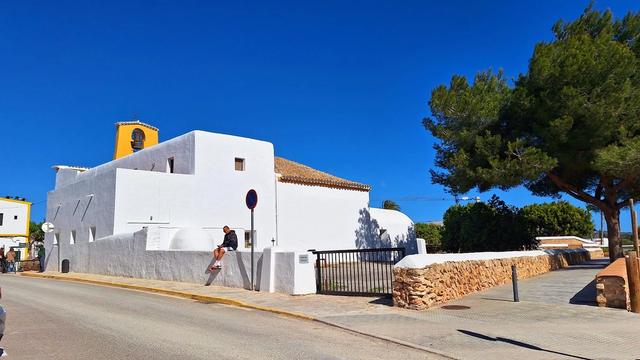
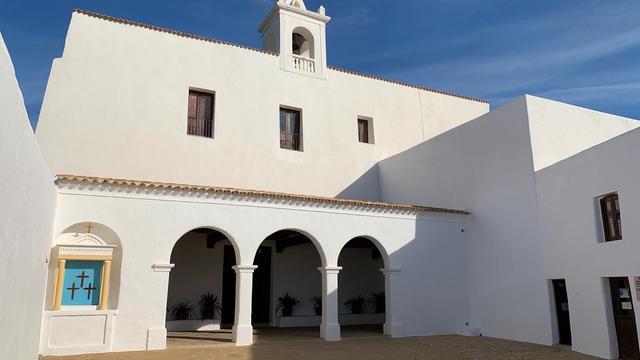
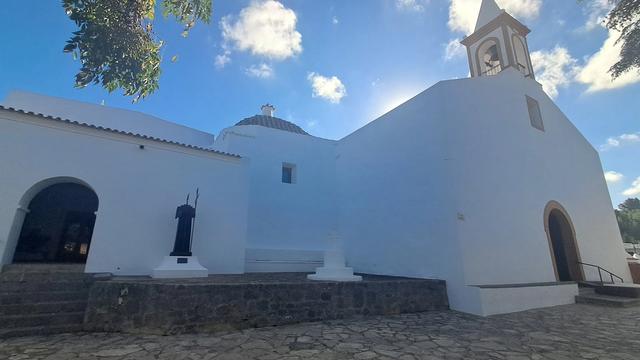
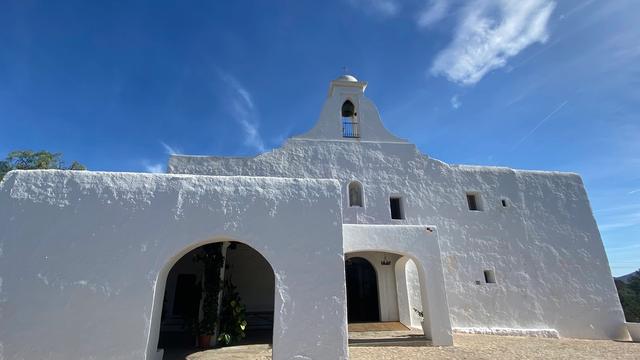
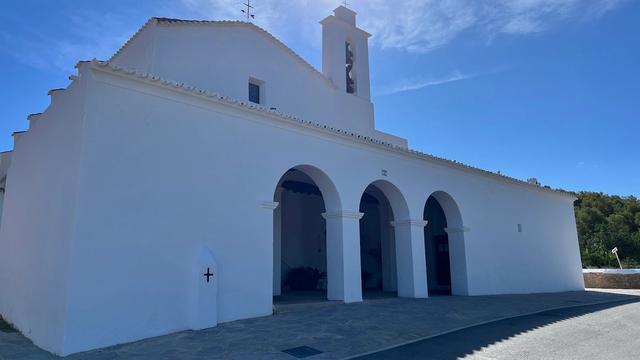
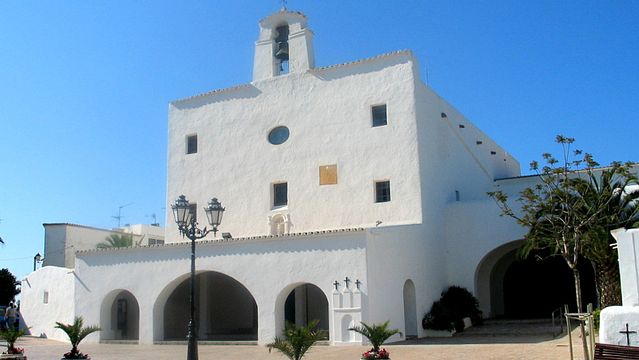
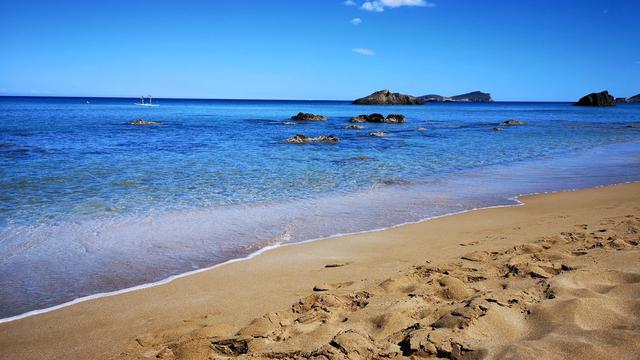
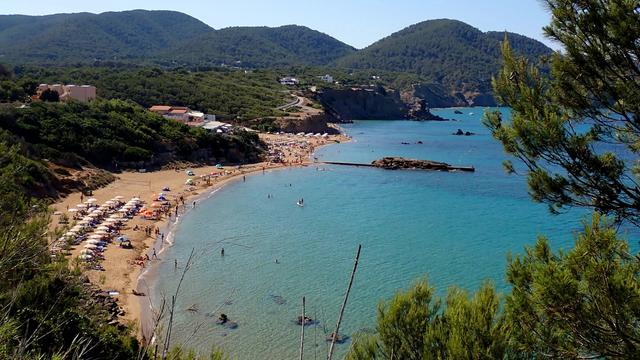
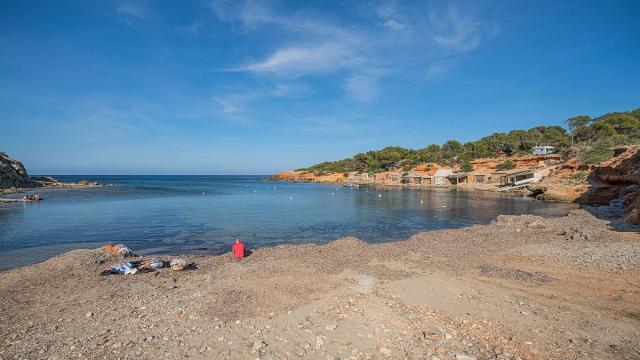
Destinations in Ibiza
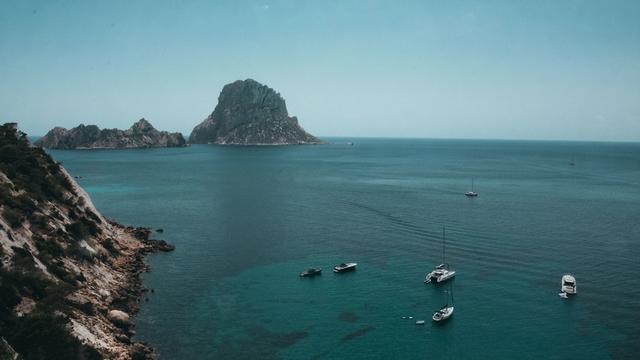
Frequently asked questions
What are the nightclubs like?
Ibiza is world-renowned for its nightclubs. Major venues like Amnesia, Pacha, Eden, Privilege, and Es Paradis host international resident DJs who perform weekly. Admission costs typically €30–€80; drinks average €15 per pour, and bottled water costs around €10. Bars in town busy from early evening; the West End near San Antoni stays packed until 03:00–04:00.What should I eat?
Two local specialities worth trying: ensaimada (a soft, flat pastry coil resembling a Danish but fluffier) and flao (a sweet flan of cheese and mint). Ensaimada is common in pastelerias and bars. Flao is less common but worth finding.How do I get from the airport?
Buses link the airport to towns and resorts. Line 10 serves Ibiza Town (the main hub); Line 9 goes directly to Sant Antoni; Line 24 covers eastern resorts. Licensed taxis cost €20–€30 between towns. Car rental is available at competitive rates for those with a valid driving licence.Can I visit other islands?
Formentera is reachable by ferry, popular for day trips. Ferries typically depart early morning and return late afternoon. Some resorts offer direct services from Playa d'en Bossa and San Antoni; check locally for schedules.