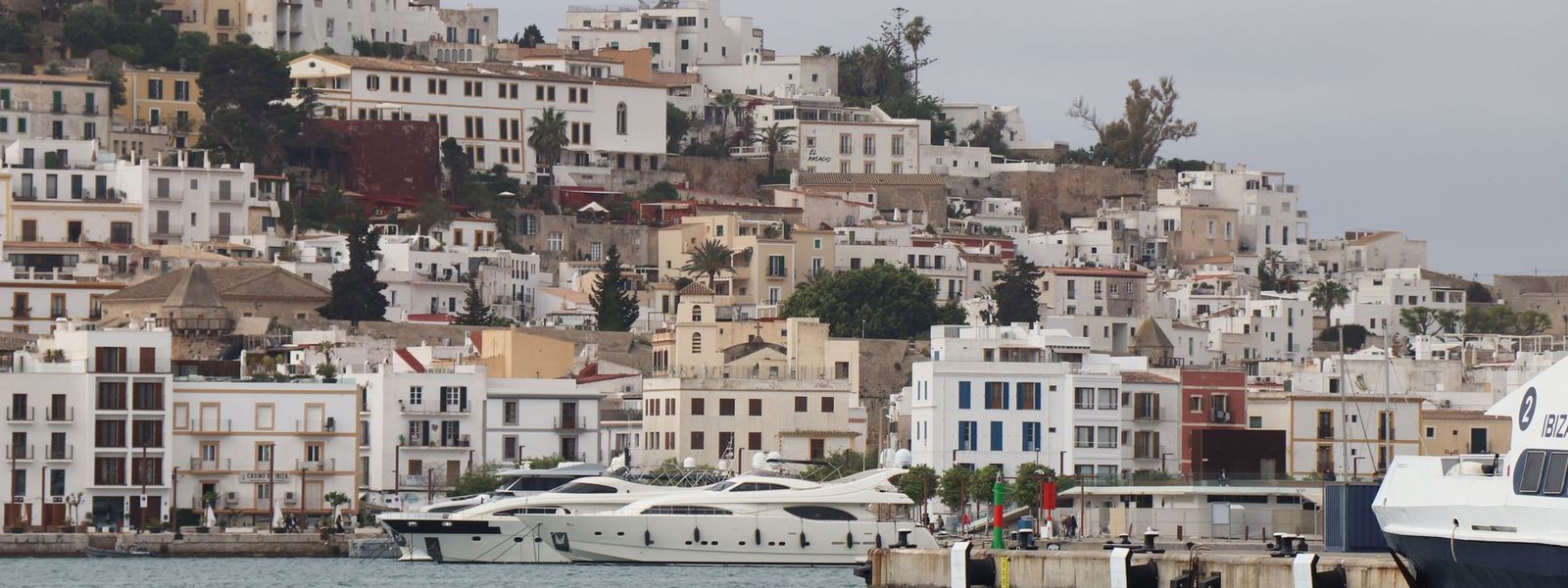
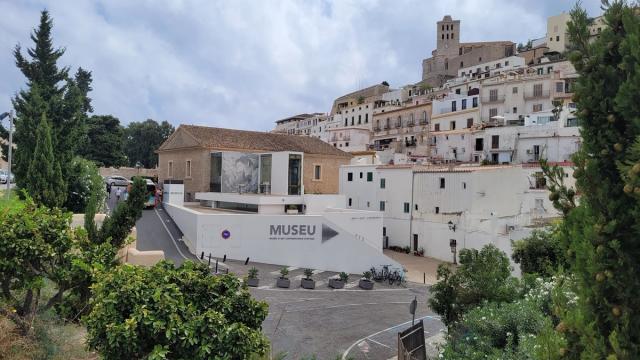
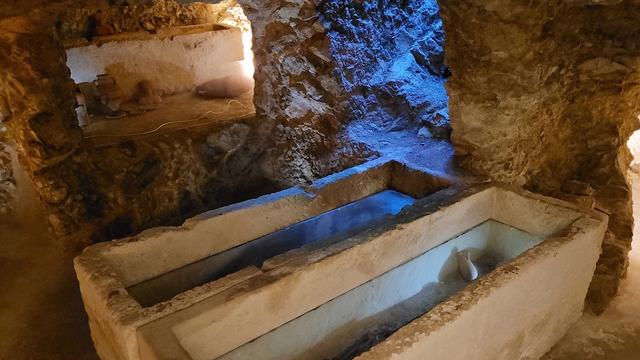
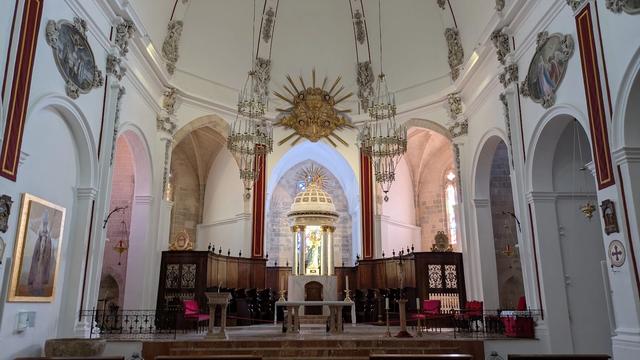
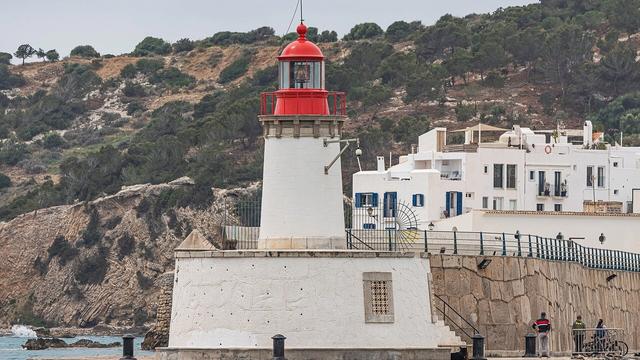
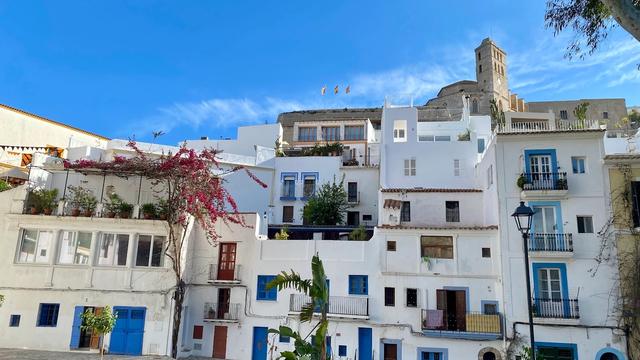
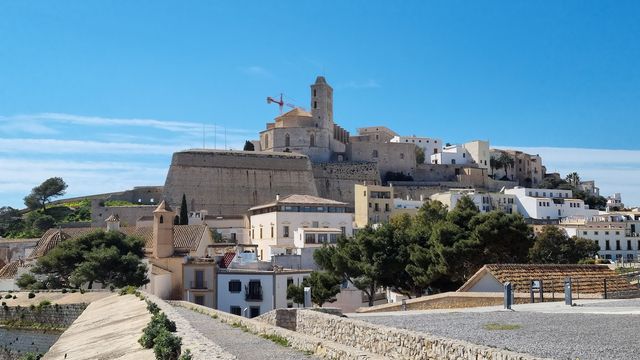
Walls ring the hilltop of Dalt Vila, and the cathedral of Santa Maria d'Eivissa stands at the very top, looking down on the port and the modern Eixample. Ibiza Town, Eivissa in Catalan and simply Vila to locals, traces its founding to the Phoenicians in 654 BC, and their burial ground survives as the Punic necropolis of Puig des Molins. UNESCO added the city to its World Heritage list in 1999. It is also the main town of an island known worldwide for its nightlife.
Ibiza Town
- Currency
- Euro (EUR)
- Language
- Catalan, Spanish
- Power plug
- Type C/F, 230 V
- Visa
- Schengen
- Time zone
- UTC+1 / UTC+2 (CET/CEST)
- Tap water
- Safe; mineral taste in the south
- Tipping
- Not expected; 5–10% for great service
- Emergency
- 112
Things to do
All tours in Ibiza Town on GetYourGuide
Paid links: booking through them supports YowJourney.
When to go
High season
Jun – Sep
August is the warmest month at about 26 °C on average and July the driest, and the port and the lanes of Dalt Vila fill with the summer crowds.
Shoulder
Oct – Oct
October brings the year's heaviest rain, about 58 mm, while the sea is still warm from summer and the crowds thin out.
Low season
Nov – Mar
January is the coolest month at about 12 °C on average, frost is rare thanks to the sea, and the old town is at its quietest.
Shoulder
Apr – May
Spring warms steadily towards summer, and the climb through Dalt Vila is easier before the heat and the crowds arrive.
How long to stay
A full day covers the old town at an unhurried pace: the climb up through the walls of Dalt Vila, the cathedral of Santa Maria d'Eivissa at the summit, and the Punic necropolis of Puig des Molins. Allow two or three days if you use Ibiza Town as a base, with the port's ferry terminal and the island bus stops on hand for everything beyond it.
Getting around
Dalt Vila sits on a fortified hill above the sea, so reaching the cathedral means walking uphill the whole way; the modern Eixample spreads out below it.
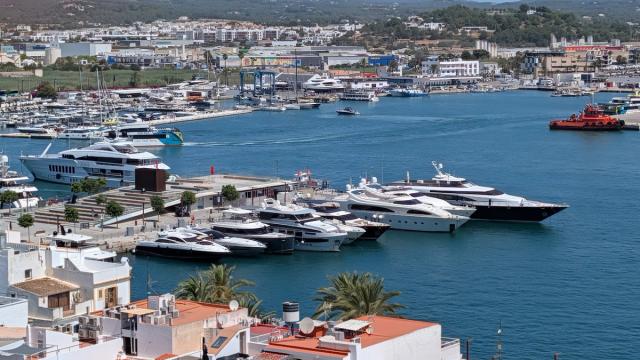
Buses to the rest of the island leave from the bus hub along Avenida d'Isidor Macabich. It is a string of separate stops along the avenue, so check which stop your line leaves from before you wait. Ferries use the Estación Marítima Ibiza Formentera at the port, and Ibiza Airport serves the island.
What to see
Destinations in Ibiza Town
Frequently asked questions
Are Ibiza Town, Eivissa and Vila the same place?
Yes. Ibiza is the Spanish name, Eivissa the Catalan one, and locals shorten it to Vila. Since the island carries the same name, the town is usually called Ibiza Town in English.What is Dalt Vila?
The old town; the name means Upper Town. It stands on a fortified hilltop by the sea, with the cathedral of Santa Maria d'Eivissa at the top. UNESCO listed the city as a World Heritage Site in 1999.How old is Ibiza Town?
Its founding by the Phoenicians is dated to 654 BC. It later became the Roman town of Ebusus, passed through Vandal, Byzantine and Moorish rule, and was conquered for Aragon in 1235. The Punic necropolis of Puig des Molins survives from its earliest centuries.How hot and how wet does it get?
Between 1981 and 2010, August averaged 26.3 °C and January 11.9 °C. Rain totals about 413 mm a year, most of it in October and almost none in July. Since records began in 1952, the temperature has never gone above 39 °C or below −3 °C.