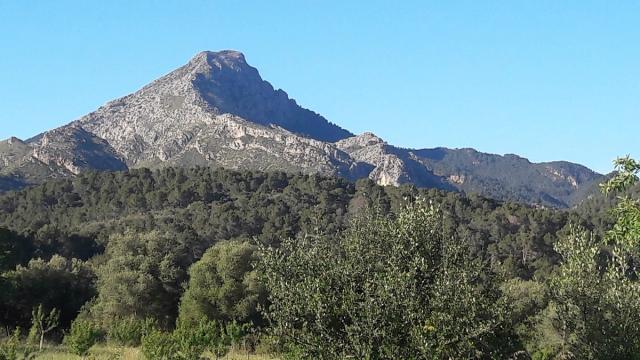
Calvià covers the southwest corner of Mallorca between Palma and Andratx. Its coast is mostly rock, broken by coves and beaches, and it has been lined with resorts since the 1960s: Magaluf, Palmanova, Santa Ponça, Peguera, Portals Nous. Behind them, pine and scrub cover the Serra de Na Burguesa, and the ground climbs to Puig de Galatzó at 1,026 m. The municipal seat, Calvià Vila, lies inland. People come for the beaches, the golf courses and the quick road into Palma.
Calvià
- Currency
- Euro (EUR, €). Credit and debit cards are widely accepted in cities and tourist areas. ATMs are abundant; most charge €2–7 per foreign card withdrawal. Some shops request ID before accepting a credit card. €500 banknotes are not accepted in most shops.
- Language
- Catalan and Spanish are both official languages of the Balearic Islands; the majority speaks Catalan fluently alongside Spanish. English is common in tourism sectors and establishments.
- Power plug
- Europlug (Type C) and Schuko (Type F) sockets; 230 V, 50 Hz
- Visa
- Schengen area: EU, EEA and Swiss nationals enter on national ID card or passport. Many non-EU nationalities have 90-day visa-free access. Non-EEA citizens staying longer than 90 days require an advance visa.
- Time zone
- Europe/Madrid (UTC+01:00 winter time, UTC+02:00 summer time from last Sunday in March to last Sunday in October). Canary Islands are one hour behind mainland Spain.
- Tap water
- Safe to drink throughout Spain. In some southern regions it has high mineral content and may taste unfamiliar; locals often drink bottled water instead. Bottled water is inexpensive and widely available.
- Tipping
- Not mandatory or customary. In restaurants: not expected for simple meals or basic establishments; 5–10% in mid-range or upscale venues if service was exceptional. Always pay cash to the server, not on card. Taxi drivers and hotel staff may appreciate small tips in upscale settings but it is not expected.
- Emergency
- 112
When to go
High season
Jun – Sep
Hot and dry, with August highs around 31 °C, the top layer of the sea above 25 °C and planes descending over the hills towards Palma every few minutes.
Shoulder
Oct – Nov
The heat breaks and the crowds thin, but October and November bring the torrential rains that send water down the ravines to the sea.
Low season
Dec – Mar
Cool and wet, December most of all, with January highs around 15 °C and the sea down to about 13 °C.
Shoulder
Apr – May
From late spring the sea warms by about a degree a week, and the resorts fill steadily towards June.
How long to stay
A week suits a beach stay based in Santa Ponça or Peguera, with a day set aside for Palma, as little as 15 minutes away by road. If you are staying in Palma instead, one or two days cover the stretch of coast between Illetes and Peguera by bus.
Getting around
The road and the TIB buses do most of the work. The Ma-1 heads west out of Palma into the municipality; from the airport, the Ma-20 bypasses the city to reach it. Palma's centre can be as little as 15 minutes away by road.
TIB routes from Palma: 102 to Peguera, 103 and 106 to Santa Ponça, 107 to Calvià Vila via Santa Ponça, and 122 to Port d'Andratx via Peguera and Santa Ponça. Along the coast, the 103 links Peguera and Santa Ponça every 25 minutes Monday to Saturday and every 40 minutes on Sunday, so leave more slack for Sunday trips.
What to see


Destinations in Calvià
Frequently asked questions
How do I get to Calvià from Palma?
By road, take the Ma-1 west; from the airport, the Ma-20 bypasses the city. TIB buses run from Palma to Peguera (102), Santa Ponça (103, 106), Calvià Vila via Santa Ponça (107) and Port d'Andratx via Peguera and Santa Ponça (122).Are Santa Ponça and Peguera as loud as Magaluf?
They lack Magaluf's drinking and clubbing reputation, but both have pubs and discos. For a quiet night, especially with young children, book away from the bars and avoid the dates of the Fiestas de Verano.What is the coast like?
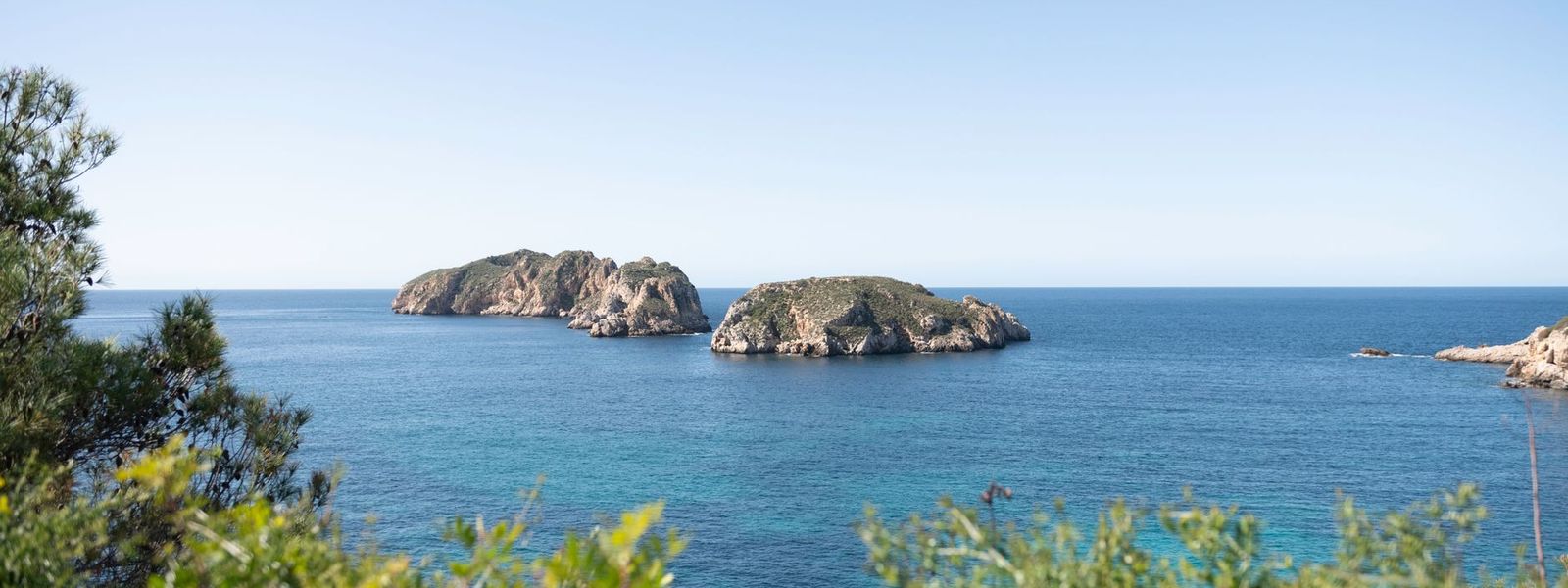
Mostly rock. The shoreline runs 54 to 60 km and holds between 27 and 34 beaches and coves, with islets offshore. The Malgrats islets and El Toro are a marine reserve and a special protection area for birds.Is there any history to see?
King James I of Aragon landed at Santa Ponça on 10 September 1229 to begin the conquest of Mallorca. In Santa Ponça, the Puig de sa Morisca Archaeological Park preserves the remains of a talaiot 9 m across, and Calvià Vila has had its own parish church, dedicated to Saint John the Baptist, since 1248.