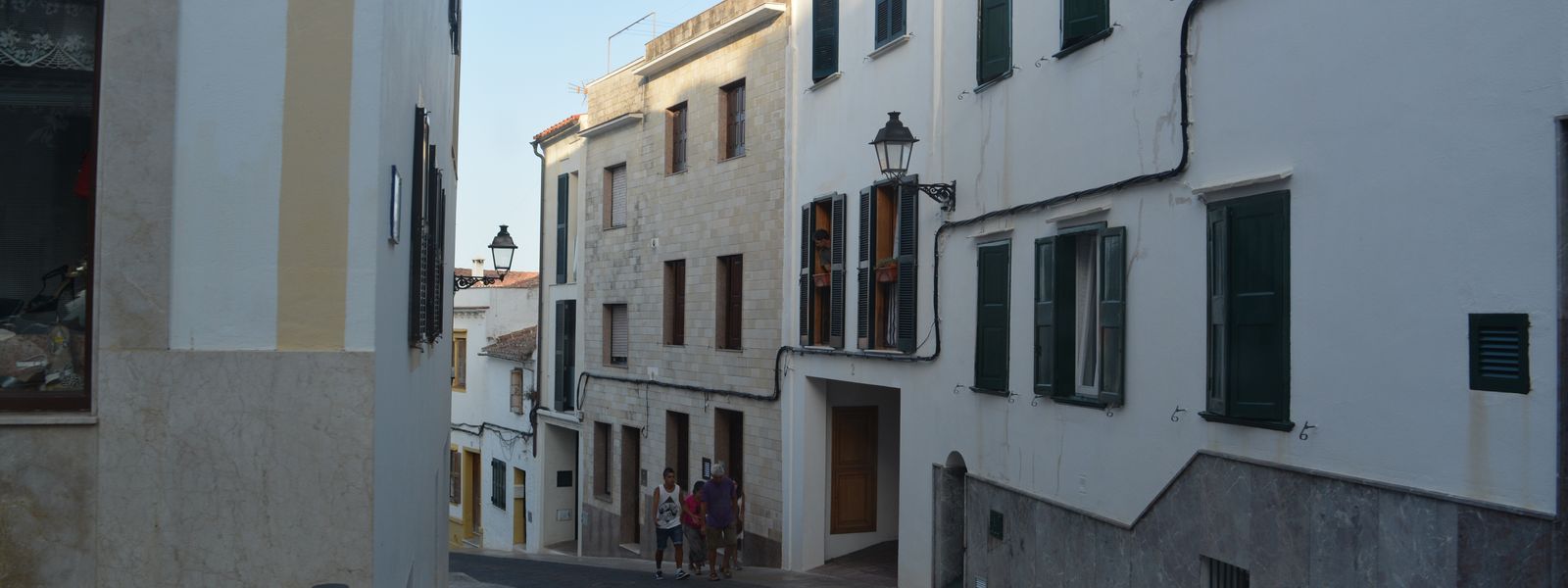
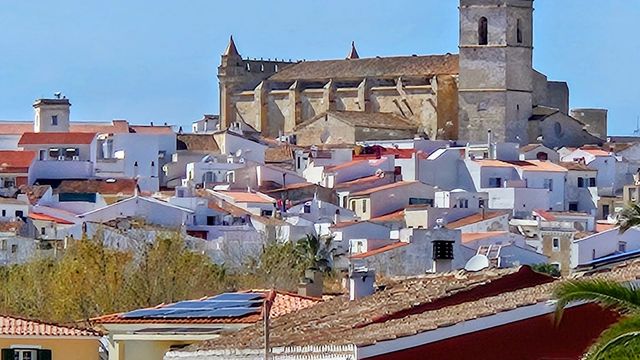
Alaior sits 130 m up on the eastern side of Menorca, a working town with farmland at its edges — windmills, wells, and walking and cycling paths across it. It was founded in 1304, when James II of Majorca bought the Islamic estate of Ihalor, and the church of Santa Eulàlia has held the centre since. Cheese and shoes built the modern town, and some of the cheese factories take visitors through the process. The same municipality runs down to the south coast, where Son Bou is the longest beach on the island and Cala en Porter lies at the head of an inlet.
Alaior
- Currency
- Euro (EUR, €). Credit and debit cards are widely accepted in cities and tourist areas. ATMs are abundant; most charge €2–7 per foreign card withdrawal. Some shops request ID before accepting a credit card. €500 banknotes are not accepted in most shops.
- Language
- The local language is Menorquí, a Catalan sub-dialect not easily understood by Spanish speakers. Most inhabitants speak Spanish and English to a reasonable standard, especially in tourist areas.
- Power plug
- Europlug (Type C) and Schuko (Type F) sockets; 230 V, 50 Hz
- Visa
- Schengen area: EU, EEA and Swiss nationals enter on national ID card or passport. Many non-EU nationalities have 90-day visa-free access. Non-EEA citizens staying longer than 90 days require an advance visa.
- Time zone
- Europe/Madrid (UTC+01:00 winter time, UTC+02:00 summer time from last Sunday in March to last Sunday in October). Canary Islands are one hour behind mainland Spain.
- Tap water
- Safe to drink throughout Spain. In some southern regions it has high mineral content and may taste unfamiliar; locals often drink bottled water instead. Bottled water is inexpensive and widely available.
- Tipping
- Not mandatory or customary. In restaurants: not expected for simple meals or basic establishments; 5–10% in mid-range or upscale venues if service was exceptional. Always pay cash to the server, not on card. Taxi drivers and hotel staff may appreciate small tips in upscale settings but it is not expected.
- Emergency
- 112
When to go
Shoulder
Apr – May
Spring is when the inland paths are at their best — green farmland, mild air, and the coast still quiet.
High season
Jun – Aug
Summer belongs to the coast: Son Bou and Cala en Porter fill up, and Son Bou's long sand offers no shade at midday.
Shoulder
Sep – Oct
The resorts thin out through September and October while the light goes long and low over the fields, which is the season for the walking and cycling routes.
Low season
Nov – Mar
Winter is wet and windy on this coast, and Alaior goes back to being a working town of cheese, shoes and livestock.
How long to stay
Half a day covers the town itself — the church of Santa Eulàlia, the shops selling shoes and jewellery, a cheese factory. What holds people longer is everything around it: Son Bou and Cala en Porter are Alaior's own beaches, and the walking and cycling paths cross the farmland between them and the town. Two or three days is enough for both halves. Alaior also works as a base for the whole island, with Mahón 12 km off and the airport about an 18-minute drive away.
Getting around
Most people here drive. Mahón is 12 km away, Menorca Airport about an 18-minute drive, and the coastal settlements of the municipality — Son Bou, Cala en Porter, Calescoves — lie away from the town on the south coast. Cala en Porter is reachable by local bus.
The interior is better on foot or by bike. A network of paths links the farms, the windmills and the old wells, one of them running from the Ermita de San Llorenç to Binixems, and Munt de l'Angel Park gives the view back over the countryside. In July and August take those routes early: it is open farmland with little shade, and the middle of the day is no place to be on it.
What to see
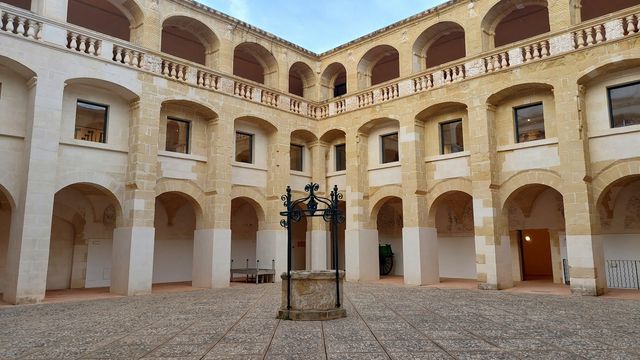



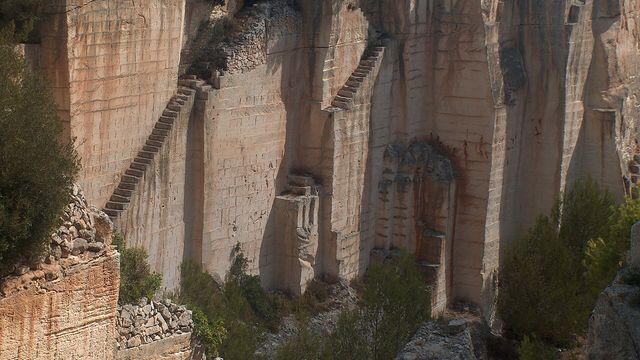
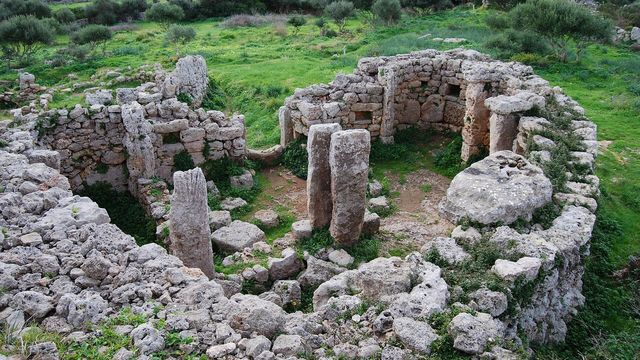
Destinations in Alaior
Frequently asked questions
How far is Alaior from Mahón and the airport?
The town is 12 km from Mahón, the island capital, and about an 18-minute drive from Menorca Airport.Which beaches belong to Alaior?
Son Bou, the longest beach on Menorca, with a wide expanse of sand and clear water; and Cala en Porter, at the head of an inlet, with gently sloping sand that suits families and a local bus that goes there. Both face the open sea, and at Son Bou the waves break straight onto the sand — never turn your back on the water.What is Alaior known for?
Cheese and shoes. Menorcan cheese is made here, and some of the factories open to visitors to show the process; shoemaking goes back to the industrialisation of the 19th century. Local shops also sell jewellery from the town's makers, homemade sausages, ice cream and pastries.Is there anything to do away from the beach?
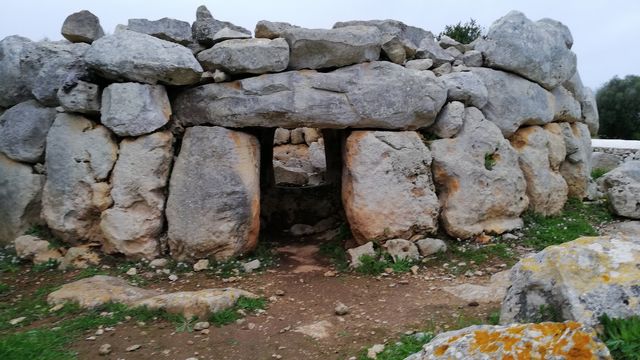
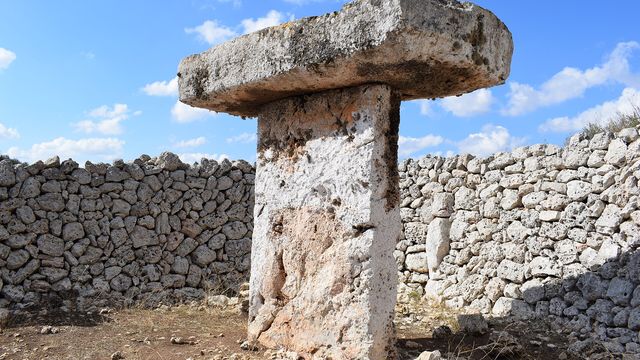
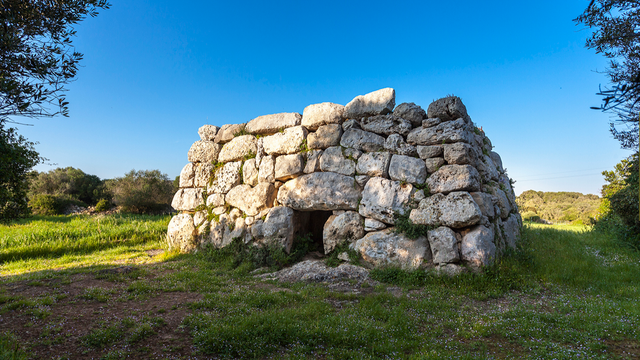
The municipality is rural and laced with walking and cycling paths, one of them running from the Ermita de San Llorenç to Binixems, and Munt de l'Angel Park looks out over the surrounding countryside. Ses Roques Llises, a prehistoric burial tomb, belongs to a settlement history here that runs from 2200 to 1000 BC, long before the town was founded in 1304.