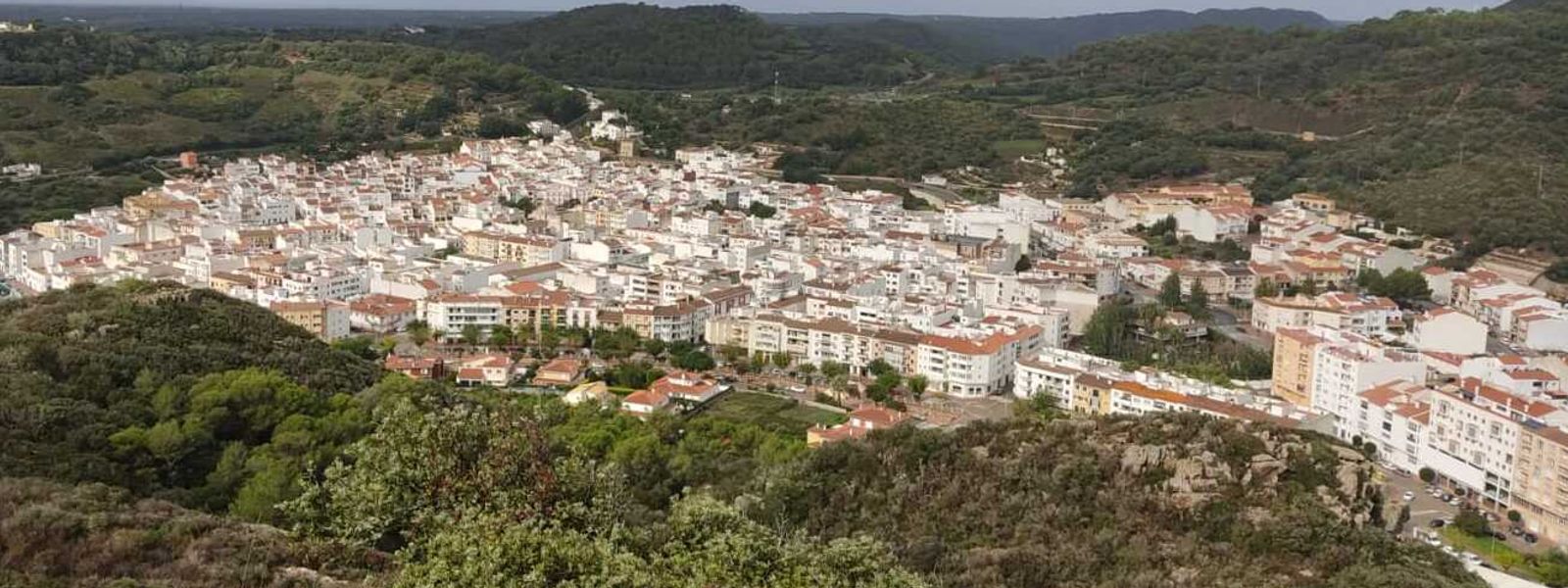
A town of some 5,200 people, Ferreries makes its living from milk, cheese, honey, fruit and artisanal bread as much as from visitors, and the weekly market sells produce and crafts alongside them. The municipality covers some 67 km², running from the cliffs of the north coast through Mediterranean forest, farmland and limestone ravines to the sandy coves of the south. Above the town rises Santa Àgueda, 264 m and the third-highest point on Menorca, with an Arab castle from the Moorish period on top. The name comes from ferrer, Catalan for blacksmith.
Ferreries
- Currency
- Euro (EUR, €). Credit and debit cards are widely accepted in cities and tourist areas. ATMs are abundant; most charge €2–7 per foreign card withdrawal. Some shops request ID before accepting a credit card. €500 banknotes are not accepted in most shops.
- Language
- The local language is Menorquí, a Catalan sub-dialect not easily understood by Spanish speakers. Most inhabitants speak Spanish and English to a reasonable standard, especially in tourist areas.
- Power plug
- Europlug (Type C) and Schuko (Type F) sockets; 230 V, 50 Hz
- Visa
- Schengen area: EU, EEA and Swiss nationals enter on national ID card or passport. Many non-EU nationalities have 90-day visa-free access. Non-EEA citizens staying longer than 90 days require an advance visa.
- Time zone
- Europe/Madrid (UTC+01:00 winter time, UTC+02:00 summer time from last Sunday in March to last Sunday in October). Canary Islands are one hour behind mainland Spain.
- Tap water
- Safe to drink throughout Spain. In some southern regions it has high mineral content and may taste unfamiliar; locals often drink bottled water instead. Bottled water is inexpensive and widely available.
- Tipping
- Not mandatory or customary. In restaurants: not expected for simple meals or basic establishments; 5–10% in mid-range or upscale venues if service was exceptional. Always pay cash to the server, not on card. Taxi drivers and hotel staff may appreciate small tips in upscale settings but it is not expected.
- Emergency
- 112
When to go
Shoulder
Apr – May
Spring keeps the farmland around the town green and the inland heat has not arrived yet, which is when the ravines and the climb to Santa Àgueda are at their easiest.
High season
Jun – Aug
Hot, and the busiest stretch: summer market culture, traffic heading for the south coast coves, and the Sant Bartomeu festival with its horse processions in late August.
Shoulder
Sep – Oct
The heat eases off, the coves thin out, and the town goes back to its farming rhythm.
Low season
Nov – Mar
Winter is quiet — rain, short days, and a town running on its farms and workshops with few visitors about.
How long to stay
Most people give Ferreries an hour or two: the town centre, the market, a stop for cheese and bread. Two or three nights make sense if the municipality itself is the plan — its land runs from the cliffs of the north coast through forest and limestone ravines to the sandy coves of the south, and the old road up Santa Àgueda to the castle adds another outing. Late August changes the arithmetic, when the patronal festival for Sant Bartomeu and its horse processions take over the town.
What to see

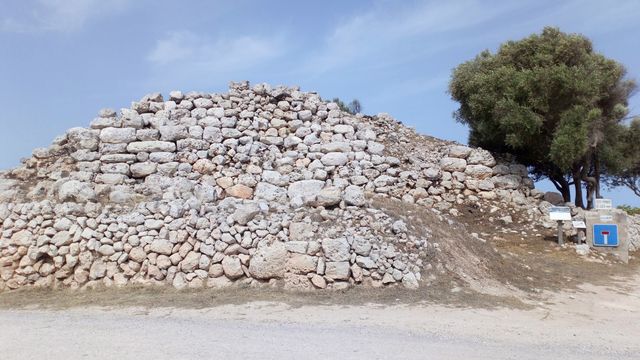
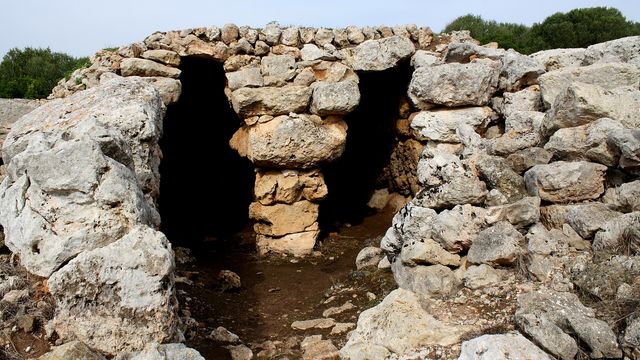
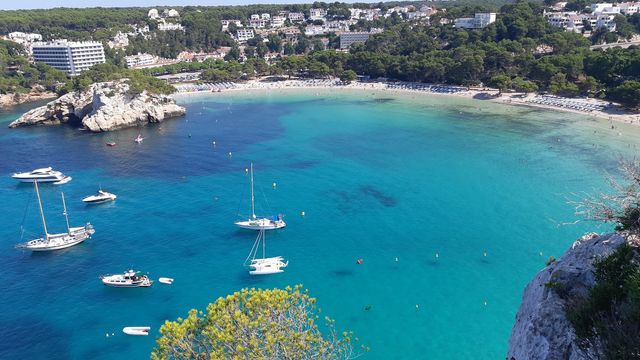
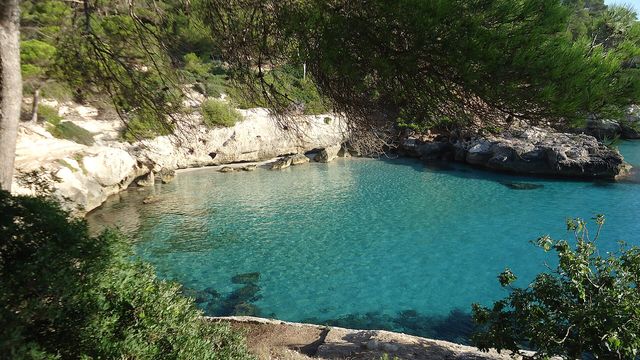


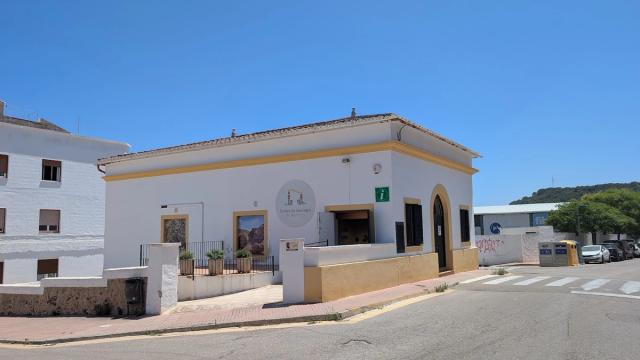


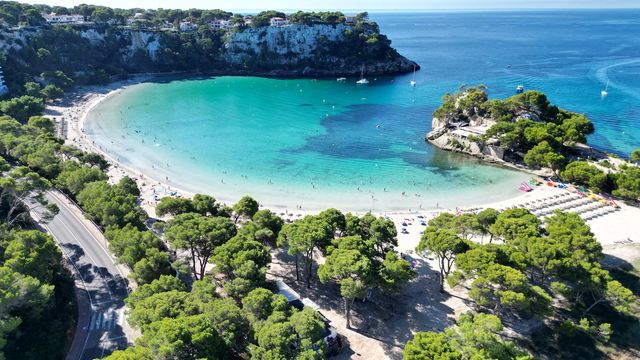
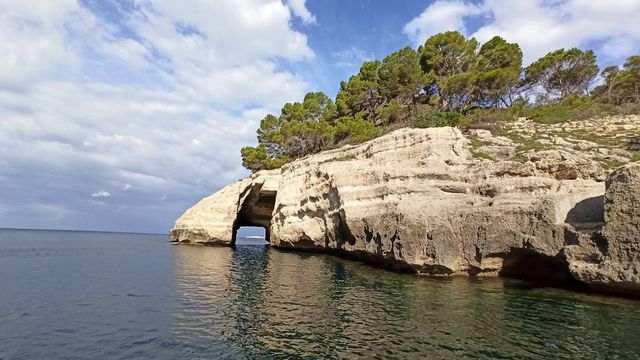
Destinations in Ferreries
Frequently asked questions
What is Ferreries known for?
Farming and food. Milk, cheese, honey, fruit, vegetables and artisanal bread come from the surrounding farmland and small producers, and the weekly market sells them alongside crafts. Manufacturing and tourism make up the rest of the local economy.What is the castle on Santa Àgueda?
An Arab castle built during Moorish rule on top of the Santa Àgueda hill, above the town. The hill reaches 264 m, the third-highest point on Menorca, and the castle is reached by an old road.When are the town festivals?
The patronal festivals honouring Sant Bartomeu fall in late August and include traditional horse processions. Smaller events run through the year, and market life is at its busiest in summer.Where does the name Ferreries come from?
From the Catalan ferrer, blacksmith, which in turn comes from the Latin ferrum. The town grew up at the end of the 13th century around a church dedicated to Saint Bartholomew and gained its autonomy as a municipality in 1836.