Serra de Tramuntana: seven places in Mallorca's mountains
6 min read7 destinations
Balearic Islands · Spain
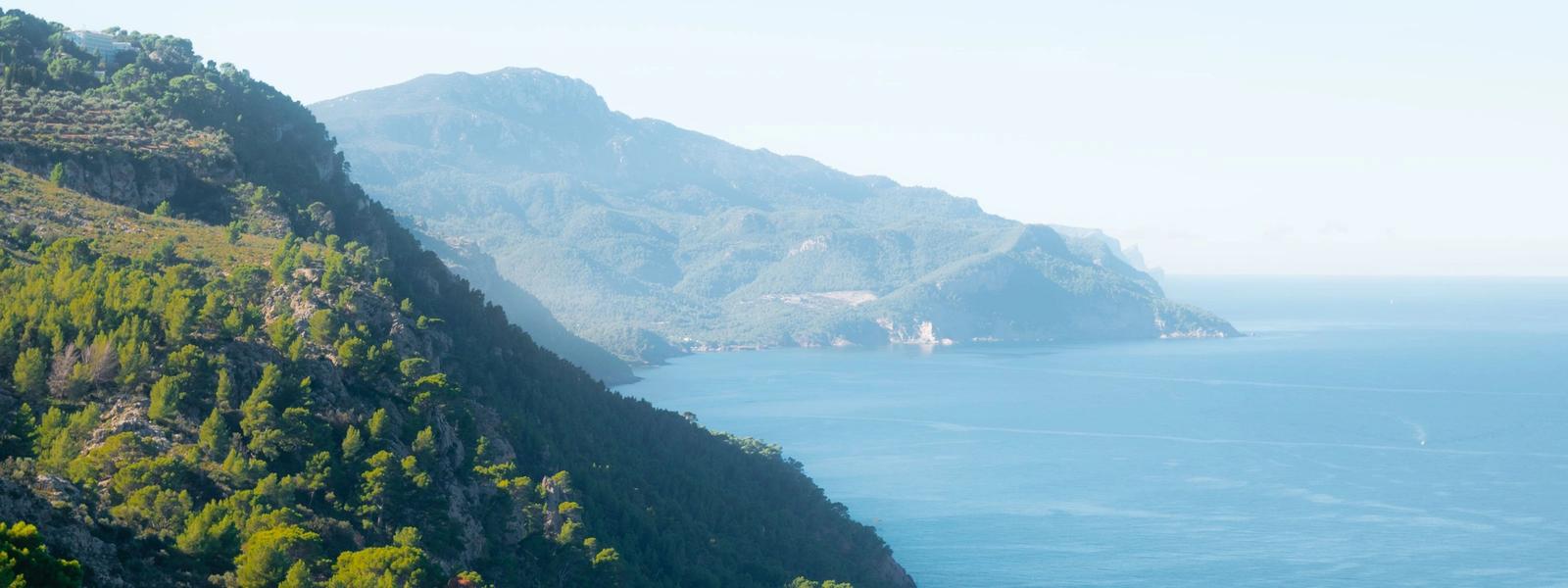
The Serra de Tramuntana runs along Mallorca's north-west coast, and its highest peak, the Puig Major, reaches 1,436 metres. In 2011 UNESCO listed the range for the terraces, irrigation channels and dry-stone walls that farmers built here over centuries. These seven stops take in a coastal watchtower, a monastery where Chopin spent a winter, an archduke's clifftop estate, a train through the mountains, two gorges and a sanctuary where you can sleep in a monk's cell.
Paid links: booking through them supports YowJourney.
Along the coast road

Reial Cartoixa de Valldemossa
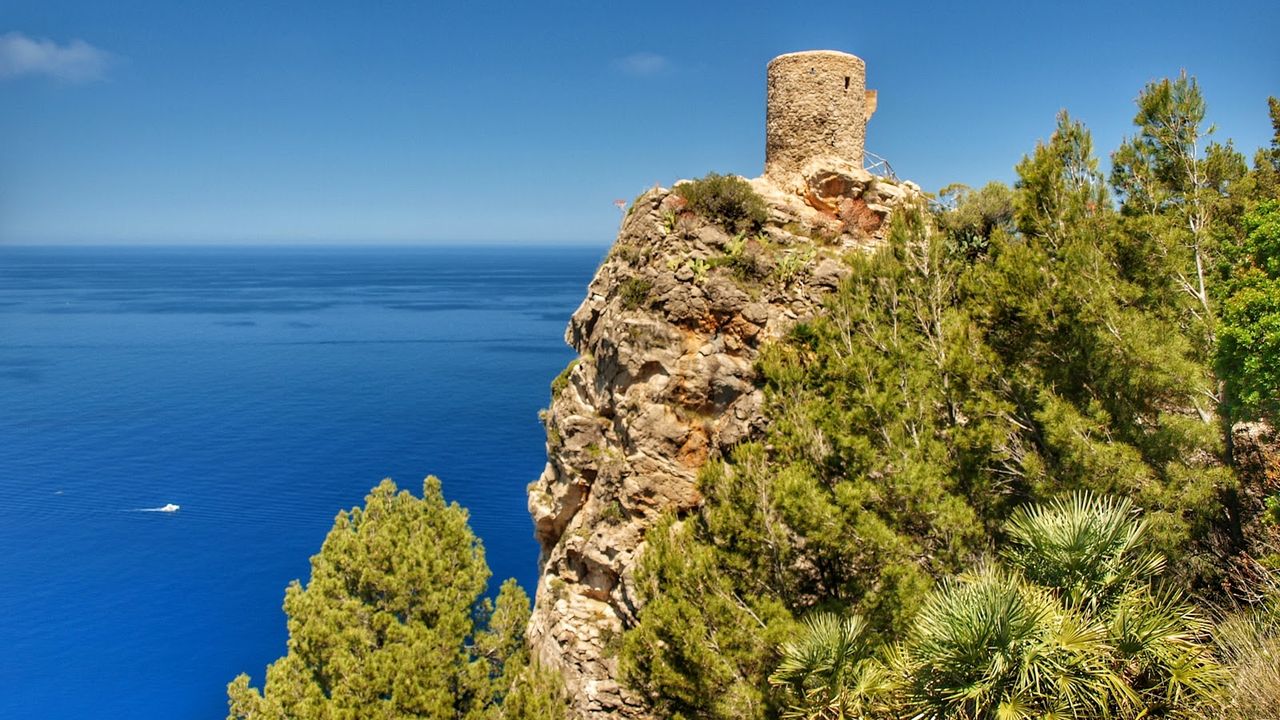
A round stone watchtower from the 16th century, right beside the Ma-10 near Banyalbufar and about 40 minutes' drive from Palma. It was built to look out for pirates. Steps lead inside, and a single metal ladder goes up to the roof, so you may have to wait your turn. From the top the mountains drop to the sea on both sides, with the hillsides below stepped with the terraces Banyalbufar is known for. It's free and always open. Sunset over the open sea is the time to be here, unless a strong north wind is blowing. There are no toilets or drinking water, and cars in the car park get broken into, so leave nothing inside.
Son Marroig
A former Carthusian monastery in Valldemossa, now a museum. Frédéric Chopin and George Sand spent the winter of 1838–39 here, and most visitors come to see the rooms linked to their stay. Now and then there are recitals of Chopin's piano music. Each monk's cell opens onto its own garden, and the old pharmacy still has its shelves of glazed jars. The best view, over the village and its terraced slopes, is from the tower, which needs a separate ticket. The museum opens at 10:00 and is closed on Sundays. Come on a weekday morning, before the midday crowds of high summer. Buses stop about 200 m away.
Torre del Verger
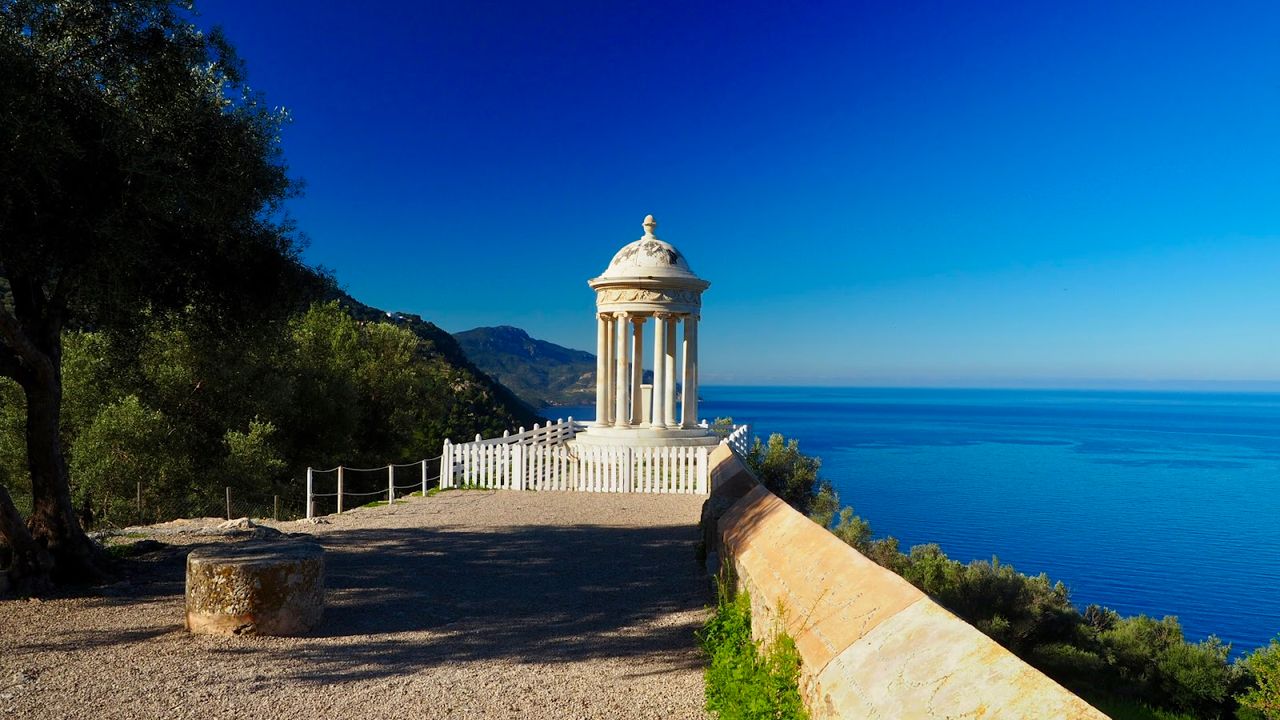
An estate on the cliffs between Valldemossa and Deià, owned in the 19th century by Archduke Ludwig Salvator of Austria, who chose it for its view. His furniture is still in the rooms. What people remember is the white temple at the end of the garden: the sea in front, the mountains behind and, below, the rock of Sa Foradada with a hole right through it. There's an entry fee. The house is closed on Sundays and over lunch, and shuts well before sunset; evenings here are for weddings and concerts. The coast looks sharpest on a clear morning. The Sa Foradada car park is about 90 m away.
Sóller and its valley
Sóller Railway
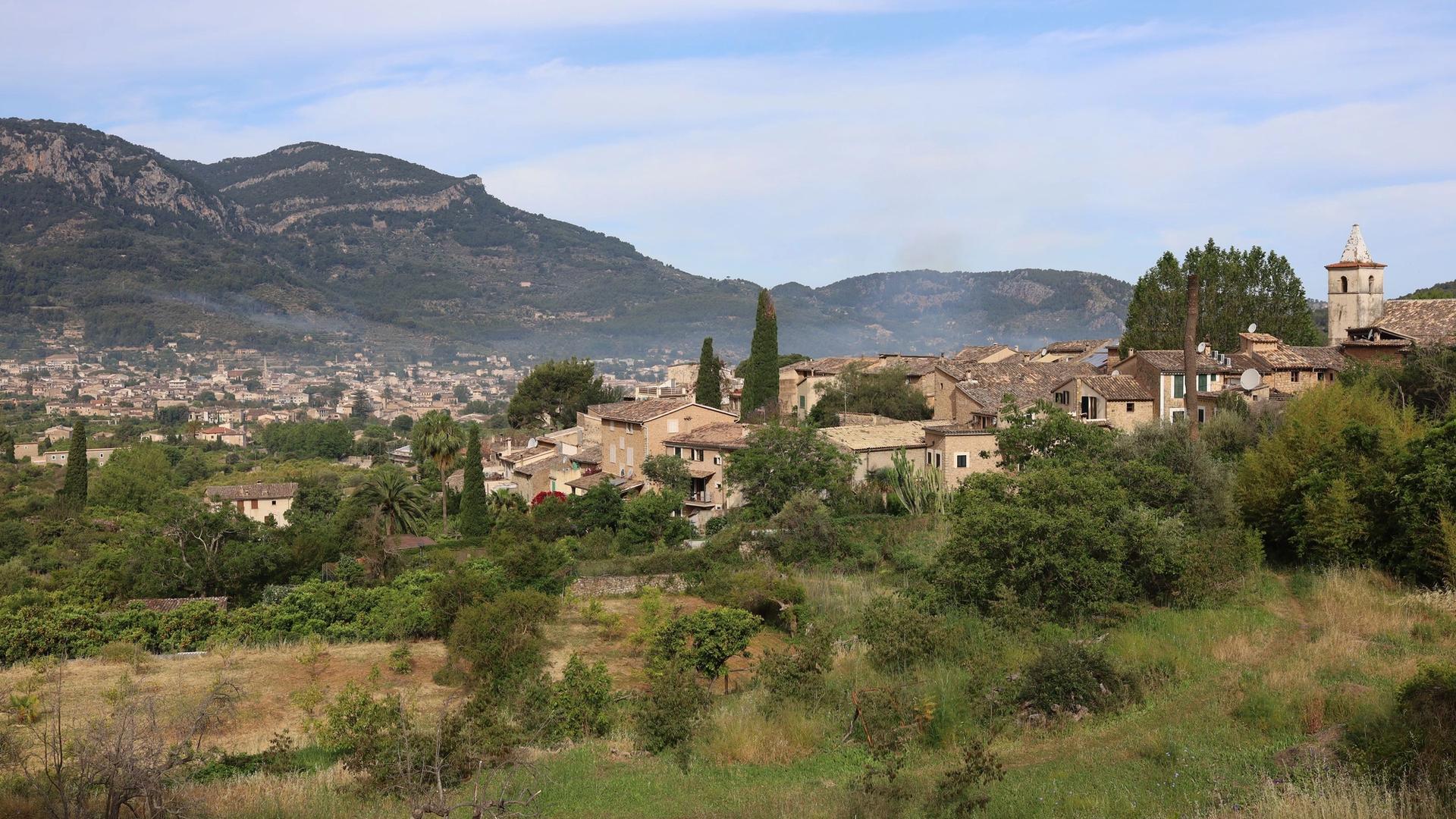
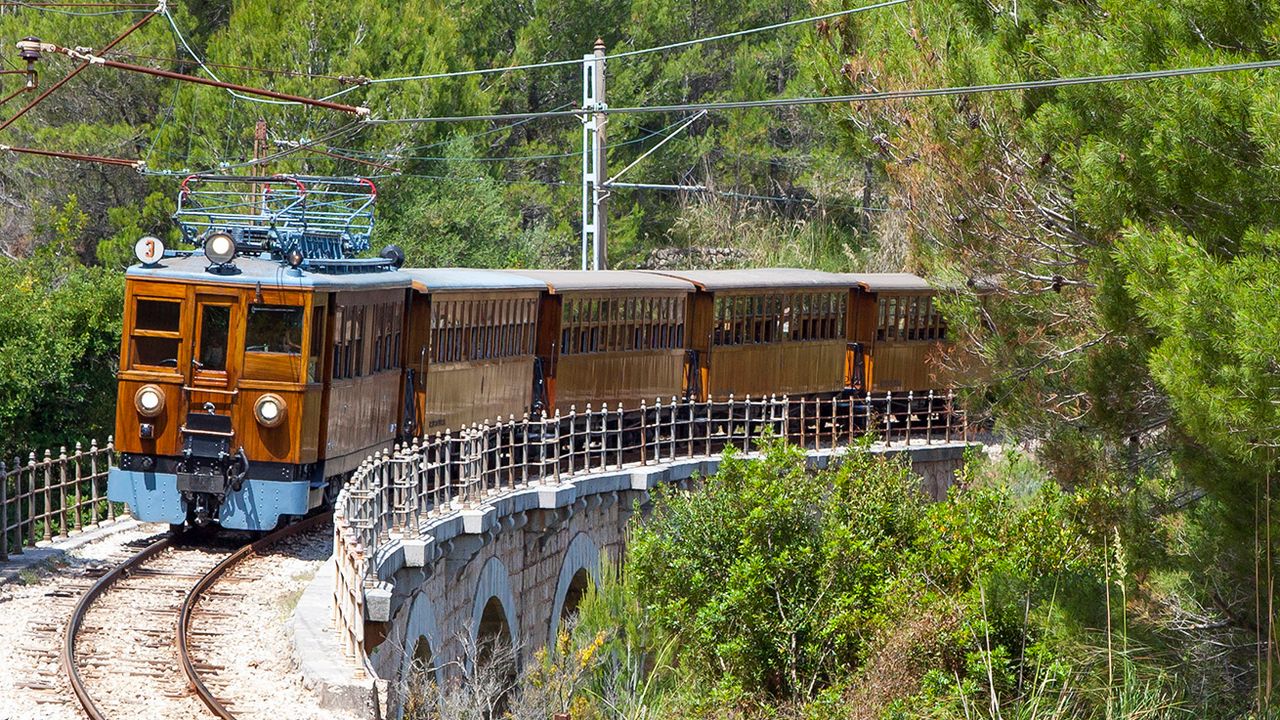
Trains leave from their own station off Plaça d'Espanya in Palma. The wooden carriages cross a plain of olive groves, then climb into the mountains and pass through 13 tunnels before Sóller. The line was built with money from the orange and lemon trade, hence its nickname, the Orange Express. Sóller station is a converted fortified house from 1606 with a museum of works by Picasso and Joan Miró. From there a vintage tram runs down to Port de Sóller. With a combined train-and-tram ticket, the tram return costs about half what you'd pay on board. Over a million people ride the line each year, so in summer take an early train.
Barranc de Biniaraix
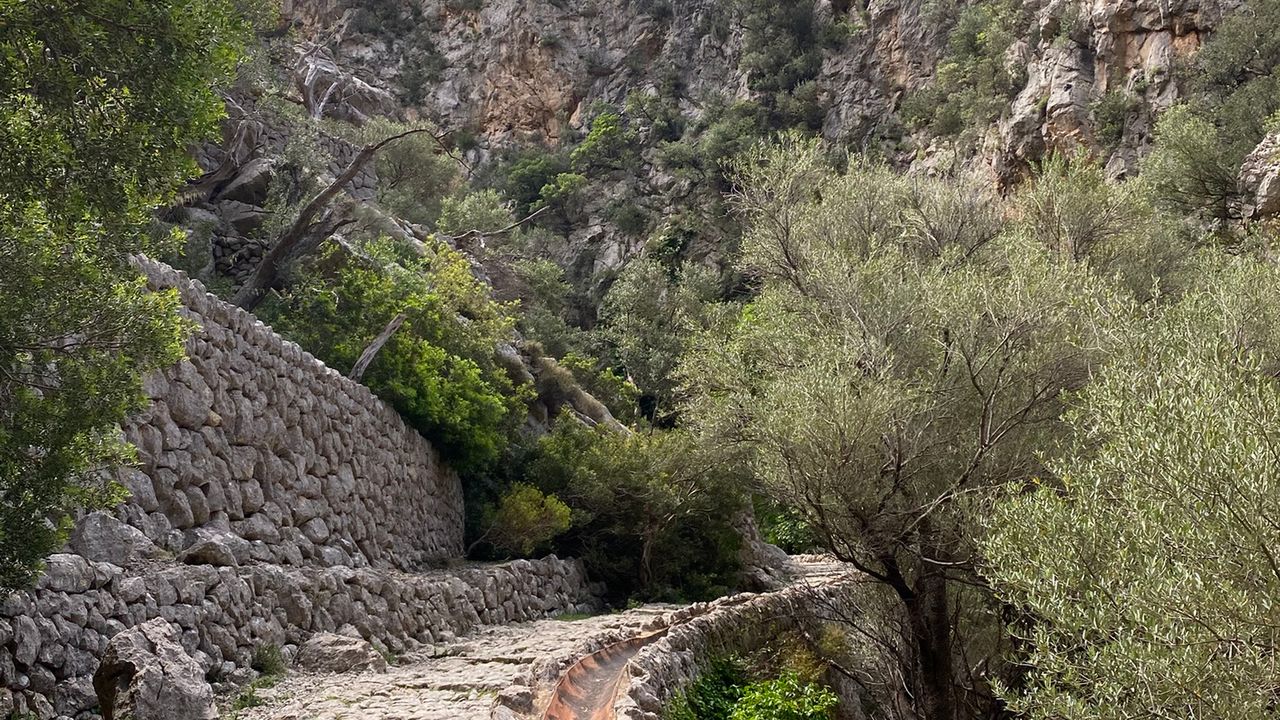
A gorge near Sóller where hundreds of olive terraces climb the slopes, with stone houses among them, all built by hand over centuries. When the stream runs, the path passes one waterfall after another. The falls depend on rain and can dry up in midsummer, so go in spring or in the weeks after autumn or winter rain. The circular walk is about 6 km with some 430 m of ascent and takes a little over two hours; walkers on the GR221 come down the whole gorge from Cúber. The descent on the circular walk is over rough ground and big rocks, so wear shoes with good grip. There are no toilets on the trail.
Things to do in Mallorca
Paid links: booking through them supports YowJourney.
The north: a gorge and a sanctuary
Only one road leads down to Sa Calobra: the Ma-2141. Antonio Parietti built it in 1933, and at the Nus de sa Corbata it turns 270° and passes under its own bridge. Coaches and cyclists share the hairpins, so set off early, ideally around dawn. From the car park at the bottom it's a 15- to 20-minute walk down to the cove, and uphill all the way back.
Torrent de Pareis
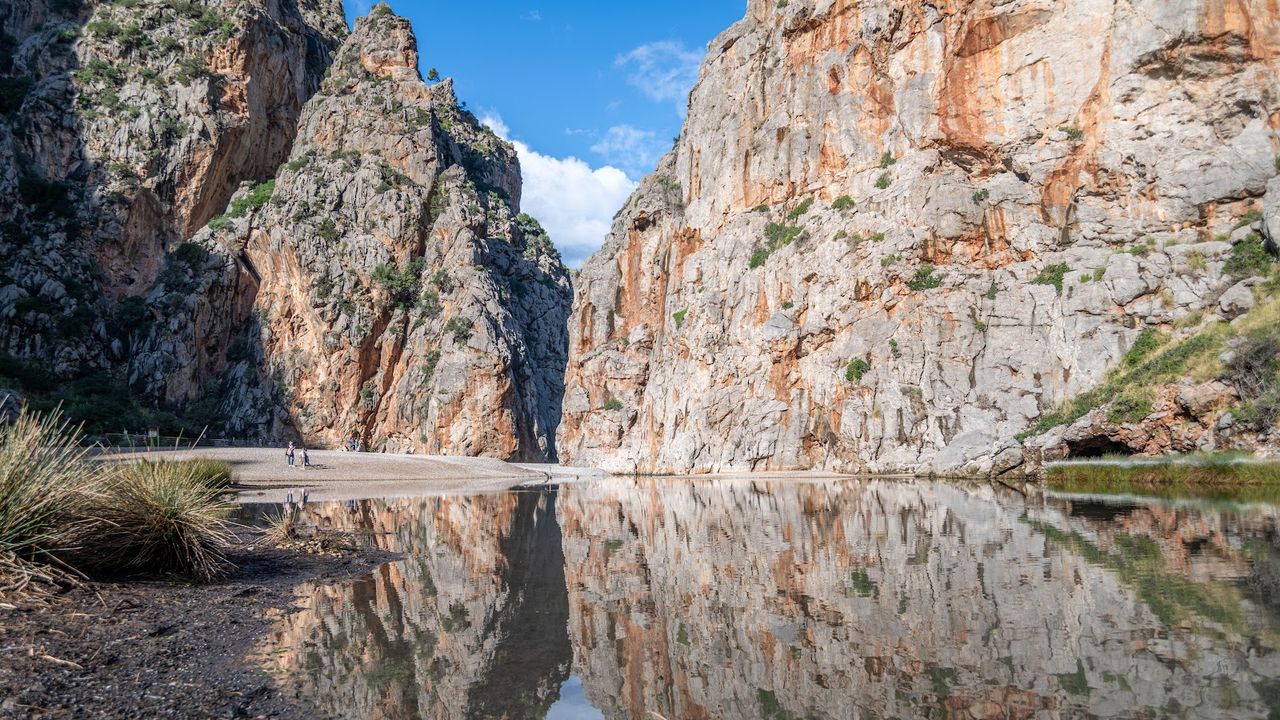
A limestone gorge that runs from the uplands of Escorca to the sea at Sa Calobra. Most people go only as far as its mouth: from the cove a tunnel through the cliff brings you out between two walls of rock, with the sea in front. The whole gorge takes 3 hours 45 minutes to 5½ hours of scrambling over smooth boulders, and some climbs need a partner to help you up. If you have never scrambled before, go with a guide. Keep out of the gorge after heavy rain, and carry plenty of water, as there is no drinking water on the way.
Santuari de Lluc
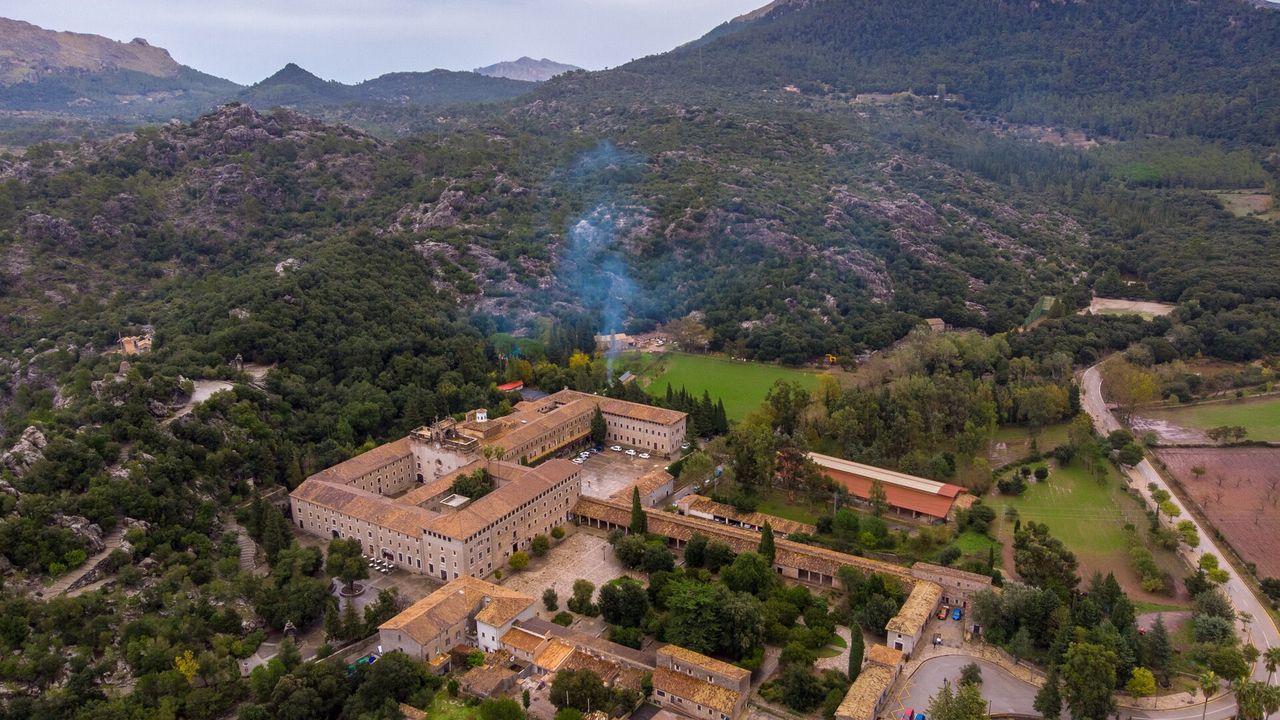
A 13th-century monastery at 525 metres in a mountain basin, and Mallorca's most important pilgrimage site. According to legend, a Moorish shepherd found the statue of the Virgin now kept in the basilica on this spot. Els Blauets, a boys' choir named after their blue cassocks, have sung at the sanctuary since 1531. You can stay the night in the former monks' cells, which are basic, with fans but no air conditioning. In the evening, once the day visitors have gone, the place goes quiet. On the first weekend of August pilgrims walk here overnight from Palma, setting off at 23:00. Many mountain walks start from Lluc.
Before you go
A car is the easiest way to get between these places. The road down to Sa Calobra is narrow, with tight hairpins shared with cyclists and coaches, and the road up to Lluc is popular with cyclists too. Buses stop near most of the places on this list, though services to the villages run less often than to the towns. Leave nothing in your car at the Torre del Verger car park or at the Nus de sa Corbata viewpoint, where break-ins are most common around dusk. The Cartoixa and Son Marroig are both closed on Sundays. The mountains are wetter and cooler than the rest of the island; spring and autumn suit the longer walks, and winter brings quiet trails too, though many businesses close from November to March.