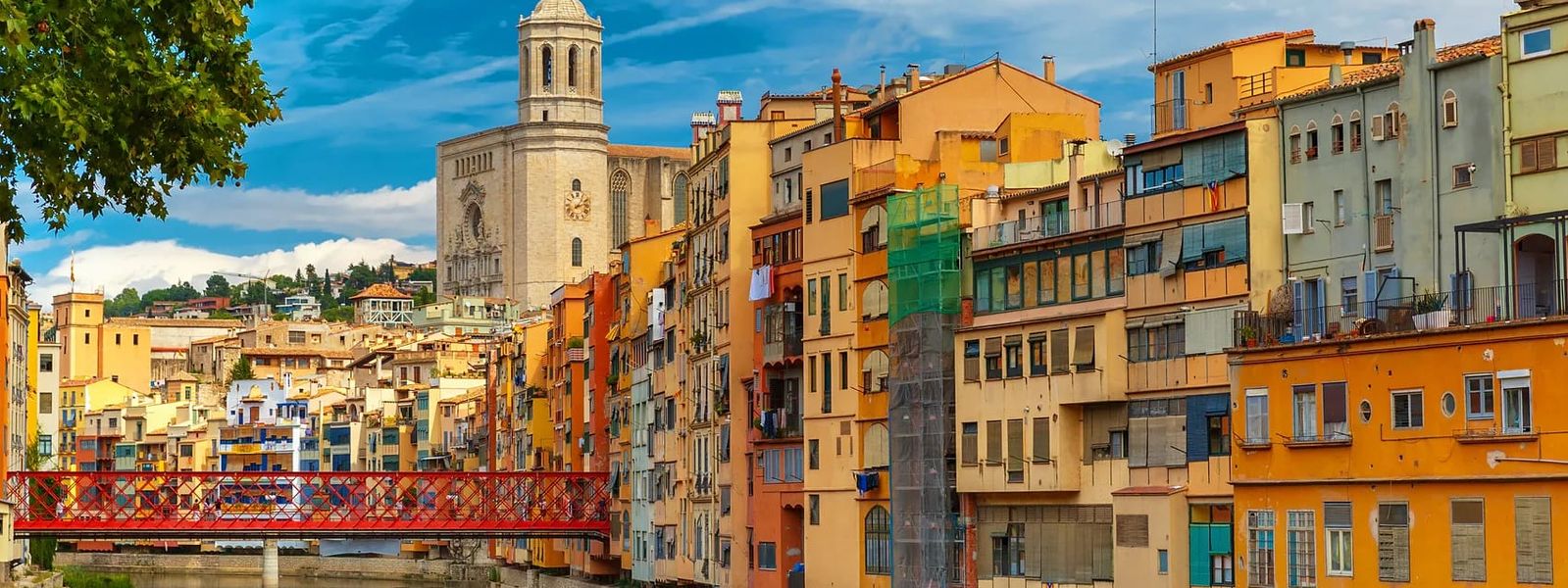
Catalonia is an autonomous community in Spain's northeast, stretching from the Mediterranean coast to the Pyrenees. Its territory spans four provinces—Barcelona, Girona, Tarragona and Lleida—each with distinct character: Barcelona is the capital and fifth-largest urban area in the EU; the Costa Brava and Costa Daurada offer rocky coves and beaches; the interior mixes medieval hill towns, wine regions and mountain scenery. Catalan, the native language and co-official with Spanish, marks a strong regional identity rooted in medieval history and the Crown of Aragon. The region is known for architecture, fine dining, wine and cava production, and vibrant culture.
Catalonia
- Currency
- Euro (EUR)
- Language
- Catalan, Spanish
- Power plug
- Type C/F, 230 V
- Visa
- Schengen
- Time zone
- UTC+1 / UTC+2 (CET/CEST)
- Tap water
- Safe; mineral taste in the south
- Tipping
- Not expected; 5–10% for great service
- Emergency
- 112
Things to do
All tours in Catalonia on GetYourGuide
Paid links: booking through them supports YowJourney.
When to go
Shoulder
Mar – May
Mild weather across the region; wildflowers in the hills and lower crowds than summer.
High season
Jun – Aug
Hot and busy along the coast; cooler in the Pyrenees but still crowded. Many restaurants and beach facilities close in smaller towns.
Shoulder
Sep – Oct
Pleasant temperatures return; fewer tourists than summer. Autumn colours develop in the mountains.
Low season
Nov – Feb
Wet and cool on the coast; cold and sometimes snowy in the Pyrenees. Interior cities quieter but grey.
How long to stay
A full circuit—coast, Pyrenees, Barcelona and provincial cities—takes 7–10 days. Most visitors spend 3–4 days in Barcelona alone; add another 3–4 to explore the Costa Brava coast or mountain towns. Two weeks allows you to cover all four provinces without rush.
Getting around
Rent a car for flexibility, especially in mountain regions and along the coast. Main motorways connect Barcelona, Lleida, Girona and Tarragona; secondary roads wind heavily through the Pyrenees.
Trains link all major cities: RENFE runs long-distance and regional services; FGC handles local and tourist routes near Barcelona and into the Pyrenees. Buses serve towns and villages that trains miss; operators vary by region.
Short flights connect Barcelona to smaller airports (Girona, Reus) if driving distances feel too long. Winter timetables often thin out; book ahead in low season.
Local rules
Pickpockets operate in crowds and tourist areas; keep valuables secure and avoid leaving cars unwatched at motorway services.
Driving: traffic fines are paid in cash on the spot (€200 typical) or your car is removed. Follow speed limits and regulations strictly.
Political demonstrations can turn violent without warning and may block roads or airports; as a visitor, stay clear of crowds and protests.
Dress fully away from beaches—walking half-naked offends local norms.
What to see
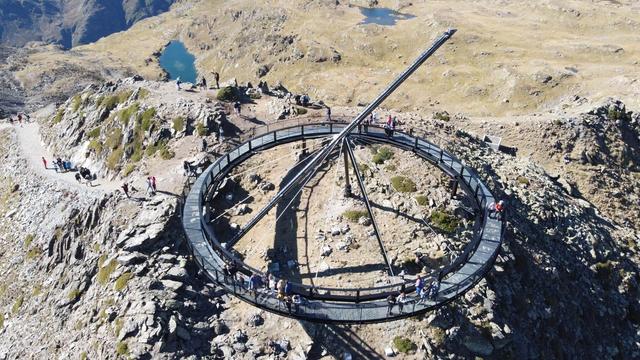
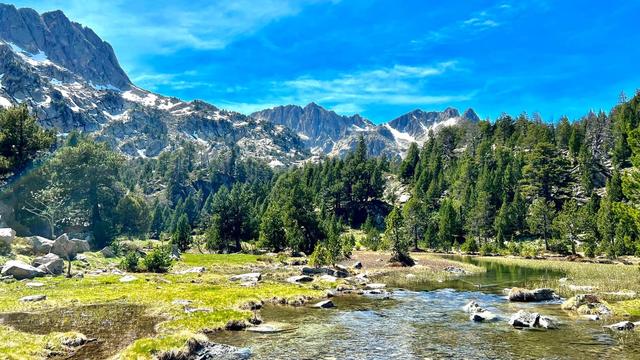
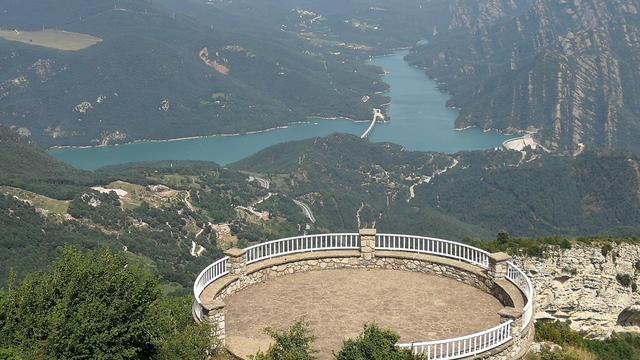
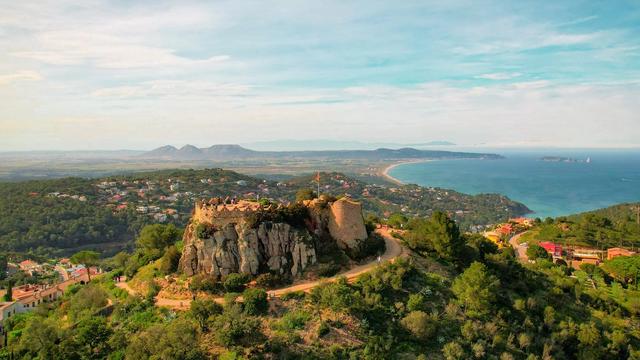
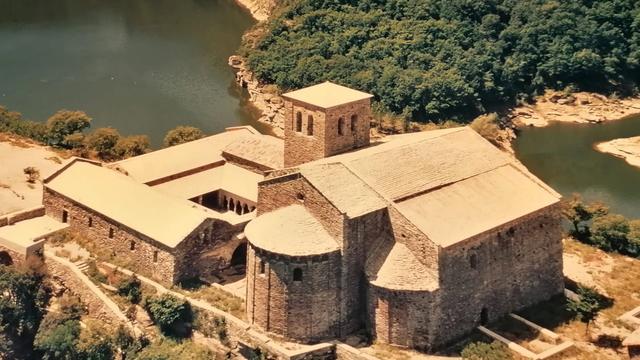
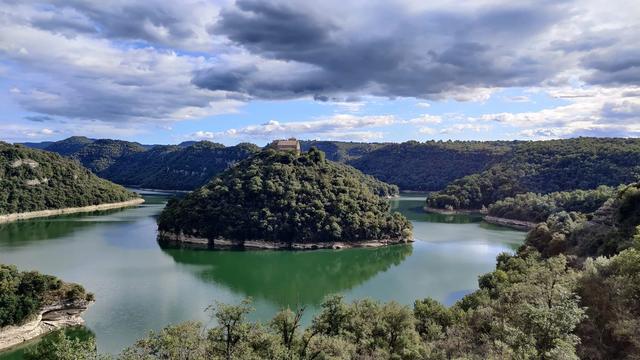
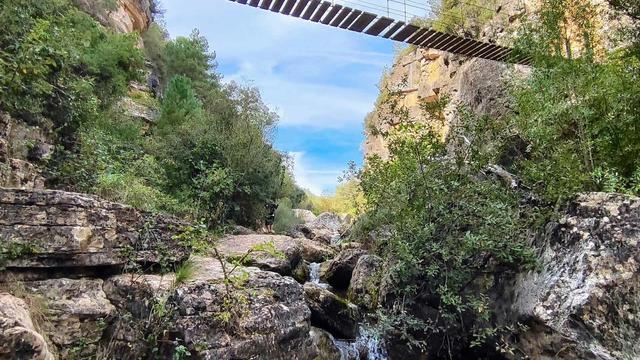
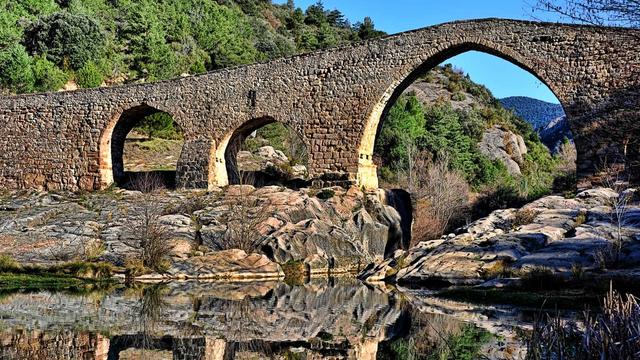
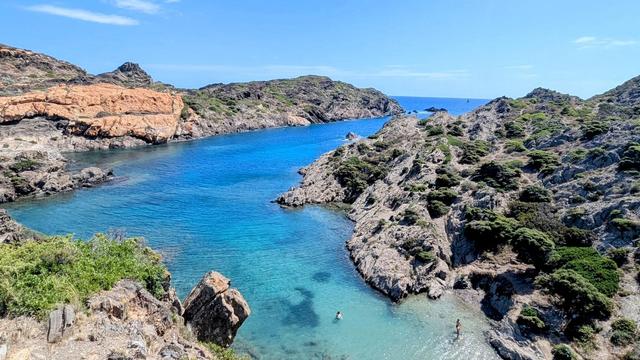
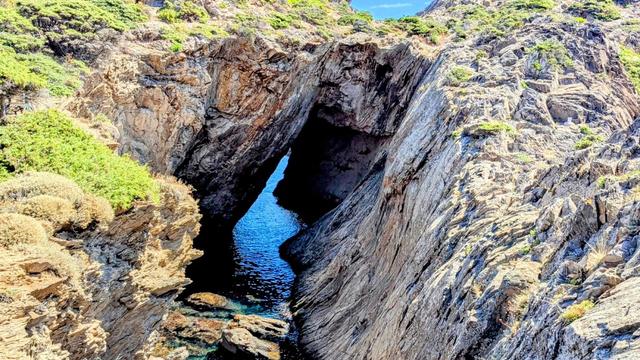
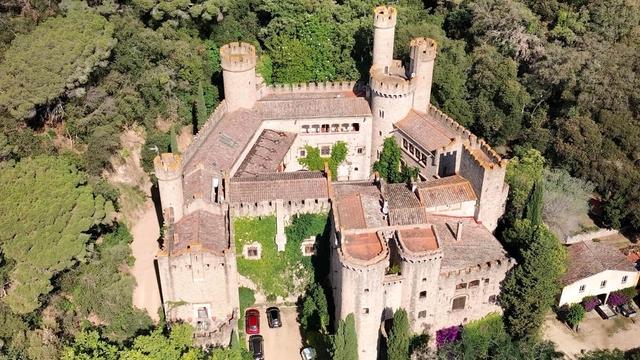
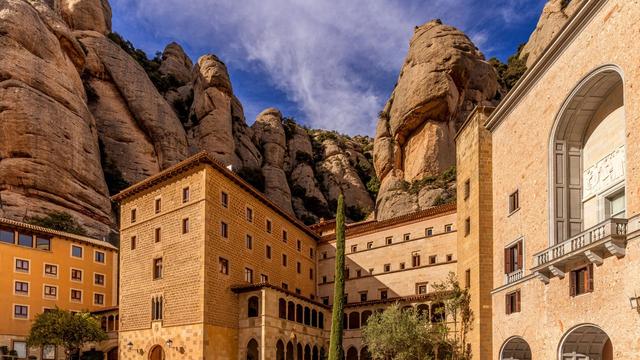
Destinations in Catalonia
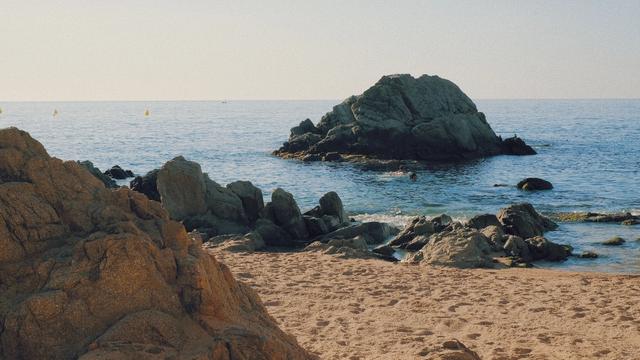
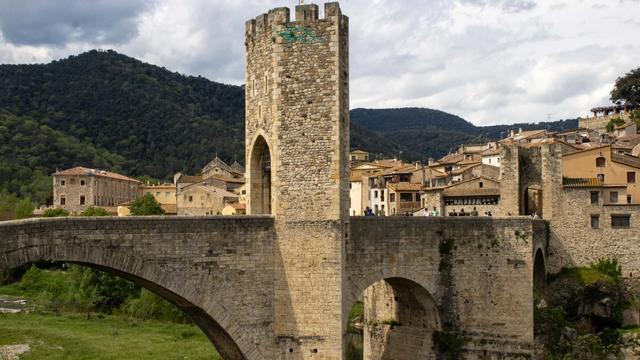
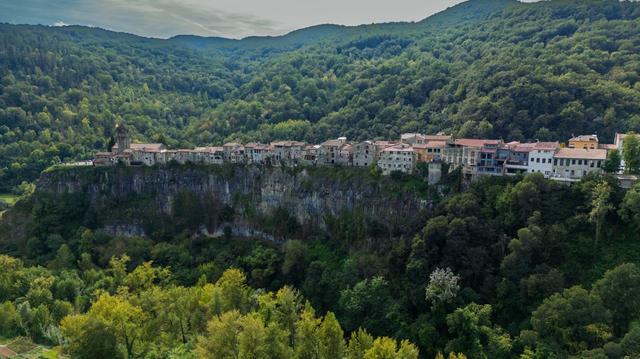
Frequently asked questions
What languages are spoken?
Catalan and Spanish are both co-official. Most people are bilingual; Catalan dominates in smaller towns and the countryside, Spanish more so in Barcelona. English is common in tourist zones and major cities but less reliable elsewhere.What is Catalan cuisine like?
Mediterranean diet: seafood, rice dishes (paella, fideuà), botifarra (grilled pork sausage with beans), bread with tomato (pa amb tomàquet), and seasonal calçots (grilled spring onions, winter to April). Fine dining has gained international renown.Is it safe to visit?
Generally safe. Avoid pickpockets in crowded areas and on public transport. Keep a clear distance from political protests and demonstrations, which can turn violent. Follow traffic laws strictly; on-the-spot fines are common and substantial.Do I need to speak Catalan?
No. Spanish works widely, and locals are patient with foreigners. Learning a few Catalan words is appreciated and opens conversation. Do not disparage the language—it is deeply tied to local identity.When should I avoid visiting?
Peak summer (July–August) brings heat and crowds; book accommodation well ahead. Winter brings rain and occasional snow in the mountains. Weekends and holidays are busier. Spring and autumn offer the best balance.