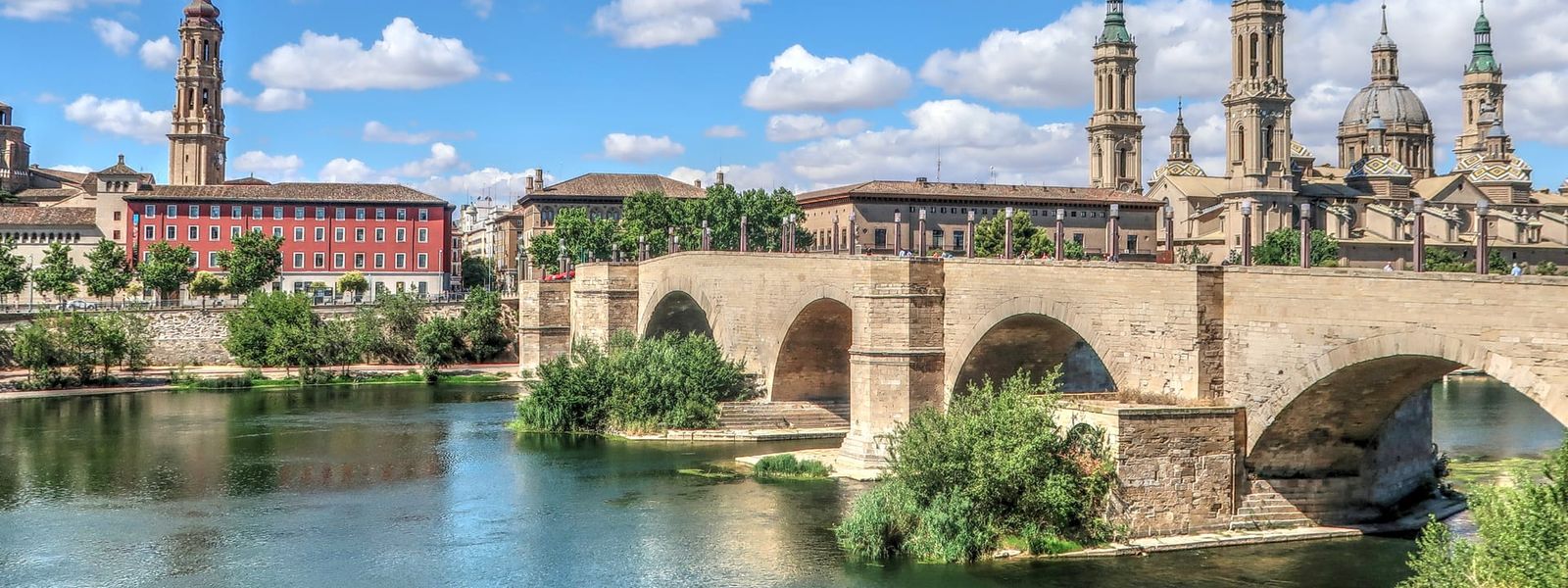
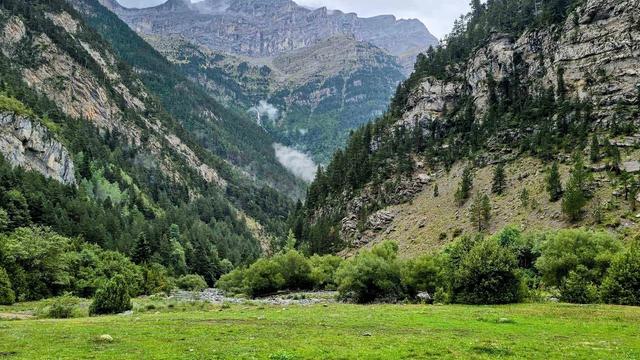
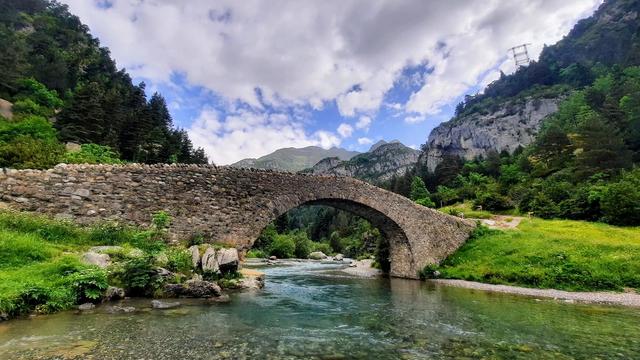
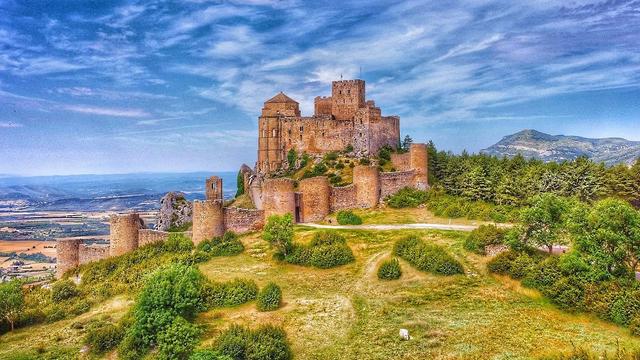
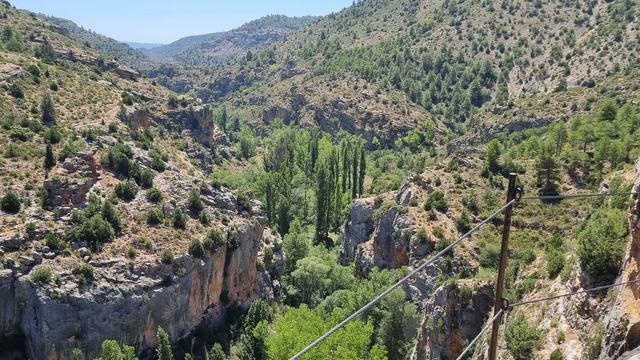
Aragon spans three provinces in northeastern Spain, largely bypassed by mainstream tourism yet rich in historic towns and villages set amid Pyrenean foothills and arid, mountainous countryside. The region shaped medieval European history as the Crown of Aragon, and its cities preserve substantial architectural legacies. Aragon's low population density—most residents clustered in Zaragoza—means extensive areas remain quieter than Spain's coastal regions. The local language, Aragonese, survives in the north alongside Catalan in the east and Spanish throughout.
Aragon
- Currency
- Euro (EUR)
- Language
- Spanish; also Aragonese, Catalan
- Power plug
- Type C/F, 230 V
- Visa
- Schengen
- Time zone
- UTC+1 / UTC+2 (CET/CEST)
- Tap water
- Safe; mineral taste in the south
- Tipping
- Not expected; 5–10% for great service
- Emergency
- 112
Things to do
All tours in Aragon on GetYourGuide
Paid links: booking through them supports YowJourney.
When to go
Low season
Dec – Feb
Cold, particularly in higher altitudes and the Pyrenean valleys; snow common above 1,200 metres.
Shoulder
Mar – May
Mild and pleasant; spring rains bring green to the valleys; fewer crowds than summer.
High season
Jun – Aug
Warm and dry, with long daylight hours. Lower crowds than Spain's coast, though July and August see more visitors in mountain areas.
Shoulder
Sep – Nov
Mild and comfortable walking weather; autumn colours in forests; few tourists.
How long to stay
Plan 5–7 days for a thorough exploration of Aragon's three provinces and their highlights. Shorter itineraries of 3–4 days work well if you focus on Zaragoza and the Pyrenean valleys; these routes can slot into broader Spain journeys. Independent travel by car allows flexibility to linger in villages and enjoy mountain scenery at your own pace.
Getting around
Renting a car is the practical choice: roads are well-maintained across the region, and you can reach remote villages and trailheads without needing four-wheel-drive. Cycling is popular locally, with high-quality roads suiting both road bikes and hybrid cycling. Public transport exists but is limited; the Madrid–Barcelona high-speed rail line crosses Aragon with stops in Zaragoza, and low-cost flights serve Zaragoza airport. Organised cycling and adventure tours operate in the mountain valleys, though booking in advance is wise.
What to see
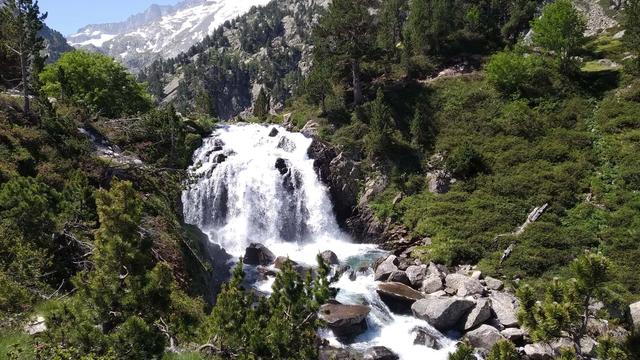
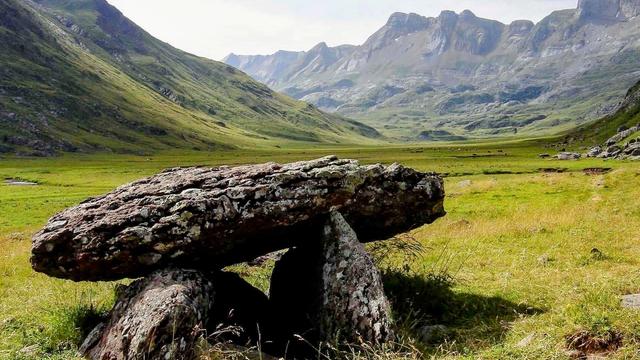
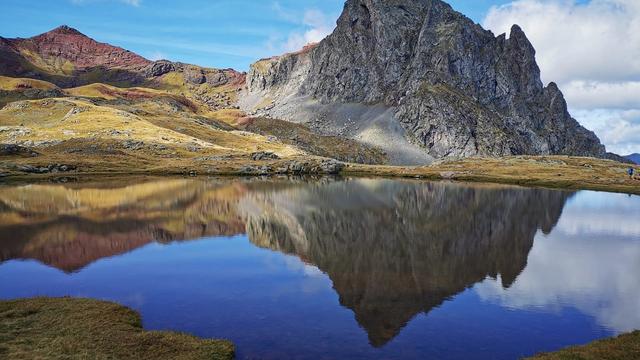
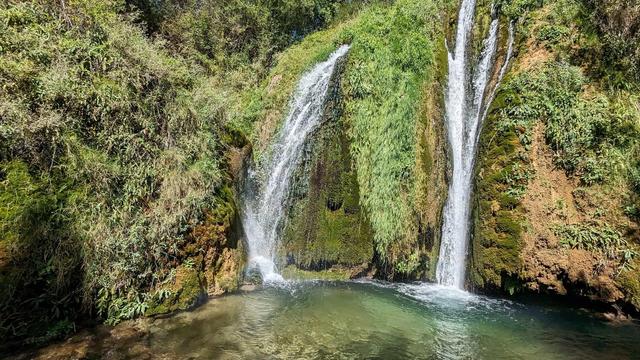
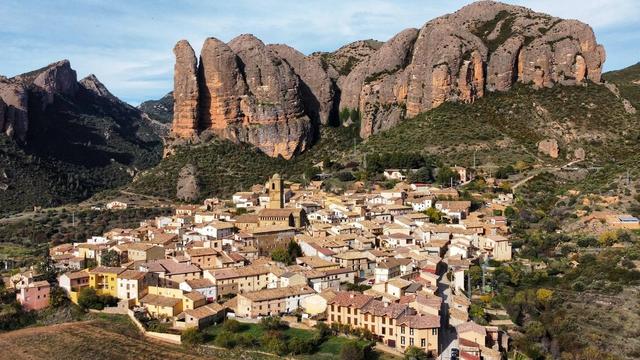
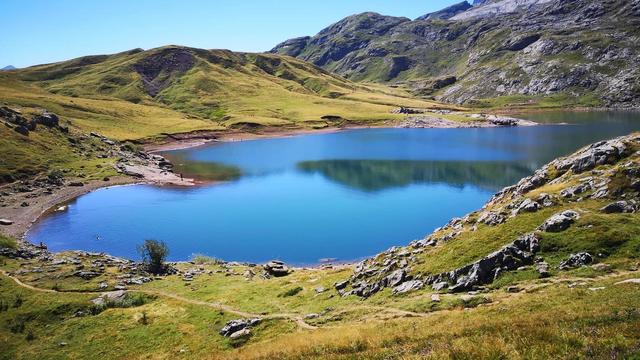
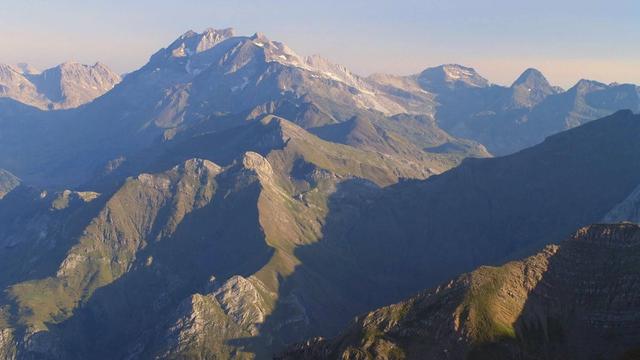
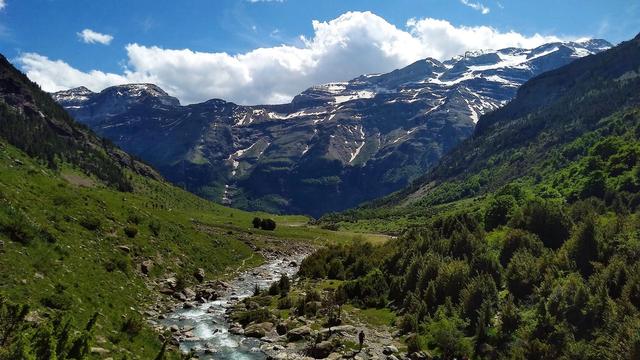
Destinations in Aragon
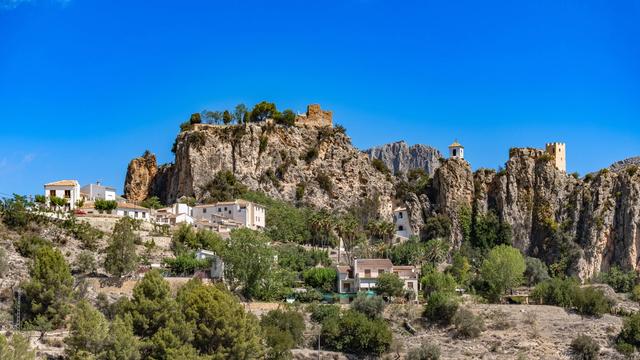
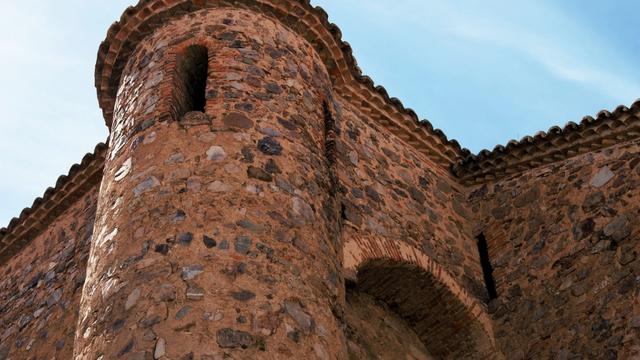
Frequently asked questions
Do I need to speak Spanish?
Spanish is spoken throughout Aragon. Aragonese is spoken in the north, and Catalan in the east. English is seldom encountered outside Zaragoza or tourist-oriented businesses; learning basic Spanish phrases is essential when travelling outside the capital.What is the best way to travel around?
Renting a car is the most practical option thanks to high-quality roads and flexible access to villages and mountain trailheads. Cycling is also very popular. Public transport is limited but connects major towns; the high-speed rail line offers access to the region via Zaragoza.Is Aragon crowded?
No. Aragon receives far fewer tourists than coastal Spain. Much of the region remains quiet and rural, with most of the population concentrated in Zaragoza, leaving extensive areas uncrowded.What can I do in Aragon?
Explore villages and towns with medieval and Renaissance architecture, hike in the Pyrenean valleys and foothills, visit local wine regions (Somontano, Cariñena, Borja, Calatayud), and experience largely unspoilt countryside.