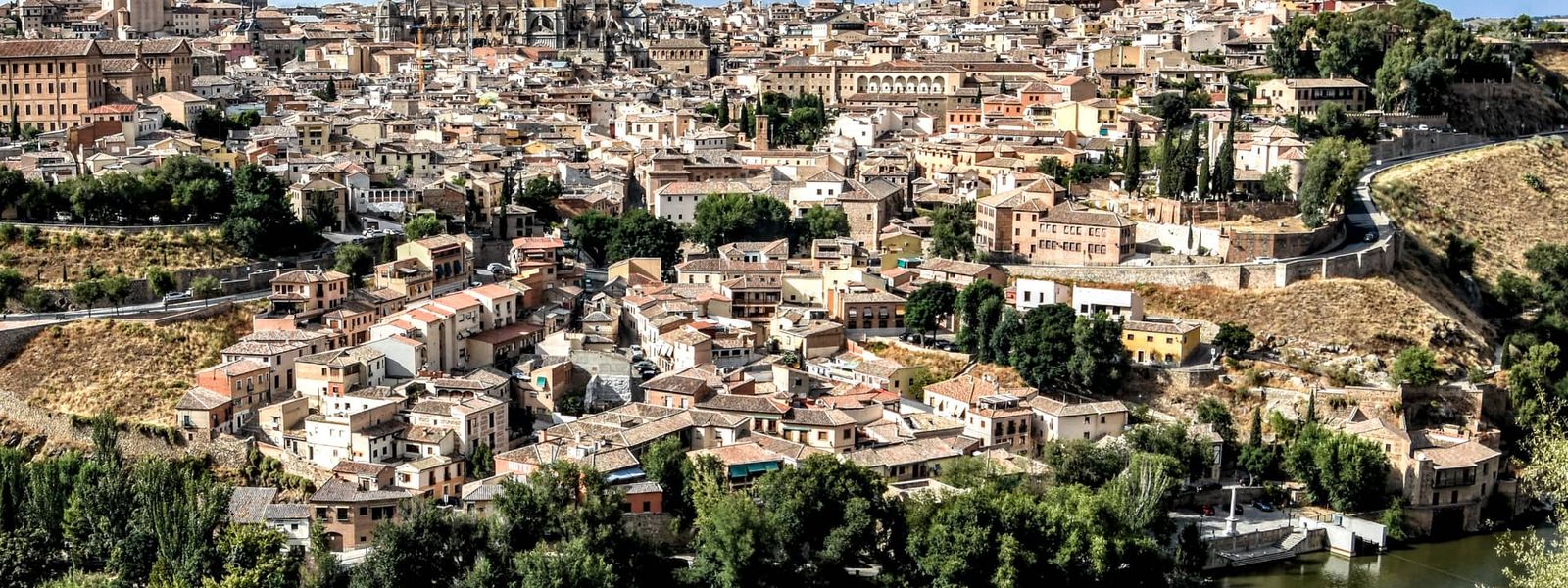
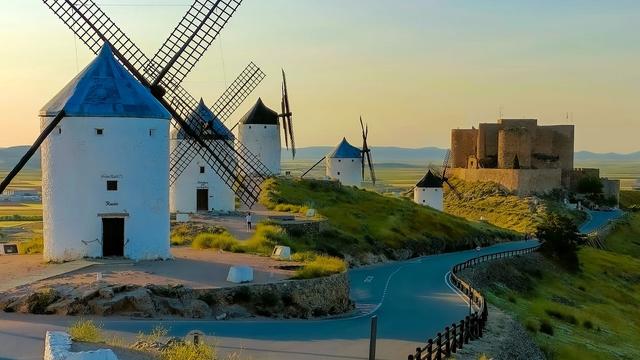
Castile-La Mancha occupies the vast plains of central Spain, surrounded by mountain ranges to the north and south. It is best known for the windmills that inspired Cervantes' Don Quixote, which still dot the hilltops, and for medieval cities like Toledo. The region comprises five provinces: Albacete, Ciudad Real, Cuenca, Guadalajara and Toledo. Inland and dry, it offers Spanish countryside, local wines and cheeses, and a quieter alternative to coastal tourism.
Castile-La Mancha
- Currency
- Euro (EUR)
- Language
- Spanish; English in tourist areas
- Power plug
- Type C/F, 230 V
- Visa
- Schengen
- Time zone
- UTC+1 / UTC+2 (CET/CEST)
- Tap water
- Safe; mineral taste in the south
- Tipping
- Not expected; 5–10% for great service
- Emergency
- 112
Things to do
All tours in Castile-La Mancha on GetYourGuide
Paid links: booking through them supports YowJourney.
When to go
Shoulder
May – Jun
Late spring brings warm days and light crowds; the high heat of summer has not yet arrived.
Low season
Jul – Aug
Summers are intensely hot and dry across the plains. August is peak heat.
Shoulder
Sep – Oct
Early autumn offers relief from summer heat; conditions remain generally mild.
High season
Nov – Apr
Winter brings cooler temperatures and occasional mountain snow. Spring and early winter are best for sightseeing without extreme heat.
How long to stay
Four to seven days covers the main sites. Three days suffices for Don Quixote windmills and Toledo alone. A full loop of the region — northern mountain landscapes, the central plains, southern sierras, and provincial capitals — needs a week.
Getting around
Car hire is essential; buses connect major cities but not smaller towns reliably. Albacete and Ciudad Real airports exist but have no scheduled commercial flights; fly into Madrid, which is the main gateway to the region. Valencia, Alicante and Murcia airports also serve travellers headed for the eastern and southern edges.
What to see
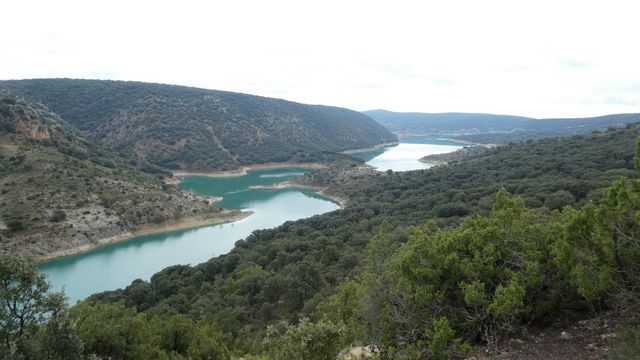
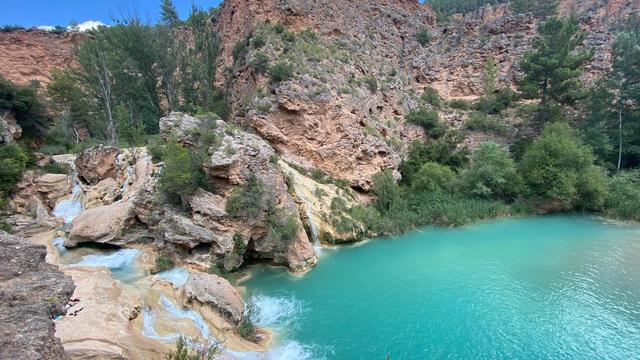
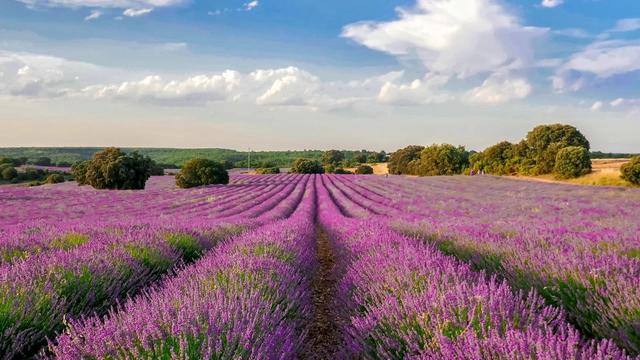
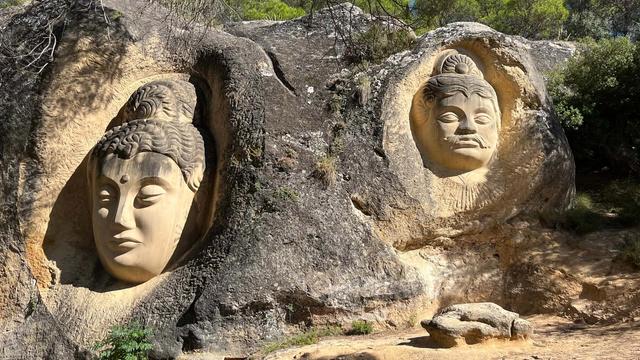
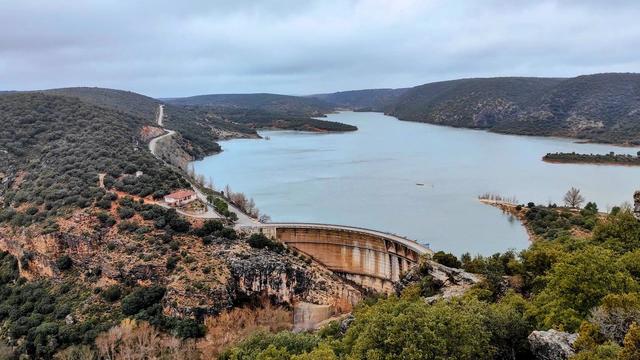
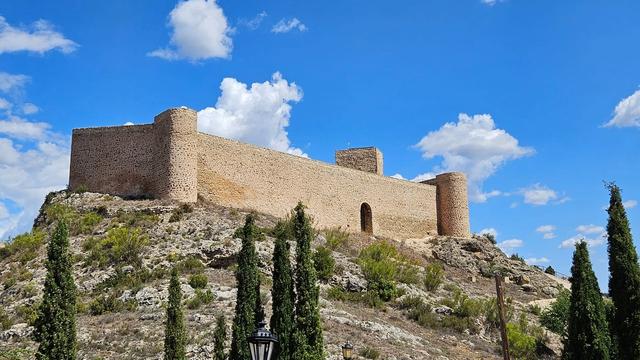
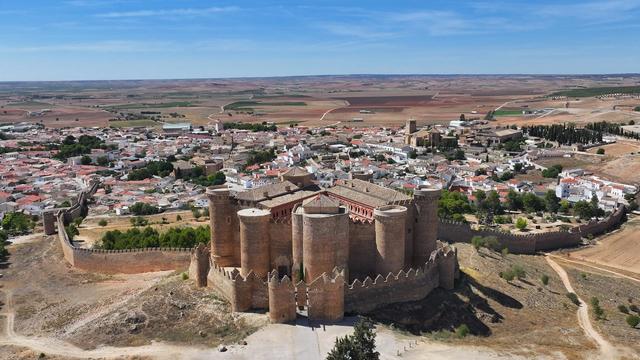

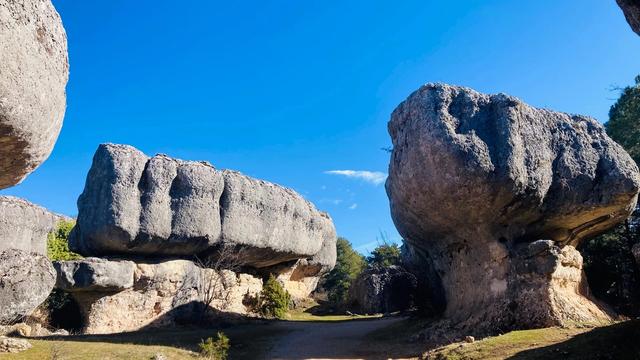
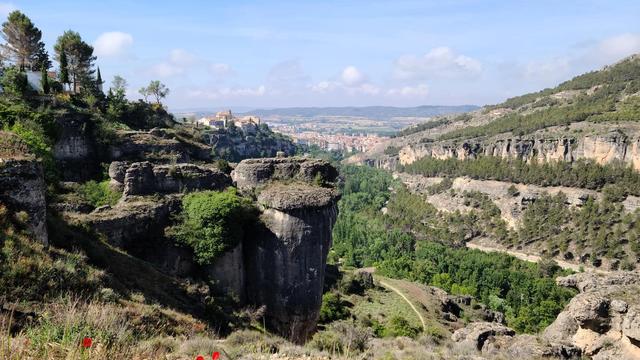
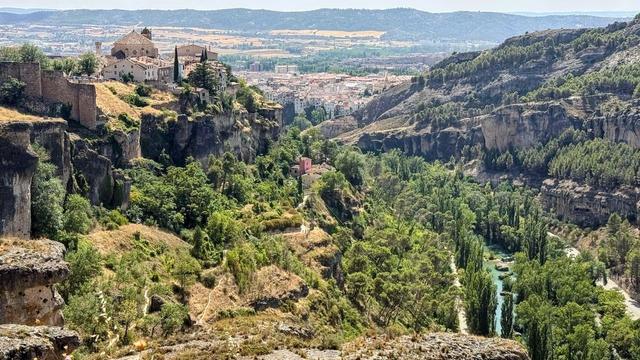
Destinations in Castile-La Mancha
Frequently asked questions
What is the Castilian dialect spoken here like?
The Spanish dialect of Castile-La Mancha is very similar to that spoken in Madrid — standard Castilian Spanish.What should I eat?
Queso Manchego (sheep's milk cheese), Manchego and Valdepeñas wines, pisto (vegetable stew), roast suckling lamb, Toledo marzipan, and Manchego gazpacho are the region's signature foods. Migas Manchegas, a fried breadcrumb dish, is also traditional.Can I see the Don Quixote windmills?
Yes. The windmills that inspired Cervantes' novel still stand at Consuegra and other hilltop sites across the region.