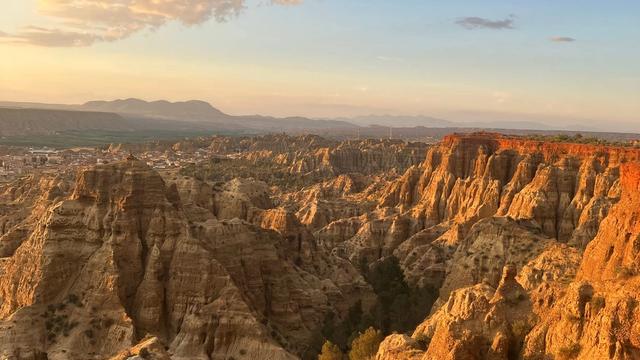
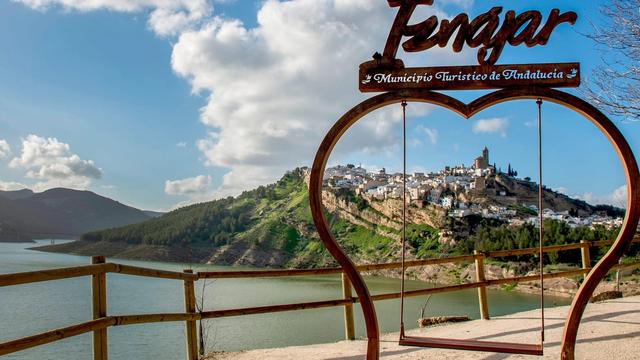
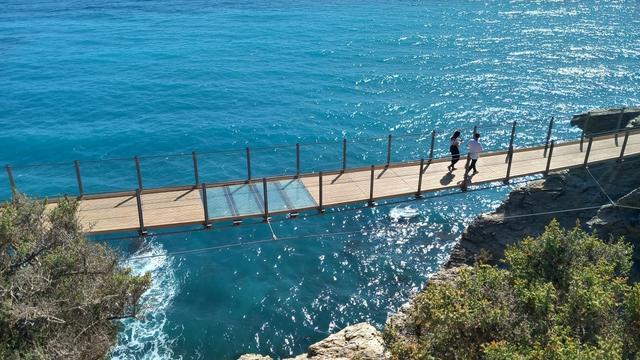
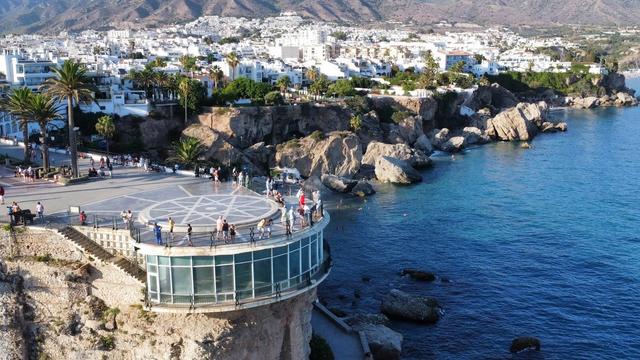
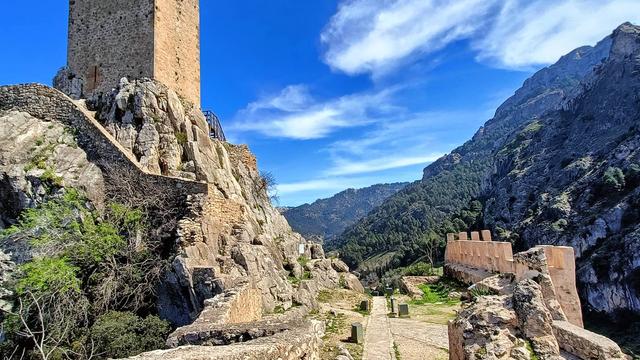
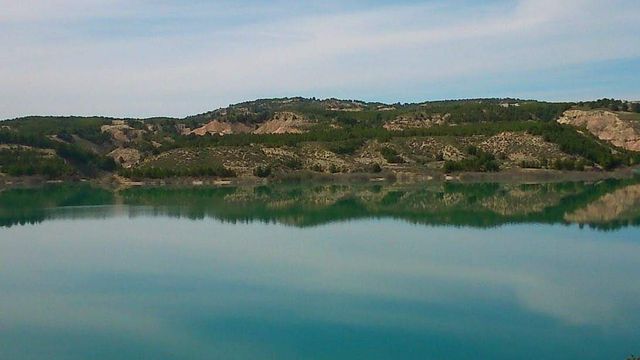
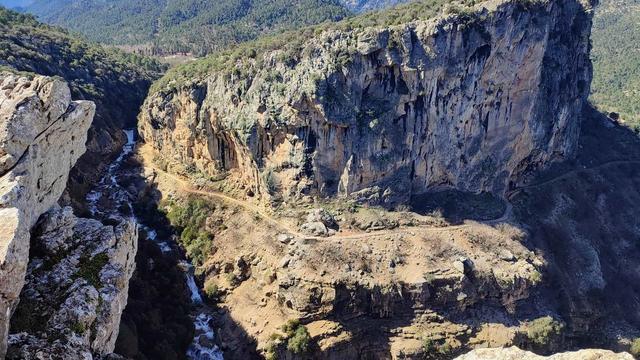
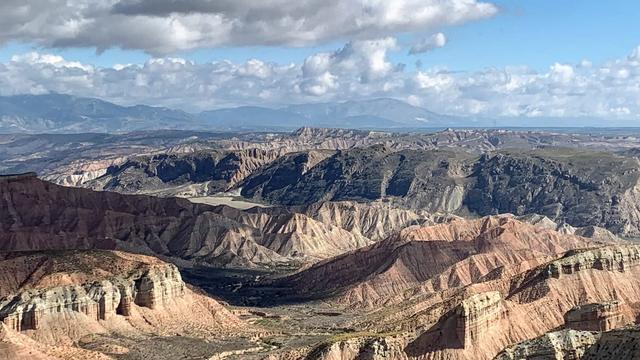
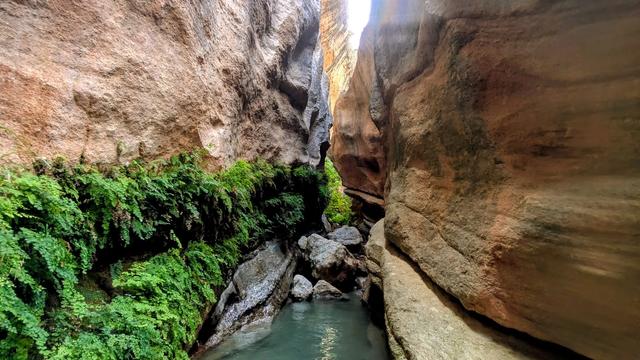
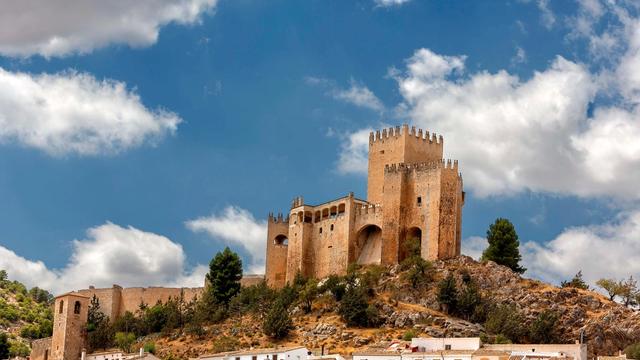
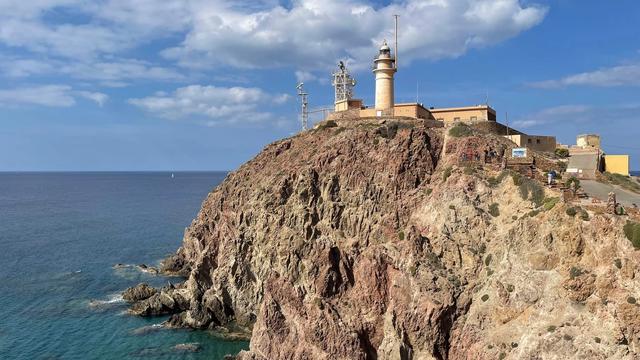
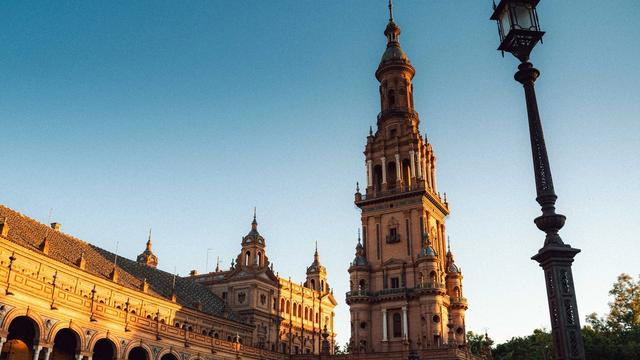
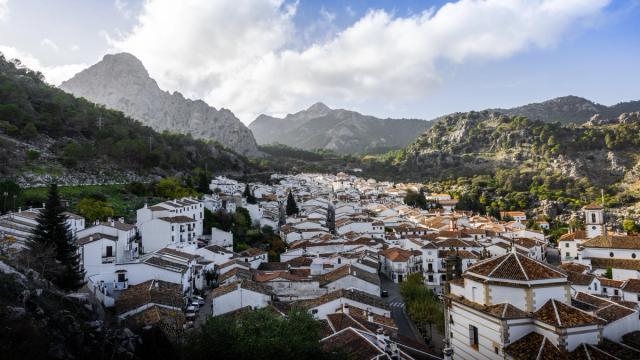
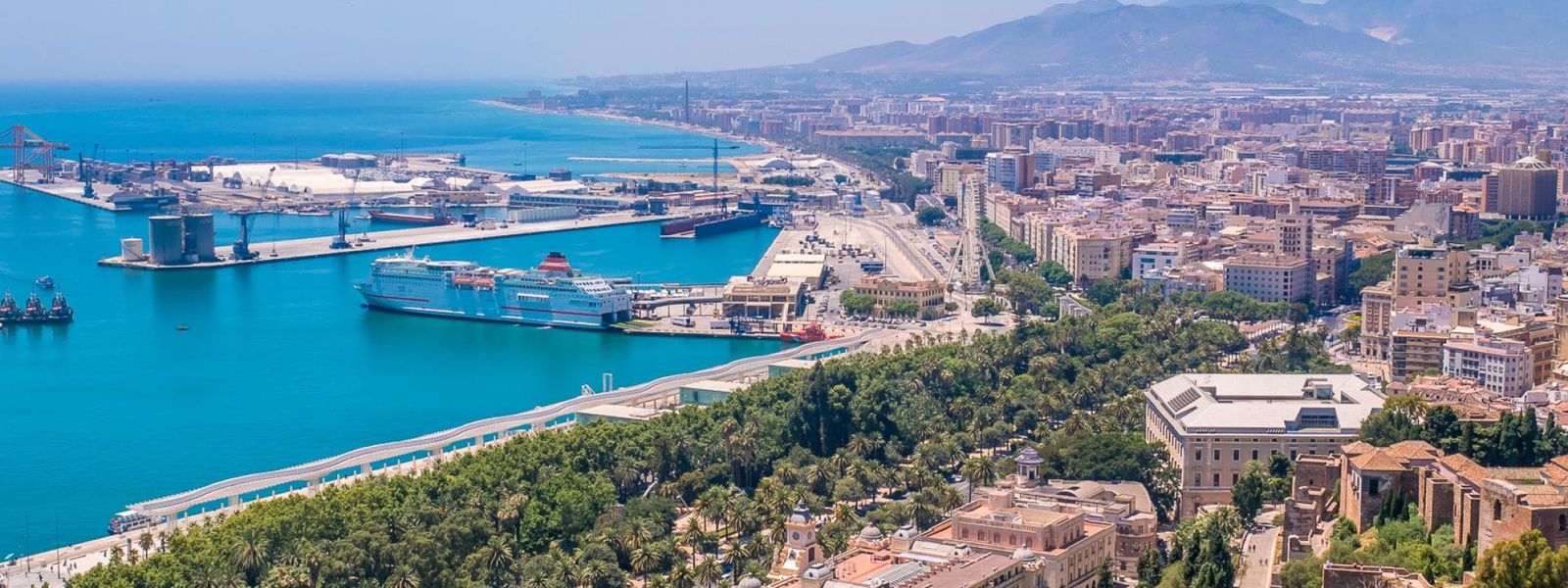
Andalusia is Spain's most populous autonomous community, spread across eight provinces in the south of the Iberian Peninsula. The region offers diverse scenery: deserts and beaches along the Costa del Sol and Costa de la Luz in the south, the Sierra Nevada range inland with Europe's southernmost ski slopes, and historic cities built during eight centuries of Moorish rule. Moorish architecture—especially the Alhambra—defines the cultural landscape. The climate is Mediterranean: hot and dry in summer (temperatures often exceed 35°C), mild and wet in winter, and generally among Europe's sunniest. Beyond the concrete beach resorts, the region holds immense culture, scenery, and food.
Andalusia
- Currency
- Euro (EUR)
- Language
- Spanish; English in tourist areas
- Power plug
- Type C/F, 230 V
- Visa
- Schengen
- Time zone
- UTC+1 / UTC+2 (CET/CEST)
- Tap water
- Safe; mineral taste in the south
- Tipping
- Not expected; 5–10% for great service
- Emergency
- 112
Things to do
All tours in Andalusia on GetYourGuide
Paid links: booking through them supports YowJourney.
When to go
High season
Jun – Sep
Summer is hot and dry, with temperatures often exceeding 35°C. Long daylight. Beaches and coastal towns are busiest.
Shoulder
Oct – Nov
Autumn is warm in September, cooling through October. Still mostly sunny.
Low season
Dec – Feb
Winters are mild with frequent rain. Average around 10.5°C in January and February. Few tourists, but some roads and smaller sites may have reduced hours.
Shoulder
Mar – May
Spring warms gradually. Comfortable sunbathing possible from May. Wildflowers in the countryside.
How long to stay
Seven to ten days allows a full circuit of the region: time for Granada and Córdoba's historic centres, the mountain routes of the Sierra Nevada, the southern beaches, and smaller hill towns. Four or five days covers one or two provinces thoroughly, though you'll sacrifice either the coast or the interior.
Getting around
Hire a car for the most flexibility between provinces and remote villages. Major airports at Málaga, Seville, Almería and Granada connect to European cities. High-speed AVE trains link Málaga, Córdoba and Seville to Madrid and each other; regional trains reach smaller towns but run less frequently. Long-distance buses (Alsa and DAMAS) connect cities, though journey times are longer. Domestic flights exist between the larger airports but are rarely the fastest option when ground transport is available.
Local rules
In Granada and Córdoba, avoid women offering plants (usually heather) for free; they will read your palm and demand payment afterward. Pickpocketing occurs in tourist zones and crowded areas, especially Málaga and Seville—use standard precautions. Petty theft is opportunistic rather than organized; leaving valuables visible or wallets unattended invites trouble. The region is generally safe, but parts of the coast occasionally see migrant boat activity; stay away from beaches if this is happening.