Best time to visit Catalonia
8 min read8 questions
Catalonia · Spain
There is no single best time for Catalonia — the coast, Barcelona and the Pyrenees each run on their own calendar. The sea is reliably warm only from June to early October, the mountains split into a hiking season and a separate ski season, and fixed dates like Sant Jordi, Sant Joan and La Mercè matter as much as the weather. This guide breaks it down season by season so you can match the trip to what you actually want — beach, city or mountains.
Contents
- The short answer — and why it depends on what you're after
- Winter (December–February): ski season, quiet Barcelona, cold sea
- Spring (March–May): Sant Jordi, Easter crowds, trails still closed
- Summer (June–August): Sant Joan, the warmest sea, and the hiking window
- Autumn (September–November): La Mercè, the warmest sea, then a quiet stretch
- FAQ
The short answer — and why it depends on what you're after
Catalonia doesn't have one best time — it has three, because the coast, the cities and the Pyrenees each run on their own calendar. The coast (Costa Brava north of Barcelona, Costa Daurada south) is only reliably swimmable from June to early October, when the sea holds above 20°C; May and early June look sunny but the water is still cool. Barcelona and the other Catalan cities work year-round, and the real trade-off is summer heat and crowds versus a quieter, cheaper visit the rest of the year. The Pyrenees run two separate seasons entirely on their own schedule: hiking from mid-June to late September, and skiing from roughly late November to early April. If you just want one answer that covers most trips: June, September and early October give you swimmable sea, comfortable city walking and open Pyrenees trails, without July–August's heat, crowds and prices.
Winter (December–February): ski season, quiet Barcelona, cold sea
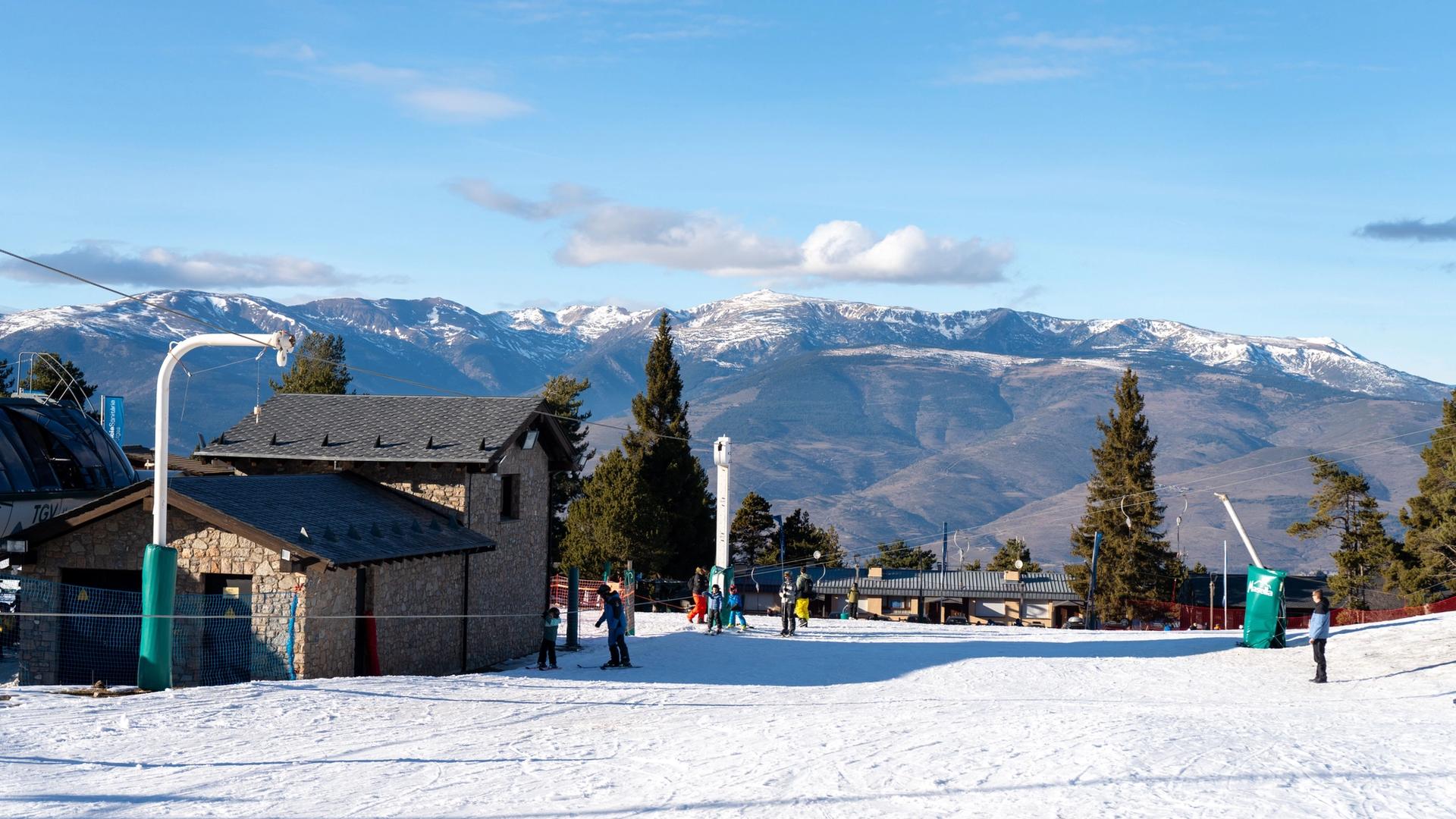
This is Catalonia's other high season — just a different one, up in the mountains. Baqueira-Beret, the region's largest resort, is scheduled to run November 29, 2025 to April 6, 2026 this season, weather permitting; smaller Pirineu365 resorts like La Molina follow a similar window, and the rack-railway-only Vall de Núria (there's no road in) is set to run December 4, 2025 to April 6, 2026 this season. On the coast, the sea is at its coldest — roughly 13–15°C from December through March — well below anything most people call swimmable. Barcelona itself is calm and comparatively cheap outside the Christmas–New Year week: shorter queues at the Sagrada Família and Park Güell, and daytime temperatures still comfortable for walking, commonly around 13–15°C. Days are short and rain is more likely than in summer, but that's the trade-off for empty squares and lower hotel rates.
Spring (March–May): Sant Jordi, Easter crowds, trails still closed
Spring is when Catalonia's cultural calendar gets moving before the coast does. Sant Jordi, April 23 every year, is the region's own mix of Valentine's Day and World Book Day: tradition has men give women a rose and women give men a book, though today most people exchange both ways, and Barcelona's main streets turn into open-air book fairs — this year's Sant Jordi set a new record, with over 2 million books and more than 7 million roses changing hands across Catalonia in a single day. Easter week (Semana Santa) is a second spike: in 2026 it runs March 29 to April 5, and while Catalonia is one of the two Spanish regions that works through Maundy Thursday, Easter Monday is a public holiday here — as it is in six other regions, including Valencia and the Balearics — so hotels and flights get pricier and coastal towns fill up specifically around that week.
The sea is still cool — roughly 13°C in March, creeping to 17°C by May — not really swimming weather yet. In the Pyrenees, don't expect open trails: high passes along the GR11 and in Aigüestortes National Park typically hold snow into June, sometimes into early July in heavy-snow years, so serious hiking is still a few weeks off.
Things to do in Catalonia
Paid links: booking through them supports YowJourney.
Summer (June–August): Sant Joan, the warmest sea, and the hiking window
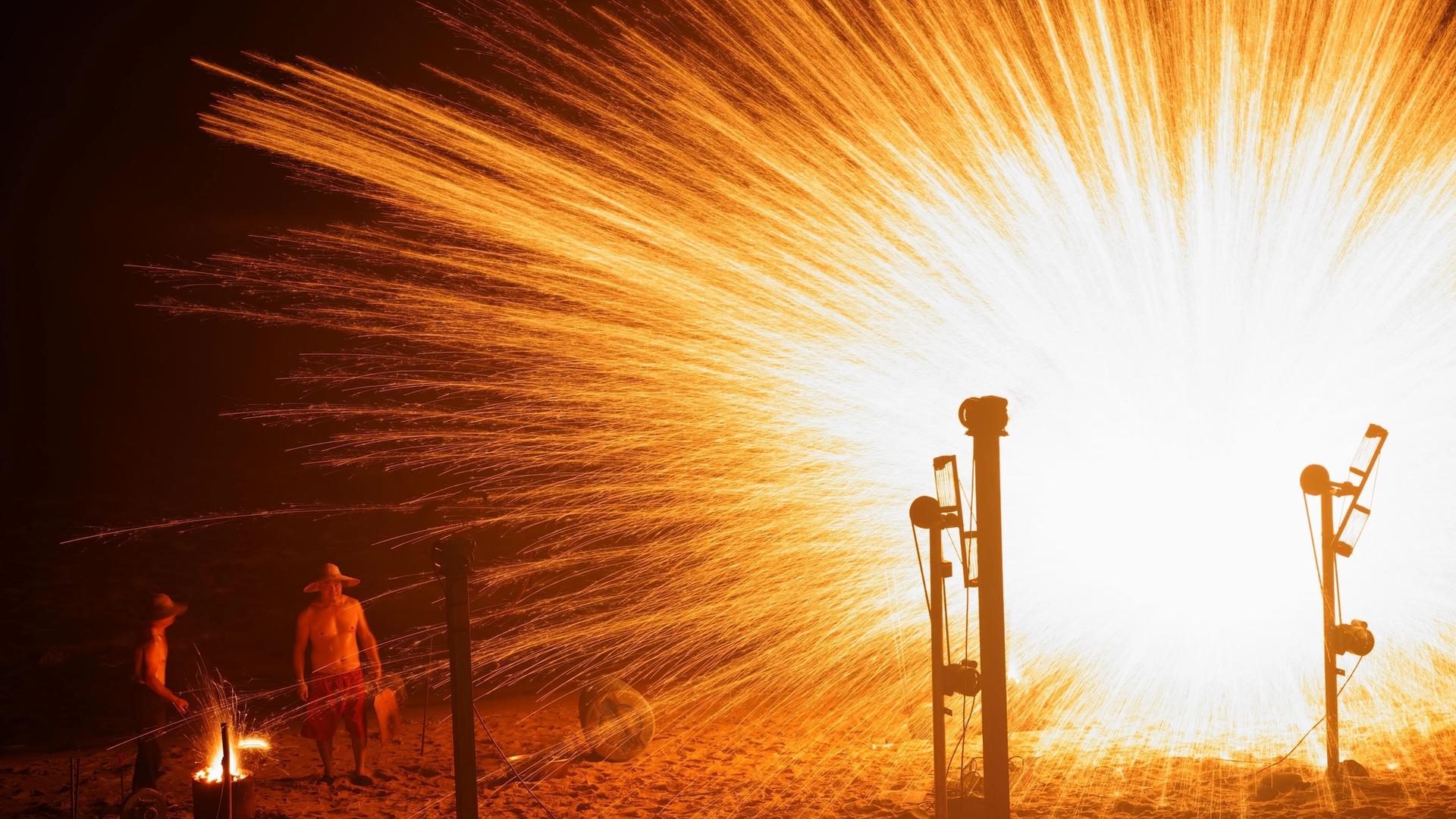
June is the hinge month. The night of June 23–24 is Sant Joan, Catalonia's biggest midsummer tradition: bonfires and fireworks on every beach and square, a midnight swim to mark the new season, and a flame carried down from Pic del Canigó in the Pyrenees to light bonfires across the region. By June the sea is comfortably swimmable, around 21°C, and the Pyrenees hiking season properly opens — mid-June to late September is the reliable window for the GR11 and Aigüestortes, with July and August the driest, warmest and busiest stretch on the trails.
July and August are also Catalonia's hottest and most crowded months everywhere else: sea temperatures peak around 25–26°C, Barcelona's hotels alone log over 2 million overnight stays in August, and flight and hotel prices hit their yearly high. Locals feel it too — plenty of shops and restaurants close for the summer as residents head out of the city, though the Festa Major de Gràcia (August 15–21, 2026) fills that neighborhood with decorated streets and free concerts even as the rest of town empties out. If summer is your only option, book well ahead and expect daytime heat in the high 20s to low 30s°C.
Autumn (September–November): La Mercè, the warmest sea, then a quiet stretch
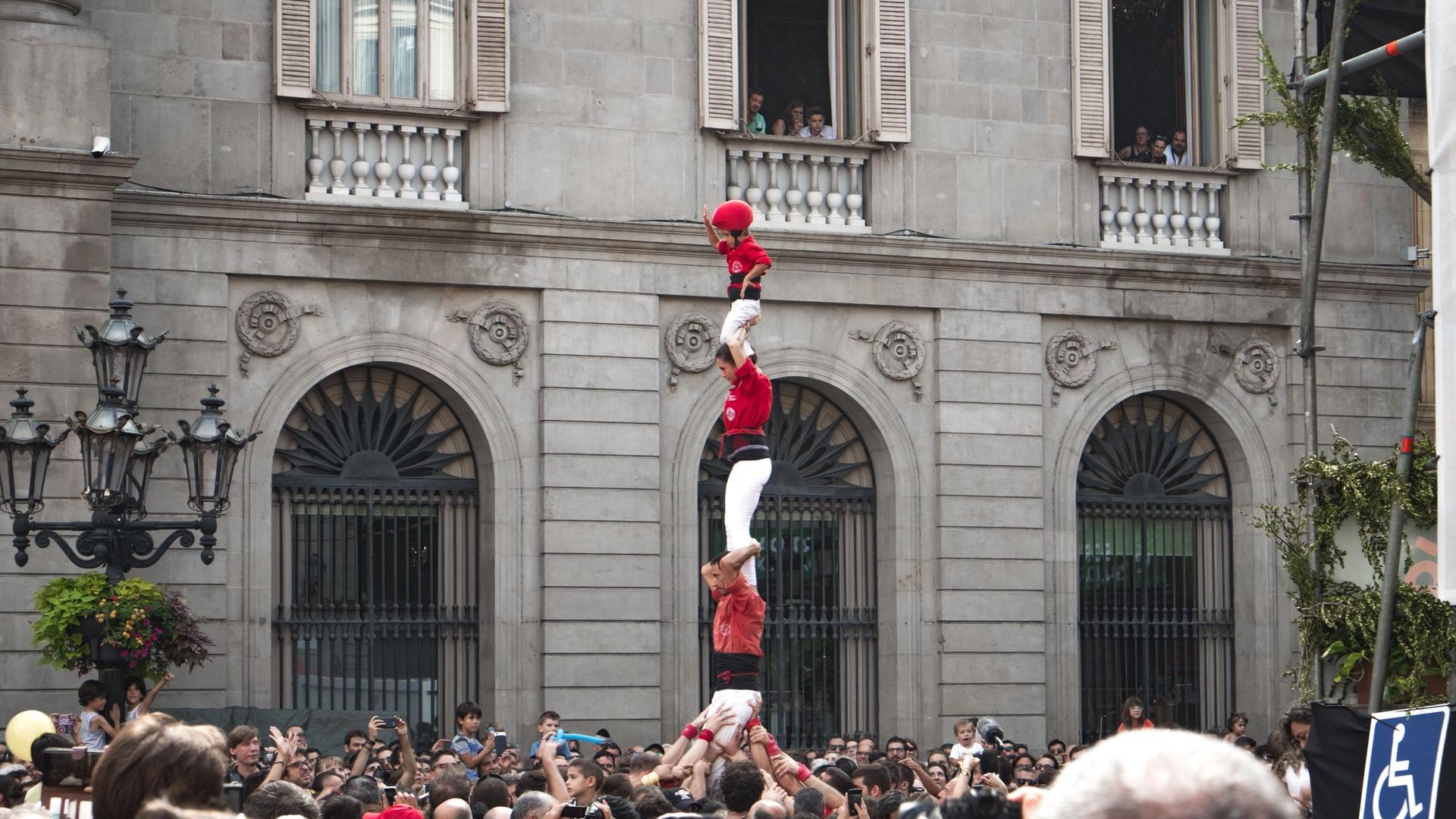
September is arguably Catalonia's best month. The sea is still warm — typically 22–24°C, just a couple of degrees past August's peak, and cooling to around 20°C by October — the heat has backed off from August's crowds and prices, and La Mercè, Barcelona's biggest festival, honoring the city's patron saint, runs September 23–27, 2026, with September 24 as the central public holiday. Expect human towers (castellers), fire runs (correfoc), giant processions and hundreds of free events across the city. The Pyrenees hiking season winds down through September into mid-October, when snow starts returning to the high passes — after that, the trails belong to winter again. By November the coast has cooled to around 18°C, past comfortable swimming for most, cities are quiet, and the ski resorts start prepping to reopen around late November.
There's no wrong month for Catalonia, only a mismatched one. Want the beach without a packed one? June or September beat July–August on crowds and price while keeping the sea close to its best. Want Barcelona itself — architecture, museums, food? Spring and autumn give comfortable walking weather without August's heat and its closures. Want the Pyrenees? Decide which season you mean: July–August for hiking, late November through March for skiing — June and October are unreliable for both. If a specific date matters — Sant Jordi's roses, Sant Joan's bonfires, La Mercè's castellers — build the trip around that week: Catalonia's calendar runs on these fixed points as much as on the weather.
FAQ
What is the single best month to visit Catalonia?
For most travelers, June or September: the sea is warm enough to swim (around 21°C in June, 22–24°C in September), the heat and crowds haven't hit July–August's peak yet, and the Pyrenees hiking trails are open. September also brings La Mercè, Barcelona's biggest festival, and the sea is barely cooler than it was at August's peak.When can you actually swim in the sea in Catalonia?
Roughly June to early October, when the water holds above 20°C. It peaks around 25–26°C in July and August and is at its coldest, 13–15°C, from December through March — most people find spring water (13–17°C) too cold to swim comfortably even on a sunny day.When is the hiking season in the Catalan Pyrenees?
Mid-June to late September is the reliable window for high routes like the GR11 and trails in Aigüestortes National Park. High mountain passes can hold snow into late June or even early July in heavy-snow years, and fresh snow can return by mid-October — plan lower-altitude walks outside July–August.When is ski season in the Catalan Pyrenees?
Roughly late November to early April, weather permitting. Baqueira-Beret, the region's largest resort, is scheduled for November 29, 2025 to April 6, 2026 this season; smaller resorts like La Molina and the rack-railway-only Vall de Núria run a similar window.When is Sant Jordi and what is it?
April 23, every year — Catalonia's version of Valentine's Day and World Book Day combined. Tradition has men give women a rose and women give men a book, though today most people exchange both ways; Barcelona's main streets fill with book stalls and rose sellers for the whole day.When is La Mercè, Barcelona's big festival?
La Mercè runs September 23–27, 2026, honoring Barcelona's patron saint, with September 24 as the central public holiday. Expect human towers (castellers), fire runs (correfoc), giant processions and a major closing fireworks display — most events are free.When is the cheapest and quietest time to visit Catalonia?
Outside the Christmas–New Year week, winter (December–February) is the low season for flights and hotels on both the coast and in Barcelona — fewer crowds at major sights, though the sea is too cold to swim and the Pyrenees trails are snowed in; that's when the ski resorts take over instead.Is August a good time to visit Catalonia?
Only if you don't mind heat and crowds. August is Catalonia's hottest, busiest and most expensive month — Barcelona's hotels alone log over 2 million overnight stays — and many local businesses close as residents leave the city. The trade-off is the warmest sea of the year and neighborhood festivals like Barcelona's Festa Major de Gràcia (August 15–21, 2026).