Best time to visit Tenerife
6 min read6 questions
Canary Islands · Spain
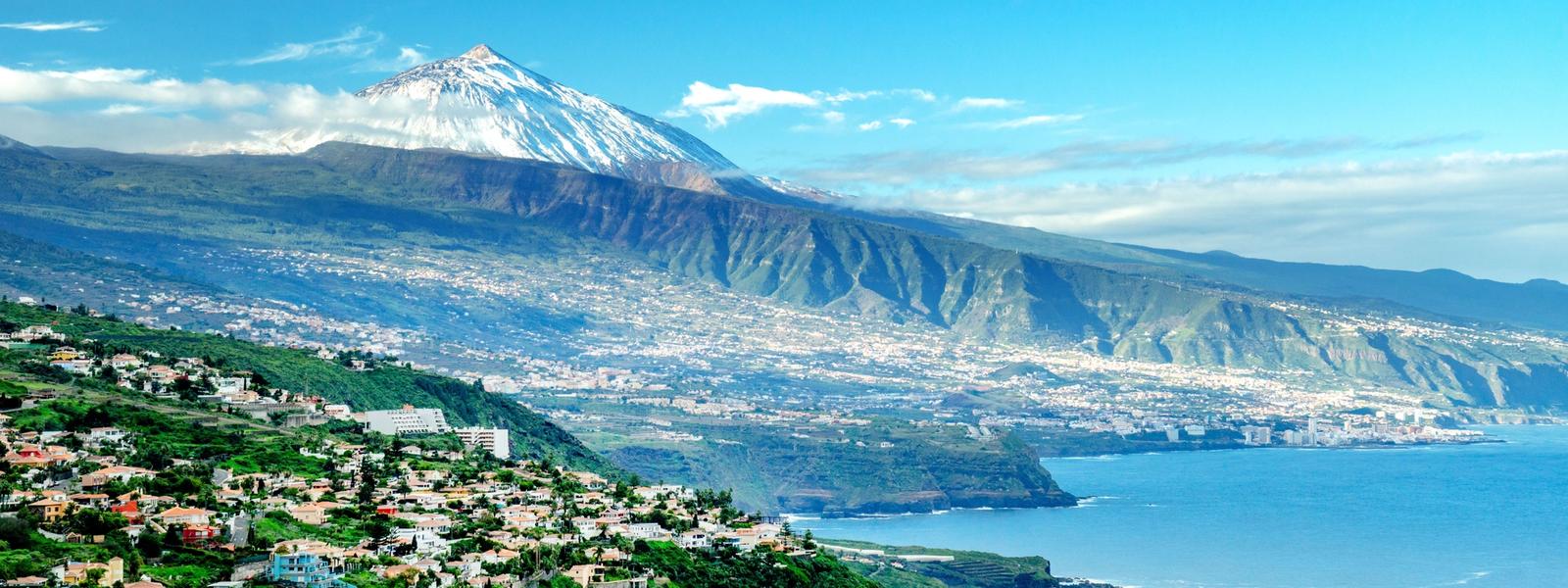
There is no bad month on Tenerife — but there is a wrong month for what you came for. Teide splits the island into a sunny, dry south and a green, cloudier north, and the sea, the crowds and the prices all shift through the year. This guide breaks it down season by season so you can match your trip to swimming, hiking, whale watching or a cheap quiet week.
The short answer, and why "it depends"
Tenerife is warm enough to enjoy in any month — that is the whole point of the "island of eternal spring." But the island has two climates at once: Mount Teide blocks the trade winds, so the south stays dry and sunny (around 24°C average) while the north is greener, cooler and cloudier (around 20°C). Pick your base for the weather you want, not just the season. If you only want beach and sun with the smallest crowds, target May–June or September–October. If you have a specific goal — Carnival, whales, snow on Teide, or the cheapest possible week — the month matters, and that is what the rest of this guide is for.
Winter (December–February): mild, quiet and cheap — with a catch
January is the coolest month (around 17°C average, low 20s by day in the south) and, outside the festive weeks, the cheapest — January, February and November are the low-season sweet spots for flights and hotels. The two exceptions to the cheap-and-quiet rule are Christmas–New Year, when hotel rates can double, and Carnival week itself. The sea is at its coldest now, roughly 19–20°C in February and March, still swimmable for most.
Two things to plan around. First, Carnival de Santa Cruz — one of the biggest in the world — runs from mid-January to late February (in 2026, Jan 16–Feb 22, with the big street parades around Feb 17); book Santa Cruz beds early. Second, this is when calima, the hot Saharan dust haze, is most frequent, because the trade winds weaken — it can grey out the sky and views for a few days at a time. Up on Teide, winter can bring snow to the summit; that is spectacular, but snow or ice can close the access roads (TF-21/24/38) and the cable car, so check conditions before driving up.
Things to do in Tenerife
Paid links: booking through them supports YowJourney.
Spring & autumn (March–May, September–October): the sweet spot
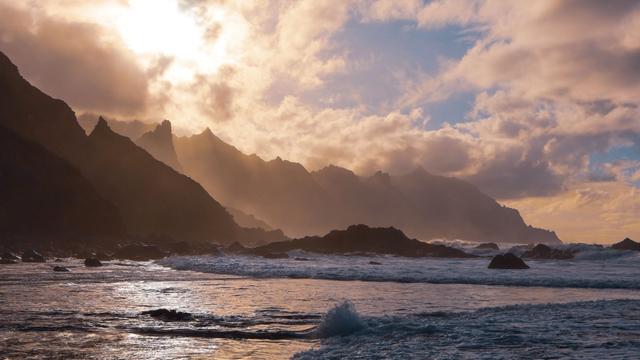
These are the months most regulars quietly prefer. May and September in particular hit the balance: warm but not scorching (mid-to-high 20s by day), reliably dry, decent prices, and the whole island open for business. Spring is prime for hikers — comfortable temperatures and clear air for the Roques de García loop under Teide, the Anaga laurel forest, or the demanding Masca gorge. Early autumn gives you the warmest sea of the whole year: September–October water sits around 23–24°C after a summer of heating, ideal for the natural pools at El Caletón or Bajamar and the black-sand beaches around Anaga like Playa de Benijo. Two caveats: Easter week (movable, March or April) is a Spanish holiday spike in prices and crowds, and September is a second calima peak, so the odd dusty, extra-hot spell is possible in early autumn too.
High summer (July–August): hottest, busiest, priciest
August is the hottest month (around 24°C average, warmer in the south) and, with Spanish and European school holidays, the most crowded — book flights and hotels well ahead or pay a premium, especially in the southern resorts. The upside is dependable sun and warm water. The trade winds keep the coast from feeling extreme, but that changes fast during a calima: dust from the Sahara can push temperatures well into the 30s for a few days. If you come in summer, do your hiking early in the morning, keep Teide plans flexible around the heat, and remember the whale and dolphin boats off the southwest coast run all summer just as they do all year.
If you just want reliable sun and warm sea without the peak-season crush, aim for May–June or September–October: the water is at its warmest in early autumn, prices are calmer than in August, and the trails are comfortable. Go in winter for Carnival, whales and possible snow on Teide (bring a layer); go in high summer only if you accept the heat, the crowds and doubled hotel rates. Whatever the month, base yourself in the south for sun and cross to the north — Anaga, Masca, the Teide slopes — for the greener, cooler side of the island.
FAQ
What is the overall best month to visit Tenerife?
For most travelers, May, June, September or October are the sweet spot: warm and dry weather, the warmest sea in early autumn (around 23–24°C in September–October), fewer crowds than July–August, and calmer prices. Choose winter instead if you specifically want Carnival, whale-watching variety or snow on Teide.What is the cheapest and quietest time to visit Tenerife?
January, February and November are the low-season sweet spots, with the lowest flight and hotel prices — as long as you avoid the two spikes: Christmas–New Year (rates can double) and Carnival week in Santa Cruz. The weather is still mild, just cooler and with a slightly higher chance of calima or a cloudy spell in the north.What is calima and when is it most likely?
Calima is a hot, dusty haze blown in from the Sahara. It is most frequent in winter (roughly January–March), when the trade winds weaken, with a second peak in late summer and early autumn (September). Episodes usually last a few days, can spike the temperature and reduce visibility — worth checking the forecast if clear Teide views matter to you.When can you go whale and dolphin watching in Tenerife?
All year round. The southwest coast (around Costa Adeje) has resident short-finned pilot whales and bottlenose dolphins that boats reach year-round in the deep water close to shore. If you want a chance at migratory species too — such as sperm, fin or humpback whales — November to May is the better window.Does it snow on Teide, and can you still go up?
Yes — the summit (3,715 m) can get snow in winter, mainly December to February, which is a striking sight above the clouds. But snow or ice regularly forces the Cabildo to close the access roads (TF-21, TF-24, TF-38) and suspend the cable car, sometimes for days. If you are heading up in winter, check road and cable-car status the morning you go and carry warm layers — the summit is far colder than the coast year-round.When is Carnival de Santa Cruz de Tenerife?
It falls in February or March, tied to the run-up to Lent, so the dates move each year. In 2026 the program runs January 16 to February 22, with the biggest street parades (the Coso) around February 17. It is one of the largest carnivals in the world — if you are coming for it, book accommodation in or near Santa Cruz early and expect higher prices that week.