How to Plan a Travel Itinerary You'll Actually Stick To
3 min read5 steps
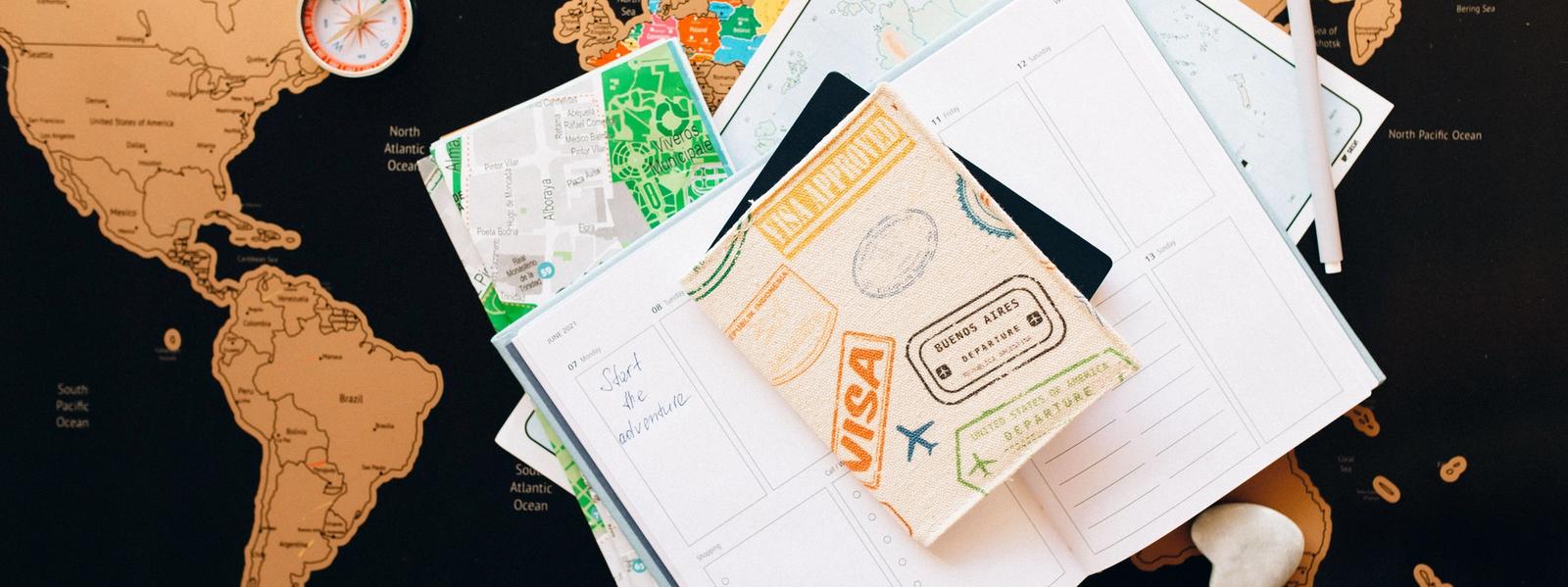
Most itineraries fail because they cram in too much. This is the method I use to build a plan that fits real days — anchored on what matters, grouped by area, and paced so you enjoy the trip instead of racing through it.
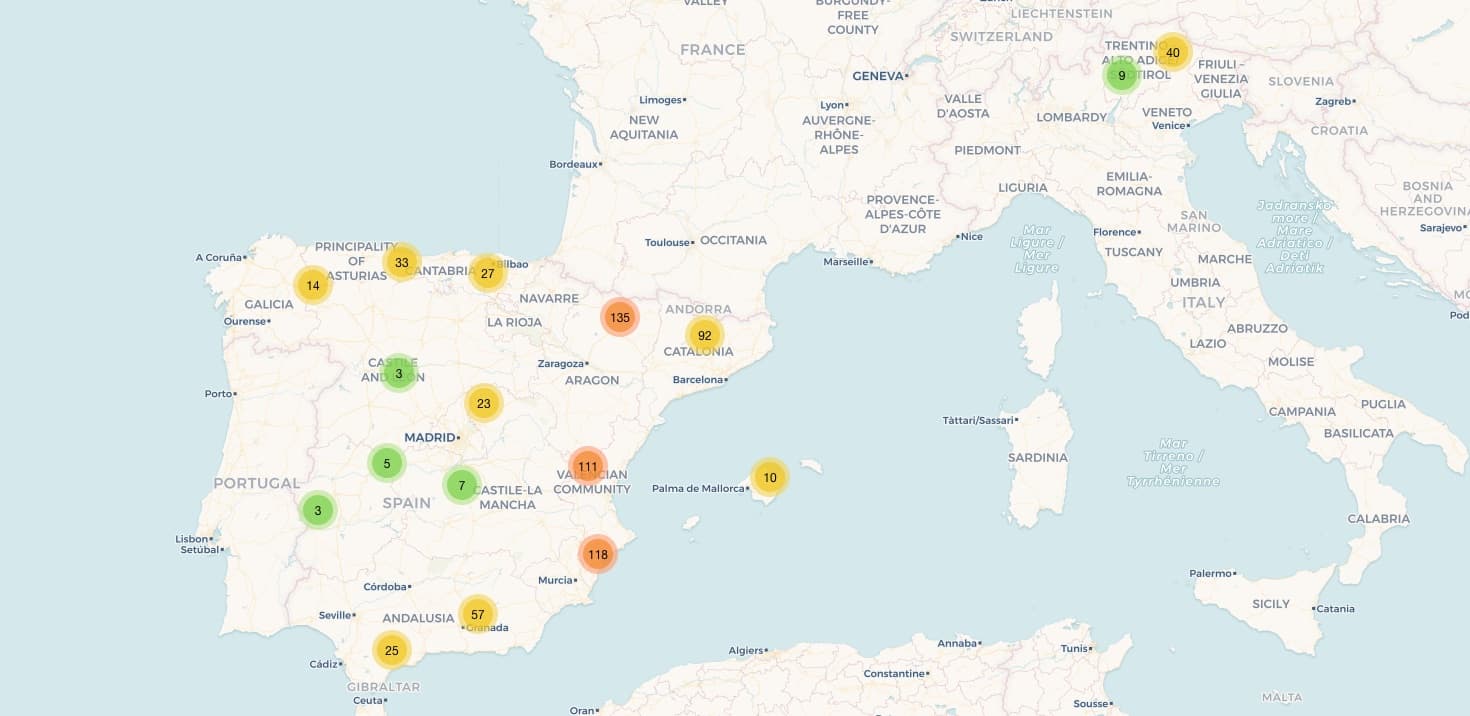
The five steps below work for a two-day trip or a two-week one — the scale changes, the method doesn't. If you'd rather see it already applied, our 2-day Snæfellsnes itinerary and 7-day Catalonia road trip beyond Barcelona both follow this exact pattern. And once you've got your own starred list, start pinning it on our map — no account needed to try it.
1. List your must-sees — and cap it at five
Write down everything you want to do, then star only 3–5 true priorities. The starred ones go on the calendar first; everything else is a backup pool you dip into when you have the time and energy.

2. Group by neighbourhood, not by day
Plot your starred spots on a single map (Google Maps 'Saved' lists work well). Clusters appear on their own — sights that sit together become one day, so you spend time in places instead of in transit.

3. Plan two big things a day — no more
A realistic day holds one major sight in the morning and one in the afternoon, with a meal and a walk between them. Three 'big' things looks efficient on paper and feels like a forced march by 4 p.m.

4. Book time-slot tickets, leave the rest loose
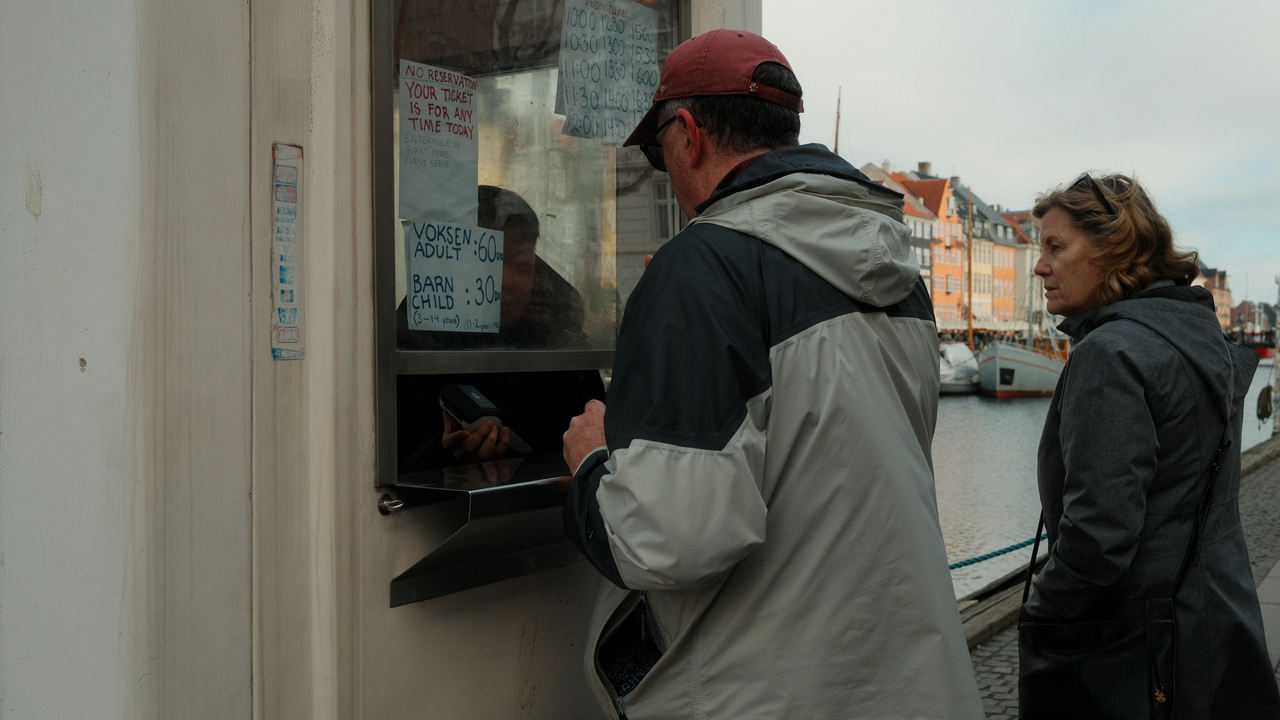
Reserve only what genuinely sells out or has timed entry — popular museums, towers, tastings — and build the day around that slot. Everything else stays flexible; weather, mood and tired feet will rearrange your plans anyway.
5. Leave one empty half-day
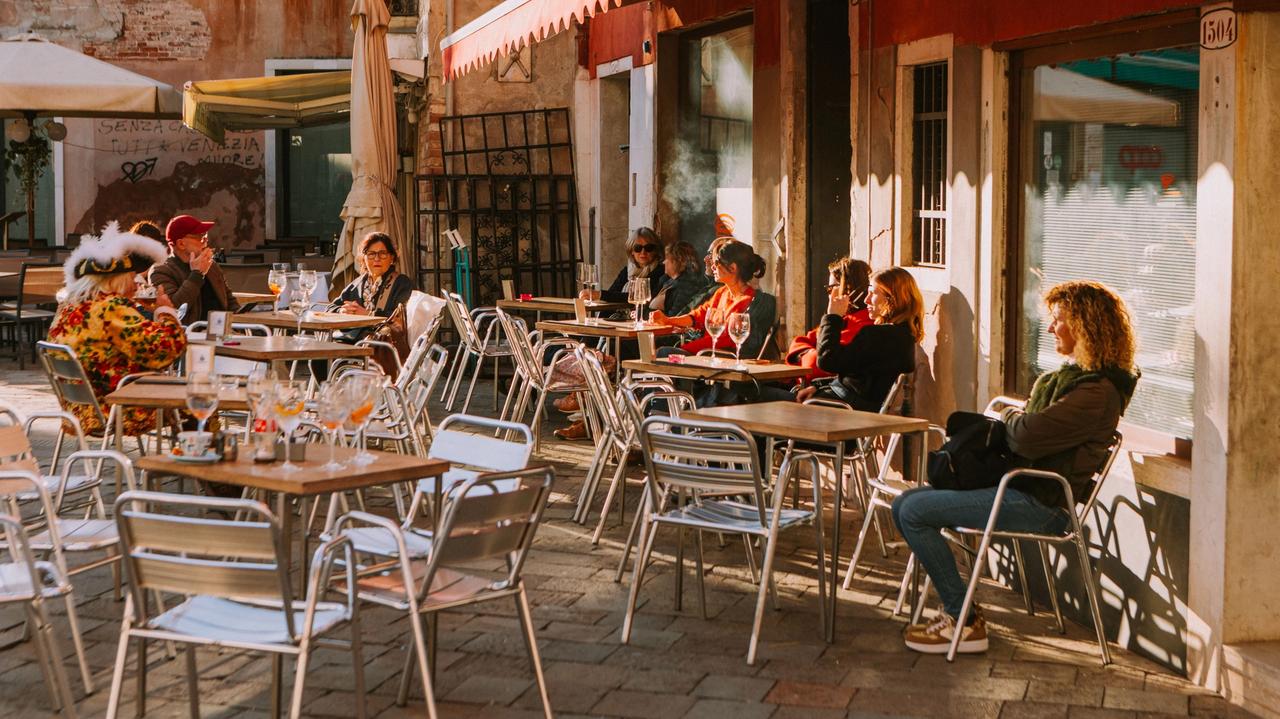
Block at least one afternoon or evening with nothing planned. It's the buffer for the place you stumble on, the lunch that runs long, or simply resting. Skip it, and the first delay — a late train, a closed museum, tired feet — cascades through the rest of the day; leave it empty, and that same delay just gets absorbed.
Five decisions, one plan: cap the must-sees at five, cluster them by area, hold the line at two big things a day, book only what genuinely needs a time slot, and protect one empty half-day. None of it requires trip-planning software — a starred list, a shared map and a calendar cover the whole method. The real test isn't how full the itinerary looks the night before you leave; it's whether it survives a late flight or a closed museum without collapsing. Built this way, it usually does — because the slack is there on purpose, not left to chance.