How to plan a self-drive trip in Iceland
6 min read8 steps
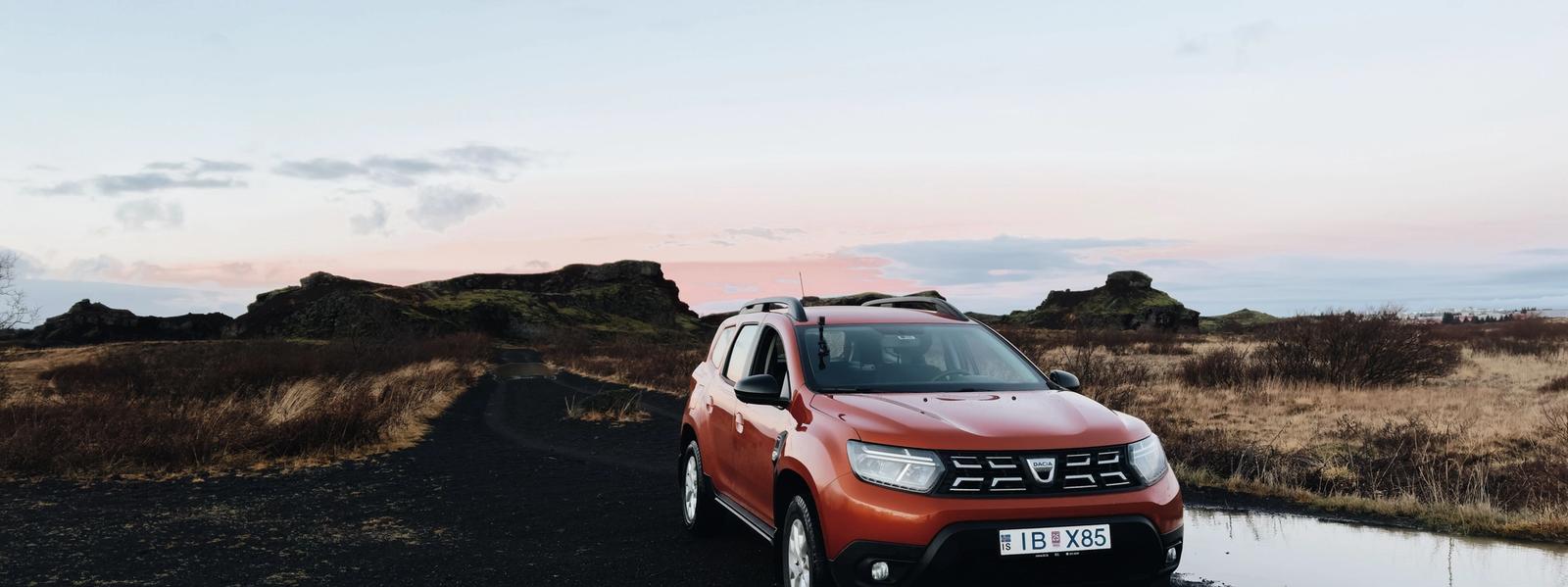
In Iceland the car is the trip — there is almost no public transport once you leave Reykjavik, so a rental is how you reach waterfalls, black-sand beaches and the Highlands. The catch is that a few decisions made before you land — the season, the route, whether you book a 2WD or a 4x4, which insurance you tick — decide whether the trip is smooth or expensive: a 2WD is illegal on the gravel F-roads to the interior, and volcanic-ash and gravel damage isn't covered by the standard waiver. This guide walks the decisions in order, with the numbers and the official tools you'll want open while planning.
Contents
- 1.Pick your season — summer or winter change the whole trip
- 2.Choose a route: full Ring Road, a region, or the Highlands
- 3.Match the car to the route — 2WD vs 4x4
- 4.Understand the insurance — gravel and sand-and-ash aren't automatic
- 5.Sort out fuel — pumps want a PIN card or an app
- 6.Learn the driving rules that actually catch tourists
- 7.Check road.is and vedur.is — and respect the wind
- 8.Book accommodation ahead — especially in summer
Two calls come before all the steps below: which season you're driving in, and which route you're actually doing. Our season-by-season breakdown of when to visit Iceland covers the first; if you're following the classic loop, our 7-day Ring Road itinerary covers the second.
1. Pick your season — summer or winter change the whole trip
Summer (roughly June–August) means near-endless daylight — around 21 hours near the June solstice, and no real darkness — plus open Highland roads, puffins and low storm risk. That's the season for driving the full loop or going into the interior, but it's also the busiest and priciest. Winter (November–March) is northern lights, ice caves, smaller crowds and cheaper hotels, but December and January give you only 4–5 hours of daylight and driving means black ice, sudden storms and roads that can close without notice. If it's your first trip and you want the classic Ring Road, aim for summer.
2. Choose a route: full Ring Road, a region, or the Highlands
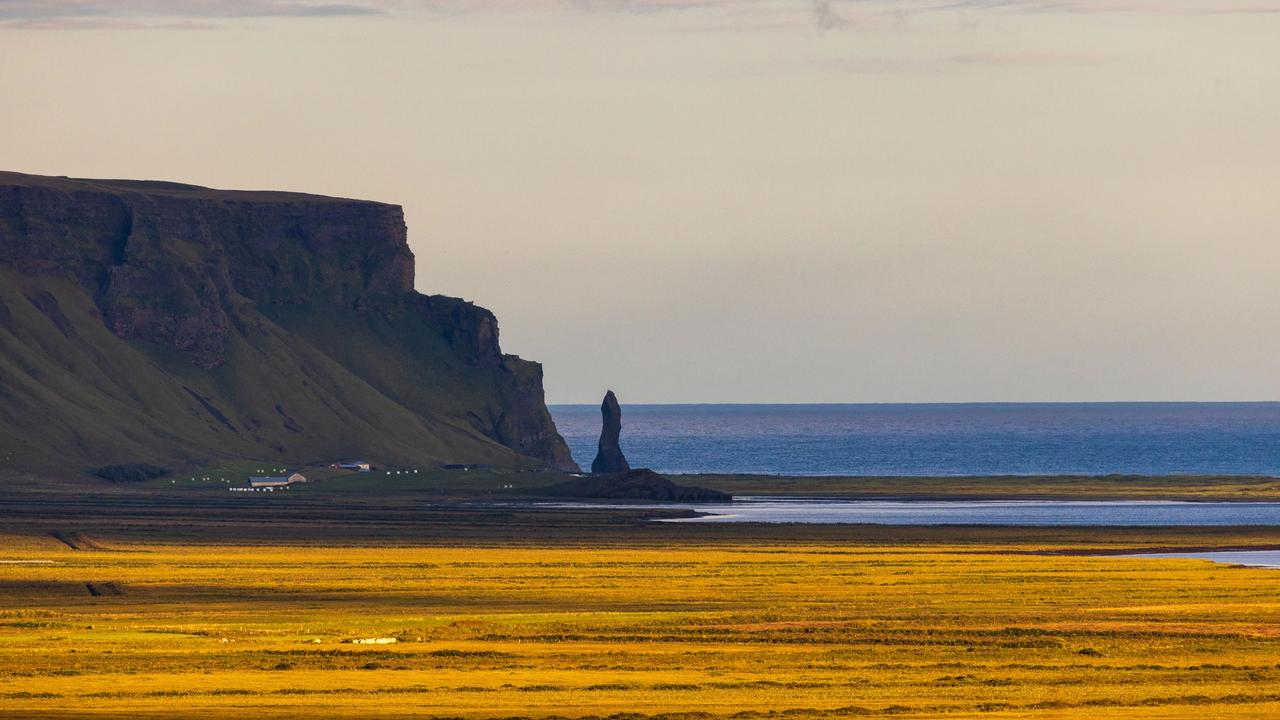
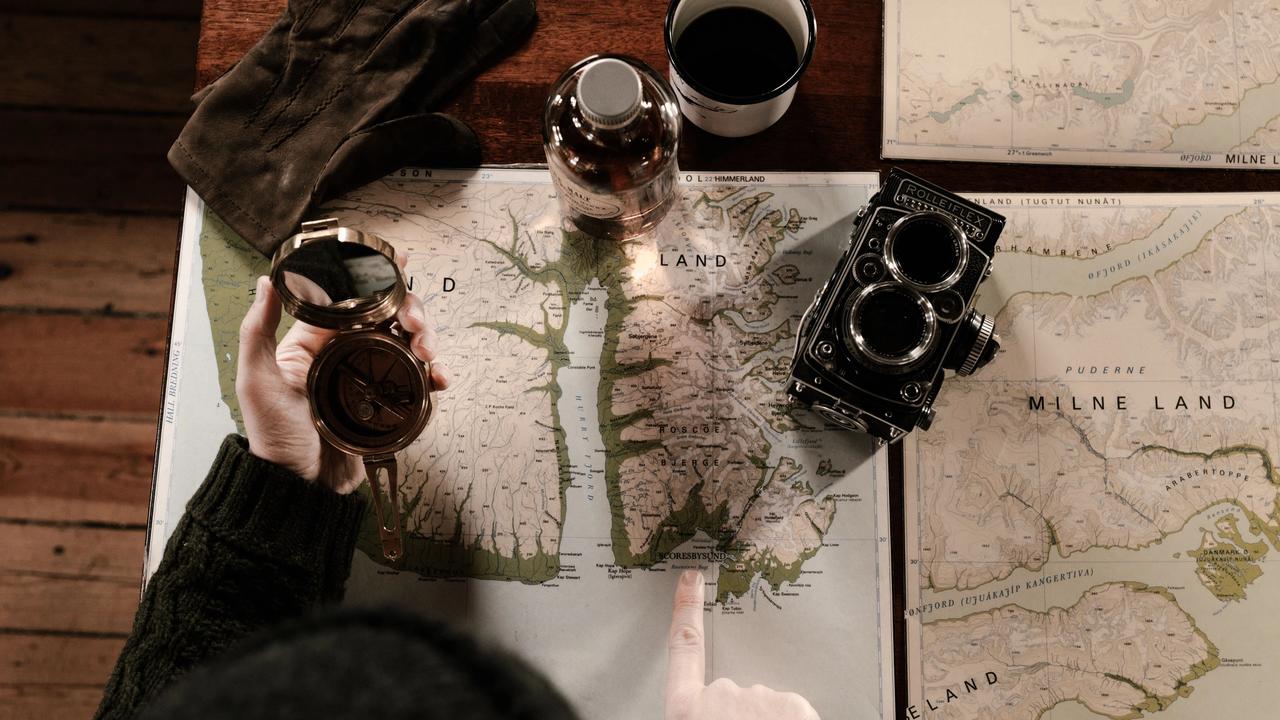
Route 1, the Ring Road, is 1,322 km around the whole island. Non-stop it's about 17–20 hours of driving, but to actually see the sights plan 7–10 days minimum, ideally 10–12. Have fewer days? Base yourself in the south (Golden Circle, waterfalls, glacier lagoon) or the Snæfellsnes peninsula instead of rushing the loop. The Highlands — Landmannalaugar, Þórsmörk, the interior F-roads — are a different trip: 4x4-only, summer-only, and worth building around rather than squeezing in. Decide the shape first, because it drives the car and the number of nights you book.
3. Match the car to the route — 2WD vs 4x4
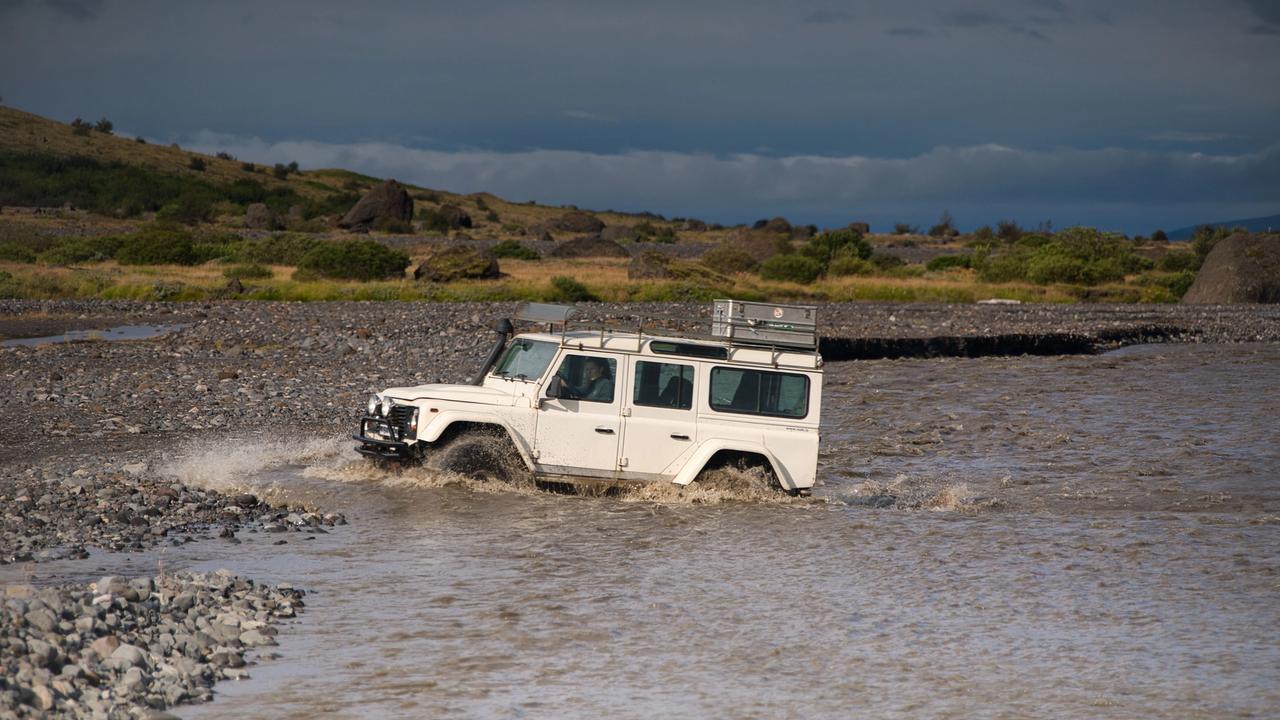
This is the decision that saves or costs the most money. A 2WD car is perfectly fine on the paved Ring Road and the popular south-coast sights in summer, and it's noticeably cheaper to rent and to fuel. But F-roads — the mountain routes marked with an 'F' — legally require a 4x4: 2WD cars are prohibited on them, and driving one there voids your insurance and can bring fines from ISK 50,000. If the Highlands or any F-road is on your list, book a proper 4x4 with real ground clearance. If it isn't, don't over-buy — a 2WD is the smarter choice for a summer Ring Road loop.
4. Understand the insurance — gravel and sand-and-ash aren't automatic
Icelandic rentals usually include a basic collision waiver (CDW/SCDW), but two of the country's most common — and priciest — kinds of damage are extra. Gravel Protection (GP) covers stone chips to the windshield, headlights and paint; a windshield replacement alone can top ISK 200,000. Sand and Ash Protection (SAAP) covers volcanic ash and sandstorm damage, where repairs run ISK 500,000–1,500,000, and it matters most in spring (April–June) and along the south coast's open sand fields. Wind-slammed doors — another classic, ~ISK 350,000 — are usually not covered by anything, so it's on you to hold the door. Add the coverage you want before pickup; you can't add it mid-rental.

5. Sort out fuel — pumps want a PIN card or an app
Most fuel stations outside Reykjavik are self-service, and the pumps ask for a four-digit PIN with your card — a card that only works as contactless or signature will be refused, so confirm with your bank before you fly. N1 pumps place a temporary authorization hold (around ISK 22,000) and then charge only what you pumped. No PIN card? Buy an N1 prepaid card at any staffed station, or use the N1 or Orkan apps; Orkan pumps also take Apple Pay and Google Pay. Fill up before long empty stretches — in the east and the Highlands, stations can be very far apart.

6. Learn the driving rules that actually catch tourists
A few Icelandic rules trip up first-timers. Headlights stay on 24/7, year-round. Off-road driving is flatly illegal — tyre tracks scar the moss for decades, and you will be fined for it, so stay on marked roads and in parking areas. At single-lane bridges (common on the Ring Road), the car nearer the bridge goes first; slow down early. Seatbelts are mandatory for everyone. Speed limits are 50 km/h in towns, 80 on gravel, 90 on paved rural roads — and gravel surprises plenty of drivers who don't slow down. Speed and off-road fines are steep, and the point is your safety and the fragile landscape both.
7. Check road.is and vedur.is — and respect the wind
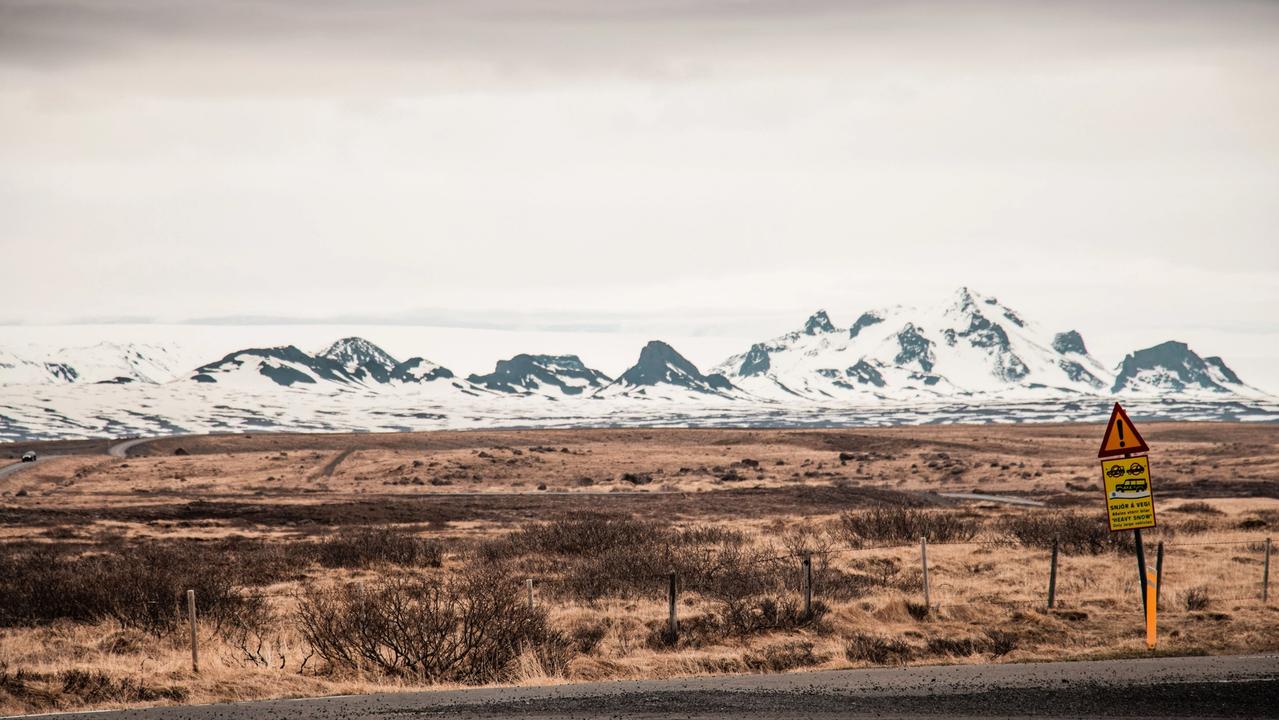
Two official sites belong on your phone every morning: road.is (Vegagerðin) for live road conditions and closures, and vedur.is (the Met Office) for weather and wind warnings; safetravel.is is the go-to for alerts and leaving a travel plan. Wind is the real hazard here — gusts of 80–120 km/h can shove a car sideways or tear a door off, and door damage is one of the most common uninsured claims. Park nose-into-the-wind and grip the door with both hands when you open it. If vedur.is shows an orange or red warning, or winds above ~20 m/s, don't drive — local drivers stay home too.
8. Book accommodation ahead — especially in summer
Iceland is small and its summer season is short, so guesthouses and rooms along the popular Ring Road stretches fill up months out, and summer prices can run 40–60% above winter. Book each night before you go rather than winging it, and shape the route around where you can actually sleep — outside Reykjavik, towns are far apart and options thin out fast, especially in the east and Westfjords. Winter is quieter and cheaper (except the December 20–January 5 holiday spike), but shorter days mean planning shorter driving legs between stops.
Get the season and the car right and the rest of an Iceland road trip is mostly enjoying it. Book the 4x4 only if the Highlands or F-roads are actually on your list; otherwise a 2WD saves real money on the Ring Road. Add gravel and sand-and-ash protection before pickup, keep road.is and vedur.is bookmarked, and never drive off-road or out of a red wind warning. Everything else is stopping for one more waterfall.
Things to do in Iceland
Paid links: booking through them supports YowJourney.