Tenerife in winter: weather, the sea and what to do
9 min read10 destinations
Canary Islands · Spain
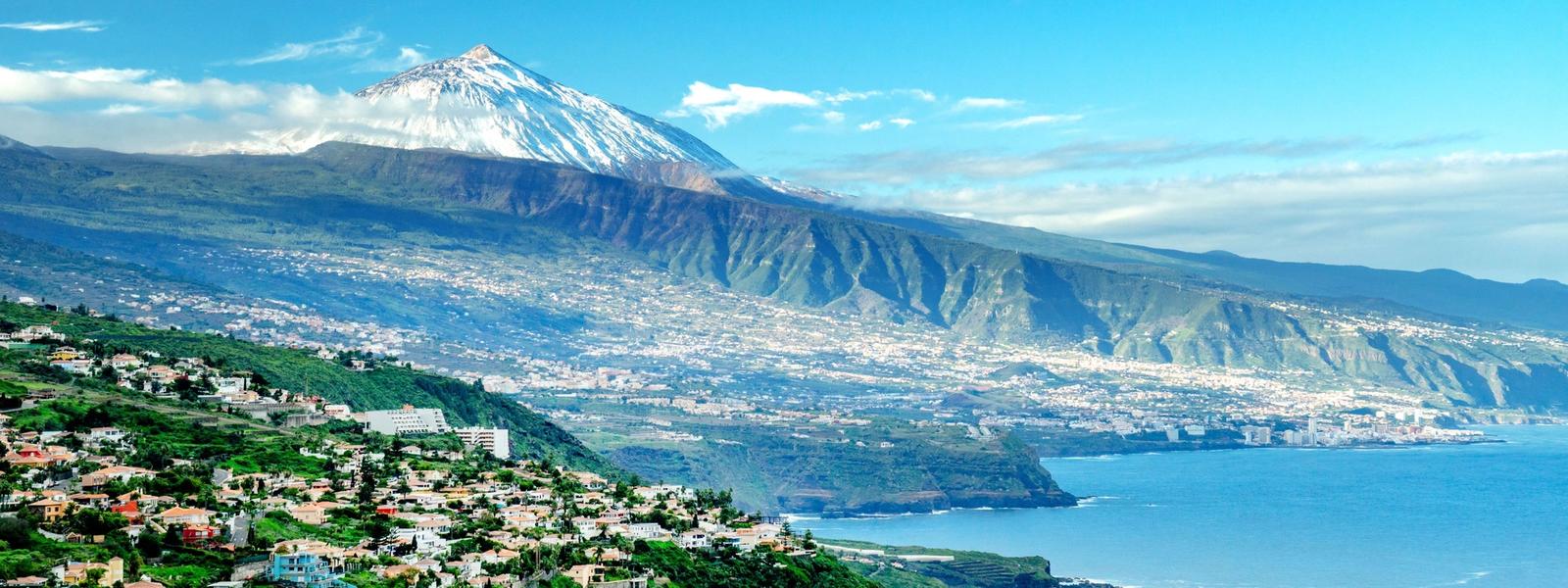
Tenerife is worth a winter trip if you want mild days by the sea: on the south coast, January afternoons average about 22 °C. The island has more than one winter, though. The north is cooler and wetter and Teide gets snow, so the coast you stay on decides which winter you get.
In short
- Air: on the south coast, about 22 °C in the afternoon and 15–16 °C at night. At Tenerife North airport, 632 m up near La Laguna, it is 16–17 °C by day and 10–11 °C at night.
- Sea: around 19–20 °C.
- Rain: fewer than four rainy days a month in the south, seven to nine at the northern airport.
- High up: at a weather station 2,369 m up the mountain, days average 7–9 °C, nights average just above freezing, and it snows on a couple of days a month.
- What closes: the paths at the top of the cable car after snow or ice, and the north coast's natural pools when the swell is up.
- Best for: beach days in the south, lava and coastal walks in dry weather, a museum when cloud sits on the north.
Weather: south and north on the same day
Teide stands between the two coasts, and the weather differs on either side of it. The north is greener and wetter, the south drier and warmer. In January, Tenerife South airport averages 17 mm of rain over fewer than two rainy days; Tenerife North airport gets 80 mm over almost eight. On the north coast, sun, cloud and rain can follow one another within a few hours.
Much of the north's chill comes from altitude: the northern airport sits at 632 m. Santa Cruz, at sea level on the north-east coast, averages 21 °C on January afternoons, almost as warm as the south. December is the wettest month of the year at both airports and in Santa Cruz; January and February are drier.
The sea: where to swim in winter
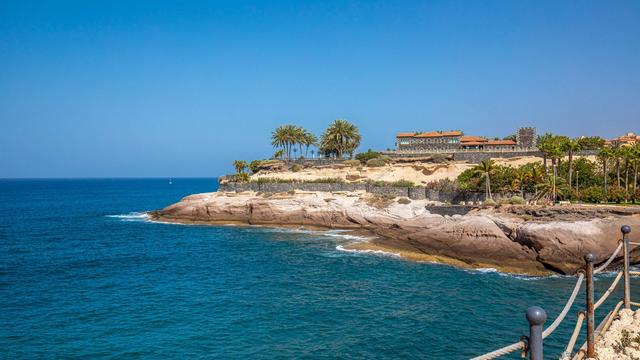
For a swim in winter, pick your coast. The north coast takes the Atlantic swell head-on, and its natural pools close to bathers when the sea runs high (more in our guide to Tenerife's natural pools). On the south coast the sea is usually gentler.
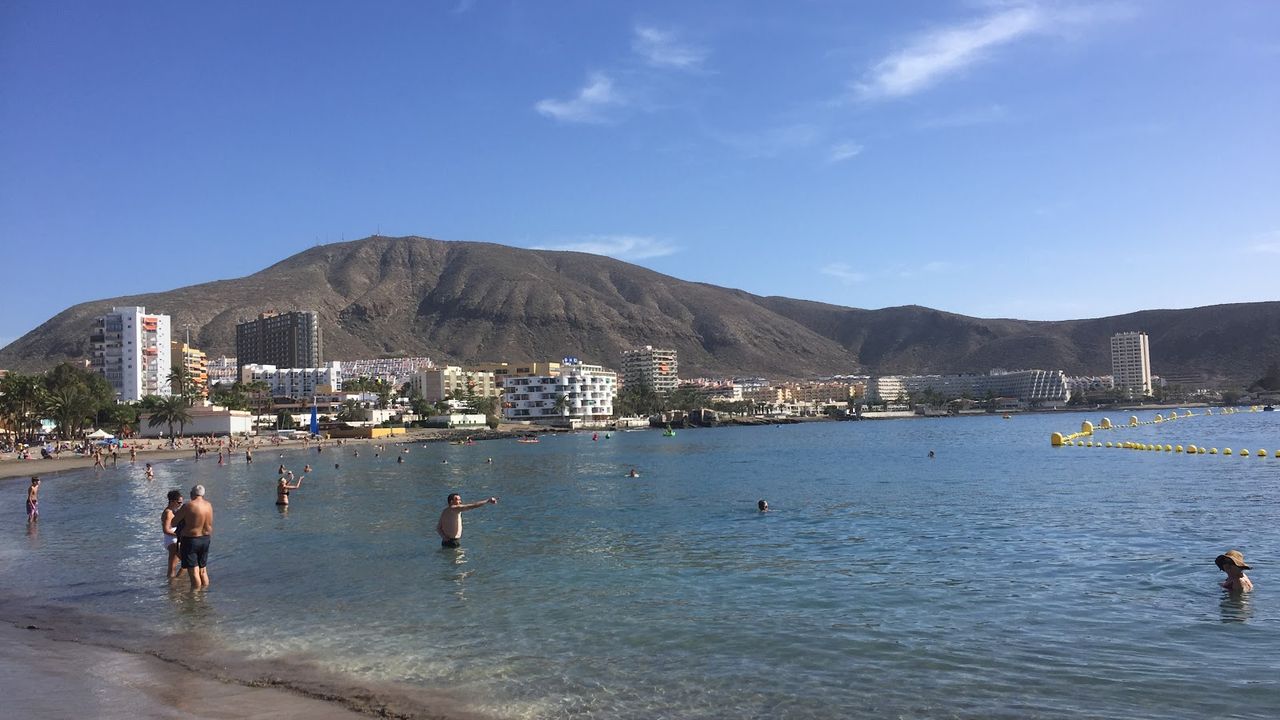
Los Cristianos Beach
Golden sand and clear, gentle water in the resort town of Los Cristianos, right beside the harbour where the inter-island ferries come and go. Winter is the best time for this beach, but it is also when the town fills with northern Europeans chasing the sun: come early, before the sunbeds go. The catch is the wind, which whips sand across the beach; bring something to cover up with.
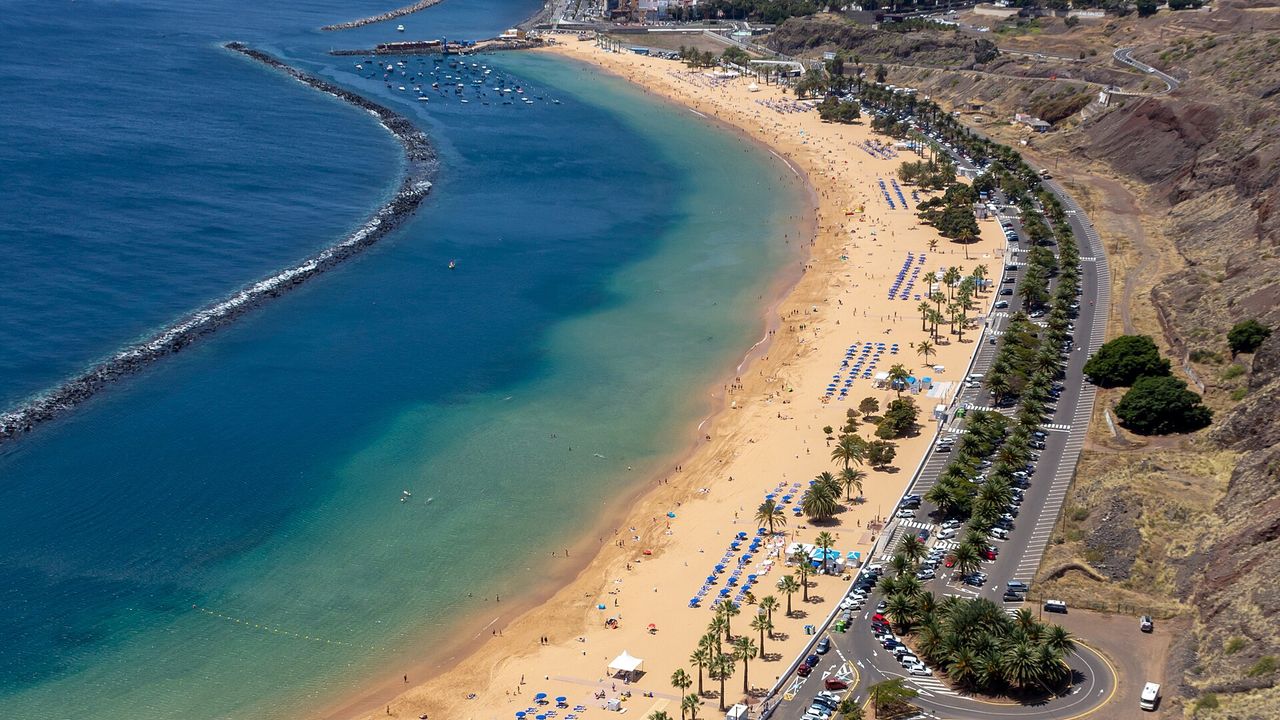
Las Teresitas Beach
The sand was shipped in from the Sahara in 1973, which is why it is pale gold on an island where most beaches are black. A kilometre-long breakwater 150 m offshore keeps the water as still as a pool, and it stays shallow a long way out. The beach is 15 minutes by bus from Santa Cruz. Come on a weekday; at weekends it fills up with locals.
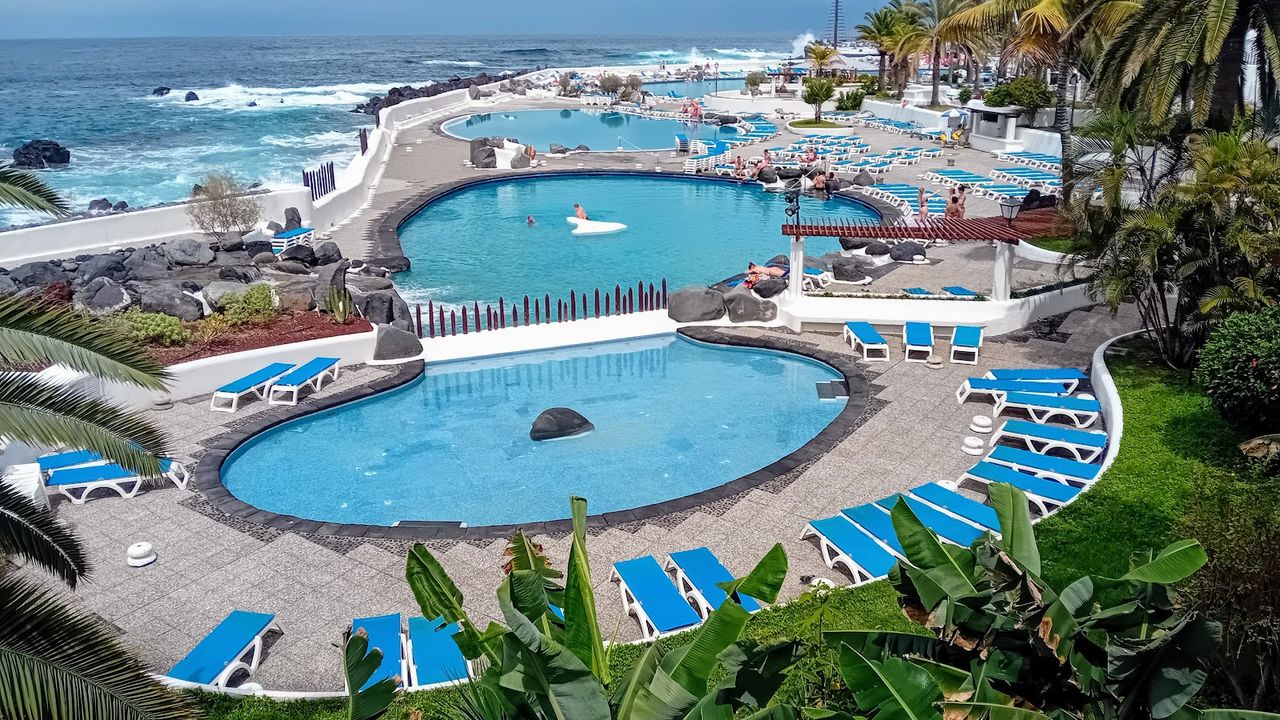
Lago Martianez Seawater Pools
César Manrique's seawater lido on the seafront of Puerto de la Cruz: pools and a 15,000 m² lake with islands of black lava, footbridges and grottoes. When the swell makes the sea on this coast too rough, you can still swim in seawater here, just without the waves. It is all open air, so pick a sunny day; on a grey morning the water cools you fast. There's an entry fee, and it includes a lounger.
Things to do in Tenerife
Paid links: booking through them supports YowJourney.
What to do in winter
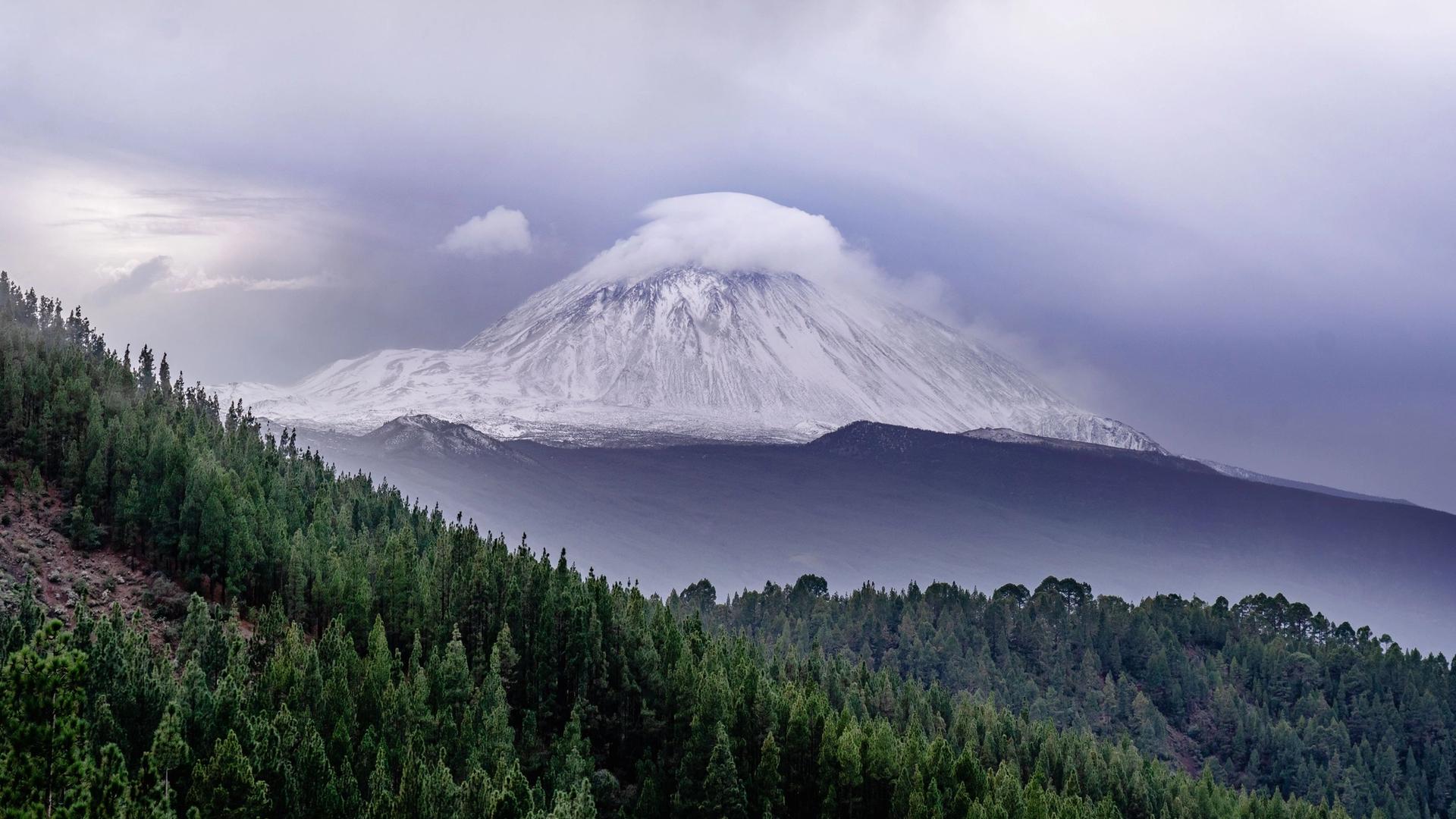
Winter is the season to walk the shadeless coastal lava of Malpaís de Güímar, which the midday summer sun turns into an endurance test. It is also when Teide has snow on its summit. When cloud covers the north, head to the museum in Santa Cruz.
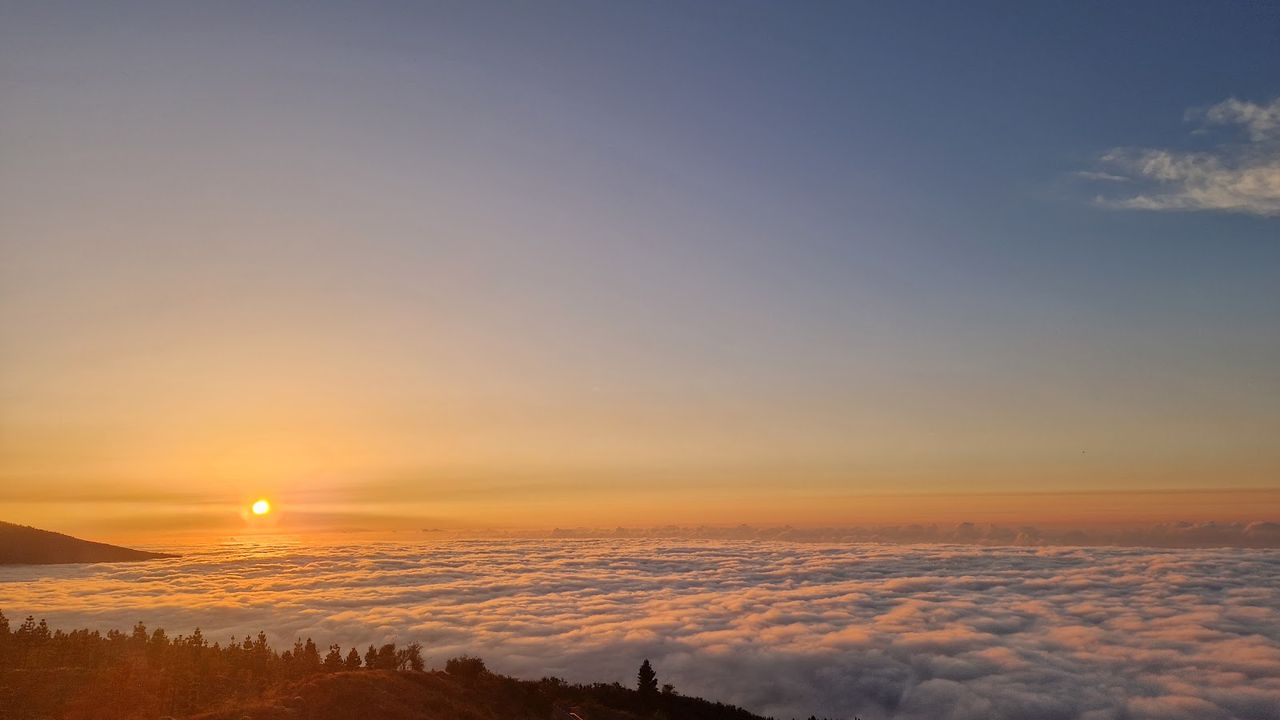
La Bermeja Viewpoint
A roadside lookout in the pine forest above La Orotava. On a clear evening you look down on a sea of cloud covering the lower slopes, and beyond it rises Teide, its summit often snow-capped in winter. Come for sunset and bring a warm layer, because once the sun goes down it gets cold fast. If the cloud rises to the viewpoint, you stand inside it and see nothing. There are no toilets and no water.
Malpais de Guimar Nature Reserve
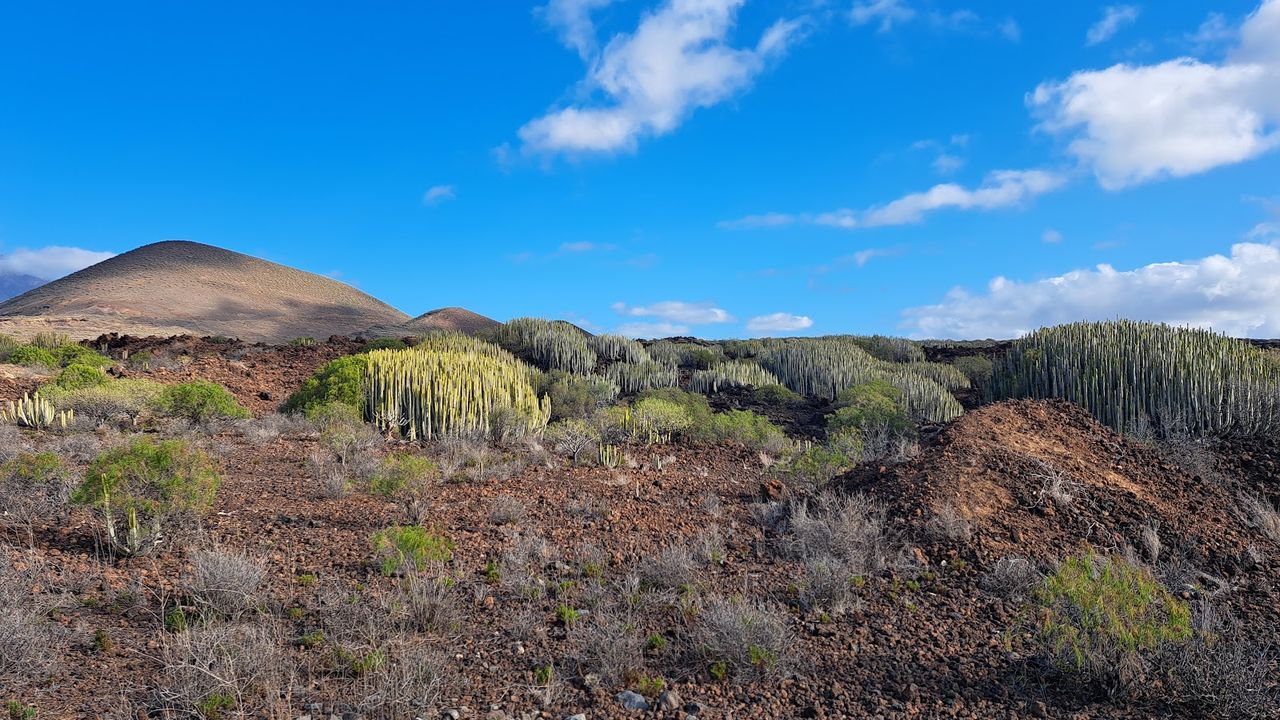
Black lava runs from the foot of the Montaña Grande cone straight into the Atlantic on the east coast, by Güímar. The circuit along the shore and around the cone is 7–8 km, two and a half to three hours over sharp stones. There is no shade anywhere, so the season here runs from autumn to spring, and the time to go is early morning. Bring all the water you need: there are no taps, and no toilets either.
Museum of Nature and Archaeology
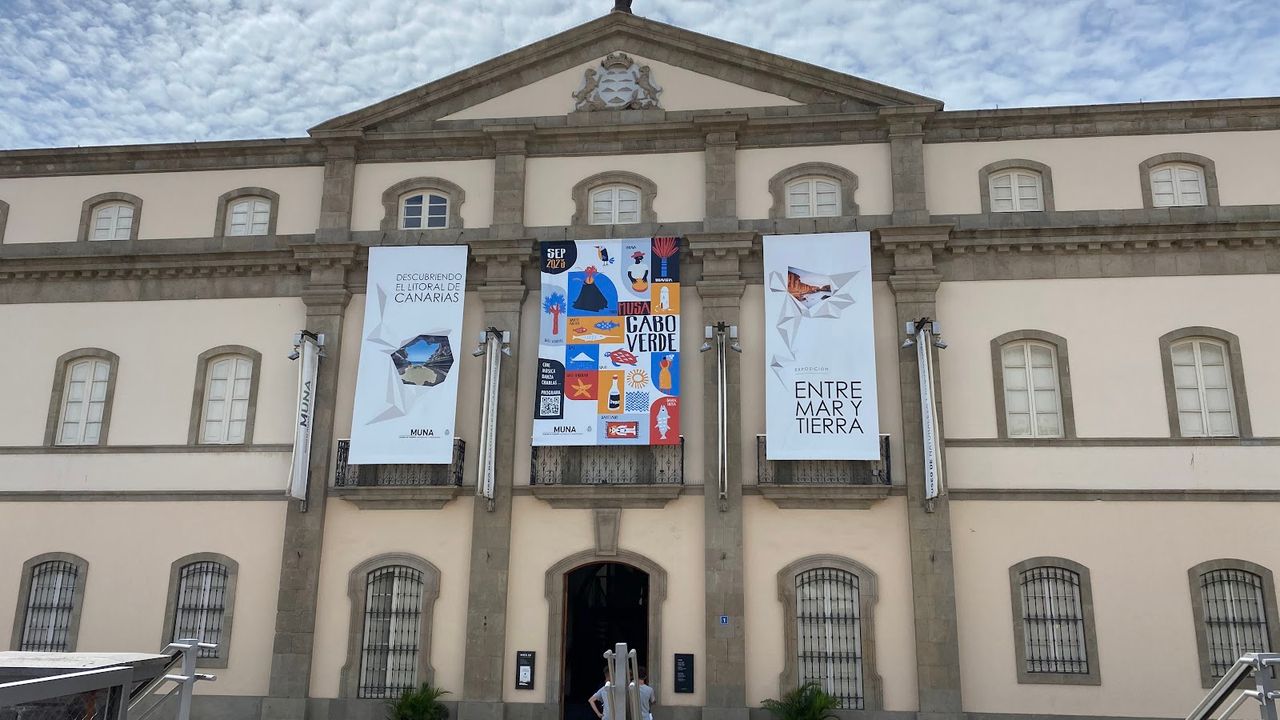
Save the museum in Santa Cruz (MUNA) for a rainy day. It holds the Guanche mummies (the preserved bodies of Tenerife's first inhabitants) and fossils of the islands' extinct giant lizards, rats and tortoises. The labels are in Spanish, but a QR code opens a multilingual audio guide on your phone, so bring headphones.
What winter closes or makes harder
Winter closures come from two directions: ice up high and swell on the coast. When snow or ice reaches the roads, the island government closes the routes into Teide National Park until they are cleared.
Teide Cable Car
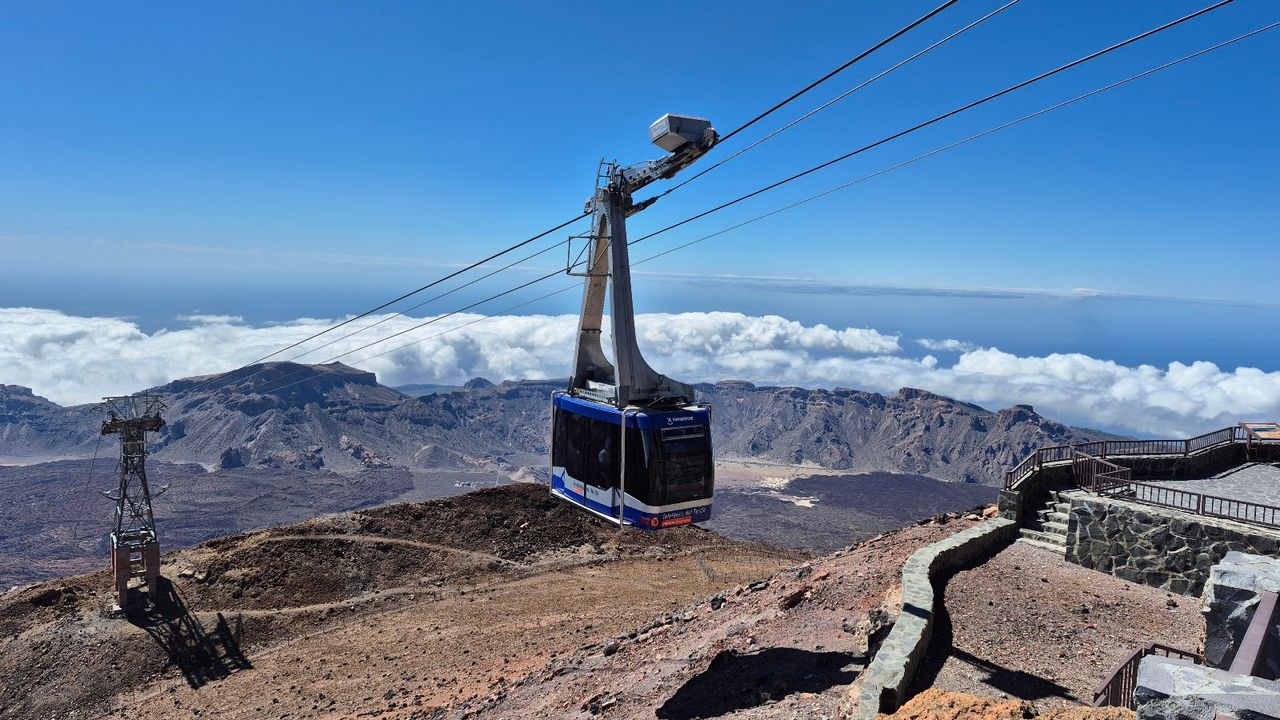
The cabin climbs about 1,200 m in eight minutes, from 2,356 m to the upper station at 3,555 m, 160 m below the summit of Teide. In winter, ice can close the paths at the top and leave you only the area around the platform. Snowfall closes them too, and cancels any permit you hold for the summit trail (see Teide Viewpoint). Whatever the coast is doing, it is cold and windy up there.
El Caletón Natural Pools
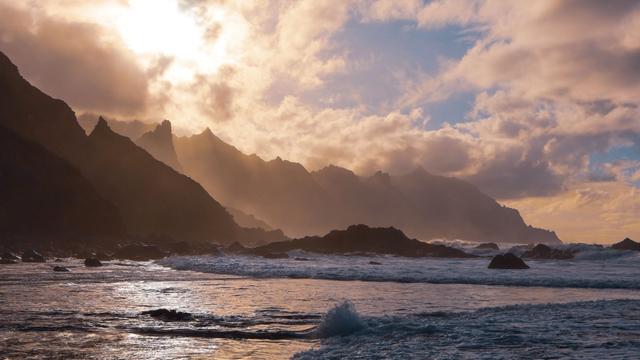
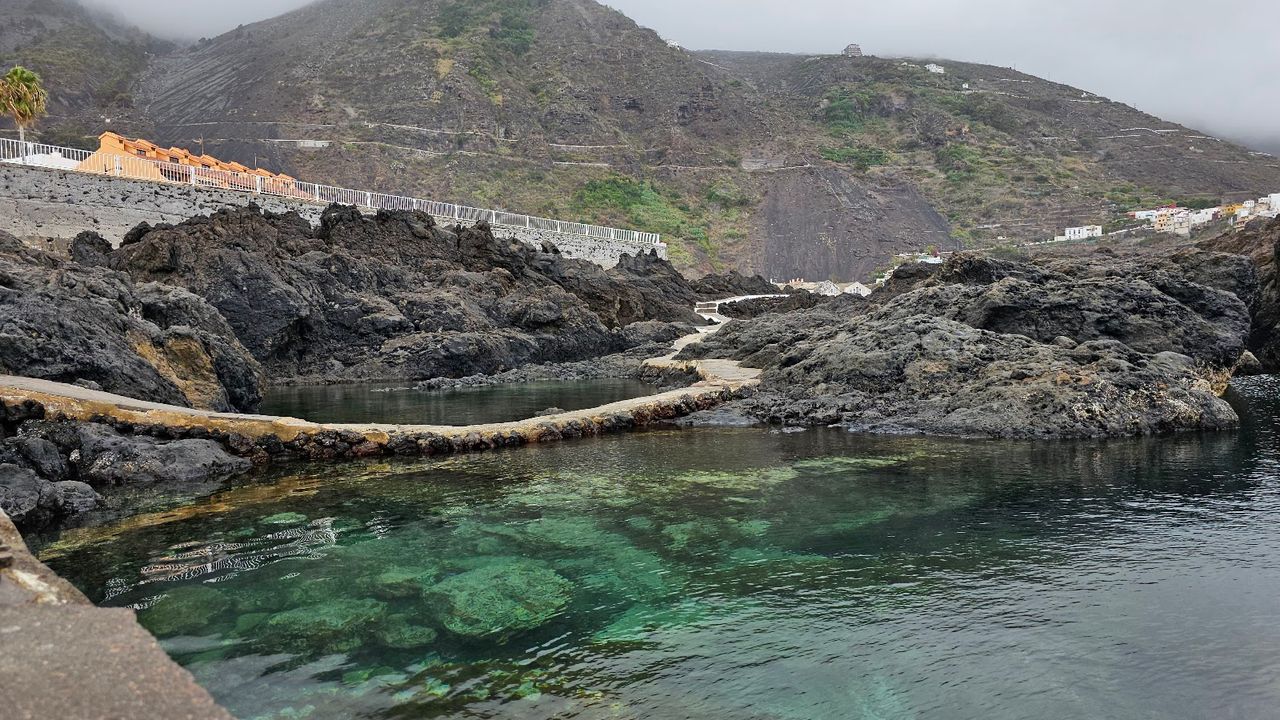
These pools on the Garachico seafront formed where lava from the 1706 eruption froze as it met the sea. On a calm day you swim in still seawater while the swell breaks on the outer rock. This shore faces north-west and takes the winter swell hardest, and the pools close to swimmers whenever the waves run high. Even then it's worth stopping: waves pour over the black rock and drain back through the channels. Rough seas also close Jóver natural pool near Tejina.
Pico Viejo
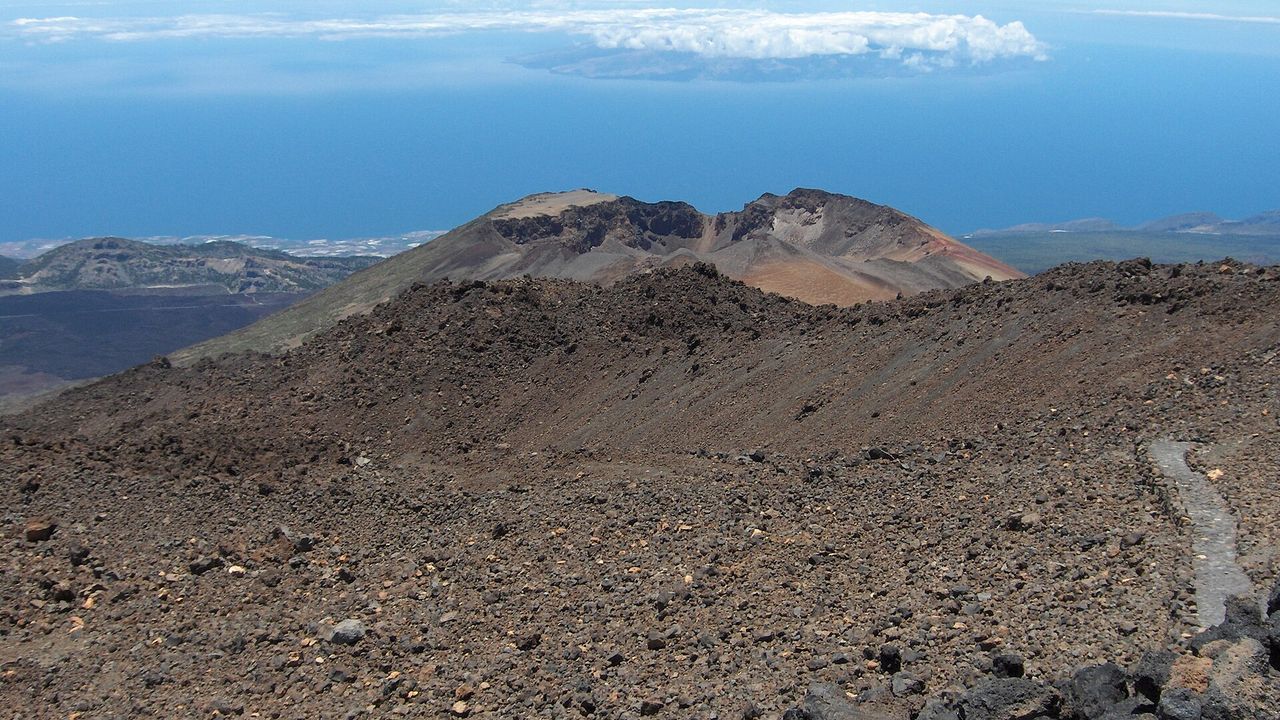
The second-highest peak in the Canary Islands, about 3,130 m, with a crater 720 m across right beside Teide's cone. The round trip takes four to five hours on open ground, and in winter there is ice on the trail near the top. Leave it for another season.
February festivals
On 1 February a torchlight procession circles the basilica in Candelaria, on the east coast about 20 km south of Santa Cruz, and on the 2nd the Bishop of Tenerife leads mass and a procession. This is Candlemas, one of the two great feasts of the Virgin of Candelaria, patron of the Canary Islands; the other is in mid-August. Carnival in Santa Cruz de Tenerife also falls in winter. As of October 2026, the 2027 programme puts the opening gala on 22 January and the street carnival on 19–28 February, two weeks later than usual.
Basilica of Our Lady of Candelaria
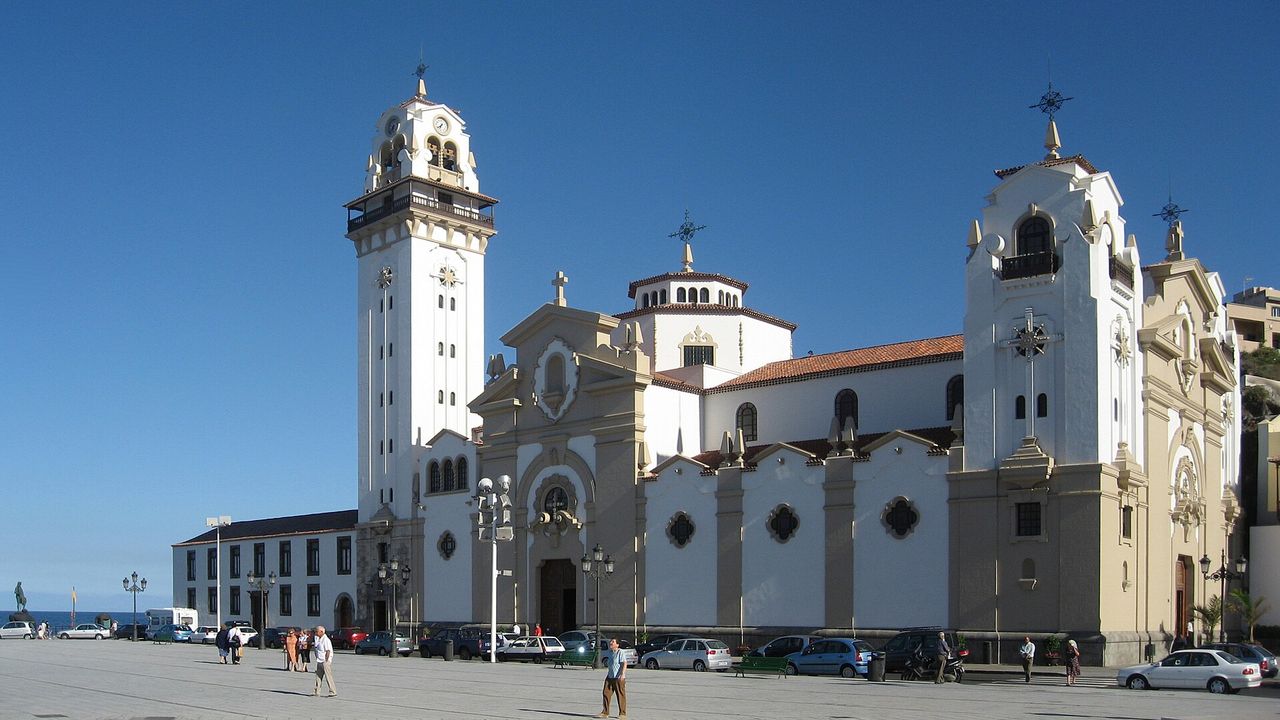
The main pilgrimage church of the Canary Islands faces Candelaria's seafront square, where bronze statues of the Guanche kings line the seaward side. Inside stands a black Madonna. The story goes that Guanche herders found her on a nearby beach in 1390. The Camarín, the room behind the altar where you can get close to the statue, opens after mass, so time your arrival for the end of a service. The basilica is closed on Monday mornings.
What to pack
- A warm jacket and layers for Teide and the viewpoints above the cloud.
- A rain layer if you are staying in the north or walking there.
- Shoes with grip for lava and wet paths, and water shoes for the natural pools.
- A hat and sun cream, since there is no shade on the lava or around the pools.
If you are coming for a week on the beach, stay in the south, where winter is warmest and driest. Choose the north if old towns and greenery matter more to you than the beach, and pack a rain layer. Save Teide for a clear, calm day, and check the roads and the weather at the top before you drive up. If you are still choosing an island, see The Canary Islands in winter. Air temperatures and rainfall here are averages from AEMET, the Spanish weather service, for 1981–2010; the sea temperature is a seasonal estimate.
FAQ
Can you swim in the sea on Tenerife in winter?
Yes, the water is around 19–20 °C. The south coast is the safer bet; in the north, check the sea first, because the natural pools close on rough days. In Puerto de la Cruz, Lago Martiánez has seawater pools without the waves.Is the north or the south warmer in winter?
The south: it stays warmer and drier all winter, while the north gets more cloud and rain. The north is greener, though, and has the old towns of La Laguna and La Orotava; our guide to [north or south Tenerife](/articles/tenerife-north-or-south) compares the two sides.Is there calima in winter?
Sometimes. Calima, a haze of Saharan dust, can reach the Canary Islands in winter: visibility drops and fine dust settles on everything. If a clear view of Teide matters to you, check the forecast. Our guide to the [best time to visit Tenerife](/articles/best-time-to-visit-tenerife) covers when calima is most likely.Is Tenerife good for children in winter?
Yes, if you choose calm water. At Las Teresitas a breakwater keeps the sea still, and it stays shallow a long way out; Lago Martiánez has a pool and areas just for children. At the museum in Santa Cruz, the funerary gallery displays real human remains, which is worth knowing if you have younger children with you.