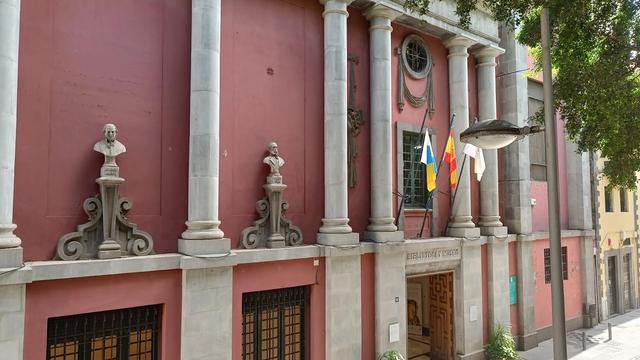
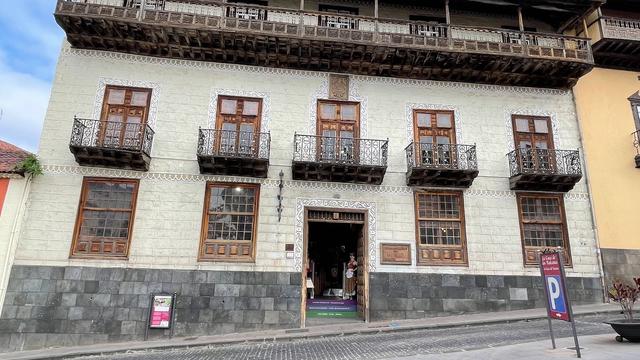
The Museum of Nature and Archaeology, known as MUNA, occupies the former Civil Hospital in the centre of Santa Cruz de Tenerife, a neoclassical building. Its archaeological section was founded in 1958, with Luis Diego Cuscoy as its first director. The museum holds the largest collection on Guanche culture, including mummies of the island's aboriginal inhabitants, alongside palaeontological, botanical, entomological and vertebrate collections. Until 2018 it was called the Museum of Nature and Man.
Museum of Nature and Archaeology
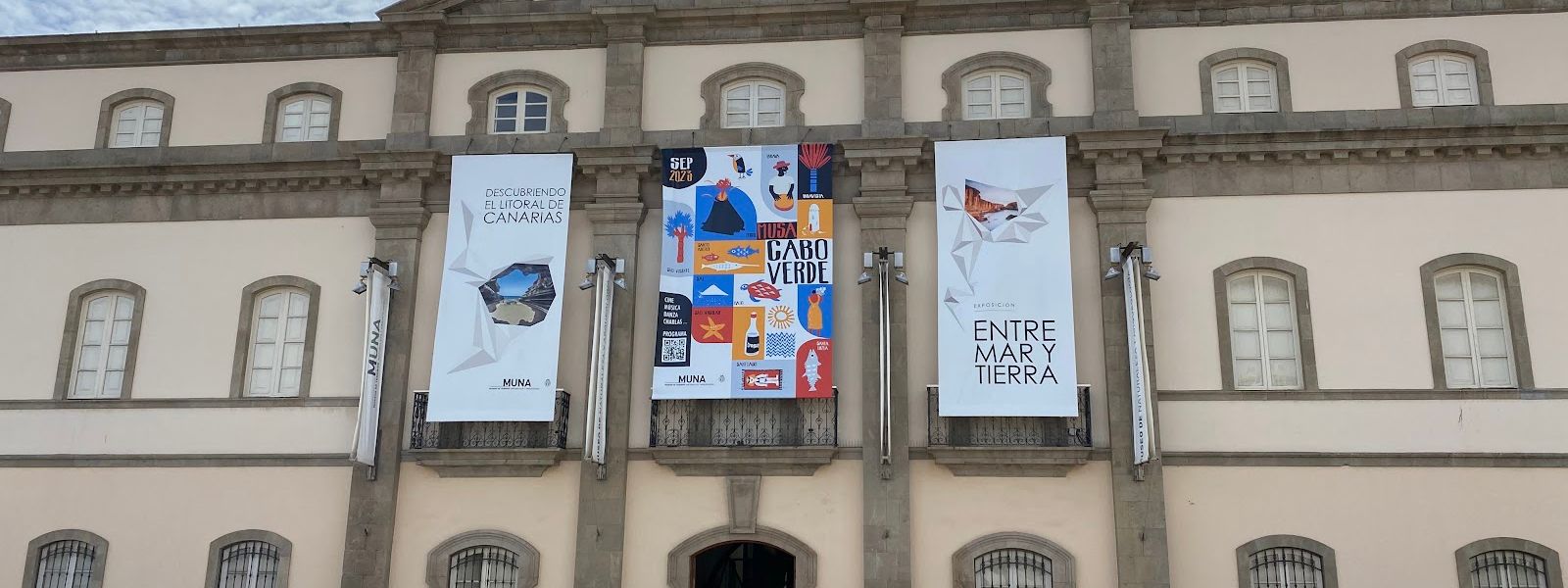
Natural history and archaeology museum in a neoclassical former hospital, home to Tenerife's Guanche mummies.
- Entrance
- Paid entry, with a reduced rate for visitors over 65. Cards accepted.
- Accessibility
- Wheelchair-accessible entrance, toilets and parking.
- Parking
- Paid car park about 200 m away in a straight line; another car park about 160 m away. Wheelchair-accessible parking available.
- Difficulty
- None: a city-centre museum with a public transport stop about 30 m away.
- Transport
- Fuente Morales stop, about 30 m away; La Concepción stop, about 75 m away.
- Advance booking
- Tickets can be reserved in advance.
- Hours
- Monday to Saturday 9:00–19:00; Sunday 10:00–17:00.
- Address
- C. Fuente Morales, s/n, 38003 Santa Cruz de Tenerife, Spain
What makes it special
The Guanche mummies are what people come for: the bodies of Tenerife's first inhabitants, shown in a gallery on aboriginal funeral ritual together with objects from the royal tombs of the menceyes. The Mummy of San Andrés is among the best preserved.
On the second and third floors the archaeology runs island by island: how the Guanches lived, what they ate, which diseases they had and how they treated them. The Zanata Stone (Piedra Zanata) carries a Berber-Punic inscription, and thirteen Egyptian ceramics dated to 5,700 years ago include the oldest piece of that civilisation in any Spanish museum.
The natural history half holds animals the islands have lost: fossils of the giant lizard Gallotia goliath, the Tenerife giant rat and the Tenerife giant tortoise, beside a megalodon tooth, trilobites and cases of butterflies and beetles.
Good to know
- Written labels are in Spanish. A QR code opens an audio guide in several languages on your own phone, so bring headphones and a charged battery.
- The funerary gallery displays mummified and skeletal human remains; worth deciding beforehand how younger children will take it.
- The archaeology fills the second and third floors, island by island, and the natural history and geology come on top of that. Leave time for both.
- Toilets are inside and wheelchair accessible, and cards are accepted.
Getting there
The museum stands in downtown Santa Cruz, in the neoclassical block of the former Civil Hospital. Public transport drops you practically at the door: the Fuente Morales stop is about 30 m away and La Concepción about 75 m. Drivers leave the car in a paid car park about 200 m away in a straight line, or in another about 160 m away, and walk the rest through the town-centre streets.
Best time to visit
Best: a weekday, or a day when cloud sits low over the island and the beaches lose their pull.
Avoid: turning up late on a Sunday.
Sunday opening is shorter than the rest of the week, and with the archaeology spread over two floors, island by island, plus the natural history, a hurried visit skips whole sections.
Sun & daylight
Nearby Places
Similar Places
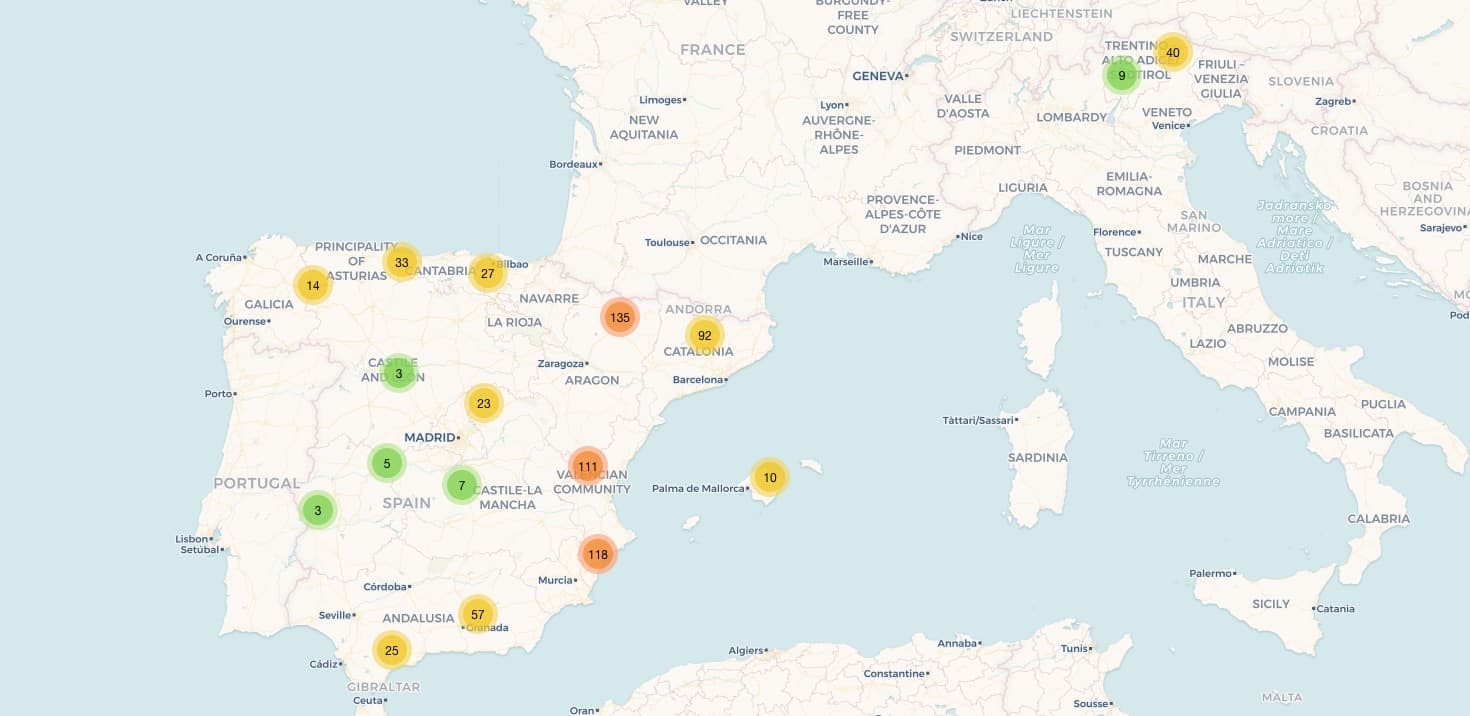
Your whole travel map in one place
Get inspired by new places around the world and find the ones worth the journey
Frequently asked questions
Are the displays in English?
The written labels are in Spanish. A QR code gives access to an audio guide in several languages, played on your own phone.Is the museum good for children?
Yes. The mummies, the fossils of giant island animals and the cases of butterflies and beetles hold children's attention. The funerary gallery shows real human remains, which is worth knowing with younger ones.Can wheelchair users visit?
The entrance and the toilets are wheelchair accessible, and there is wheelchair-accessible parking.What is the Zanata Stone?
A rock carved with a Berber-Punic inscription, one of the key pieces in the archaeology collection alongside the Guanche mummies and pottery.Is this the same as the Museum of Nature and Man?
Yes. The museum changed its name to the Museum of Nature and Archaeology in November 2018, dropping the word "Man", and is still widely known by the old name.