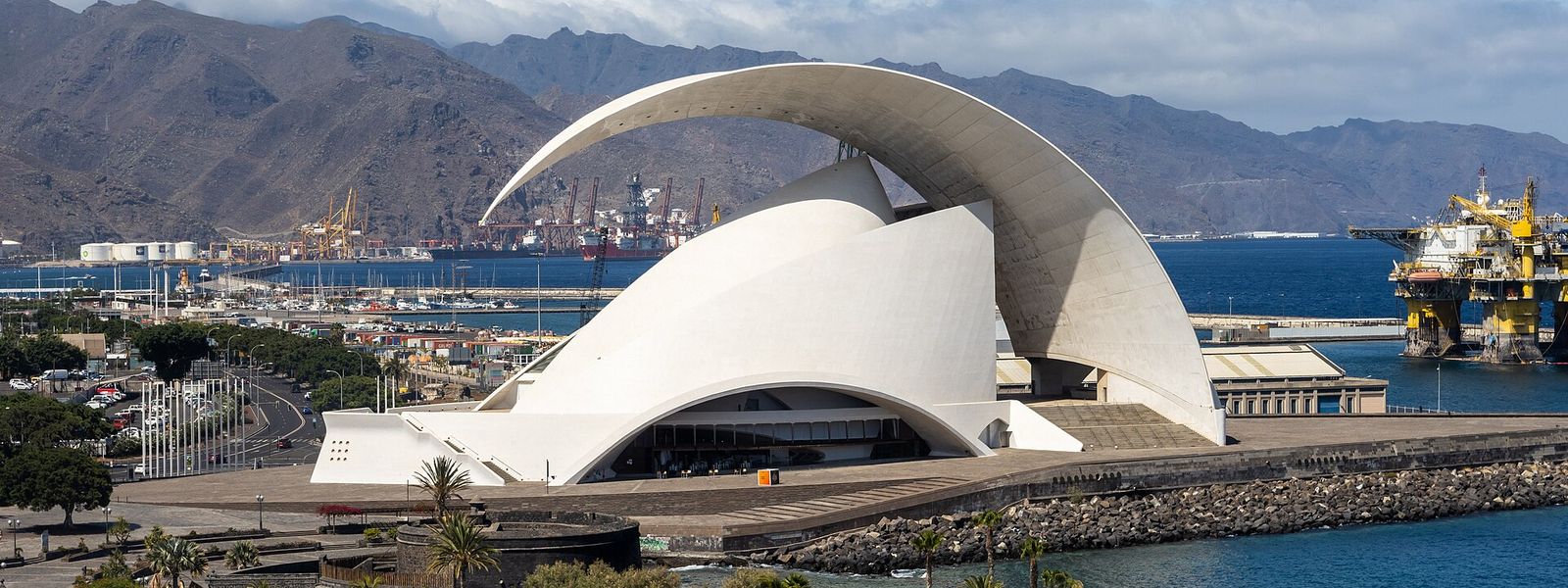
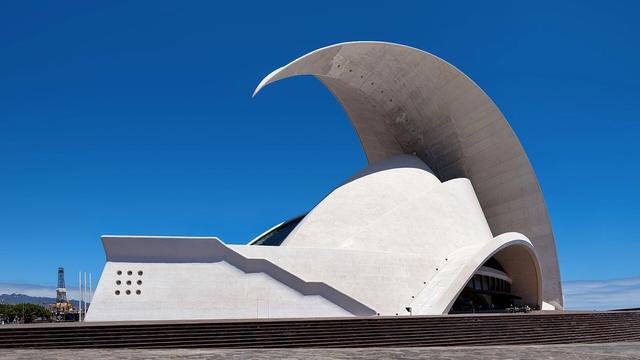
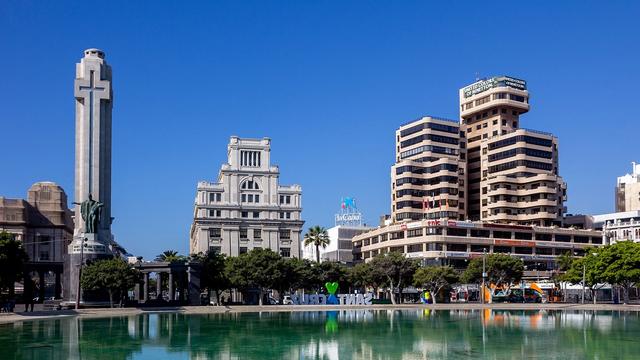
Santa Cruz de Tenerife is the island's working capital: a busy Atlantic port where cruise ships and inter-island ferries tie up beside Santiago Calatrava's white Auditorio de Tenerife. Travellers come for the city itself, with Plaza de España, the outdoor sculptures of Parque García Sanabria and the Guanche mummies in the Museo de la Naturaleza y el Hombre. They also come for the February Carnival, one of the largest in the world, and for the Anaga Massif and Playa de Las Teresitas, both inside the municipal boundary.
Santa Cruz de Tenerife
- Currency
- Euro (EUR, €). ATM withdrawals often incur charges of €1–8; bringing some cash (€50–100) can help avoid fees. Credit and debit cards are widely accepted in cities and tourist areas. Bizum (a Spanish payment app) is popular with locals and some businesses but requires a Spanish bank account. The islands are outside the EU's standard VAT area.
- Language
- Spanish (specifically Canarian Spanish dialect) is the native language. English is widely spoken in hotels, restaurants and tourist attractions, but understanding outside these areas is very limited. In smaller towns and rural areas, English proficiency is minimal. Hotel and restaurant staff generally know basic English.
- Power plug
- Europlug (Type C) and Schuko (Type F) sockets; 230 V, 50 Hz
- Visa
- Schengen area: EU, EEA and Swiss nationals enter on national ID card or passport. Many non-EU nationalities have 90-day visa-free access. Non-EEA citizens staying longer than 90 days require an advance visa.
- Time zone
- Atlantic/Canary (UTC±00:00 in winter, UTC+01:00 in summer); one hour behind mainland Spain.
- Tap water
- Safe to drink throughout Spain. In some southern regions it has high mineral content and may taste unfamiliar; locals often drink bottled water instead. Bottled water is inexpensive and widely available.
- Tipping
- Not mandatory or customary. In restaurants: not expected for simple meals or basic establishments; 5–10% in mid-range or upscale venues if service was exceptional. Always pay cash to the server, not on card. Taxi drivers and hotel staff may appreciate small tips in upscale settings but it is not expected.
- Emergency
- 112
When to go
Low season
Nov – Jan
The rainy months, though most days stay bright and January afternoons still reach 19–23 °C.
High season
Feb – Feb
Carnival fills the streets for more than a week, and the city is at its busiest and loudest.
Shoulder
Mar – May
Rain tails off and the dry season sets in, good weather for walking the city and the Anaga trails.
High season
Jun – Oct
Beach season, with August days of 26–32 °C, the sea at 23–24 °C and trade winds taking the edge off the heat.
How long to stay
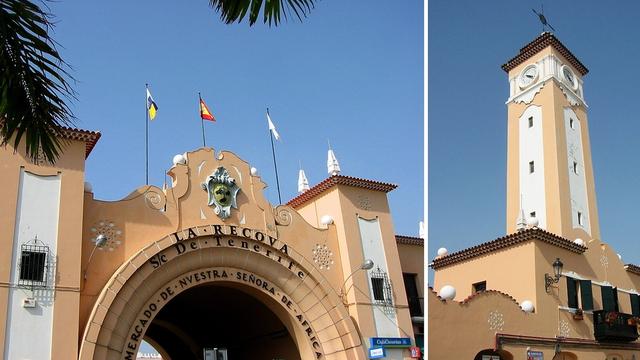
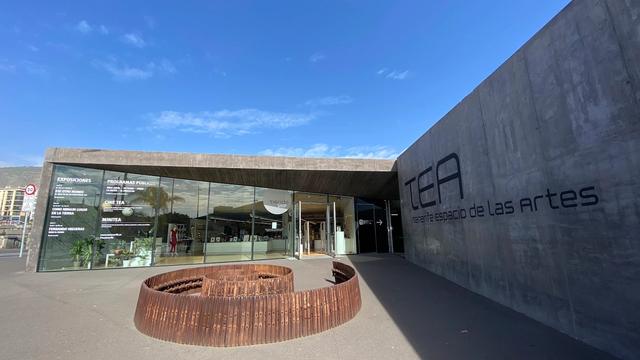
Two days cover the city at an easy pace: the waterfront from the Auditorio de Tenerife to Plaza de España, the museums, the main market and an evening of tapas on Calle de la Noria. Give a third day to the Anaga Massif, whose ridges and villages such as Taganana lie inside the municipality, or to Playa de Las Teresitas at San Andrés. La Laguna, at the far end of the tram line, earns half a day of its own. Staying in a southern resort, one full day is enough for a first look.
Getting around
Public transport runs through the Intercambiador on Avenida 3 de Mayo, the terminal for all TITSA bus lines and for the tram. Tram line 1 climbs from there to La Laguna; over the whole line, bus 15 is quicker.
Buses and tram take the same tickets: a ten+ card, sold at the terminal, tobacconists and tram stops, or the ten+ app, which scans a QR code on board. Day and week passes only pay off if you are taking intercity buses.
The TITSA website is hard going for newcomers. Google Maps lists upcoming departures when you tap a stop, though not at every interchange. A hire car earns its keep for Anaga and the rest of the island, but central streets are narrow and parking in the centre generally means a paid private car park.
What to see

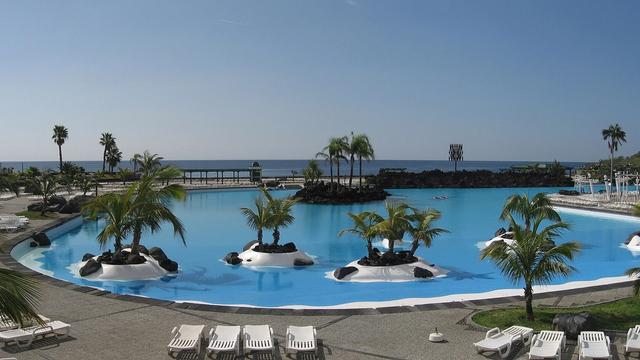
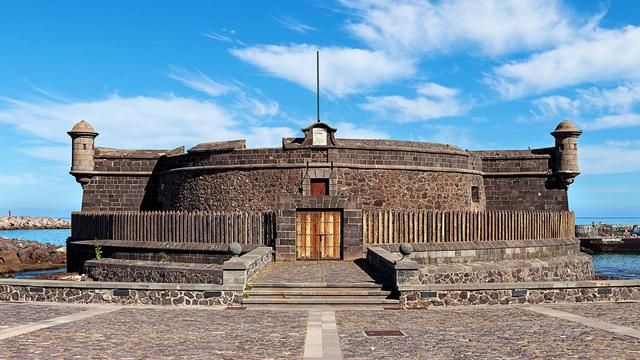

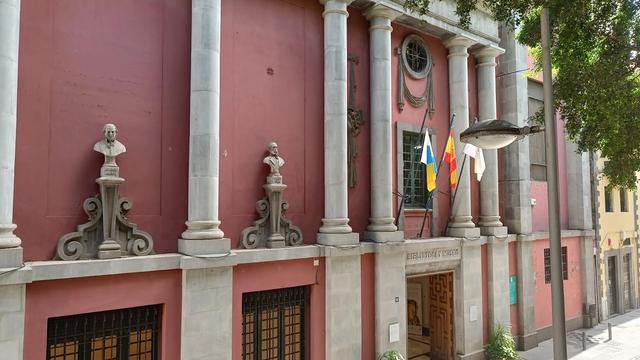
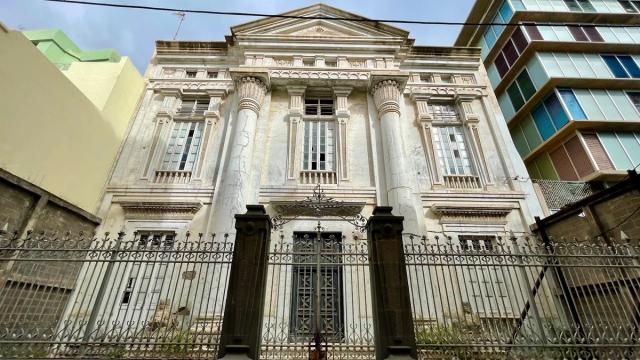
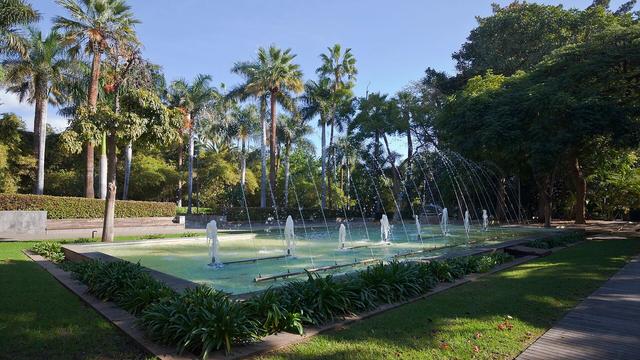
Destinations in Santa Cruz de Tenerife
Frequently asked questions
How do I get from the airports to Santa Cruz de Tenerife?
Tenerife North, the closer of the two, lies on the western outskirts of the city, and buses 102, 108 and 109 run from it to Santa Cruz. Tenerife South is 60–75 km away; line 111 links it with the city. Both routes are run by TITSA.Does Santa Cruz have a beach?
Playa de Las Teresitas, a man-made beach at the village of San Andrés, lies within the municipality, north-east of the city along the coast towards Anaga. The city centre itself faces the port.When is the Carnival?
The Carnival of Santa Cruz de Tenerife takes place in February and fills the streets for more than a week. It has been a Fiesta of International Tourist Interest since 1980 and ranks among the largest carnivals in the world.Tram or bus to La Laguna?
Tram line 1 runs from the Intercambiador up to La Laguna. If you are going end to end, bus 15 is faster; both take the same ten+ card.Can I reach Gran Canaria by ferry from Santa Cruz?
Yes. Ferries leave the port for Las Palmas, a crossing of about 3 hours, and for Agaete on the west coast of Gran Canaria, about 50 minutes. A ferry to Cádiz on the Spanish mainland also sails from here and takes two days.