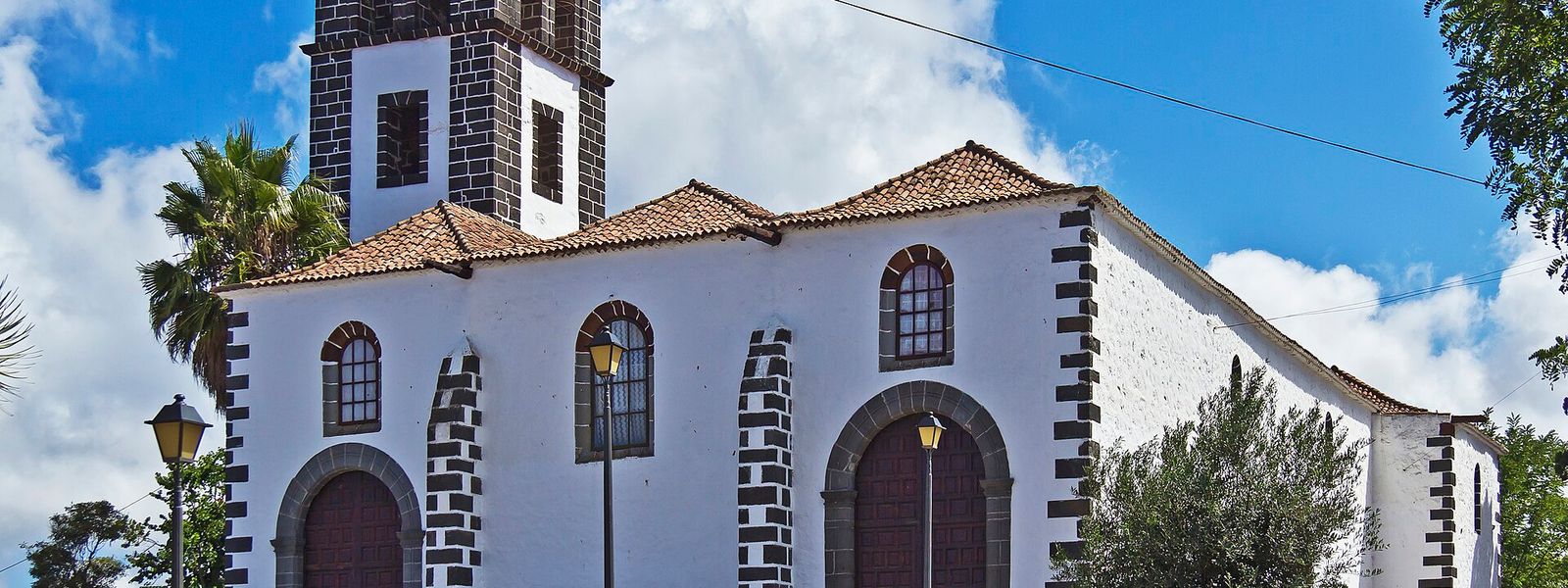
The town sits at about 510 m on the north-east flank of Tenerife, among old manor houses, farms and the vineyards that produce Tacoronte-Acentejo wine. The municipality covers 30 km², mostly rural, and runs from the volcanic peaks at the island's centre down to the Atlantic shore. People come for the wine country and for a town that grew, after the Spanish conquest, around a hermitage of Santa Catalina built by the Portuguese settler Sebastián Machado.
Tacoronte
- Currency
- Euro (EUR, €). ATM withdrawals often incur charges of €1–8; bringing some cash (€50–100) can help avoid fees. Credit and debit cards are widely accepted in cities and tourist areas. Bizum (a Spanish payment app) is popular with locals and some businesses but requires a Spanish bank account. The islands are outside the EU's standard VAT area.
- Language
- Spanish (specifically Canarian Spanish dialect) is the native language. English is widely spoken in hotels, restaurants and tourist attractions, but understanding outside these areas is very limited. In smaller towns and rural areas, English proficiency is minimal. Hotel and restaurant staff generally know basic English.
- Power plug
- Europlug (Type C) and Schuko (Type F) sockets; 230 V, 50 Hz
- Visa
- Schengen area: EU, EEA and Swiss nationals enter on national ID card or passport. Many non-EU nationalities have 90-day visa-free access. Non-EEA citizens staying longer than 90 days require an advance visa.
- Time zone
- Atlantic/Canary (UTC±00:00 in winter, UTC+01:00 in summer); one hour behind mainland Spain.
- Tap water
- Safe to drink throughout Spain. In some southern regions it has high mineral content and may taste unfamiliar; locals often drink bottled water instead. Bottled water is inexpensive and widely available.
- Tipping
- Not mandatory or customary. In restaurants: not expected for simple meals or basic establishments; 5–10% in mid-range or upscale venues if service was exceptional. Always pay cash to the server, not on card. Taxi drivers and hotel staff may appreciate small tips in upscale settings but it is not expected.
- Emergency
- 112
When to go
High season
Nov – Apr
Winter is the Canary Islands' busiest season, and up at about 510 m on the windward north-east side the town runs cooler and cloudier than the southern coast, so bring a warm layer.
Shoulder
May – Oct
Through the warm months the vineyards around the town are in leaf and the trade winds keep the north-east slopes milder than the south, often under a band of cloud, with the grapes picked towards autumn.
How long to stay
A day covers the town and a drive through the vineyards and farms around it. Tenerife North Airport lies 4 km to the east and the TF-5 motorway runs through the municipality, so Tacoronte also works as a base for several days in the north-east of the island, with Santa Cruz de Tenerife about 16 km away.
Getting around
The TF-5 motorway runs through the municipality, with Santa Cruz de Tenerife about 16 km to the east and Tenerife North Airport 4 km east of the town. Off the motorway, Tacoronte is mostly rural and spread across 30 km², from the Atlantic shore up to the town at about 510 m and on towards the volcanic heights. Farms, vineyards and the coast are linked by country lanes.
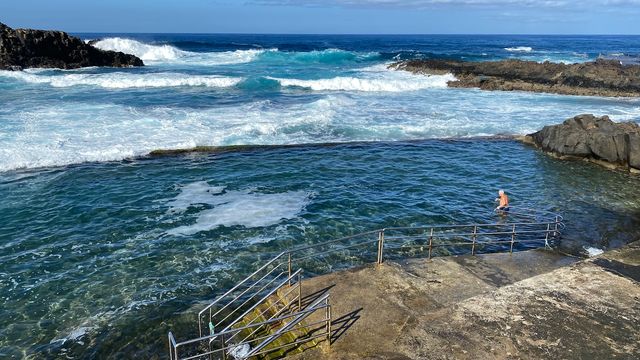
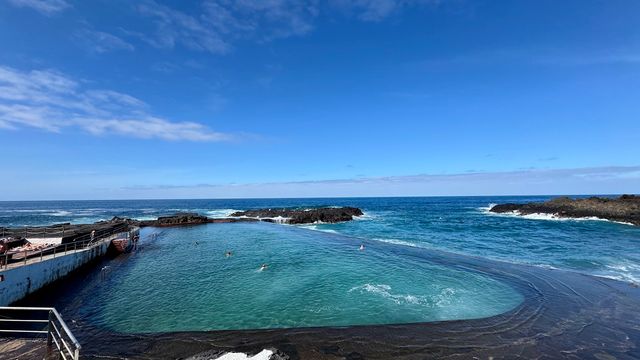
The caveat is height: the shore lies some 500 m below the town, so a trip down to the sea and back is a climb, whichever way you travel.
What to see

Destinations in Tacoronte
Frequently asked questions
What does the name Tacoronte mean?
The name is of Guanche origin and is believed to come from Tagoror, meaning "place where the Council of Elders meets". The territory was a menceyato, one of the Guanche kingdoms, ruled by the mencey Acaymo.What wine is made in Tacoronte?
The vineyards around the town produce the wine known as Tacoronte-Acentejo.How far is Tacoronte from Santa Cruz de Tenerife and the airport?
The town lies about 16 km west of Santa Cruz de Tenerife, and Tenerife North Airport is 4 km to the east. The TF-5 motorway passes through the municipality.How old is the town?
After the Spanish conquest of Tenerife, the Portuguese settler Sebastián Machado founded the town around a hermitage of Santa Catalina that he had built. It grew over the following centuries, and in 1911 Alfonso XIII granted it the status of municipio.