Spain by region: where to go and what for
5 min read9 destinations
"Spain" on a map hides how different its regions are. The south speaks Moorish; the north is green, rainy and mountainous; the Mediterranean coast and the Atlantic islands feel like separate countries. Each region below has its own language or dialect, its own food, and one thing it does better than anywhere else. Pick by what you're after — beaches, mountains, cities, or empty back roads — and follow the link to plan the region in detail.
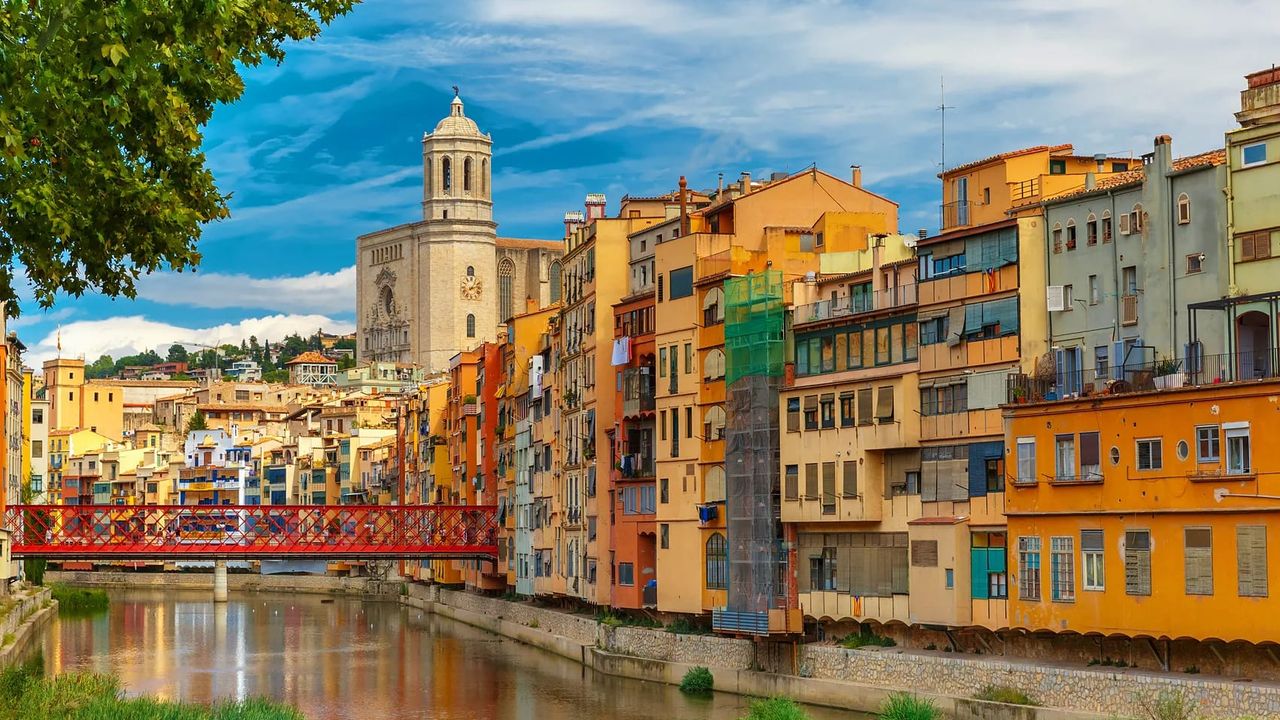
Catalonia
The most-visited corner of Spain, and for good reason: Barcelona alone — Gaudí's Sagrada Família and Park Güell, the Gothic Quarter, the beach — fills three days. But the region rewards leaving the city. Girona is an hour by train and the gateway to the Costa Brava's coves; Montserrat's serrated mountain and monastery are a half-day trip. Best for a first visit that mixes a great city with coast and mountains within easy reach.
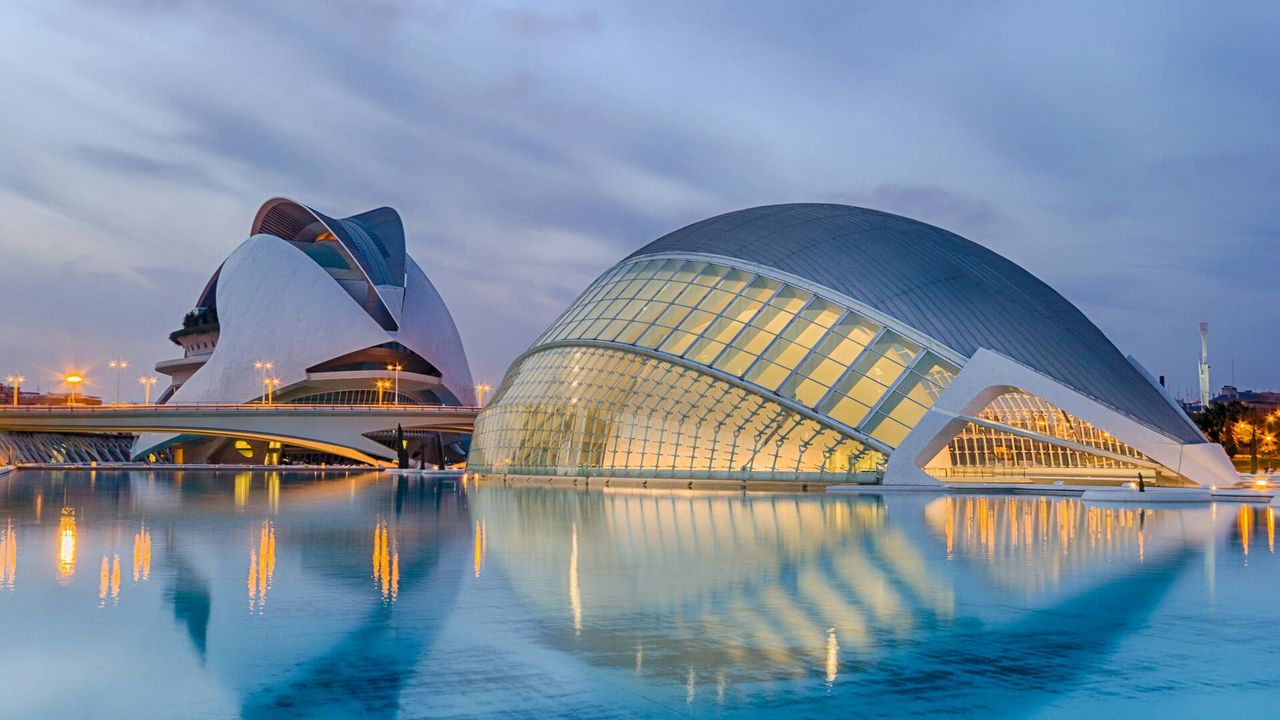
Valencia
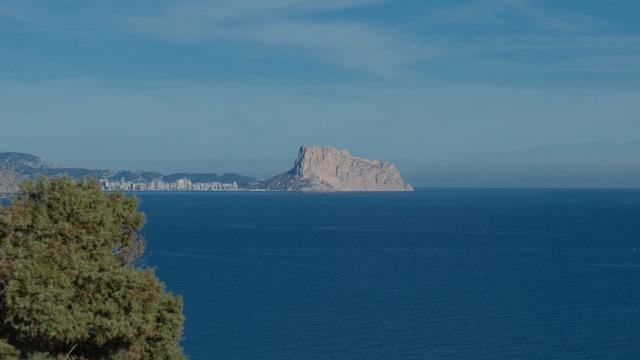
This is where paella was invented — in the rice paddies of L'Albufera just south of the city — so eat it here, at lunch, cooked over wood. Valencia city pairs a 2,000-year-old old town with Calatrava's futuristic City of Arts and Sciences, home to Europe's largest aquarium. Come in March for Las Fallas, when the city builds giant satirical figures and burns them all in one night. Best for sun, food and easy Mediterranean beaches without Barcelona's prices.
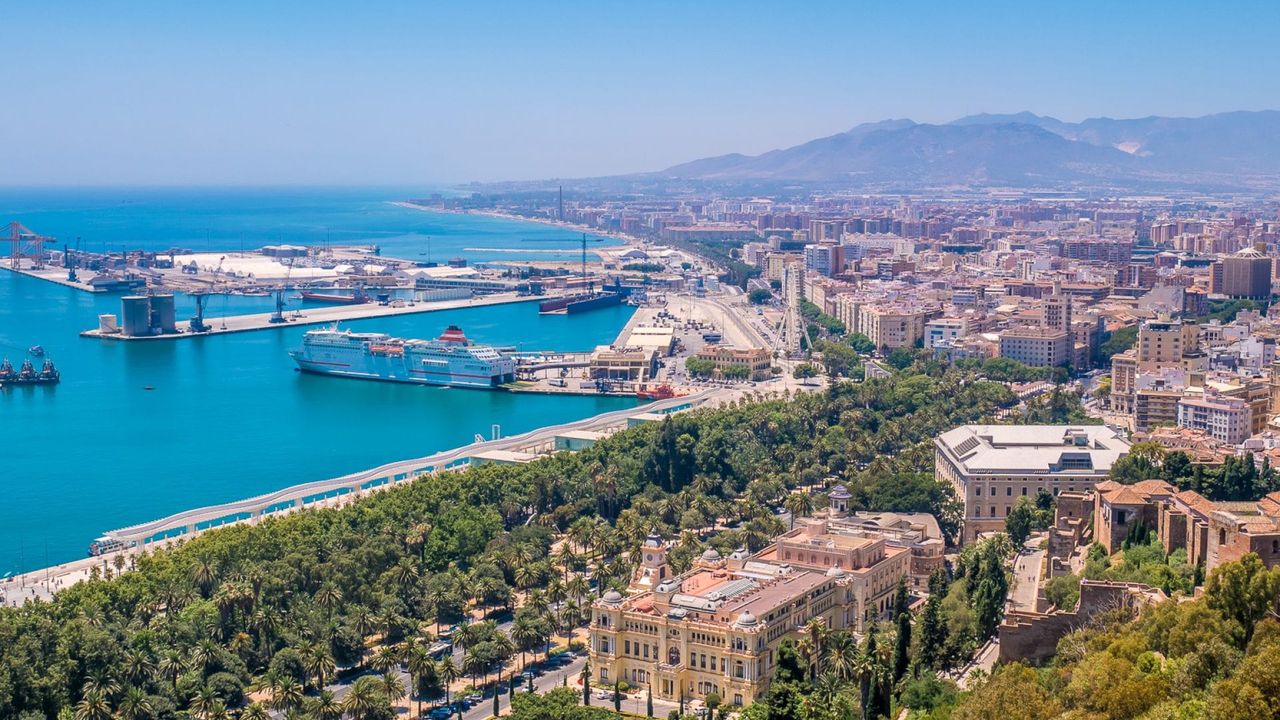
Andalusia
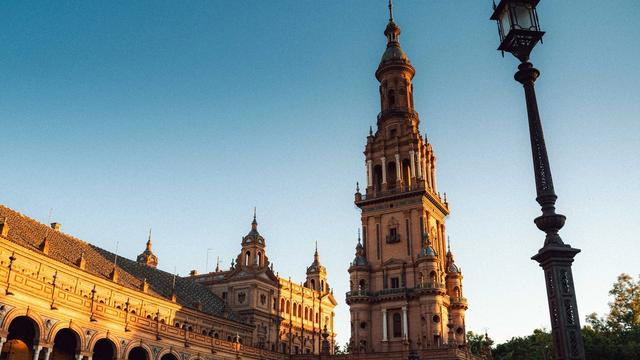
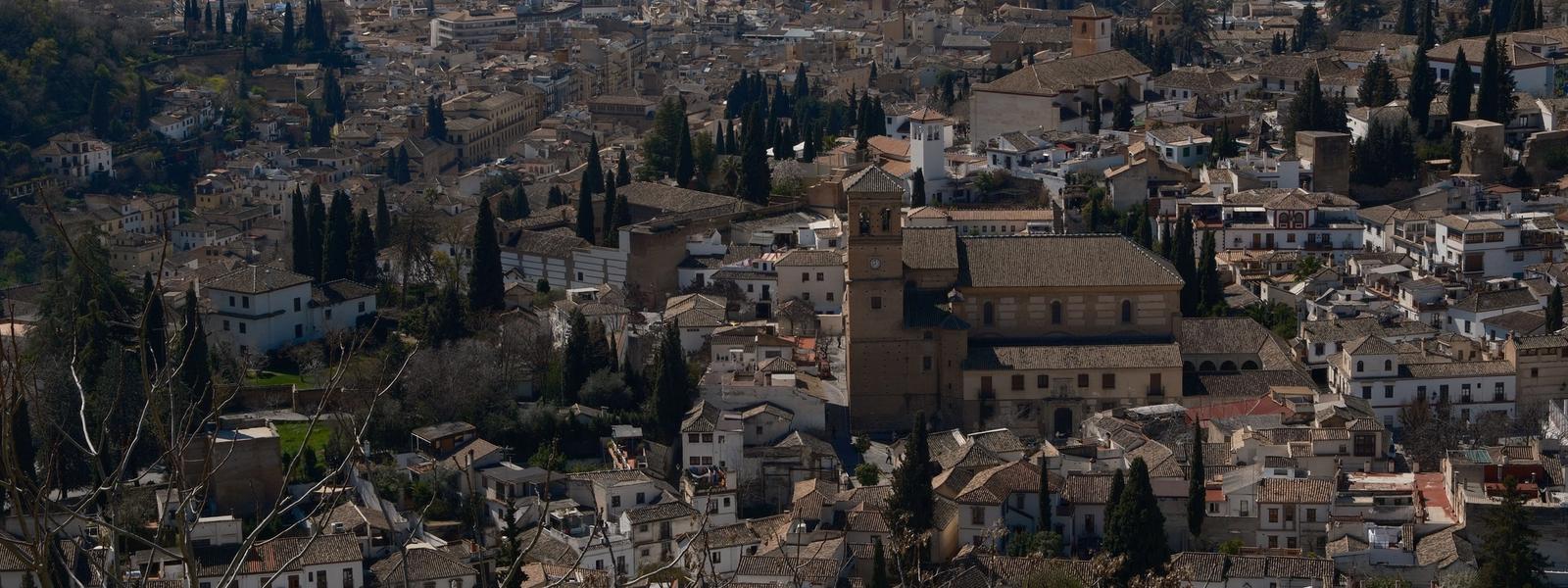
The Spain of the postcards: flamenco, white hill towns and the greatest Moorish architecture in Europe. The essential trio is Granada's Alhambra palace, Córdoba's mosque-cathedral with its red-and-white arches, and Seville, where flamenco actually lives. Between them lie the pueblos blancos of the Sierra de Grazalema and the beaches of the Costa del Sol. Best for first-timers who want the big, iconic Spain — plan at least a week and book the Alhambra weeks ahead.
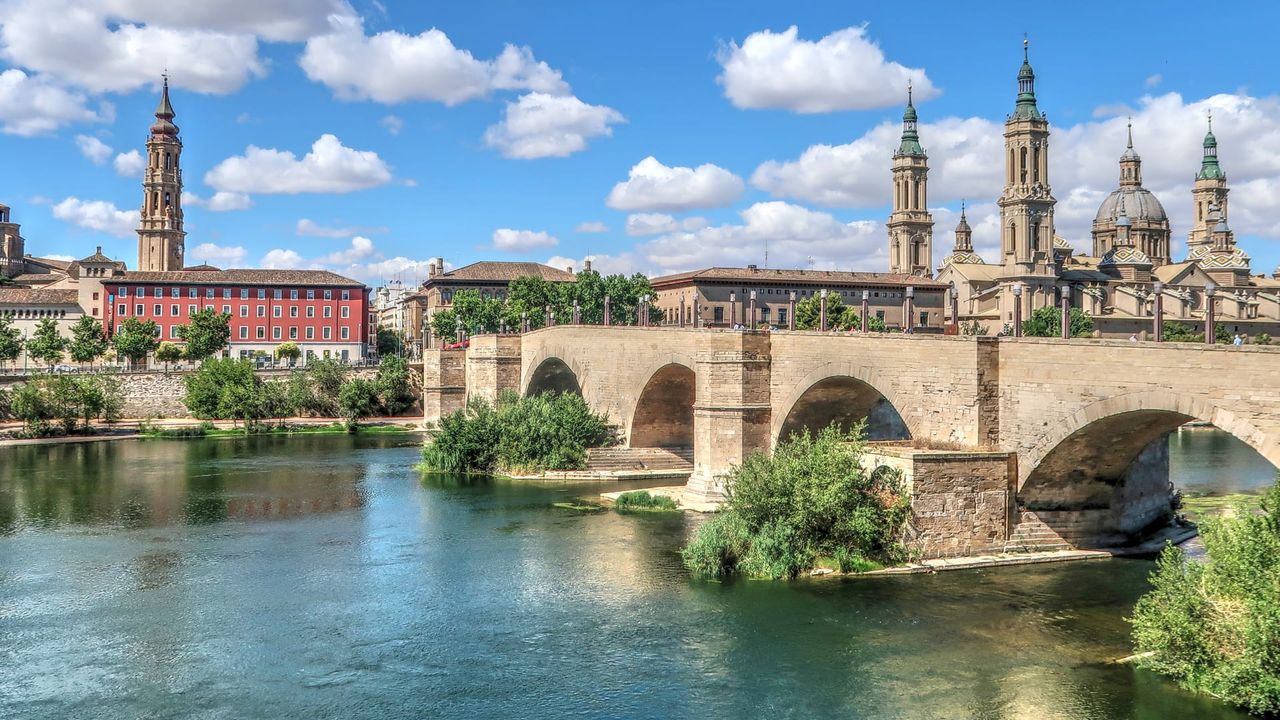
Aragon
Two things, both underrated. In the north, the Aragonese Pyrenees hold Ordesa y Monte Perdido National Park — limestone gorges, waterfalls and serious hiking, reached from the village of Torla. Inland, Aragon has Spain's finest Mudéjar architecture, the brick-and-tile style built by Muslim craftsmen after the Reconquista, best seen in Teruel (UNESCO-listed) and around Zaragoza. Add Albarracín, repeatedly voted Spain's prettiest village. Best for mountains and history away from the crowds.
Things to do in Spain
Paid links: booking through them supports YowJourney.
Navarre
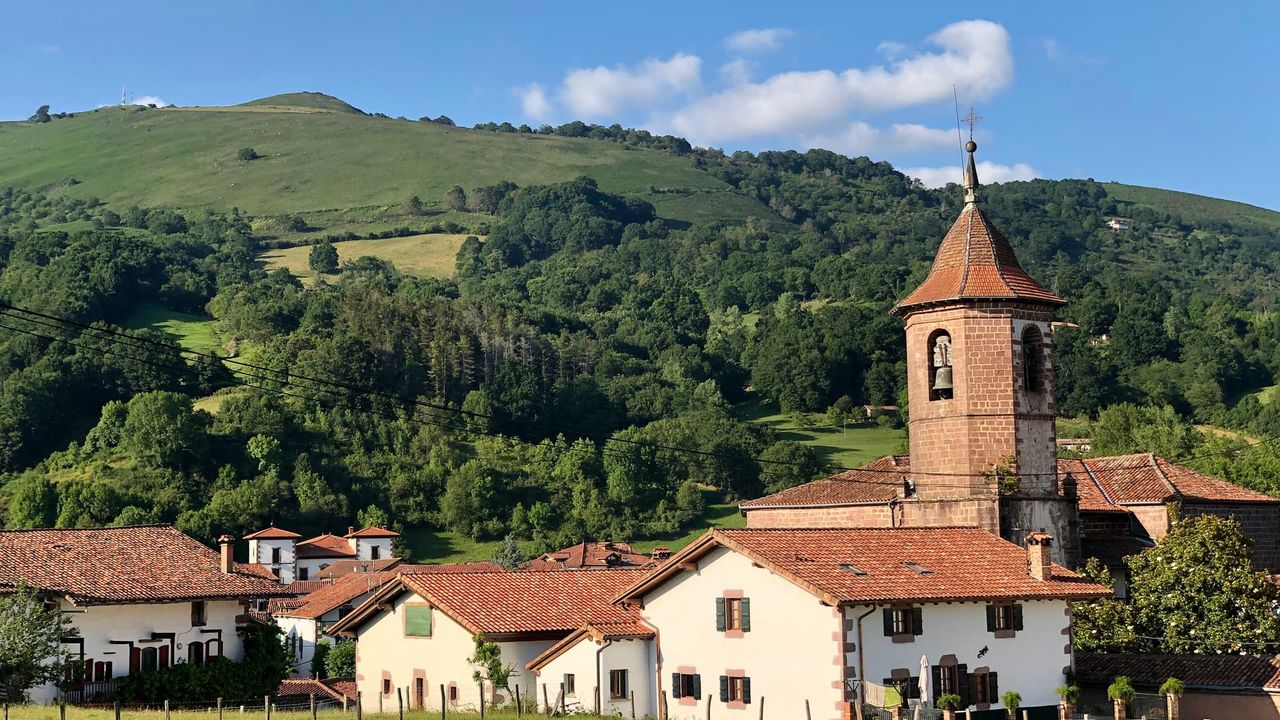
Small, green in the north and dramatic in the south. Pamplona, the capital, is famous for one week in July — the San Fermín festival and its running of the bulls (July 6–14) — but is a handsome walled city year-round. The showstopper is the Bardenas Reales in the southeast: 42,000 hectares of eroded clay canyons and lone rock towers, a genuine badlands desert best driven or cycled. Best for pairing Pyrenean valleys and Camino de Santiago towns with a landscape that looks nothing like the rest of Spain.
Asturias
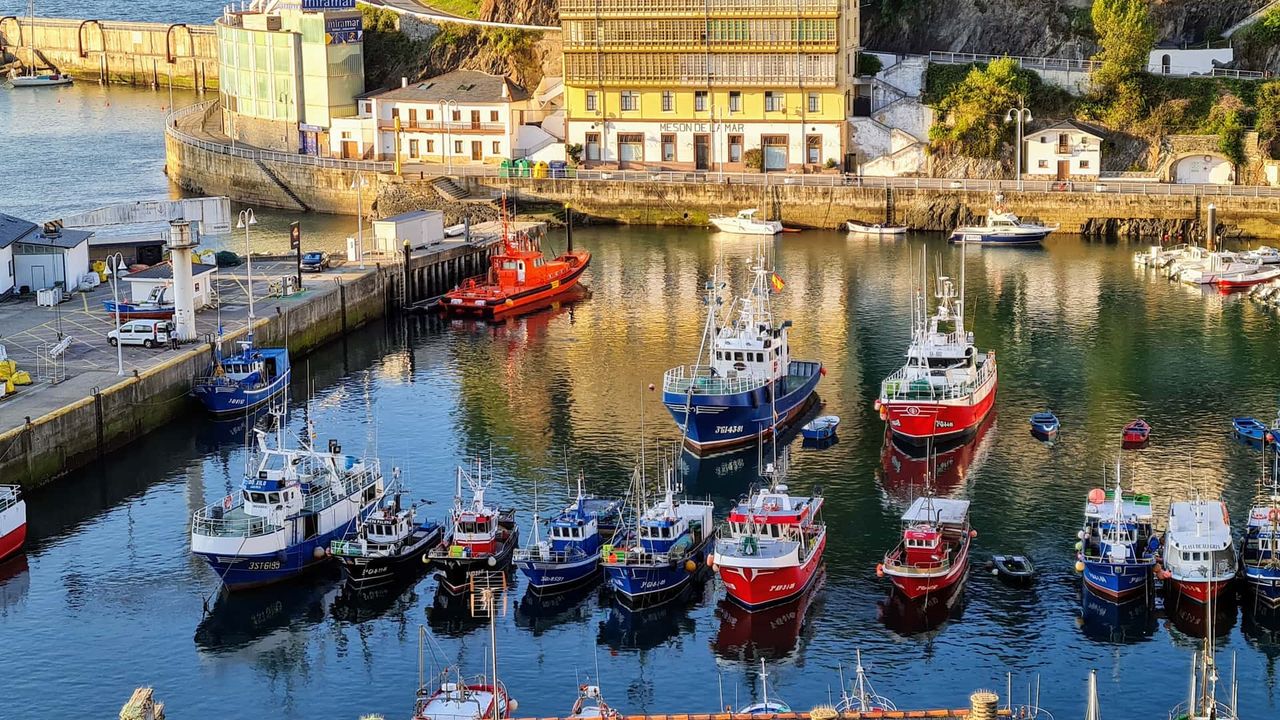
The green, rainy Atlantic north — as far from sunburnt Spain as you can get. The draw is the Picos de Europa: hike the famous Cares Trail through a river gorge, or drive up to the Lakes of Covadonga (note that in summer the road closes to cars and you take a shuttle). Between mountains and sea, this is cider country — order it poured from above in a sidrería, with cachopo, a huge ham-and-cheese-stuffed cutlet. Best for hikers and eaters who prefer green mountains and cool weather to the beach.
Cantabria
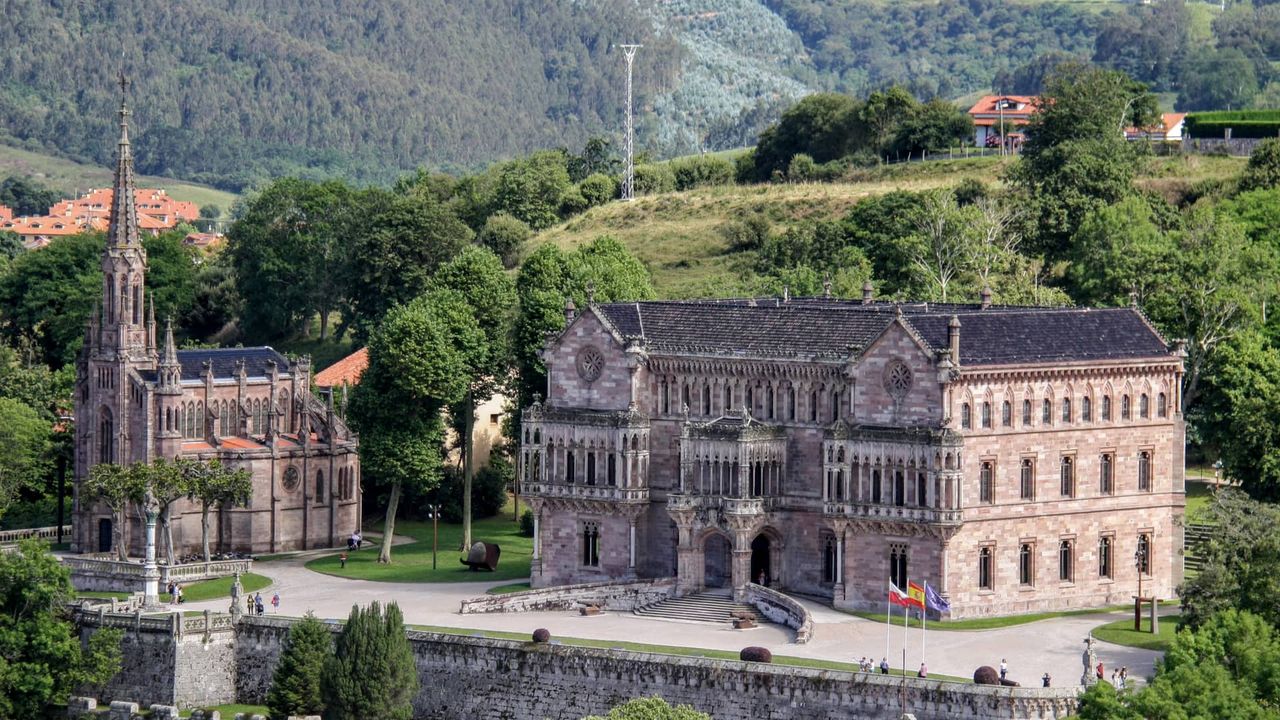
Asturias' quieter neighbor: the same green coast and a share of the Picos de Europa, packed into a smaller, easier region. Santander is an elegant seaside capital with the long Sardinero beach; Santillana del Mar is one of Spain's best-kept medieval villages. Nearby is Altamira, whose 36,000-year-old cave paintings you visit as a faithful replica. In the Picos, the Fuente Dé cable car lifts you to 1,800 m without a hard climb. Best for a short northern trip mixing coast, a pretty town and mountains.
Castile-La Mancha
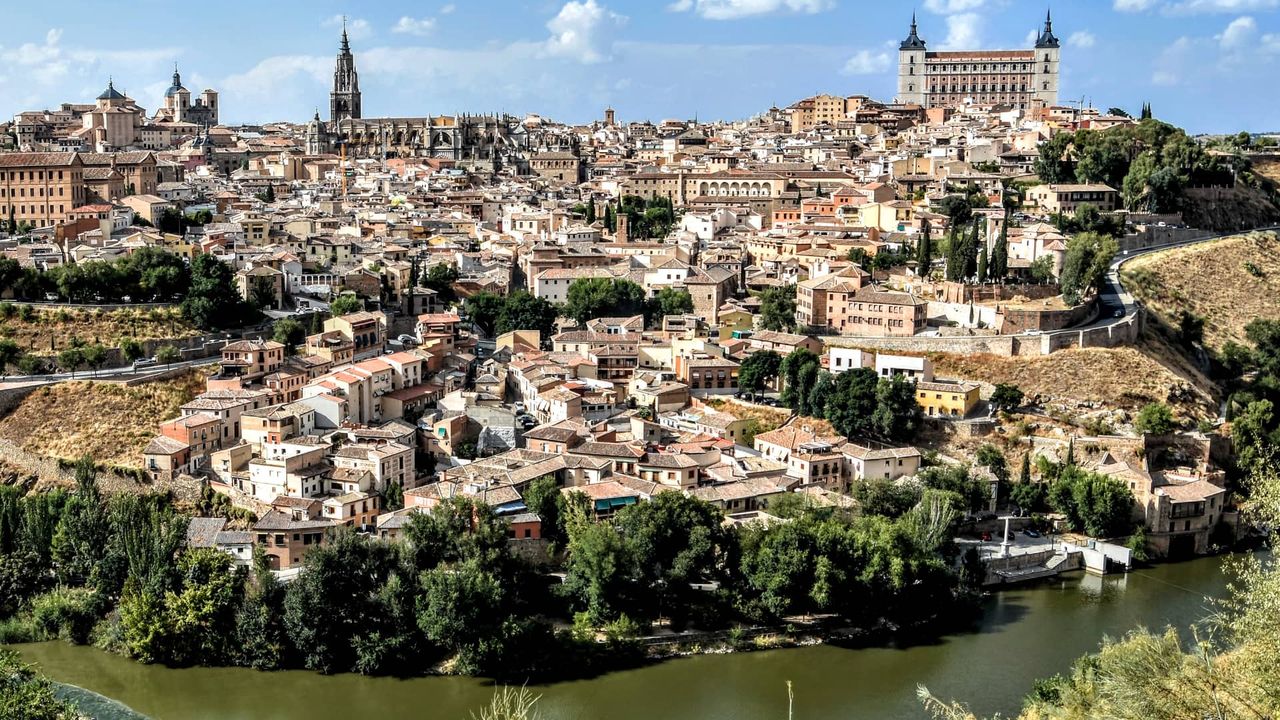
The empty, big-sky heart of Spain and the land of Don Quixote. The image everyone knows is real: the ridge of white windmills above Consuegra, backed by a medieval castle and the endless La Mancha plain. Toledo, the old imperial capital, layers Christian, Jewish and Muslim history in one walled hilltop city; Cuenca hangs its medieval Casas Colgadas over a gorge. Best as a day trip or two from Madrid, or a slow drive through Spain most visitors skip.
Canary Islands
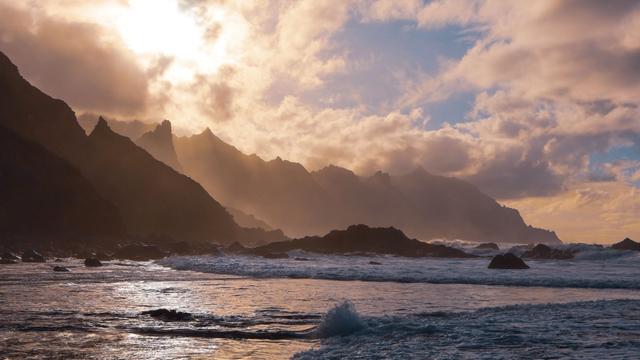
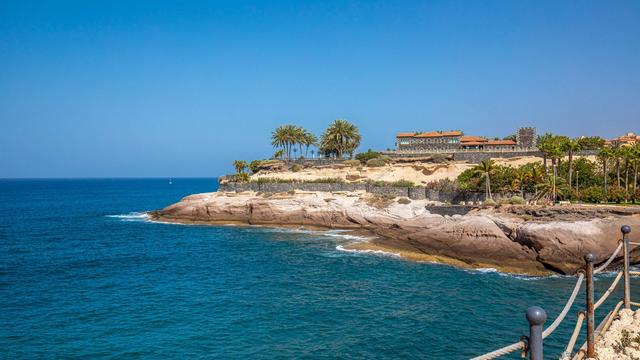
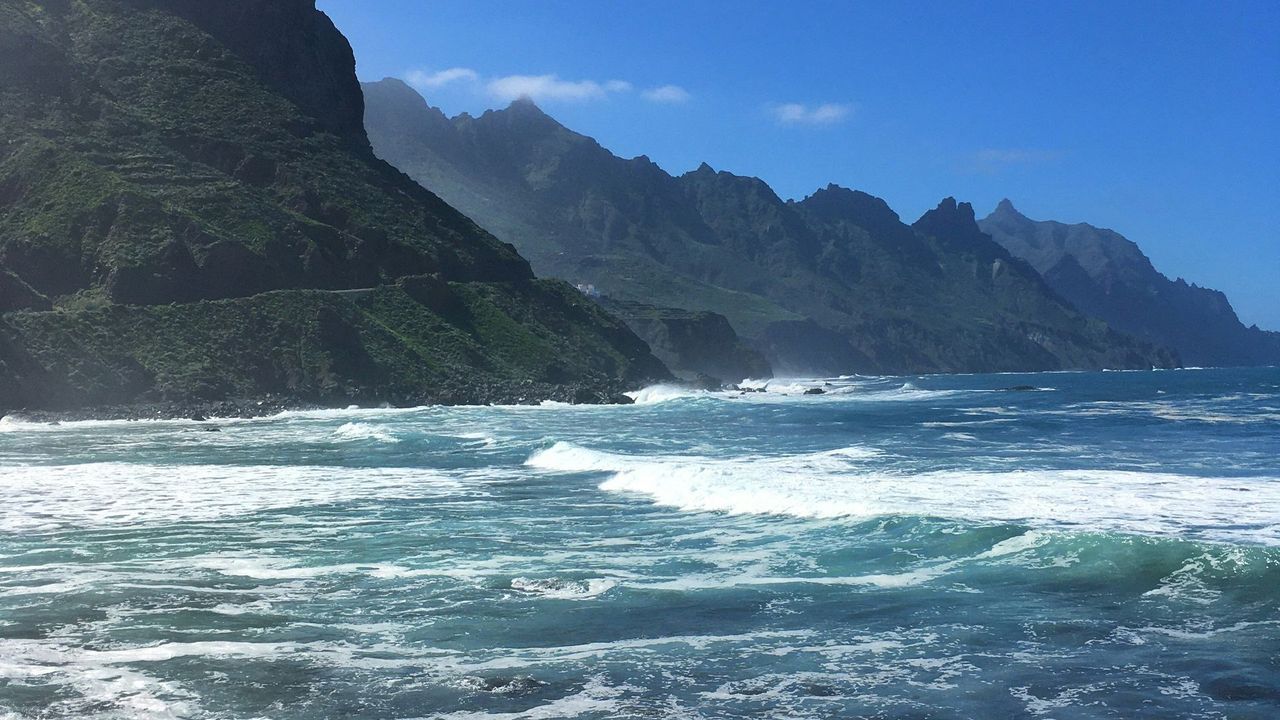
A volcanic archipelago off Africa, warm all year, and each of the seven islands is different. Tenerife has Teide, at 3,715 m Spain's highest peak, climbable or reached by cable car through a national park of lava fields. Lanzarote is otherworldly: the geothermal Timanfaya, César Manrique's art built into the volcanic rock, and wines grown in black-ash pits at La Geria. Best for winter sun, hiking on volcanoes, or island-hopping — pick islands by mood, from party to near-empty.
One trip won't cover Spain — the country is too varied for that. First time, most people start with Andalusia or Catalonia for the headline sights, then come back north for Asturias, Cantabria and the Basque food. If you're after quiet, Aragon, Navarre and Castile-La Mancha stay uncrowded even in August. Open the region that fits your dates and interests and build the route from there.