Best time to visit Lanzarote: winter sun or a quiet spring
6 min read1 destination
Canary Islands · Spain
Come to Lanzarote from November to March for winter sun, with afternoons of 21–24 °C, or from April to June for dry, settled weather and quieter resorts. July and August are the height of summer, with August the hottest month and the resorts full. In September and October the heat eases, the crowds thin out and the sea is at its warmest.
In short
- Beach: all year; the sea is warmest in September and October, at 23 °C, and coolest from February to April, at 18 °C.
- Volcanoes and trails: the cooler months, early or late in the day, as there is no shade on the lava.
- Fewer people: April to June, and September and October.
- Flowers: February and March, after the winter rain.
- Surf: winter swells reach La Santa on the north-west coast from November to March.
- On a grey day: Cueva de los Verdes, a lava tube that stays at the same temperature whatever the weather outside.
November–March: winter sun and what little rain there is
Weather: 21–24 °C by day, 14–17 °C at night; the sea 18–21 °C.
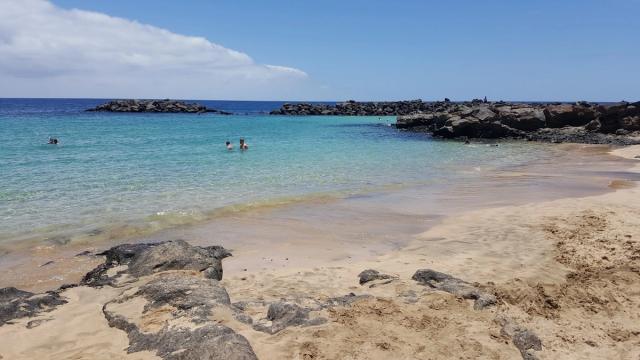
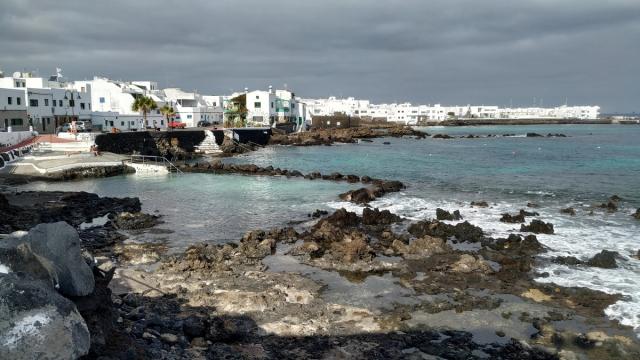
This is the island's busiest season, when northern Europeans fill Puerto del Carmen and Playa Blanca. Most of Lanzarote's rain falls now, mainly from December to February. December, the wettest month, averages 29 mm over about four days. After the rain, wild flowers cover the dry ground in February and March. The sea cools through the winter and is at its coldest from February, when the water at the natural pools of Punta Mujeres is cold enough to take your breath away. The cove of El Jablillo in Costa Teguise is less crowded in winter, and its water stays turquoise even under a grey sky, though rain and wind can cut a visit short.
April–June: dry and quiet
Weather: 24–26 °C by day, 16–19 °C at night, almost no rain; the sea 18–20 °C.
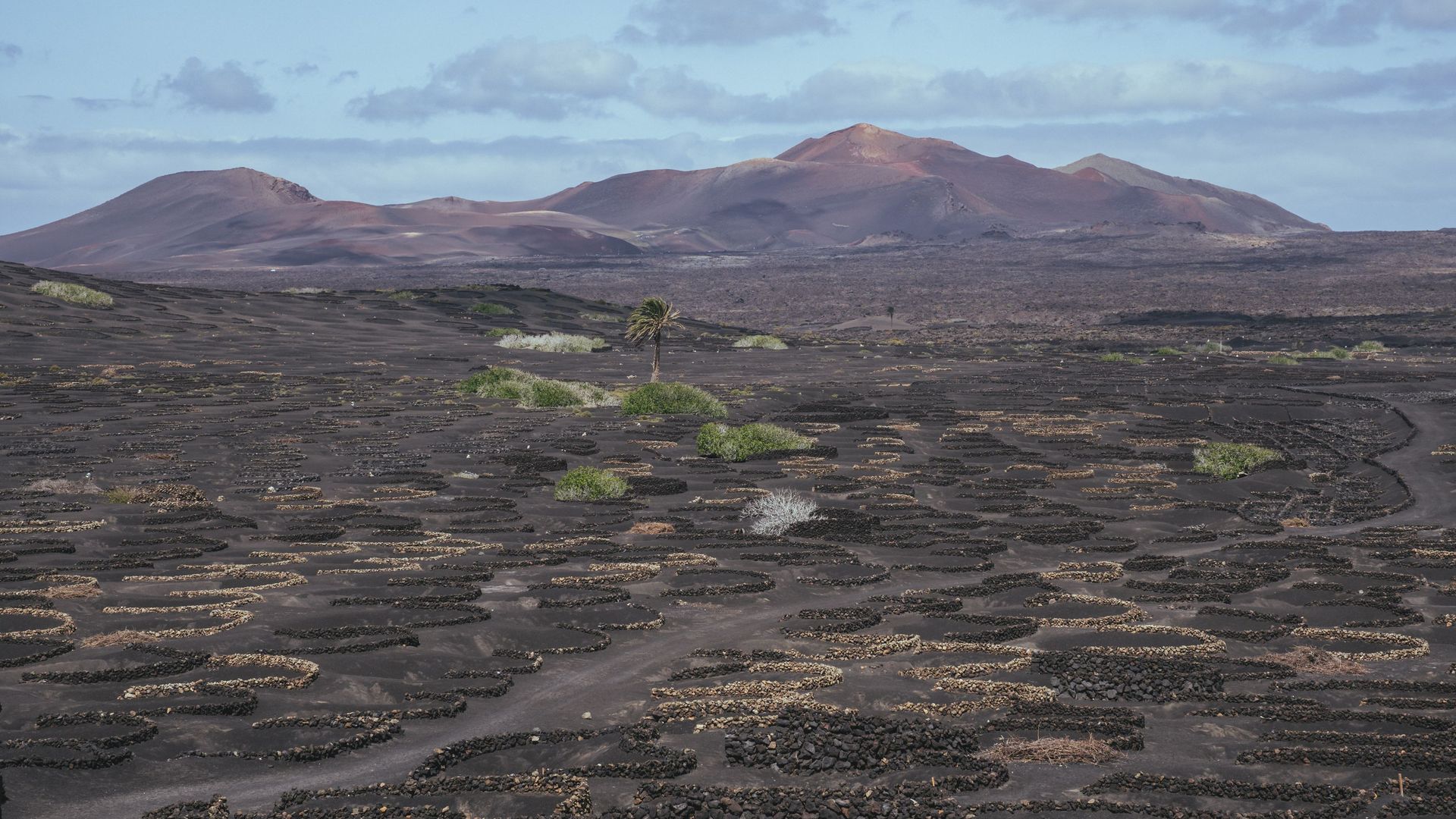
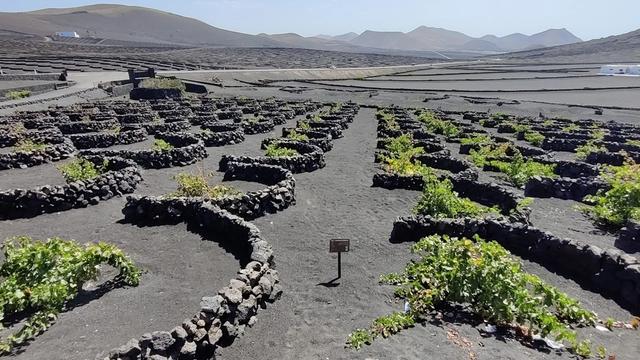
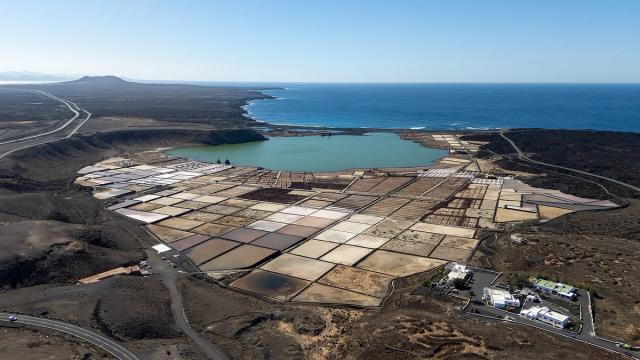
Spring brings dry, settled weather, and the resorts quieten down between the winter crowds and the summer rush. The days are long and bright, and the trade wind, building towards summer, keeps the afternoons fresh. From spring to the end of summer the vines of La Geria are in leaf, each in its own pit dug into black ash; the pits look best in the morning or late afternoon, when the low sun casts shadows across them. In spring, and again in autumn, migrating birds stop at the lagoon and salt pans of Janubio.
Things to do in Lanzarote
Paid links: booking through them supports YowJourney.
July–August: heat and full resorts
Weather: 28–29 °C by day, 20–21 °C at night, no rain; the sea 21–22 °C.
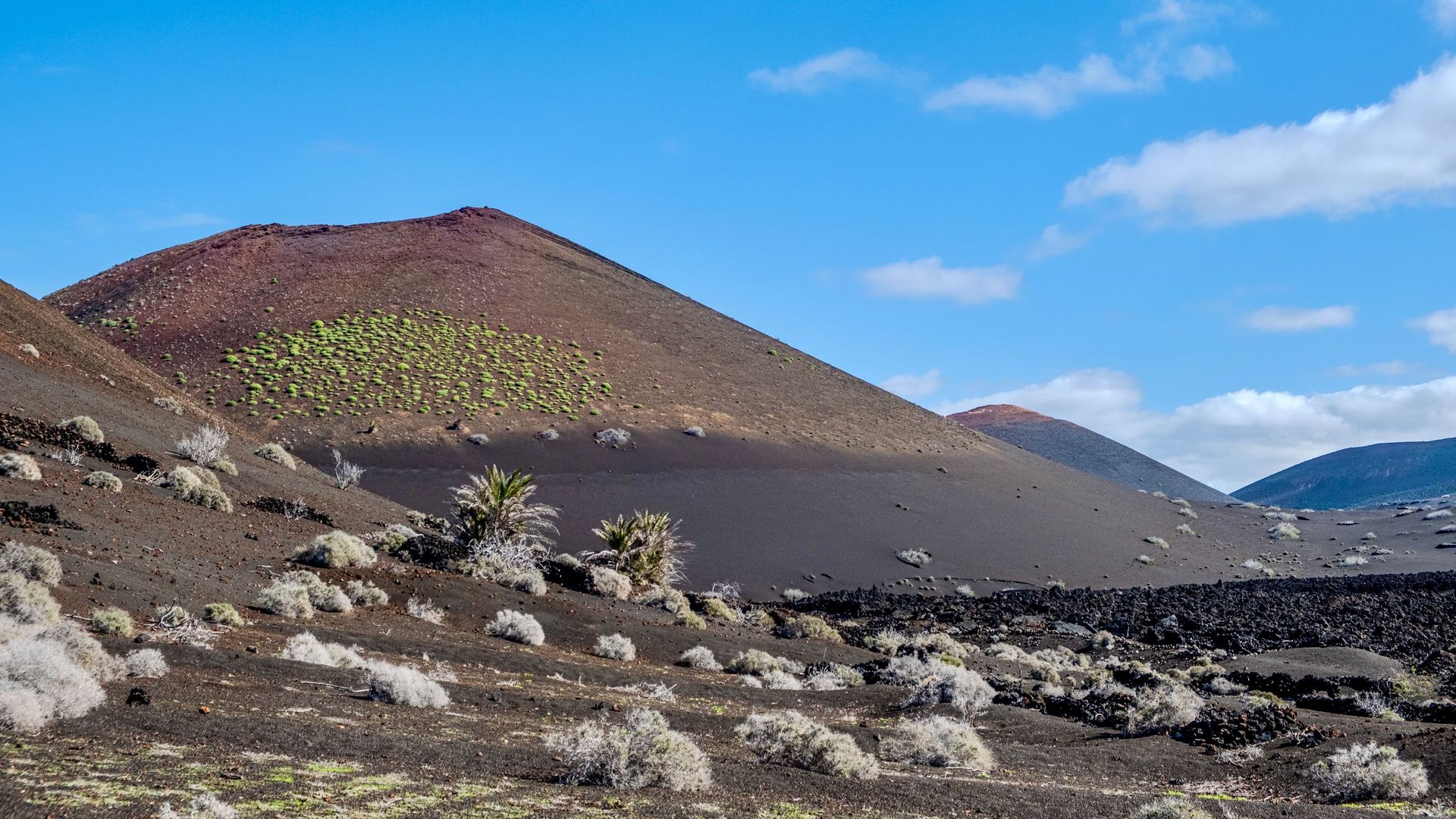
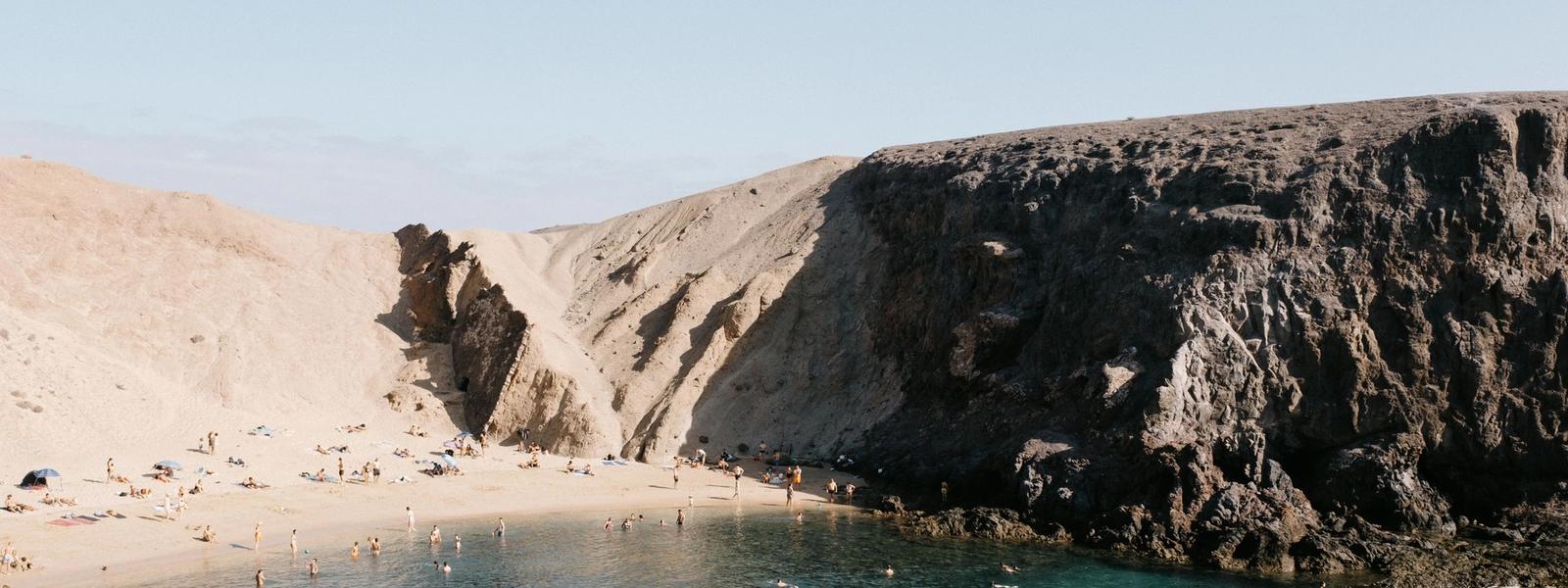
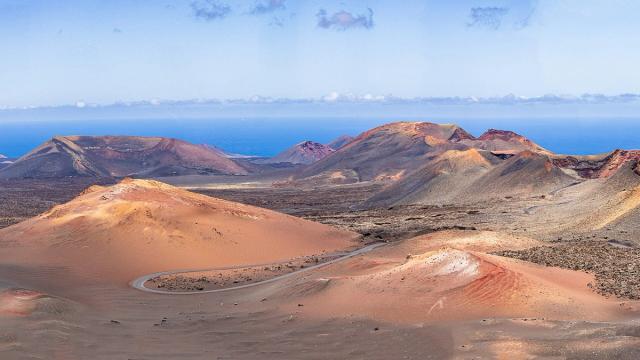
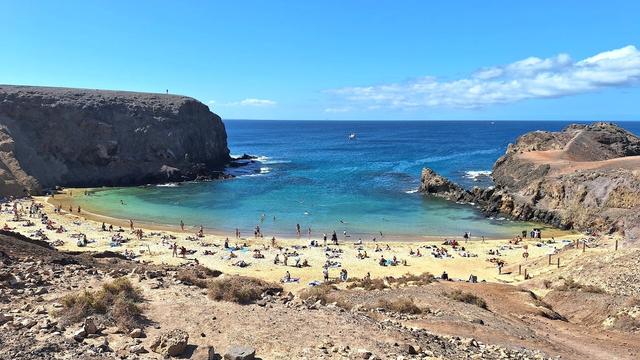
This is the height of summer: August is the hottest month of the year, there is next to no rain, and the resorts fill with holidaymakers, Spanish families among them. The trade wind blows at its steadiest. The lava fields have no shade at midday, so carry water and sun protection and save walks on the lava, at Caldera Blanca or in Los Volcanes Natural Park, for the early morning. Timanfaya National Park, the lava plain left by the eruptions of 1730–1736, is seen from the park coach; get there early, because cars queue from the gate to the car park. Papagayo, a cove of white sand at the southern tip of the island, fills up through the day, so arrive before the crowd.
September–October: a warm sea and fewer people
Weather: 27–29 °C by day, 19–21 °C at night; the sea 23 °C, its warmest.
The heat eases and the summer crowds thin out, while the sea keeps its summer warmth. Rain returns in October, on about two days in the month. The island's biggest festival comes in September: the feast of the Virgen de los Dolores, Lanzarote's patron saint, on 15 September. A pilgrimage to her church at Mancha Blanca draws people from all over the island, many in traditional dress; in 2026 it was held on Saturday 12 September.
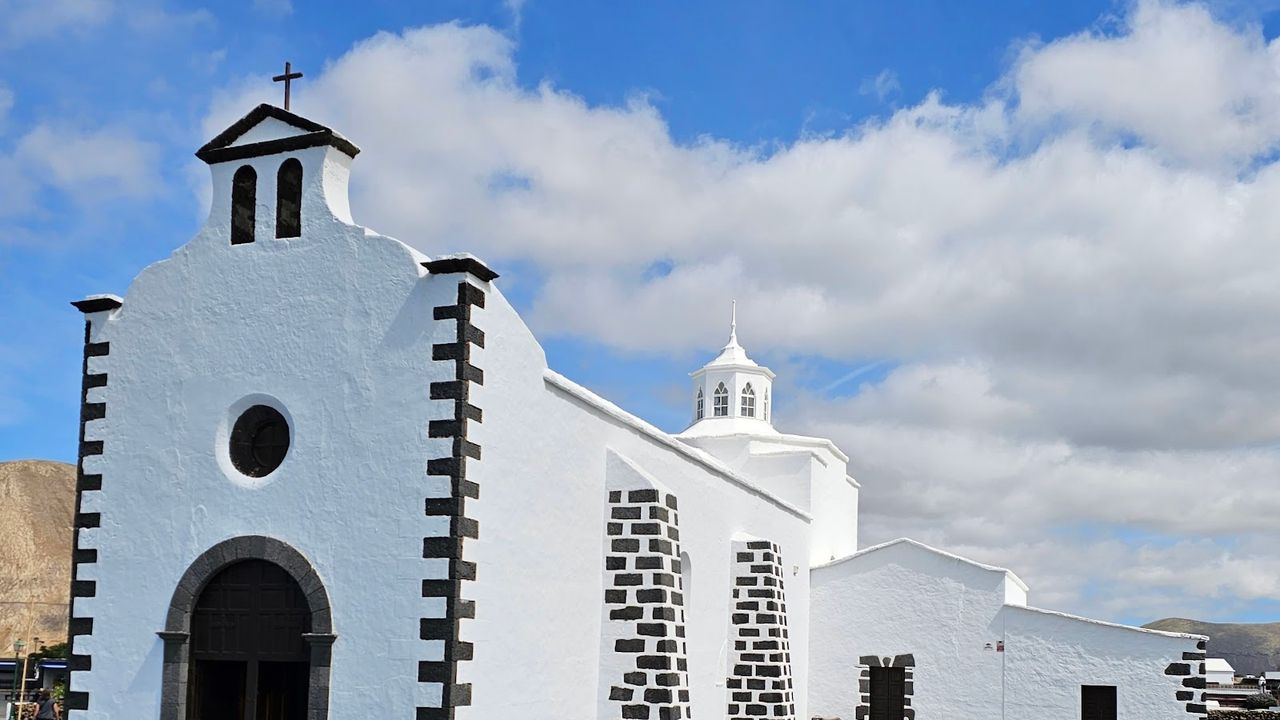
Los Dolores Hermitage
A white 18th-century church in Mancha Blanca, Tinajo, built to thank the Virgin, who according to local tradition stopped the lava just short of the village. You can still see the edge of the flow. The image inside is venerated as Our Lady of the Volcanoes, and a panel at the small chapel to the right of the church tells the story of the miracle. In the low light of early morning or evening, the dark stone trim stands out against the white walls. If a service is on, stay at the back.
For a beach holiday in the sun, come between November and March, or in September and October for the warmest sea; those two months and April to June are also when the resorts are quieter. Save walks on the lava for the cooler months, early or late in the day. For more of the island away from the sand, see Lanzarote beyond the beaches, and if you are choosing an island for winter, see The Canary Islands in winter. Air temperatures and rainfall here are averages from AEMET, the Spanish weather service, for 1981–2010 at Lanzarote Airport; sea temperatures come from Turismo Lanzarote, the island's tourist board.
FAQ
Can you swim on Lanzarote in winter?
Yes, but the sea is cool: about 19 °C in January and 18 °C from February to April. The easiest swimming is in a calm cove such as El Jablillo in Costa Teguise, though the wind can blow hard across it. At the natural pools of Punta Mujeres, check the swell before you go in, and expect cold water.Is Lanzarote worth visiting in December?
Yes, if you want winter sun: December afternoons average 22 °C at the airport. December is also the wettest month, with 29 mm of rain on about four days, and it falls in the island's busiest season.Is Lanzarote windy?
Often. Winter can bring strong winds, and the trade wind builds through spring and blows at its steadiest in July and August. On exposed ground, such as the rim of [Caldera Blanca](/places/caldera-blanca), walking gets hard when the wind is gusty.What is calima, and when does it come?
Calima is dust blown in from the Sahara. It occasionally reaches the Canary Islands in winter, lowering visibility and coating everything in fine dust. At La Geria, when the hot sirocco blows, the air turns hazy and the view across the slopes blurs.