Tomato fields fill the valleys of La Aldea de San Nicolás, watered from reservoirs that catch the winter rain, and most families here work them, along with potatoes, vegetables and fruit. The municipality is the westernmost on Gran Canaria, its mountain valleys opening onto the Atlantic. Tourism matters to the local economy, though far less than in the island's south. Locals call the place simply La Aldea; until 2005 its full name ran on to "de Tolentino".
La Aldea de San Nicolás
- Currency
- Euro (EUR)
- Language
- Spanish; English, German in resorts
- Power plug
- Type C/F, 230 V
- Visa
- Schengen
- Time zone
- UTC+0 / UTC+1 (WET/WEST)
- Tap water
- Safe; mineral taste in the south
- Tipping
- Not expected; 5–10% for great service
- Emergency
- 112
Things to do
All tours in La Aldea de San Nicolás on GetYourGuide
Paid links: booking through them supports YowJourney.
When to go
High season
Nov – Apr
The winter rain falls in these months and fills the reservoirs behind the tomato fields, while the island's visitor season peaks, with the west taking a smaller share of it than the south.
Low season
May – Oct
The dry half of the year, when the bare slopes give no shade at midday and the evening sun sets straight out over the Atlantic from the island's westernmost shore.
How long to stay
A day covers La Aldea de San Nicolás: the town, the farmed valleys around it and the Atlantic shore. Stay longer only if you want a quiet base on the island's west, where tourism runs at a lower pitch than in the south.
What to see
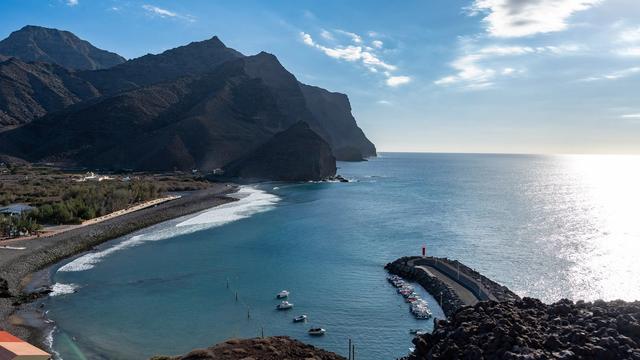
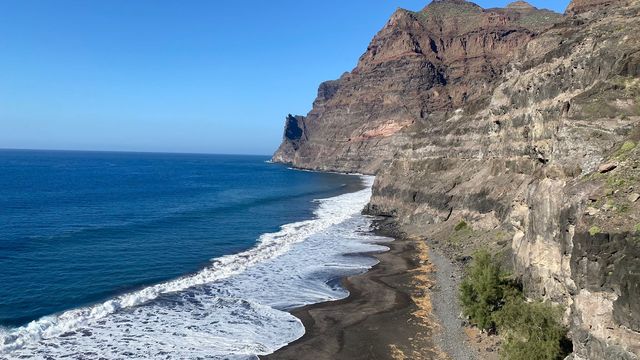
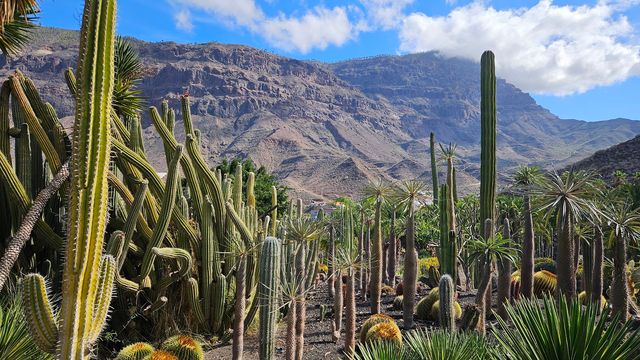
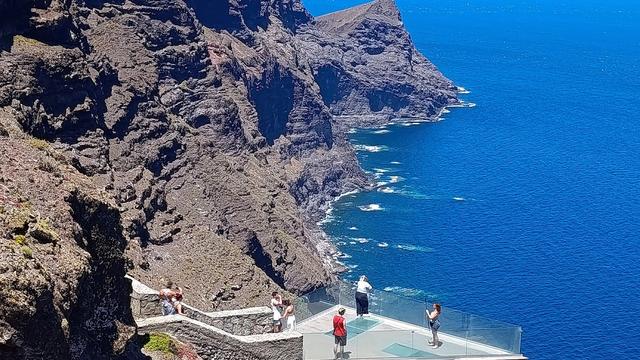
Destinations in La Aldea de San Nicolás
Frequently asked questions
Where on Gran Canaria is La Aldea de San Nicolás?
It is the westernmost municipality on the island, about 38 km southwest of Las Palmas, with its mountain valleys facing the Atlantic.Is La Aldea de San Nicolás as touristy as the south of Gran Canaria?
No. Tourism is a significant industry here, but on a smaller scale than in the south; farming, above all tomatoes, is what most families live from.Why do some maps and signs call it something else?
Until 2005 the full name was La Aldea de San Nicolás de Tolentino. Locals shorten it to La Aldea.