North or south Tenerife: where to stay and what to see
6 min read8 destinations

Canary Islands · Spain
Tenerife's north and south coasts are very different places. The north is green, with old colonial towns and more changeable weather. The south is dry, almost desert, and over recent decades its coast has grown into a major beach resort area. Roads are often narrow and winding, and you'll often average 30 km/h or less, so the side you stay on shapes the whole trip. Here are four places on each side and a few points to help you choose.
Contents
The north: old towns and a green coast
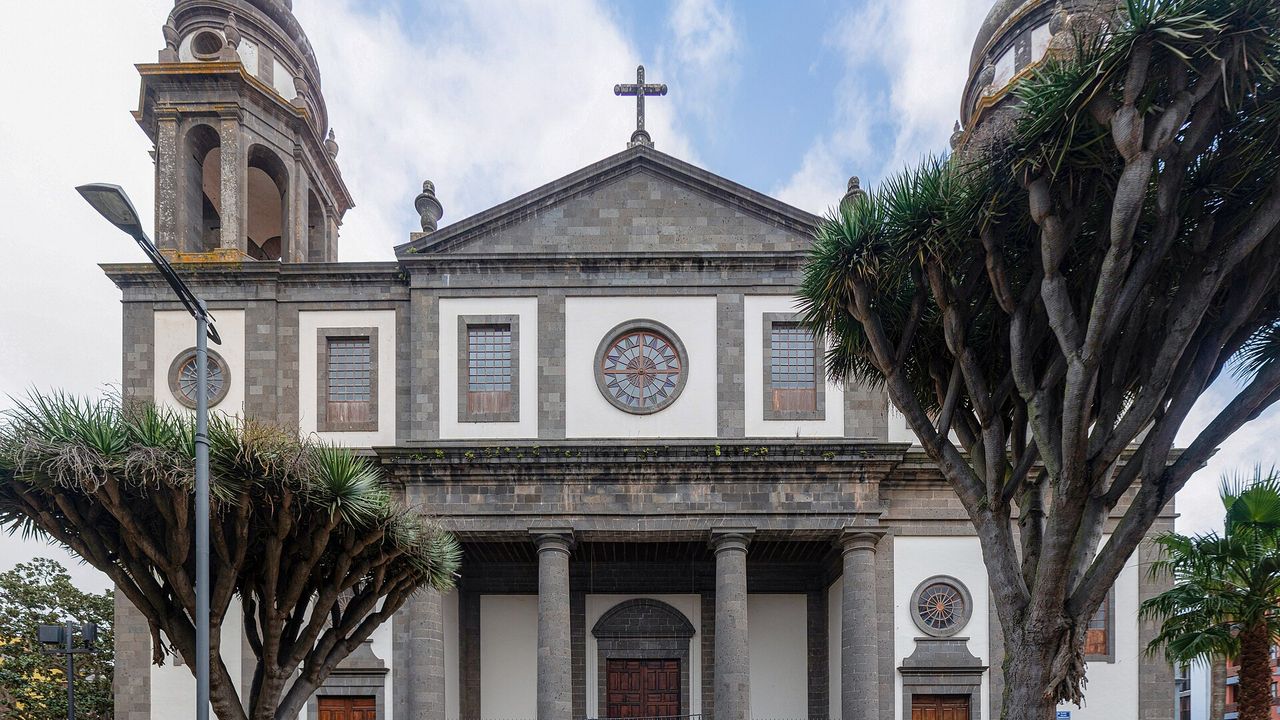
Cathedral of San Cristóbal de La Laguna
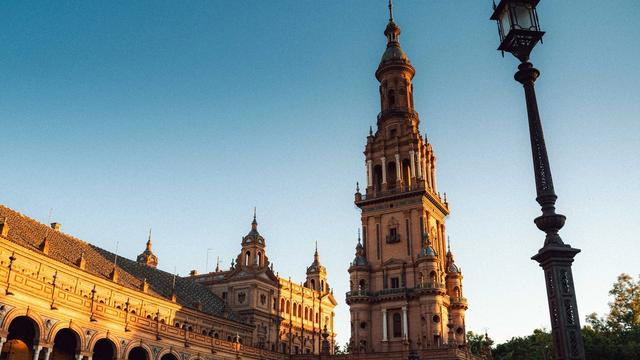
The old town of La Laguna is UNESCO-listed, and the cathedral's copper dome is the highest point in it. La Laguna was the capital of Tenerife when the church became a cathedral in 1819. Behind the 1820 facade, the Neo-Gothic interior holds the largest altarpiece in the Canary Islands, a wall of gilded Baroque carving around the Virgin of Los Remedios. Alonso Fernández de Lugo, who conquered Tenerife and founded the town, is buried here. There's an entry fee, and an audio guide comes with it. On weekdays the cathedral stays open without a lunch break; at weekends it closes over lunch.
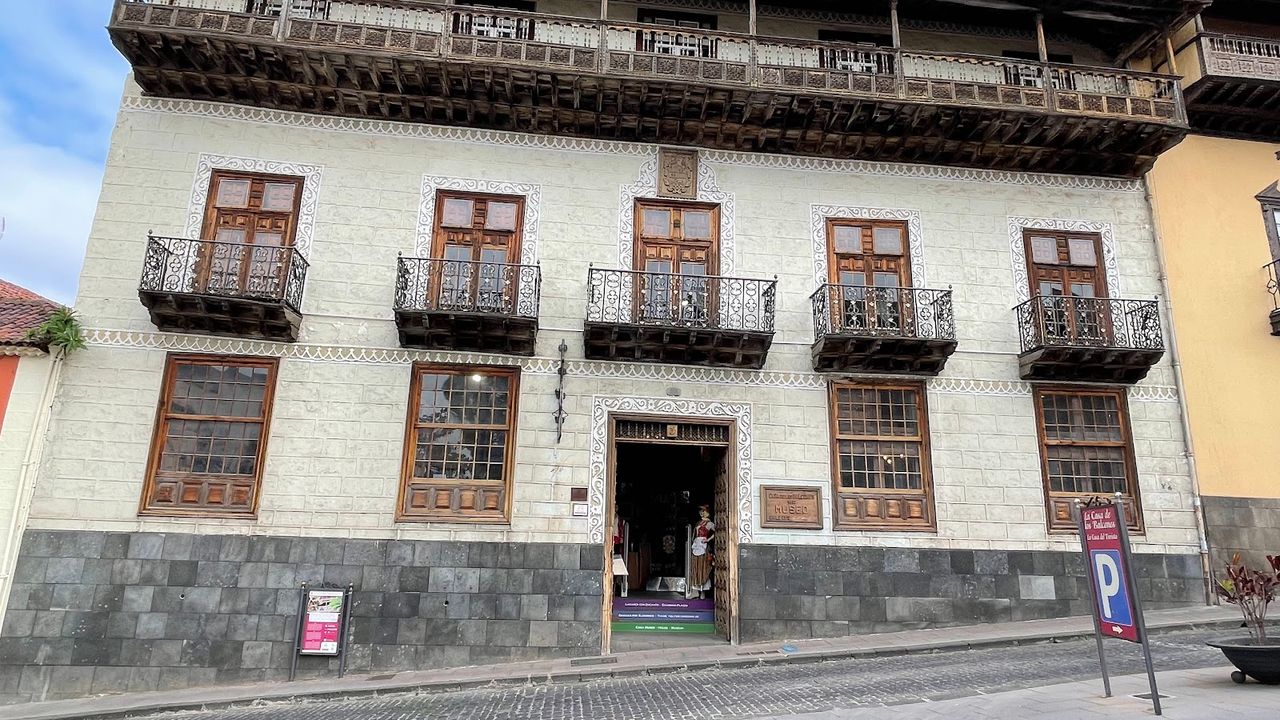
House of the Balconies
Built in 1632 in the old town of La Orotava, this house is known for its wooden balconies, dark with age, hanging out over the street. You can look at them for free; there's a fee to go inside. The rooms are set around a patio full of plants, and the house doubles as a centre for Canarian crafts, with embroidery and ceramics in the shop. A visit takes about an hour, and the audio guide plays on your own phone, so bring headphones. Come soon after opening, because coach tours reach La Orotava in the middle of the day. It's all indoors, which makes it a good choice for the grey, damp days the north often gets.
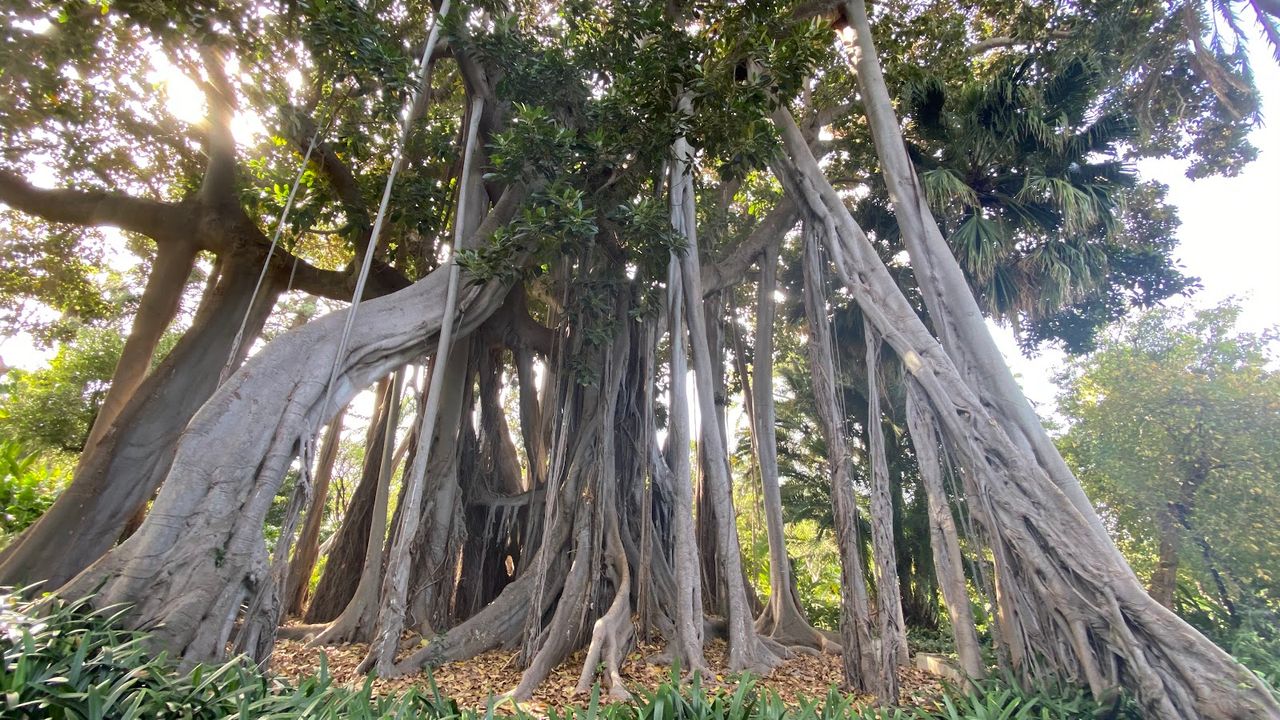
Puerto de la Cruz Botanical Garden
King Carlos III had this garden laid out in 1788 so that plants from the Americas and Asia could get used to the climate before going on to the royal gardens on the Spanish mainland. It is the second-oldest botanical garden in Spain. The tree to see is a fig some 200 years old, whose aerial roots hang from the branches and thicken into trunks of their own. Shaded paths wind between palms and big tropical trees, and an unhurried walk takes a couple of hours. There's a free car park across the street.
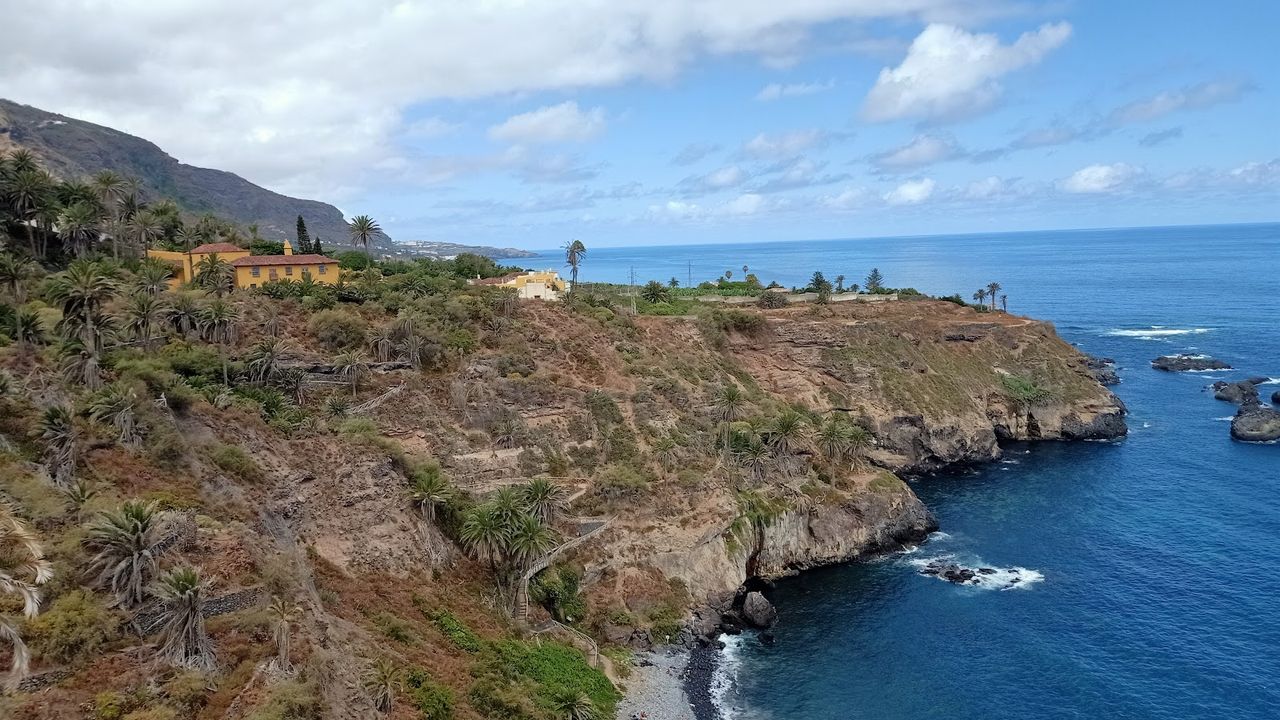
Rambla de Castro Protected Landscape
At Rambla de Castro, a protected stretch of coast in Los Realejos, the view starts at the car park: palms down the slope and the Atlantic below. Cobbled paths and steps lead past the Casa de Castro manor and the San Fernando Fort, an old gun battery, down to Castro Beach, which has more stones than sand. It's about 20 minutes down and 20 back up. Late afternoon is the best time, when the low sun lights the whole coast. Skip it on wet days, when the cobbles turn slippery. There are no toilets or drinking water, so bring a bottle.
Things to do in Tenerife
Paid links: booking through them supports YowJourney.
The south: sun, sand and lava
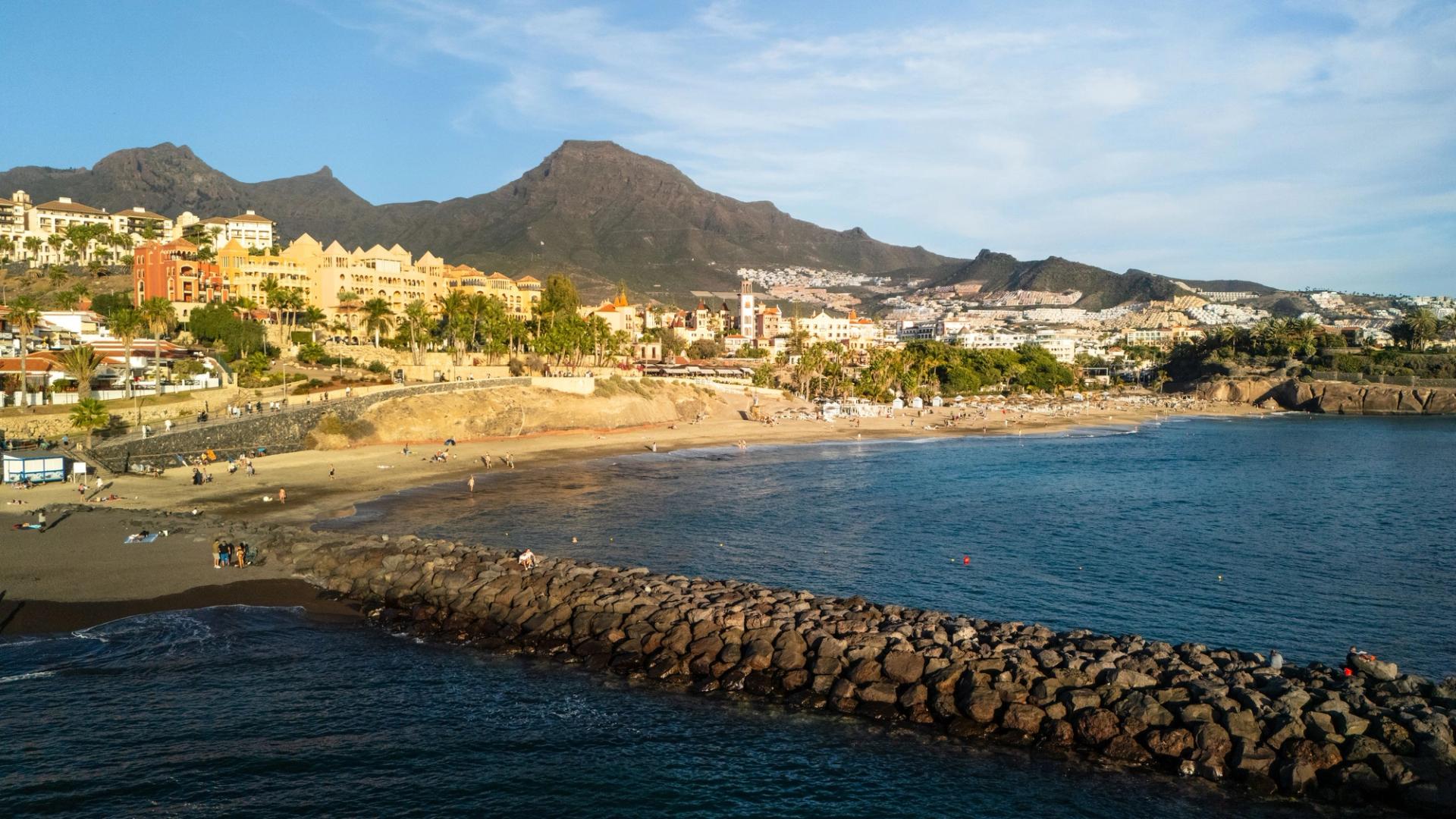
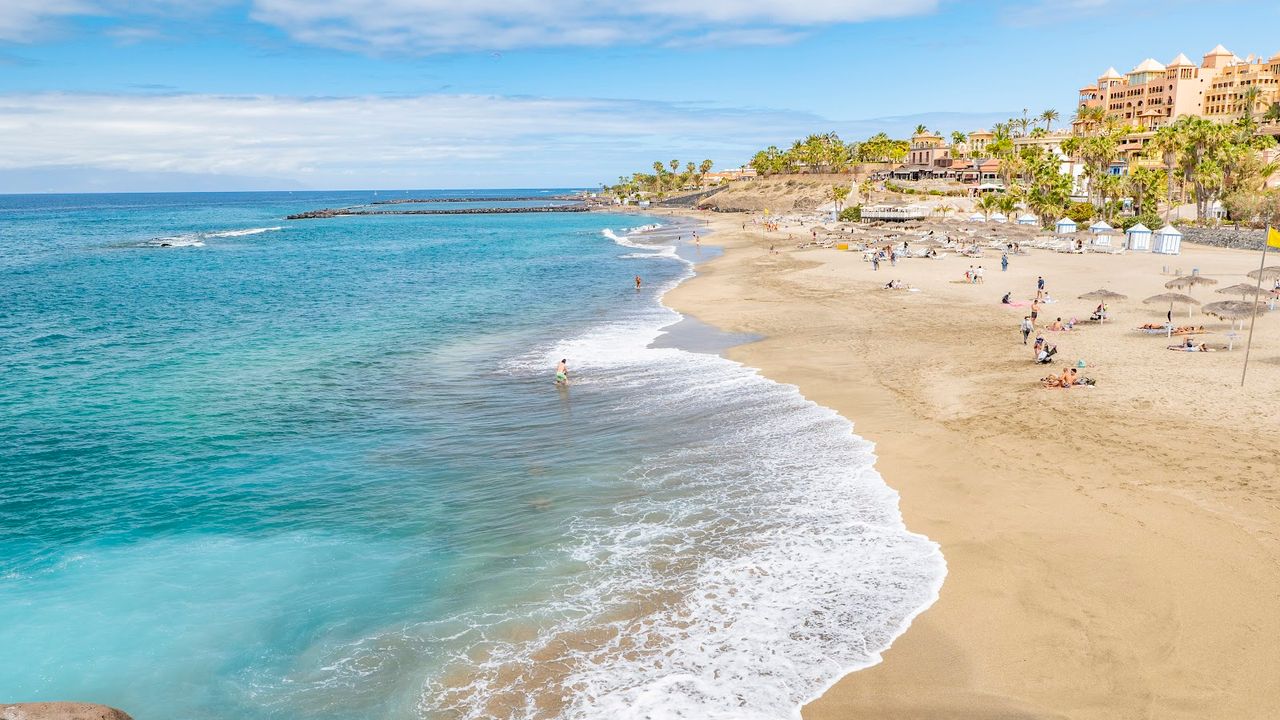
Del Duque Beach
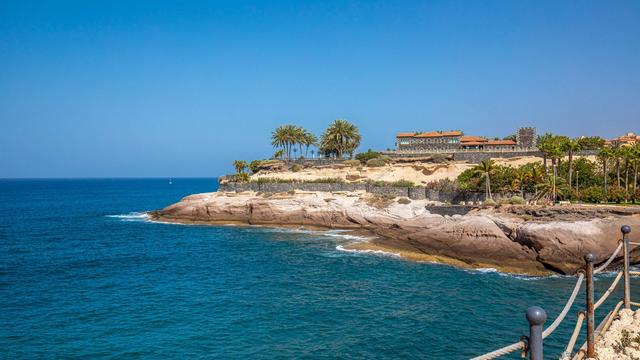
A wide golden beach on the Costa Adeje, with hotels, bars and restaurants right behind the sand, so lunch is never far away. The water is clear, and moderate waves are part of the fun; when the swell builds, the red flag goes up and swimming is banned. There's no natural shade, but you can hire sunbeds and parasols. Come in the morning, before the beach fills up. The Bahía del Duque bus stop is about 230 m away.
El Medano Beach
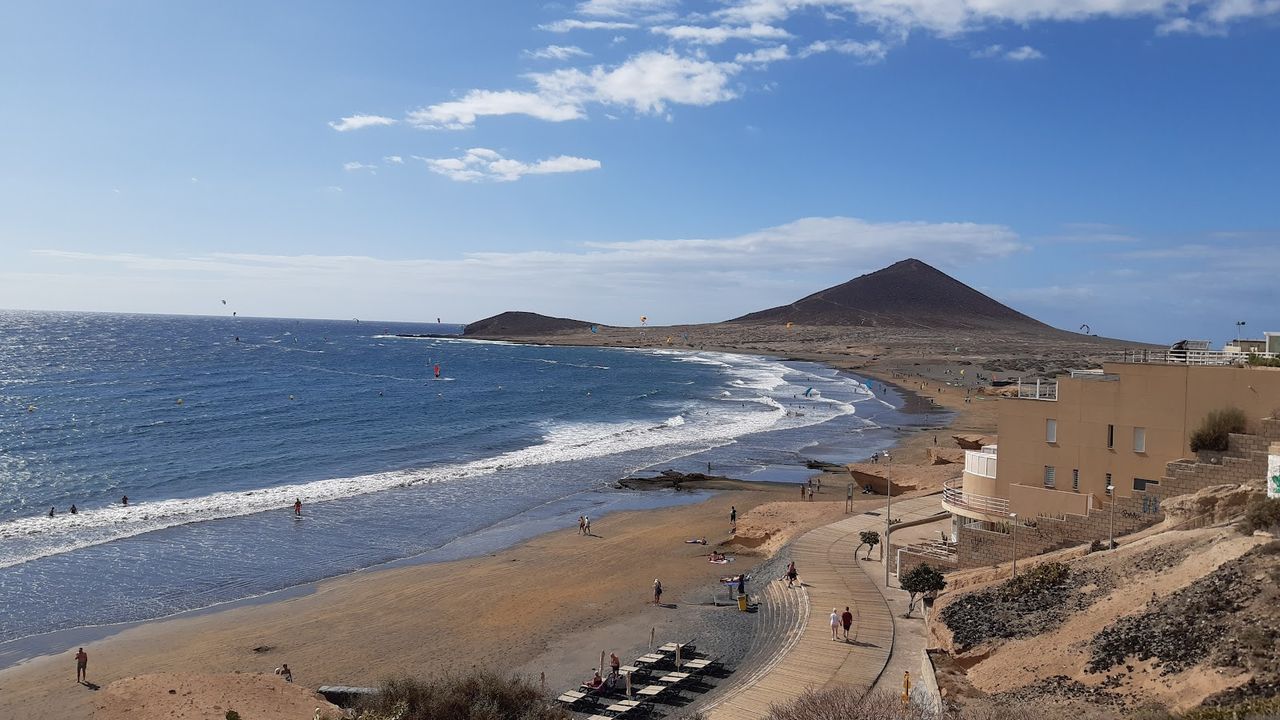
El Médano is a windsurfing and kitesurfing town on the south coast, close to Tenerife South airport. On windy days the sky over the bay fills with kites. Swimmers have their own area, marked off by buoys, and the beach in front of the main square is sheltered from the bigger waves. Beyond the beach rises Montaña Roja, a red volcanic cone about 170 m high, with a signed path to the top that is steep and slippery in places. The wind that brings the windsurfers also blows sand along the beach, and you'll often hear planes from the airport.
Hell's Gorge
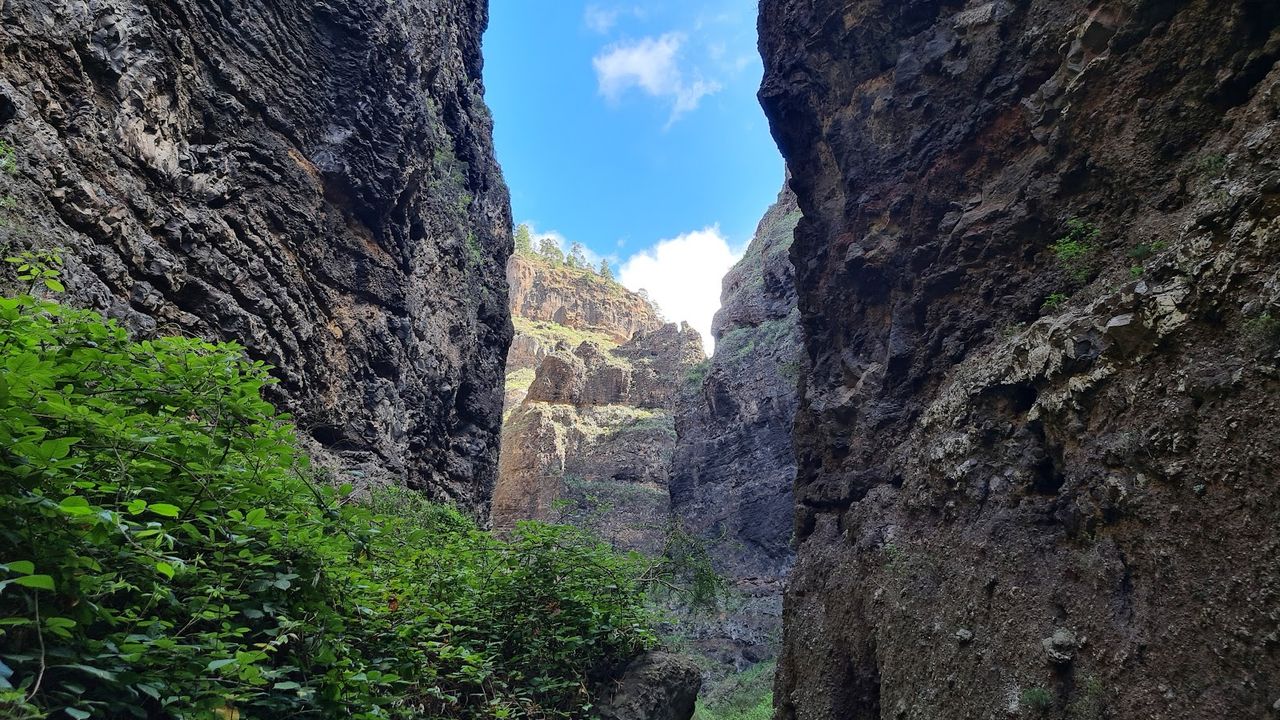
Barranco del Infierno (Hell's Gorge), a ravine in Adeje, ends at the highest waterfall on Tenerife. The trail is about 6.5 km there and back and takes three to three and a half hours, with some uphill sections. After 20 to 30 minutes of open ground the walls close in and the path heads into greener vegetation. Hundreds of caves in the walls were once home to the Guanches, the island's original inhabitants. Numbers are capped at 300 a day, so book online before you travel; each booking has a set start time. Helmets are handed out at the start. The trail closes on rainy and windy days, and children under 5 aren't admitted.
Malpais de La Rasca Nature Reserve
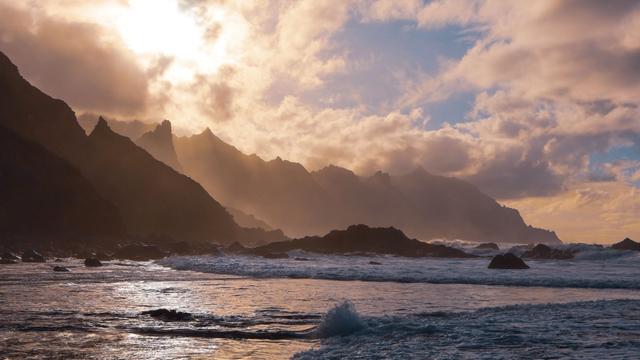
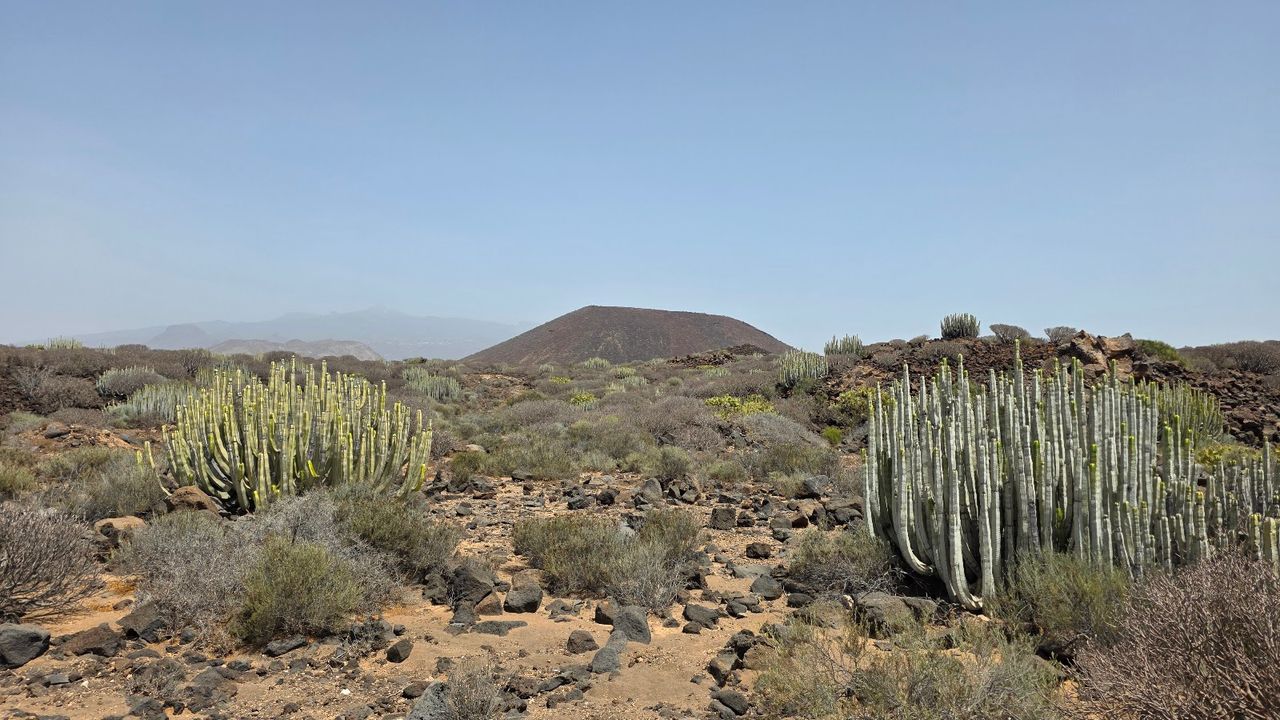
Malpaís de la Rasca is a lava field beside Palm-Mar on the south coast, and along its edge the swell breaks straight onto black, jagged rock. From Palm-Mar one path heads directly for the point, where there are two lighthouses, an old tower and a modern one; another follows the shore and carries on to Las Galletas. The flat ground inland was once irrigated farmland and is now desert. Low stone shelters among the lava survive from seasonal camps where people fished and gathered salt. The lava gives no shade and there's no drinking water, so come early or late in the day, with a full bottle and sturdy shoes.
Which side to choose
Mount Teide and its national park sit between north and south. The south is the side for beach days and winter sun. It is warm and dry in autumn, while the north's weather is more changeable, and through the winter it stays warmer and drier than the north. Tenerife South airport, near Los Cristianos, takes most international flights. The north is better for old towns, gardens and green walks. Tenerife North airport, near La Laguna, handles flights from mainland Spain. Titsa buses run from both airports, but services stop around midnight and some journeys mean changing buses, so a car makes crossing the island easier.